Transforming your yard can be an exciting adventure, and this Beginner’s Guide will help you get started! Imagine creating an outdoor space that reflects your style and meets your needs. Before you dive in, take a moment to plan. Effective planning can enhance both the beauty and functionality of your landscape. For instance, strategic plantings can manage moisture and reduce structural loads. Plus, studies show that homeowners can recoup up to 100% of their landscaping investment. So, grab a sketchpad and start visualizing your dream yard with the tips from this Beginner’s Guide!
Key Takeaways
Assess your yard’s features, including plants, sunlight, soil, and drainage, to inform your landscaping decisions.
Set clear goals for your landscape, focusing on aesthetics, functionality, and maintenance to guide your design choices.
Choose low-maintenance plants that thrive in your environment, such as perennials and hardy shrubs, to simplify upkeep.
Utilize essential tools like trowels and pruners to make your landscaping tasks easier and more efficient.
Adjust your care routine seasonally to maintain plant health and landscape appearance throughout the year.
Planning Your Landscape
Assessing Your Space
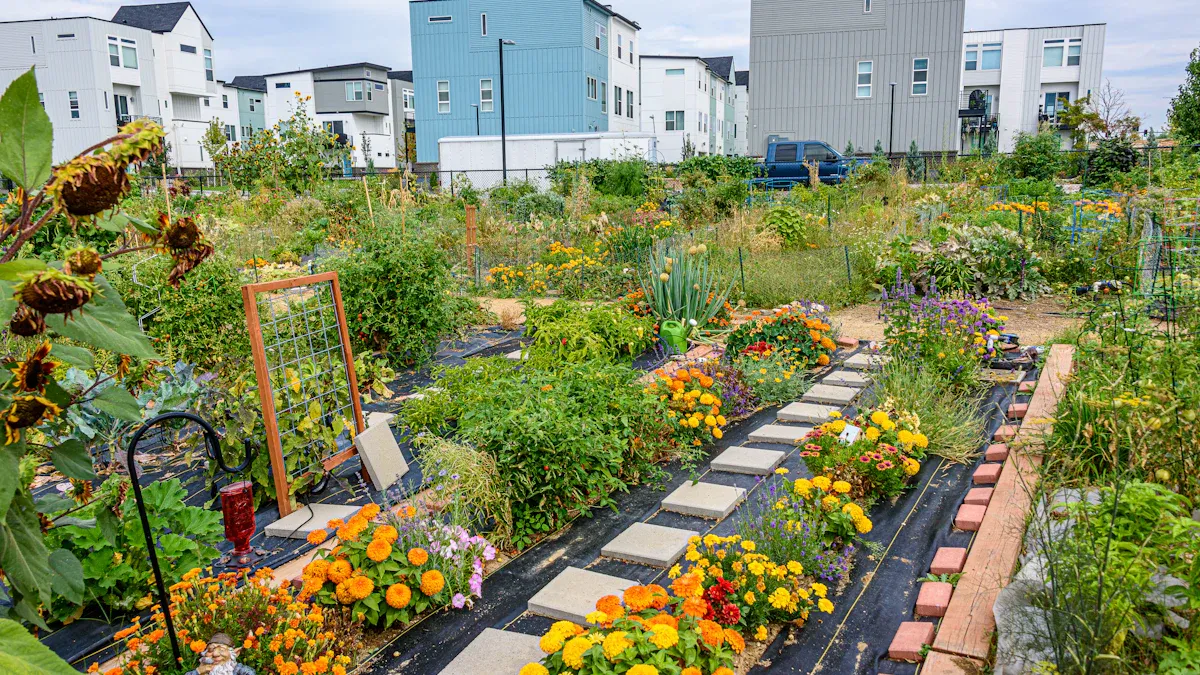
Before you start your landscaping project, take a good look at your yard. Observing the current landscape features helps you understand what you have to work with. Here are some key aspects to consider:
Existing Plants: Identify which plants are thriving and which ones are struggling. This can guide your future plant selections.
Sunlight Patterns: Note how sunlight moves across your yard throughout the day. Some areas may be sunny, while others are shaded.
Soil Quality: Test your soil to see if it’s sandy, clayey, or loamy. This will affect what plants can grow well.
Drainage: Look for areas where water tends to pool. Proper drainage is crucial for plant health.
Remember, understanding these features can save you time and money. Research shows that recognizing existing landscape characteristics enhances your project planning.
To visualize your yard better, sketch a simple map. This doesn’t have to be perfect; just outline the boundaries and mark any existing features like trees, fences, or pathways. You can use tools like long tape measures or even digital mapping tools to get accurate measurements. Here’s a quick list of methods to help you measure your yard:
Tool/Method | Description |
|---|---|
Long Tape Measures | Use one or two long tape measures, typically 100 or 200 ft in length, for accurate measurements. |
Sketching | Draw a simple sketch to record measurements, including property lines and features. |
Digital Mapping Tools | Utilize online tools like Google Maps for area calculations without physical measurements. |
Setting Goals
Once you’ve assessed your space, it’s time to set clear goals for your landscaping project. Think about what you want to achieve. Here are some common goals homeowners often consider:
Aesthetic Appeal: Do you want a beautiful garden that enhances your home’s curb appeal?
Functionality: Will you use the space for entertaining, gardening, or play areas for kids?
Maintenance: How much time are you willing to spend on upkeep? Low-maintenance options can save you effort in the long run.
Setting specific goals helps you make informed decisions about design elements and plant selections. For example, if you want a low-maintenance garden, you might choose drought-resistant plants. Here’s a breakdown of how goal-setting influences your landscaping:
Evaluate the physical dimensions and shape of your land.
Factor in environmental conditions like climate and soil characteristics.
Reflect on your vision for the outdoor space to ensure it aligns with your lifestyle needs.
By writing down your goals and keeping them visible, you make them tangible and easier to achieve. This approach can help you stay focused and motivated throughout your landscaping journey.
Goal | Description |
|---|---|
Project Planning | Involves site analysis, soil conditions, and defining a clear scope and timeline. |
Budget Control | Focuses on cost estimating, expense tracking, and managing change orders. |
Quality Assurance | Involves job-site checks and adherence to design specifications. |
With a clear plan and defined goals, you’re well on your way to creating a beautiful and functional landscape that suits your needs.
Plant Selection
Beginner Tips for Plants
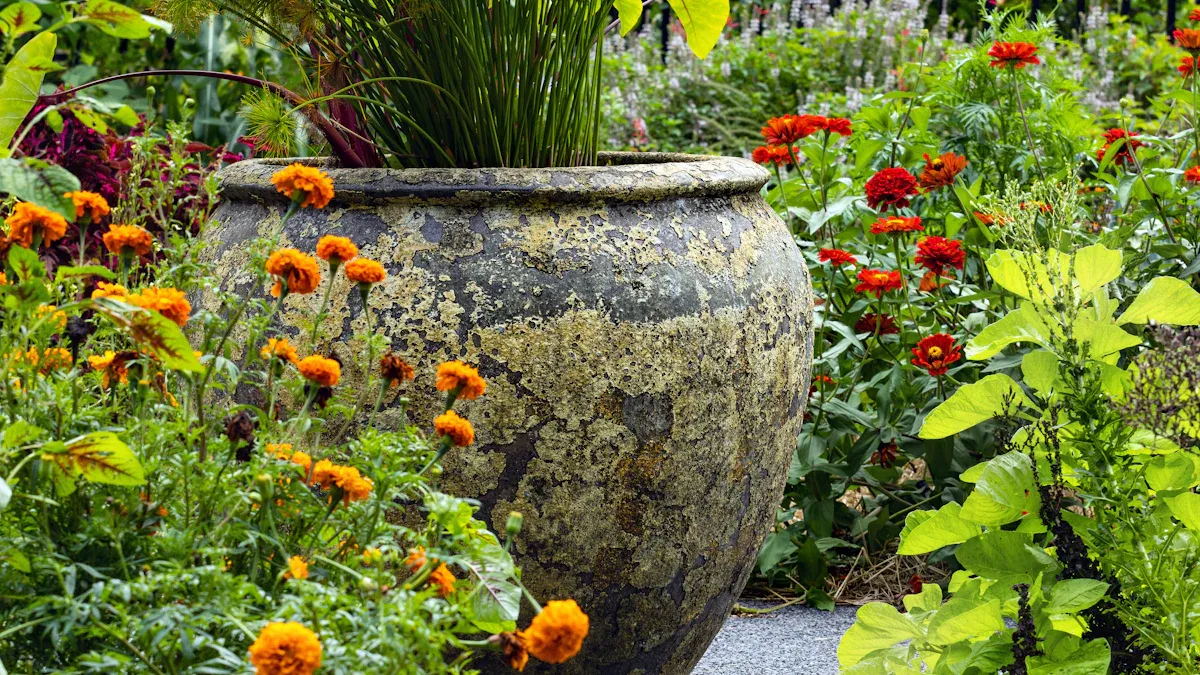
Choosing the right plants can make or break your landscaping project. Here are some beginner tips to help you select low-maintenance plants that will thrive in your yard:
Opt for Perennials: These plants come back year after year, saving you time and effort. Consider options like Black-Eyed Susans, Hostas, and Daylilies.
Select Shrubs Wisely: Look for hardy shrubs such as Boxwood, Hydrangeas, and Spirea. They provide structure and beauty with minimal care.
Ground Covers: Use plants like Creeping Thyme, Sedum, and Pachysandra to fill in spaces and reduce weeds.
Trees for Your Yard: Choose trees like Red Maple, Dogwood, or Japanese Maple for shade and visual interest.
When selecting plants, remember the “right plant-right place” principle. This means placing plants in areas where they can thrive without excessive care. For example, avoid plants that require frequent deadheading or complicated pruning. Instead, look for those that can flourish with minimal intervention.
Seasonal Considerations
Seasonal changes play a significant role in your plant selection. Here’s how different seasons affect your choices:
Seasonal Aspect | Effect on Plant Selection | Visual and Ecological Characteristics |
|---|---|---|
Summer | Ideal for relaxation | Increased beauty and enjoyment in your landscape |
Winter | Less effective for relaxation | Limited color and interest during colder months |
Deciduous Plants | Dynamic color changes | Vibrant greens in spring/summer, fiery reds in fall |
Evergreen Plants | Year-round structure | Consistent beauty and color throughout the year |
Avoid common mistakes when choosing plants for different seasons. For instance, failing to incorporate vibrant colors can lead to a dull landscape. Also, planting trees too late can hinder their growth and establishment. Always consider how your plants will look throughout the year to maintain interest and appeal.
By keeping these tips in mind, you can create a beginner garden that not only looks great but also requires less maintenance. Happy planting!
DIY Materials and Tools
Essential Tools
When you start your DIY landscaping project, having the right tools makes all the difference. Here’s a list of essential tools every beginner should consider:
Trowel: Perfect for transplanting and digging small holes.
Hand Fork or Cultivator: Great for breaking up soil and weeding.
Hand Pruners or Garden Scissors: Important for pruning and harvesting your plants.
Weeders: Effective for uprooting unwanted plants.
Harvest Knives: Ideal for harvesting greens and herbs.
For larger tasks, sturdy digging tools like shovels and spades are also recommended. Shovels help you move soil, while spades are designed for digging and edging. Don’t forget to protect your hands with gloves and manage plant growth with pruning shears. Choosing the right tools ensures that each task is performed efficiently, making your landscaping journey smoother and more enjoyable.
Hardscape Materials
Hardscaping adds structure and balance to your backyard. When selecting hardscape materials, consider durability and cost-effectiveness. Here’s a quick overview of some popular options:
Material | Durability | Cost-Effectiveness |
|---|---|---|
Concrete | Strong and resilient, withstands heavy use and harsh weather | Affordable and versatile for various applications |
Pea Gravel | Easy to install, excellent drainage | Cost-effective for pathways and borders |
Interlocking Pavers | Durable, easy to maintain and replace | Versatile and ideal for DIY projects |
Natural Stone | Timeless beauty, unique textures | Higher initial cost but long-lasting value |
Composite Decking | Low-maintenance, eco-friendly | Reduces waste and requires minimal upkeep |
Choosing the right hardscape materials affects the overall design and maintenance of your yard. Proper grading is crucial for directing water away from buildings, preventing damage to both hardscape and surrounding plants. Regular upkeep is essential for maintaining the lifespan of these elements. By selecting materials that align with your lifestyle, you can create a beautiful and functional landscape that lasts.
Landscaping Ideas and Design
Design Inspiration
When it comes to landscaping, inspiration can come from many places. Here are some exciting landscaping ideas to spark your creativity:
Container Garden Ideas: Use colorful containers filled with vibrant flowers and textures to create eye-catching displays.
Small Garden Ideas: Transform compact spaces into beautiful outdoor retreats with clever design and plant choices.
Shade Garden Ideas: Explore unique solutions for shaded areas, using plants that thrive in lower light.
You can also consider functional designs that enhance your outdoor experience:
Deck With Vine-Wrapped Pergola: Create a stylish outdoor deck that integrates climbing vines for a natural touch.
Outdoor Dining With a Spa: Design a multifunctional backyard that combines relaxation and entertainment.
Big Style in a Small Backyard: Use a deck and small patio to create an inviting atmosphere without overwhelming the space.
Planting Techniques
Now that you have some design ideas, let’s talk about planting techniques. Proper techniques can maximize plant health and growth. Here are some essential tips:
Soil Management: Regularly test your soil and amend it to maintain optimal conditions for your plants.
Pest Control: Monitor your garden for pests and treat infestations promptly to protect your plants.
Irrigation Management: Water your plants correctly to avoid drought stress or overwatering.
Regular Pruning and Trimming: Keep your plants healthy and looking their best with routine maintenance.
Preventative Treatments: Use fertilizers and disease prevention sprays to boost plant vigor.
Spacing is also crucial for a sustainable landscape. Here’s how proper spacing impacts your garden:
Evidence Description | Impact on Landscape Sustainability |
|---|---|
Proper spacing reduces competition for nutrients and space, leading to healthier plants. | Enhances plant health and productivity, contributing to a sustainable ecosystem. |
Adequate spacing improves air circulation, reducing humidity and disease risk. | Minimizes disease spread, promoting a healthier landscape. |
Crowded plants can lead to stunted growth and reduced yields. | Affects overall productivity and sustainability of the landscape. |
By incorporating these landscape design principles and planting techniques, you can create a thriving outdoor space that reflects your style and meets your needs.
Maintaining Your Landscape
Care Tips
Maintaining your landscape is essential for keeping it healthy and beautiful. Here are some regular care tips to help you stay on track:
Get a Soil Test: Understanding your soil’s pH and nutrient levels helps you make informed decisions about fertilization.
Identify Your Grass Type: Different grasses have unique needs. Knowing your grass type allows you to tailor your care routine.
Fertilize Your Grass: Apply fertilizer once or twice in early spring and again in the fall for optimal growth.
Prevent Bald Patches: Regularly check for bare spots and reseed them to maintain a lush lawn.
Mow Your Lawn Regularly: Keep your grass at the recommended height to promote healthy growth and discourage weeds.
Water Wisely: Most lawns need about an inch of water weekly. Adjust this based on your grass type and climate.
Aerate the Soil: Aeration improves soil condition, allowing better water and nutrient absorption. Aim to aerate in February.
Dethatch the Lawn: Remove excess thatch to promote healthy grass growth.
Combat Lawn Pests: Regularly inspect for pests and treat infestations promptly to protect your plants.
Rake Autumn Leaves: Clearing leaves prevents mold and keeps your lawn healthy during the colder months.
Know Your Tools: Store essential tools in your garden shed or garage for easy access.
By following these tips, you can keep your landscape thriving and looking its best.
Seasonal Adjustments
Adjusting your care routine according to the seasons is crucial for plant health and landscape appearance. Here are some seasonal adjustments to consider:
Spring: Focus on soil health and nutrient application. This promotes lush growth as plants wake from dormancy.
Summer: Water strategically to combat heat stress. Aim for deep watering, about 1 to 1.5 inches per week, to encourage deeper root growth. Use mulch to retain moisture.
Autumn: Aerate your lawn and prepare for spring by planting bulbs. Clean up debris to prevent mold and other issues.
Winter: Protect your plants with burlap and mulch to prevent freezing. Monitor local weather data for frost dates to optimize your planting schedules.
Seasonal shifts lead to changes in plant growth and maintenance requirements. Many plants enter dormancy during cooler months, conserving energy for spring. Proper management during fall and winter can enhance landscape aesthetics, showcasing cool-season plants that thrive in these months.
By making these seasonal adjustments, you can ensure your landscape remains vibrant and healthy throughout the year.
Landscaping your yard is an exciting journey that can transform your outdoor space. Remember these key points as you start:
Assess your space and set clear goals.
Choose low-maintenance plants that suit your environment.
Use the right tools and materials for your projects.
As you work on your landscape, keep in mind that this process evolves over time. Your needs may change, and that’s perfectly okay! Ongoing education and support can enhance your skills and keep you updated on the latest techniques.
Investing in landscaping not only boosts your property value but also improves air quality and creates a beautiful environment. So, take that first step today, and enjoy the process of creating your dream yard!