

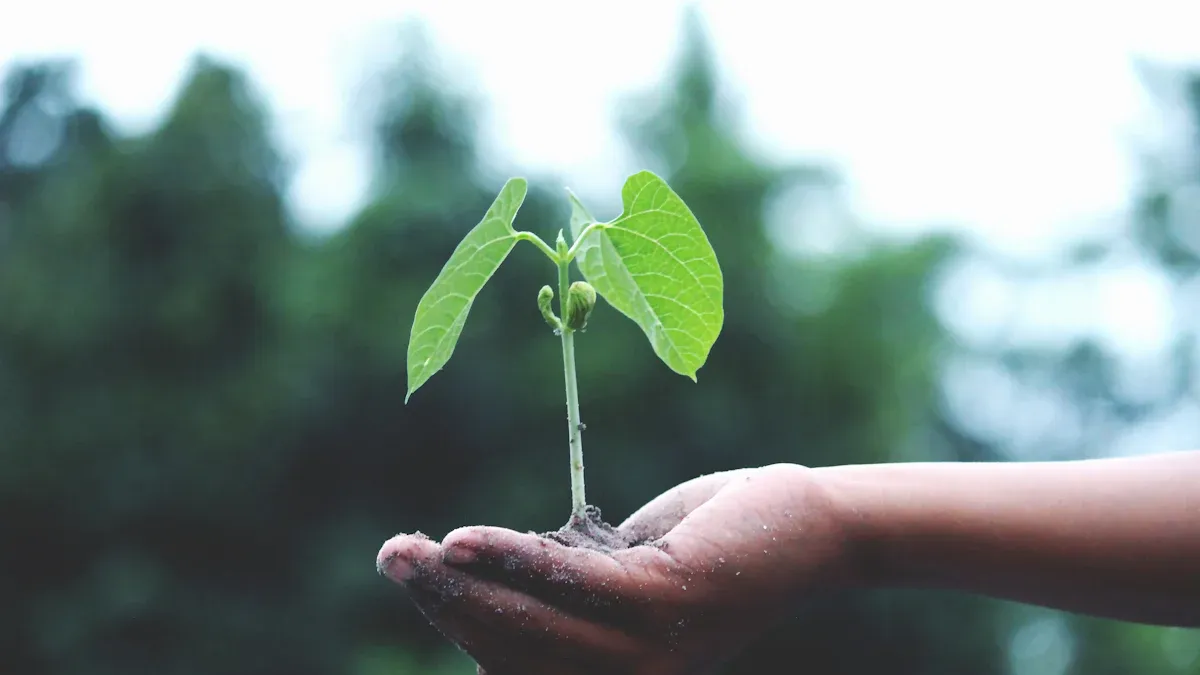
Choosing the right plants for your garden can make all the difference. When you select plants that thrive in your local climate, you enhance their chances of survival and growth. Here are some key benefits to consider:
Plants suited to your region adapt better to temperature and soil conditions.
You’ll spend less time and resources on maintenance, promoting sustainable gardening.
Making informed choices can prevent financial losses due to poor plant selection.
By understanding your local environment, you can create a flourishing garden that not only looks great but also thrives naturally.
Key Takeaways
Select plants suited to your climate for better growth and lower maintenance.
Understand hardiness zones to choose plants that can survive local temperatures.
Consider local weather patterns to time your planting for optimal success.
Use companion planting to enhance growth and deter pests in your garden.
Incorporate native plants to support local wildlife and promote biodiversity.
Understanding Your Climate
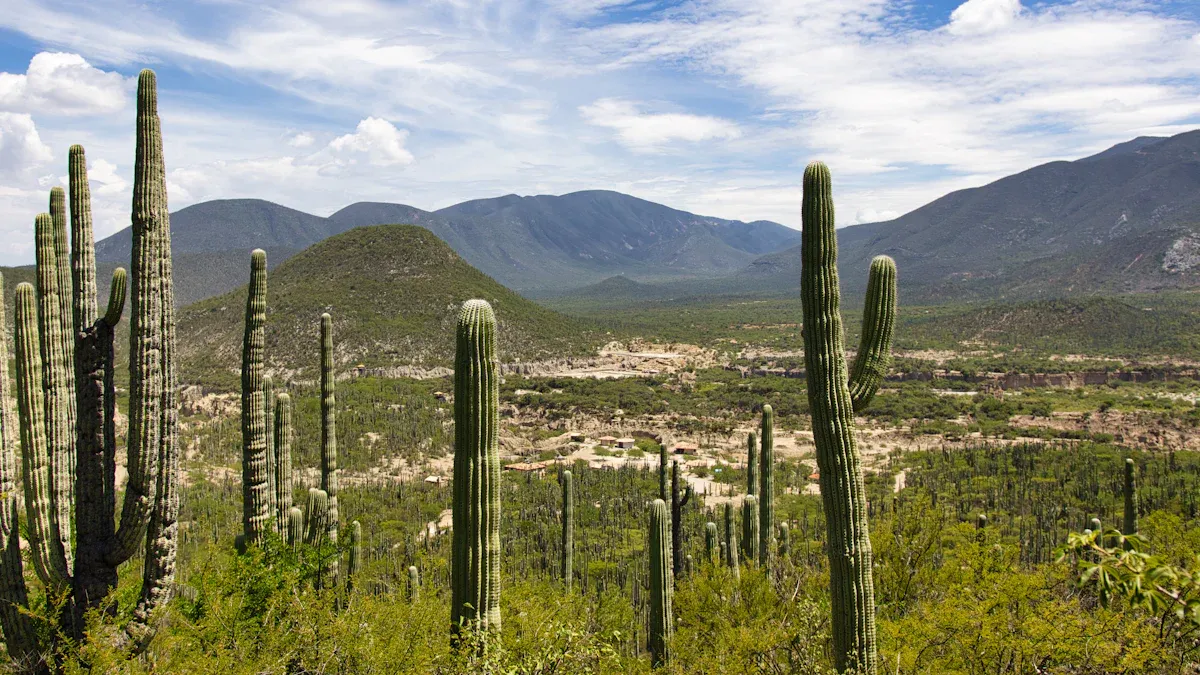
When you start gardening, understanding your climate is crucial. It helps you choose the right plants that will thrive in your area. Two key factors to consider are hardiness zones and local weather patterns.
Hardiness Zones
Hardiness zones are essential for selecting plants that can survive in your climate. The USDA hardiness zone map divides the United States into different zones based on average minimum temperatures. Here’s a quick look at how these zones work:
Hardiness Zone | Average Minimum Temperature (°F) |
|---|---|
Zone 1 | -60 to -50 |
Zone 11 | 40 or more |
These zones help you understand which plants will thrive in your area. For example, if you live in Zone 5, you’ll want to choose plants that can handle winter temperatures as low as -20°F. By selecting plants suited to your hardiness zone, you increase their chances of successful growth and sustainability.
Hardiness zones classify areas based on average annual minimum temperatures.
They help gardeners select plants that can thrive in their local climate.
Choosing appropriate plants increases the chances of successful growth and sustainability.
Local Weather Patterns
Local weather patterns also play a significant role in plant growth. Factors like rainfall, temperature fluctuations, and frost dates can impact how well your plants do. For instance, if your area experiences extreme heatwaves, it can reduce plant recruitment and affect overall vegetation productivity. Here’s a table that summarizes some important effects of local weather patterns:
Evidence | Description |
|---|---|
Recruitment and Growth | Recruitment was low during extreme heatwaves, impacting vegetation productivity and species composition. |
Temperature and Precipitation | Higher temperatures in summer and lower winter precipitation correlate negatively with plant recruitment. |
Soil Moisture and Plant Health | Drier soils lead to increased transpiration, affecting cellular processes and ultimately reducing plant growth. |
Understanding these patterns helps you make informed decisions about what to plant and when. For example, if you know your area has a short growing season, you might want to choose early-maturing varieties of vegetables.
Additionally, consider how soil types affect plant growth. Different soils have unique characteristics that can influence which plants will thrive:
Clay Soil: Retains moisture well but can lead to poor drainage; rich in nutrients but can become compacted.
Sandy Soil: Excellent drainage but poor nutrient retention; requires frequent watering and fertilization.
Loamy Soil: Ideal for diverse plantings due to balanced texture and good nutrient retention; requires maintenance.
Silt Soil: Highly fertile and retains moisture effectively; prone to compaction and erosion.
By understanding your climate, including hardiness zones and local weather patterns, you can create a thriving garden that suits your environment perfectly.
What to Plant: Fruit Trees
When it comes to choosing fruit trees, you have plenty of options. The right varieties can thrive in your climate, providing delicious fruits for years to come. Here are some of the best fruit trees to consider based on different climate conditions:
Best Varieties
Apple Trees: Great for cooler climates, apple trees come in many varieties. Look for ones like Honeycrisp or Fuji, which do well in zones 3-8.
Citrus Trees: If you live in a warmer climate, citrus trees like oranges and lemons thrive in zones 9-11. They love the sun and need well-drained soil.
Peach Trees: These trees prefer warmer areas but can adapt to cooler climates with the right care. Varieties like Redhaven are popular in zones 5-8.
Cherry Trees: Sweet cherries do well in zones 5-8, while sour cherries can thrive in cooler areas. They need full sun and well-drained soil.
Choosing the right variety is just the first step. You also need to consider how to care for your fruit trees to ensure they grow healthy and strong.
Care Tips
Caring for fruit trees involves several important practices. Here are some tips to help you succeed:
Watering: Make sure to water your trees regularly, especially during dry spells. Implementing a drip watering system can help manage water efficiently during droughts. This is crucial for tree health.
Pruning: Regular pruning promotes healthy growth and fruit production. Most fruit trees benefit from both summer and winter pruning. In warm summer areas, pruning frequency varies by cultivar. For example, you might prune more often for certain types of apples than for peaches.
Climate Condition
Pruning Frequency
Irrigation Practice
Warm Summer Areas
Varies by cultivar
Uncontrolled water deficit during postharvest
Soil Preparation: Proper soil preparation is essential. Ensure your soil is well-drained and rich in nutrients. This helps your trees establish strong roots.
Pest Management: Keep an eye out for pests. Longer summers can lead to increased pest pressure, impacting fruit production. Use organic methods to manage pests whenever possible.
Growing fruit trees can be rewarding, but you may face challenges depending on your location. Drought affects both urban and rural fruit tree cultivation. Extreme weather events, like excessive heat or cold, can damage trees and spread diseases.
By selecting trees suited to your local climate and following these care tips, you can enjoy a fruitful harvest for years to come!
Choosing Vegetables for Growing Seasons
When you plan your vegetable garden, understanding the growing seasons is key. Different vegetables thrive at different times of the year, so knowing when to plant can make a big difference in your harvest.
Seasonal Considerations
You’ll find that vegetables fall into two main categories: cool-season plants and warm-season plants. Cool-season plants, like broccoli and lettuce, prefer temperatures between 35°F and 64°F. They can even handle a bit of frost! On the other hand, warm-season plants, such as tomatoes and peppers, thrive in warmer temperatures, ideally between 65°F and 84°F, with no frost risk.
Here’s a handy table to help you determine the optimal planting times for various vegetables based on your USDA hardiness zone:
USDA Hardiness Zone | Optimal Planting Times for Vegetables |
|---|---|
Zone 3 | Late spring to early summer |
Zone 4 | Mid-spring to early summer |
Zone 5 | Early spring to mid-summer |
Zone 6 | Early spring to late summer |
Zone 7 | Late winter to late summer |
Zone 8 | Early winter to late summer |
Zone 9 | Year-round planting possible |
By knowing your zone, you can choose the right time to plant your vegetables, ensuring they grow strong and healthy.
Companion Planting
Companion planting is another great strategy to boost your garden’s success. This method involves planting different crops close together to enhance growth, deter pests, and improve yields. Here are some effective combinations:
Marigolds and Nasturtium: These flowers repel various insects.
Basil with Tomatoes: Basil not only enhances tomato flavor but also reduces pest populations.
Corn, Beans, and Squash: Known as the Three Sisters, these plants support each other’s growth.
Companion planting can also improve soil health. Diverse root systems help retain moisture and enhance nutrient uptake. Plus, it creates a vibrant garden that attracts beneficial insects.
By considering seasonal factors and using companion planting, you can create a thriving vegetable garden that adapts to your climate. Happy gardening!
Selecting the Right Ornamental Plants
When it comes to choosing ornamental plants, you have two main options: native and non-native species. Each type has its own set of advantages and challenges that can affect your garden’s success.
Native vs. Non-Native
Native plants are those that naturally grow in your area. They often require less maintenance and support local wildlife. For example, a study by Burghardt et al. (2008) found that gardens with mostly native plants had more caterpillars and birds than those with non-natives. This means native plants can boost biodiversity, which is great for your garden’s ecosystem.
On the other hand, non-native plants can add unique beauty to your landscape. They often come in a wider variety of colors and shapes, allowing for creative plant selection. However, they may need more care and can sometimes become invasive, harming local flora and fauna. Here’s a quick comparison:
Type | Advantages | Disadvantages |
|---|---|---|
Native | – Supports local wildlife | – Limited variety in some regions |
– Requires less maintenance | – May not have the same visual appeal as non-natives | |
Non-Native | – Wide variety of options for landscaping | – Higher maintenance needs |
– May resist local diseases | – Potentially invasive |
Aesthetic Considerations
When designing your garden, think about how color, texture, and height influence its overall look. Here’s how these elements play a role:
Element | Influence on Aesthetic Appeal |
|---|---|
Color | Creates visual interest and can be used for contrast or unity; affects perceived size of space. |
Texture | Coarse, medium, and fine textures provide contrast and emphasis; texture can dominate over color in most seasons. |
Plant Height | Affects balance and visual weight; taller plants can create focal points and influence the overall composition. |
To keep your garden visually appealing year-round, mix plants that bloom in different seasons. Incorporate evergreens for winter interest and choose perennials that offer color throughout the year. This way, your garden remains vibrant and inviting, no matter the season.
By carefully considering your options and the aesthetic elements, you can create a stunning ornamental garden that thrives in your climate.
Choosing the right plants for your garden is essential for success. By understanding your climate, you can select plants that thrive and require less maintenance. Here are some key takeaways:
Climate-appropriate plants like native and drought-tolerant species need less water and resist local diseases.
These plants support local biodiversity, providing habitats for beneficial insects and pollinators.
Sustainable practices, such as drip irrigation, help conserve resources and lower costs.
When you make informed choices, you not only create a vibrant edible garden but also contribute to a healthier environment. So, get out there and start planting with confidence!
FAQ
What are frost hardiness zones, and why are they important?
Frost hardiness zones indicate the lowest temperatures plants can tolerate. Knowing your zone helps you choose the right plants that can survive winter conditions in your area.
How do I know which plants are suitable for my high country climate?
Research local gardening resources or consult with local nurseries. They can recommend plants that thrive in high country climates, considering factors like elevation and temperature.
When is the best time to start gardening?
The best time to start gardening depends on the seasons in your area. Generally, spring is ideal for planting most vegetables and flowers, while fall is great for perennials and bulbs.
Can I grow moisture and humidity-loving plants in a dry climate?
Yes, but you’ll need to provide extra care. Consider using mulch and regular watering to maintain moisture levels for these plants, especially during hot seasons.
How can I improve my garden’s soil quality?
You can improve soil quality by adding organic matter like compost. This enhances drainage and nutrient retention, creating a better environment for growing plants.
