Brown patches can ruin the beauty of your lawn. They often stem from various issues, including dog urine, dull mower blades, and even heat or drought. Ignoring these patches can lead to more extensive damage. So, how do you fix brown patches effectively?
Key Takeaways
Identify the cause of brown patches, such as insufficient watering, dog urine, or fungal infections, to effectively address the issue.
Implement proper watering techniques by ensuring deep watering sessions and adjusting your sprinkler system for even coverage.
Use quality fertilizers and consider overseeding to promote healthy grass growth and revive damaged areas.
Causes
Understanding the causes of brown patches in your lawn is the first step to fixing them. Here are some common culprits:
Insufficient Watering
When you don’t water your lawn enough, especially during hot summer months, your grass can go into dormancy. This dormancy leads to brown spots, showing that your lawn is stressed from a lack of moisture. Additionally, insufficient watering can weaken the grass, making it more susceptible to diseases like brown patch disease.
Dog Urine Damage
If you have a furry friend, you might notice brown patches where they frequently relieve themselves. Dog urine contains urea, which can burn grass when concentrated in small areas. You may see a ring of dark green grass around the dead patch, indicating that the urine has fertilized the surrounding area while damaging the center.
Fungal Infections
Fungal infections are another major cause of brown patches. Common types include:
Brown Patch
Large Patch
Dollar Spot
Gray Leaf Spot
These diseases thrive in warm, humid conditions and can spread quickly if not managed.
Pest Damage
Pests can wreak havoc on your lawn, leading to brown patches. Here are some common offenders:
Chinch Bugs: They suck sap from grass blades, causing yellow and dead spots.
Grubs: These larvae feed on grassroots, weakening your turf.
Armyworms: They consume grass blades, potentially causing extensive damage.
Identifying these causes will help you take the right steps to fix brown patches effectively.
Fix Brown Patches
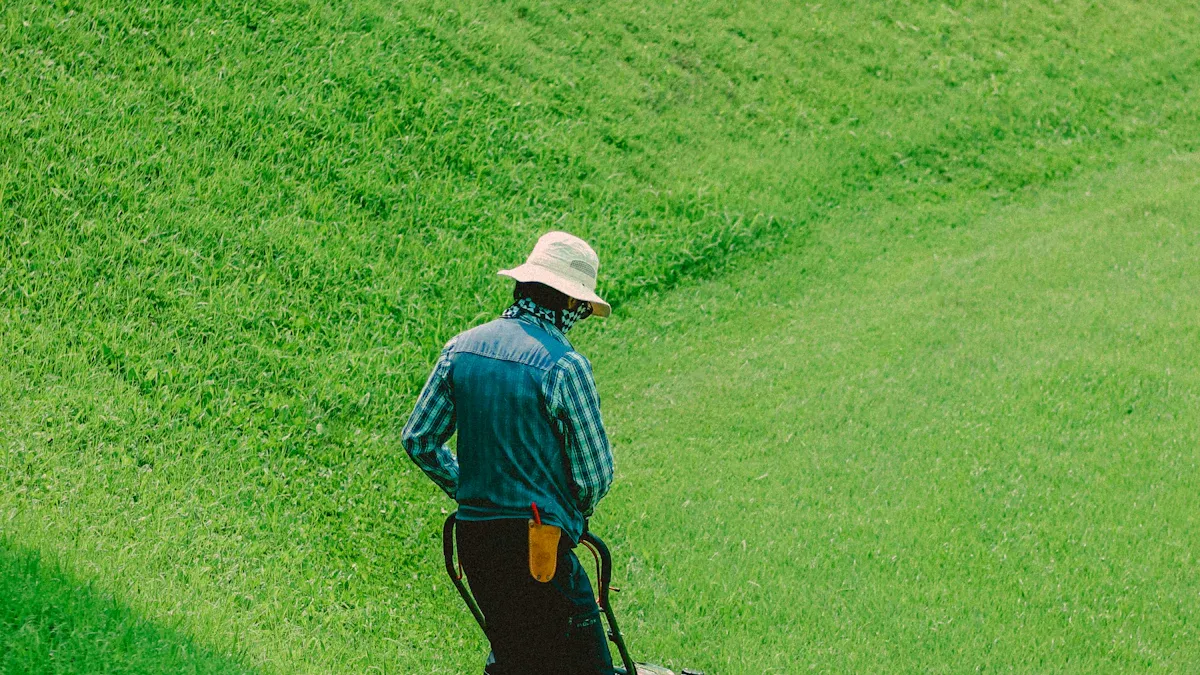
When it comes to fixing brown patches, you have several effective strategies at your disposal. Let’s dive into some actionable solutions that can help restore your lawn to its lush, green glory.
Watering Techniques
Proper watering is crucial for preventing and repairing brown patches. Here are some techniques to consider:
Regular and Deep Watering: Aim for deep watering sessions rather than frequent light sprinklings. This encourages roots to grow deeper, making your grass more resilient.
Adjust Sprinkler Nozzles: Ensure even irrigation coverage by checking your sprinkler system. Adjust or replace nozzles to avoid dry spots that can lead to brown patches.
Watering Schedule: During peak summer months, follow this schedule:
Cool-Season Lawn (e.g., Kentucky Bluegrass, Fescue): Water on Tuesday, Friday, and Sunday in the early morning, applying 0.5 inches per session for a total of 1.5 inches weekly.
Warm-Season Lawn (e.g., Bermudagrass, Zoysiagrass): Water on Monday and Thursday in the early morning, applying 0.75 inches per session for a total of 1.5 inches weekly.
Warm-Season Lawn in Sandy Soil: Water on Monday, Wednesday, and Saturday in the early morning, applying 0.5 inches per session for a total of 1.5 inches weekly.
Fertilization Strategies
Fertilizing your lawn correctly can help revive brown patches. Here are some tips:
Choose the Right Fertilizer: Use quality fertilizers that suit your grass type. For cool-season grasses, consider options like:
Fertilizer Type
Purpose
Application Timing
EZ Seed®
For fixing bare spots
Early spring or fall
Thick’R Lawn® Sun & Shade
To thicken thin areas
Late summer or early fall
Thick’R Lawn® Tall Fescue Mix
To thicken thin areas (Tall Fescue type)
Late summer or early fall
Overseeding: After aerating, overseed your lawn to promote new growth. Use Tall Fescue at 3 lbs per 1000 square feet and Kentucky Bluegrass at 1 lb per 1000 square feet. Fertilize after seeding to provide necessary nutrients.
Aeration Methods
Aeration is a game-changer for fixing brown patches. It improves soil conditions and promotes healthy grass growth. Here’s how to do it:
Core Aeration: This method removes soil plugs, alleviating compaction and enhancing water, oxygen, and nutrient access to roots.
Spike Aeration: While it creates holes, it doesn’t remove plugs, making it less effective for severe compaction.
Manual Tools: For small areas, garden forks can work, but they require more effort.
Tips for Aeration:
Aerate during active growth periods: Fall for cool-season grasses, late spring to early summer for warm-season grasses.
Water the lawn adequately before aeration to ensure the soil is moist and easier to penetrate.
Leave soil plugs on the surface to decompose and fertilize or overseed afterward to promote grass growth.
Reseeding and Patch Products
If brown patches persist, consider reseeding or using patch products. Here are some options:
Commercial Patch Products: Products like Green Lawnger can restore color to dormant turf, while GROOM enhances turf quality and reduces mowing frequency.
Organic Solutions: Corn meal acts as a fertilizer and spot treatment, while neem oil is effective against brown patches and safe for gardens.
By implementing these strategies, you can effectively fix brown patches and enjoy a vibrant lawn. Remember, consistency is key!
In summary, fixing brown patches starts with identifying their causes. You can tackle issues like insufficient watering, dog urine, and fungal infections. Implementing effective solutions, such as proper watering techniques and fertilization strategies, will help you maintain a healthy lawn. So, take action today to fix brown patches and enjoy a vibrant yard!