

Your fruit trees work hard every season, and the right nutrition turns slow growth into reliable harvests. Whether you tend a backyard orchard, a few potted citrus on the patio, or a single apple tree anchoring the corner of your lot, the fertilizer you choose shapes the year’s bloom set, fruit size, and overall tree vigor. Soil nutrients deplete over time, so a thoughtful feeding program keeps production steady. This roundup focuses on real, well-reviewed options that match different goals, from organic blends to convenient spikes and a super-concentrated liquid. You’ll find context on the format, NPK ratio, and ideal tree type for each pick, so the choice lines up with your orchard setup.
The Shortlist At A Glance
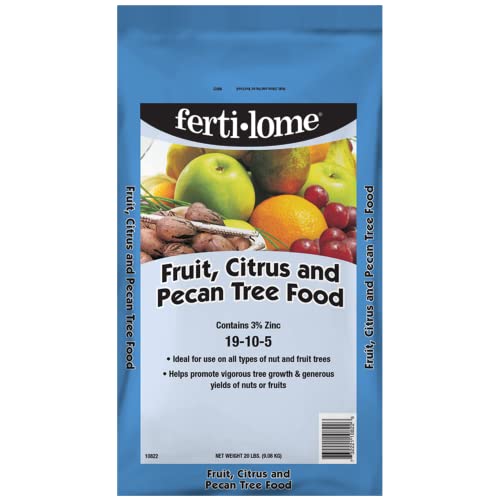
Fertilome Fruit, Citrus & Pecan Tree Food 19-10-5, 20 lbs

Dr. Earth Natural Wonder Fruit Tree Fertilizer 4 lb
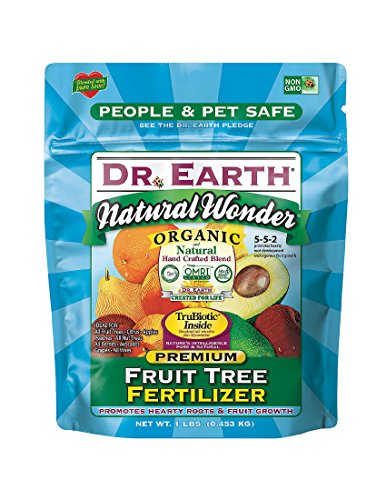
Dr. Earth MINI Natural Wonder Fruit Tree Fertilizer 1 lb

Down To Earth Organic Fruit Tree Fertilizer 6-2-4, 5 lb

Down To Earth Organic Fruit Tree Fertilizer 6-2-4, 15 lb

Farmer’s Secret Citrus Tree Booster Fertilizer 32oz

Espoma Organic Citrus-Tone 5-2-6 Fertilizer 4 lb

Jobe’s Tree Fertilizer Spikes 16-4-4 (15 Count Pack of 2)

FoxFarm Happy Frog Fruit & Flower Fertilizer 4 lb

Jobe’s Organics Granular Garden Fertilizer 4 lbs
A Breakdown Of The Leading Choices
Big backyards with a row of fruit and nut trees drain a small bag fast, and this 20-pound Fertilome covers serious ground without constant reordering. The 19-10-5 ratio (nitrogen-phosphorus-potassium, the three numbers that describe a fertilizer’s primary nutrient balance) leans heavily on nitrogen, which drives leafy canopy and strong shoot extension on established trees. It also adds zinc, an important micronutrient (a nutrient plants need in tiny amounts) that supports pecan tree health and helps prevent rosette, a zinc-deficiency disorder that distorts leaf growth.
Application follows a simple twice-yearly rhythm, usually once in early spring and once in late summer, which keeps the schedule easy to track. Compared to the smaller Dr. Earth option later on this list, this bag handles multiple mature trees without forcing frequent repurchases.
The Helpful Details
- 20-pound bag covers several mature trees, reducing restock frequency over a full feeding season.
- High nitrogen content supports rapid canopy and shoot growth in established backyard orchards.
- Added zinc targets rosette prevention in pecan trees, a common issue in the South and Southwest.
- Granular format spreads easily with a standard spreader around the drip line (the area under the outermost branch reach where water drips off the canopy).
Worth Noting
- Not suited to organic-focused gardens, since the formula relies on synthetic nutrient sources.
- Application rate depends on tree size, so reading the label carefully matters for younger trees.
- The 20-pound bag is heavy to carry and store, especially for small patios or balconies.
At A Glance
Whose Yard It Belongs In
Homeowners with several mature fruit, citrus, or pecan trees who want a single high-nitrogen product that covers the whole orchard in two feedings per year.
Where Another Pick Suits Better
Gardeners committed to fully organic methods will find the Dr. Earth Natural Wonder Fruit Tree Fertilizer a better match for their soil program.
For organic gardeners, the 4-pound Dr. Earth Natural Wonder delivers balanced nutrition without synthetic ingredients, making it a sensible choice for edible landscapes. The 5-5-2 NPK ratio keeps nutrients even, which suits trees that need steady feeding rather than a nitrogen push, including established berries, mature fruit trees, and fruiting vines. The bag covers roughly 60 square feet, enough for a small orchard row or a generous backyard planting.
Unlike the Fertilome pick above, this one skips synthetic nitrogen in favor of an organic blend that feeds soil life alongside the plant. Pet owners and families with small children often appreciate the people-and-pet-safe formulation, which removes the worry of curious noses digging through recently fed soil.
Key Advantages
- People and pet-safe formulation gives peace of mind in family yards and active gardens.
- Balanced 5-5-2 NPK supports steady fruit production without forcing excessive leafy growth.
- Organic composition feeds soil microbes, improving long-term soil structure over repeated seasons.
Honest Caveats
- Smaller bag size means restocking is more frequent for growers with several large trees.
- Organic breakdown relies on soil temperature and microbial activity, so results vary in cool early-spring conditions.
Made For
Organic-minded home orchardists and edible landscape growers who want a safe, balanced feed for a small group of fruit trees, berries, or vines.
Consider Something Else When
You manage a larger orchard and would prefer the 15-pound Down To Earth Organic Fruit Tree Fertilizer for fewer reorders per season.
A single potted lemon on a high-rise balcony, a pair of blueberries flanking a back door, a young fig in a half-whiskey barrel. These small plantings do not need a 20-pound sack, and that is exactly where the 1-pound Dr. Earth MINI earns its place. The formula matches the larger 4-pound Natural Wonder, so you get the same organic, people-and-pet-safe approach in a size that fits a kitchen drawer or a single shelf in the garden shed.
For most first-time growers starting with a single patio tree, this is a low-commitment way to try organic feeding without overspending on a multi-pound bag. Compared to the spikes option later in the list, the granular form gives you finer control over how much each container gets.
The Upside
- Compact 1-pound size suits a single container tree or a couple of small potted fruits.
- Same organic, Non-GMO Project Verified formula as the larger Dr. Earth bag for consistency.
- Granular format lets you measure precisely for small root zones without overfeeding.
Practical Considerations
- Multiple trees or a backyard row will burn through a 1-pound bag quickly, often within a single season.
- Small bag means a higher per-pound cost compared to the 4-pound and 15-pound Down To Earth alternatives.
Who It Suits Best
Patio and balcony gardeners tending one or two container fruit trees who want a small, organic, pet-safe feed without buying more than they need.
Swap It Out When
You start adding more trees or expanding into raised beds, at which point the Dr. Earth Natural Wonder 4 lb or Down To Earth 5 lb makes more sense.
Down To Earth built a reputation in organic gardening circles, and this 5-pound box carries an OMRI listing (Organic Materials Review Institute, which certifies products for use in certified organic production), so it slots into gardens that follow organic protocols. The 6-2-4 ratio gives a moderate nitrogen push for canopy growth, modest phosphorus for blooms and root development, and enough potassium for fruit fill and overall plant resilience. It works on the full range of fruit trees, from apples and pears to peaches, plums, and cherries.
The 5-pound size hits a middle ground between the single-tree MINI bag and the bulk 15-pound version coming up next. For most home orchards with two to four mid-sized trees, this box covers a full feeding year without forcing you to stockpile.
Standout Benefits
- OMRI listed for organic production, fitting cleanly into certified or home organic programs.
- 6-2-4 NPK supports healthy flowering, fruit set, and root development across stone fruits and pome fruits (the botanical family that includes apples and pears).
- Slow-release organic matter improves soil texture and microbial life over repeated applications.
Trade Offs
- Lower nitrogen than the synthetic Fertilome option, so expect a slower visible response in early spring.
- Granular formula benefits from light watering-in (watering after application to help nutrients reach the root zone) for best results, which adds a step to your routine.
Best Suited To
Organic backyard orchardists with two to four fruit trees who want a recognized, OMRI-listed formula that supports long-term soil health alongside fruit production.
Look Elsewhere When
Your orchard has grown past five trees and you want fewer reorders, in which case the Down To Earth Organic Fruit Tree Fertilizer 6-2-4 in the 15-pound size is the better match.
The 15-pound twin to the 5-pound box carries the same trusted 6-2-4 OMRI-listed formula, scaled up for multi-tree orchards. The bigger box reduces how often you reorder across a full growing season, which matters when you are feeding five, ten, or more established trees. Like its smaller sibling, it leans on slow-release organic nutrition, so the soil feeds gradually instead of in one strong push.
For most growers with a real home orchard, the per-pound value of the 15-pound box tends to beat the 5-pound option, even if you have to find a dry spot to stash it. Compared to the Dr. Earth Natural Wonder 4-pound bag, the larger volume and balanced ratio make this the more economical pick for multi-tree programs.
What Makes Sense
- 15-pound size covers a full multi-tree orchard across a complete feeding season with one purchase.
- OMRI-listed organic formula fits growers committed to chemical-free soil management.
- Slow-release nutrients support steady, long-season growth without leaching quickly through the soil.
Points To Keep In Mind
- Bulk box is heavy to move once full and needs a dry storage spot to prevent caking.
- Single 15-pound purchase is more than small orchardists need, so the 5-pound box may suit fewer-tree situations better.
The Right Fit
Backyard orchardists managing five or more established fruit trees who want an OMRI-listed organic feed in a single seasonal purchase.
Reach For A Different Pick When
You only have a couple of trees and want to skip the storage commitment, in which case the smaller Down To Earth 5 lb box is the more practical size.
Citrus trees, including lemons, limes, oranges, and grapefruits, often need more frequent, lighter feedings than deciduous fruit trees, and that is where a liquid concentrate like Farmer’s Secret fits in. You dilute one teaspoon into a gallon of water and apply it along the drip line, which keeps the routine simple even for indoor or container citrus. The 32-ounce bottle stretches across many weeks of treatment, since the dilution rate is small.
Unlike the granular picks earlier on the list, this liquid gives you a faster uptake because the nutrients reach the root zone already dissolved. For most growers keeping a Meyer lemon near a sunny window or a Key lime on the patio, the format makes weekly feeding a quick chore rather than a spreading job.
Real-World Strengths
- Super-concentrated formula means a small bottle lasts across many weekly applications.
- Liquid form delivers faster nutrient uptake compared to granular fertilizers.
- Works equally well for indoor and outdoor container citrus, offering flexibility for small-space gardeners.
Small Caveats
- Weekly application schedule is more frequent than granular or spike options, which adds a chore.
- Formula targets citrus specifically, so it is not a general-purpose fruit tree feed for apples, peaches, or pears.
Who Should Grab It
Container and indoor citrus growers who want a simple, fast-acting liquid feed that fits a weekly routine without the mess of granular spreading.
A Better Fit Elsewhere
You also grow non-citrus fruit trees and would rather buy one general feed for the whole orchard, in which case the Espoma Citrus-Tone handles citrus and other fruits in a single bag.
Citrus-tone has been a go-to for backyard and patio citrus growers for years, and the 5-2-6 ratio delivers a slightly higher potassium level, which supports fruit development, sugar formation, and overall plant resilience. The blend also adds 5 percent calcium, a secondary nutrient (a nutrient plants need in moderate amounts, beyond the main NPK trio) that helps prevent common issues like blossom-end rot and weak cell walls in fruit. It works for citrus, avocados, and nut trees, giving the bag more flexibility than the Farmer’s Secret concentrate earlier on the list.
The Bio-tone additive from Espoma brings beneficial microbes into the soil, which supports nutrient cycling over time. For most home citrus growers who prefer granular feeding over weekly liquid mixing, this bag offers a tidy middle ground between pure citrus specialty and broader fruit tree feeding.
Positive Points
- 5 percent calcium supports stronger fruit cell walls and reduces common citrus deficiencies.
- Bio-tone microbes improve long-term soil health and nutrient availability in the root zone.
- Works on citrus, avocados, and nut trees, covering several Mediterranean-climate fruits in one bag.
Worth Bearing In Mind
- 4-pound bag runs out quickly for growers with several large citrus trees, requiring mid-season repurchase.
- Lower nitrogen than some alternatives, so young trees may need supplemental feeding during their first growing seasons.
Built With In Mind
Backyard citrus, avocado, and nut tree growers who want a calcium-enriched organic granular feed that supports both fruit quality and soil biology.
Skip It When
You mostly grow apples, peaches, or other non-citrus fruits, in which case the broader Down To Earth 6-2-4 formula is a more direct match.
Some gardeners simply do not want to mix, measure, or spread, and that is where Jobe’s spikes shine. The 16-4-4 ratio delivers a strong nitrogen push, and the time-release design feeds steadily through the root zone for an entire season after a single application. You push each spike into the soil around the tree’s drip line, and the formula does the rest without the runoff and smell that come with surface-applied granular feeds.
The pack-of-two format, with 15 spikes per package, gives enough material to feed several trees across one application. Compared to the liquid concentrate earlier, spikes ask for far less attention once inserted, which is a genuine quality-of-life win for busy schedules.
What Works In Its Favor
- Time-release spikes feed continuously through the season after a single insertion, no repeat applications needed.
- No mixing, measuring, or spreader cleanup makes this one of the lowest-effort options on the list.
- Strong 16-4-4 nitrogen ratio supports rapid canopy growth in shrubs and ornamental trees alongside fruit trees.
Soft Spots
- Spike placement matters, and uneven spacing around the drip line can create patchy feeding in the root zone.
- Not a fit for organic-focused gardens, since the formula relies on conventional nutrient sources.
Who Will Love This
Busy homeowners with several landscape trees and a few fruit trees who want one quick seasonal feeding without ongoing measuring or mixing.
Another Choice May Suit
You keep an organic program and prefer granular or liquid feed, in which case the Jobe’s Organics Granular Garden Fertilizer 4 lb fits the same low-effort approach with organic credentials.
Happy Frog stands apart from most fruit tree fertilizers because of its mycorrhizal fungi content. These beneficial fungi form partnerships with tree roots, expanding their reach into the soil and improving water and nutrient uptake. For growers with tired, compacted, or low-organic backyard soil, that biological boost can matter more than a slightly higher NPK number on the bag.
The formula is OMRI listed, so it fits organic programs without compromise, and it works across fruit trees, flowering shrubs, and fruiting vines. Compared to the Dr. Earth Natural Wonder earlier, the Happy Frog blend leans more on soil biology as the delivery mechanism, which is a different but complementary approach to organic fertility.
Real Benefits
- Mycorrhizal fungi build long-term root partnerships that improve nutrient and water uptake season after season.
- OMRI listed for organic gardening programs and certified-organic operations.
- Balanced formula works on fruit trees, berries, and flowering shrubs without buying separate products.
Possible Compromises
- Higher per-pound cost than many basic organic options, which adds up for larger orchards.
- Mycorrhizal benefit builds over time, so new plantings may take a full season to show the strongest response.
Perfect Match For
Soil-focused organic gardeners who want a fertilizer that improves the living quality of their soil while feeding their fruit trees and berries.
Look Elsewhere When
You are feeding a large orchard and care more about bulk value than biological additives, in which case the Down To Earth Organic Fruit Tree Fertilizer 15 lb is a more economical organic option.
New fruit tree planters often want a simple, forgiving product that does not require deep knowledge of NPK ratios, and this Jobe’s Organics granular bag fills that role well. The OMRI-listed organic formula is safe around kids and pets, which removes a layer of worry for first-time tree owners still learning feeding schedules. The 4-pound size is approachable for a single young tree or a small starter orchard, without the storage commitment of a 15-pound box.
Granular format means you scatter and water in, with no mixing or measuring spoons. For most beginners who would rather not fuss with liquids or spikes, this bag keeps the learning curve short while still delivering an organic feeding program.
A Few Highlights
- Beginner-friendly granular format with no mixing or special equipment required.
- OMRI listed organic composition fits chemical-free gardening goals from day one.
- People and pet safe formulation reduces concern in family yards and active outdoor spaces.
Where It Is Less Suited
- 4-pound bag runs short for anyone feeding more than a couple of mature trees across a full season.
- Generic fruit and nut blend lacks the specific zinc or calcium additions of the Fertilome or Espoma options.
Who It Suits Best
First-time fruit tree planters who want a forgiving organic granular feed that covers the basics without requiring deep soil science knowledge.
Not Your Match When
You want a formula designed specifically around citrus or pecan nutrition, in which case the Espoma Citrus-Tone 4 lb is a more targeted choice.
What To Weigh Before Choosing A Fruit Tree Fertilizer
Reading The NPK Label
The three numbers on any fertilizer bag stand for nitrogen, phosphorus, and potassium, and each one plays a distinct role in tree health. Nitrogen drives leafy canopy and shoot extension, phosphorus supports root development and flower formation, and potassium regulates water movement, fruit fill, and overall resilience. A young tree establishing roots often benefits from a balanced or phosphorus-leaning formula, while a mature, fruiting tree usually needs more nitrogen for sustained annual growth and a steady potassium supply for fruit quality. Match the ratio to the tree’s stage and fruiting goal, rather than grabbing the highest nitrogen option on the shelf.
Format Fits Your Routine
Granular, spike, and liquid formats each suit different lifestyles. Granular feeds are the most common and tend to be the most economical for multi-tree orchards. Spikes are the lowest-effort option, ideal for anyone who wants a single seasonal insertion instead of repeated spreading. Liquid concentrates feed fastest but require regular mixing and application. The right format is the one you will actually use on schedule, since consistency matters more than the perfect formula applied inconsistently.
Organic Versus Synthetic Considerations
Organic fertilizers feed the soil alongside the plant, building microbial life and improving structure over multiple seasons, though they tend to act more slowly. Synthetic fertilizers deliver nutrients in a more directly available form, which shows results faster but does less for long-term soil biology. The honest read is that both approaches work, and the choice often comes down to gardening philosophy, family and pet safety priorities, and any organic certification goals for the property.
Tree Type And Local Climate
Citrus, stone fruits, pome fruits, and nut trees all have slightly different nutritional leanings, and matching the formula to the tree type prevents the most common feeding mistakes. Local climate also matters, since cool spring soils slow organic nutrient release, while hot, sandy soils may leach nitrogen faster. A quick soil test (a lab analysis that measures your soil’s pH and nutrient levels) every couple of years removes the guesswork and lets you feed based on what your soil actually lacks.
Key Considerations Across These Picks
Where Shoppers Go Wrong
The most common mistake is reaching for the highest-nitrogen bag on the shelf without checking what the tree actually needs, which can push excessive leafy growth at the expense of fruit production. Overfeeding in a single dose is another slip-up, since nutrients can burn roots and leach into groundwater before the tree uses them. Reading the label for the correct application rate by tree size, splitting the annual feeding into two or more applications, and watering the product in lightly all help avoid these traps. A soil test every two to three years is the most reliable way to know what your orchard truly needs.
When Paying More Pays Off
Premium fruit tree fertilizers cost more because they include secondary nutrients like calcium, zinc, or biological additives such as mycorrhizal fungi, and those extras matter in specific situations. If your soil is depleted, sandy, or has supported fruit trees for many years without amendment, the upgrade to a formula with calcium or microbial support often pays off in stronger fruit and better long-term soil health. For a single backyard tree in reasonable soil, a basic balanced formula is usually enough, and the premium tier earns its place mostly in tired, deficient, or high-value orchards.
Frequently Asked Questions
How Often Should Fruit Trees Be Fertilized?
Most established fruit trees benefit from two feedings per year, once in early spring as growth resumes and once in late summer or early fall to support root reserves. Young trees in their first two seasons may need lighter, more frequent applications to support active growth without overwhelming the young root system. Always check the product label for tree-size-specific rates, since overfeeding young trees is a common mistake.
Can One Fertilizer Work For All Fruit Tree Types?
A balanced fruit tree formula like a 6-2-4 or 5-5-2 works reasonably well across apples, peaches, pears, cherries, and plums in most home orchards. Citrus and avocados have slightly different needs, including extra calcium and a higher potassium ratio, which is why citrus-specific blends exist. For most mixed backyard plantings, a general fruit tree fertilizer is a sensible starting point, and specialized formulas become valuable as your collection grows more diverse.
Is Organic Fertilizer Better Than Synthetic For Fruit Trees?
Neither is universally better, and the honest answer depends on your soil, your gardening philosophy, and how quickly you want to see results. Organic options feed soil biology alongside the tree and tend to release nutrients more slowly, which suits long-term soil building. Synthetic options deliver nutrients in a more immediately available form, which can show faster green-up and growth in the short term. Many experienced growers use a combination approach based on what their soil actually needs.
What Does The NPK Ratio On The Bag Mean?
NPK stands for nitrogen (N), phosphorus (P), and potassium (K), the three primary nutrients plants need in the largest amounts. A 19-10-5 bag, for example, contains 19 percent nitrogen, 10 percent phosphorus, and 5 percent potassium by weight, with the remainder made up of carrier materials and any secondary nutrients. The ratio tells you the balance, not the total amount of food, so a small bag with a 5-5-2 ratio can feed the same square footage as a large bag with a weaker analysis.
When Is The Best Time To Start Fertilizing A New Fruit Tree?
Newly planted fruit trees benefit from a light first feeding about a month after planting, once the roots have begun to establish in their new soil. Avoid heavy feeding at planting time, since concentrated nutrients in direct contact with tender young roots can cause burn. A gentle starter feeding followed by the regular spring and late-summer schedule works well through the first full year in the ground.
Wrap Up
A healthy fruit tree starts with steady, well-matched nutrition, and the right fertilizer depends on your tree type, your soil, and how much routine you want to take on. Pick the format that fits your schedule, match the NPK to your tree’s stage and fruiting goal, and lean on organic blends when long-term soil health matters most. Your trees will do the rest, season after season.
