

Turning a patch of packed dirt into a workable bed is the kind of job that decides what your whole growing season looks like. Gas tiller cultivators cover a wide range of ground, from quick weed control between rows to breaking new ground for a fresh plot. This roundup sorts through ten options built for different yard sizes, soil types, and muscle preferences, so the right machine ends up matched to the right patch of earth.
A Closer Look At The Lineup

Earthquake 20015 Versa 2-in-1 Tiller Cultivator with 99cc 4-Cycle Viper Engine

SENIX 4QL 4-Cycle Gas Tiller Cultivator 46cc 15-Inch Width

VEVOR 43CC 2-Stroke Gas Tiller Cultivator with Adjustable Steel Tines

Earthquake MC43 43cc 2-Cycle Viper Cultivator with Adjustable Width

OFISPEED Cordless Tiller Cultivator 12-Inch Width 2×4.0Ah Batteries

BILT HARD 46cc 4-Cycle Tiller Cultivator 16-Inch Steel Tines
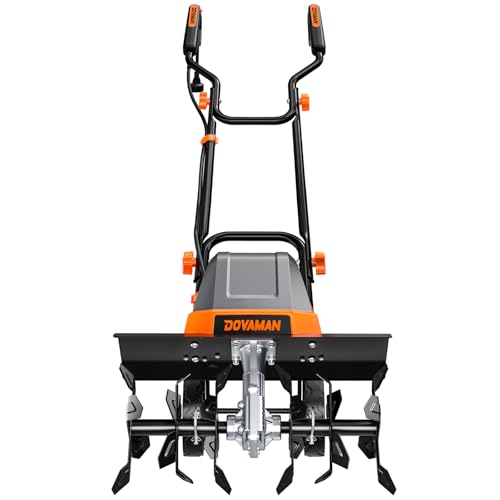
DOVAMAN 18-Inch Electric Tiller 15-Amp Corded Rototiller

DEGGE 21V Cordless Tiller Cultivator 2×3.0Ah Batteries

MiaEpic Cordless Tiller Cultivator 360 RPM 48 Steel Tines
Prowoo 72CC 2-Stroke Gas Tiller Cultivator 3-Gear Handle
Taking A Closer Look At The Options
The Earthquake 20015 Versa earns the top spot for a simple reason: it switches between tilling new ground and cultivating established rows without swapping machines. The 99cc four-cycle Viper engine is what a homeowner with a mid-size yard actually needs, big enough to break spring soil but light enough to wrestle between tomato cages. Front tine tillers, where the blades sit ahead of the wheels, work well for open plots because you can see exactly where the steel is going.
For most suburban lots, the removable side shields and outer tines solve the daily irritation of accidentally grinding nearby plants. If you’ve been fighting a half-tilled patch every weekend, the two-in-one design here means you set the machine wide for bed prep, then narrow it for cleanup passes later in the season.
What Stands Out
- Two-in-one design covers both fresh bed prep and routine row maintenance
- 99cc Viper engine delivers real torque without needing a gas-oil mix
- Removable outer tines and side shields protect adjacent plants during close passes
- Front tine layout gives clear sightlines to the cutting path
- Wide enough to cover a raised bed in a few passes
Worth Noting
- Heavier than compact cultivators, so storage takes some planning in a small shed
- Four-cycle engines require occasional oil checks rather than the simpler top-up of two-strokes
Made For
Homeowners with mid-size yards who want one machine to handle both spring bed prep and summer row work without renting anything.
Skip It When
The SENIX 4QL is a friendlier fit for someone with limited storage and a smaller raised bed project, where lighter weight matters more than raw tilling width.
The SENIX 4QL is built for people who want gas power without the gas-oil mixing ritual. Its 46cc full crank engine runs cleaner than typical two-strokes, and the 4QL system means straight gasoline goes in the tank. A full crank engine, where the crankshaft runs the full length of the unit rather than being offset, generally produces less vibration at the handles, which matters over a full Saturday of work.
Fifteen inches of tilling width covers a standard raised bed in just a handful of passes, and the 8-inch depth handles compost incorporation for most home gardens. For most people using it weekly, the foldable handles are the quiet win: the machine tucks into a garage corner instead of demanding wall space.
What Works In Its Favor
- No fuel mixing means fewer mistakes for first-time gas tiller owners
- Foldable handles shrink the footprint for apartment garages and small sheds
- Full crank design keeps handle vibration lower than typical two-strokes
- 15-inch width covers a raised bed efficiently
Trade Offs
- 46cc has less grunt than the Earthquake 20015’s 99cc in compacted clay
- Four-stroke oil level deserves a quick check every few uses
Key Product Details
Right Fit For
New gas tiller owners with small to mid-size raised beds who want easy storage and minimal fuel fuss.
Look Elsewhere When
The Earthquake 20015 Versa is a smarter match for breaking new ground on a larger plot, where extra engine power matters more than foldable handles.
The VEVOR 43CC is the kind of small tiller that solves a real problem: prepping a single bed without dragging out full-size equipment. At roughly 31 pounds, it carries easily from the garage to the back forty, and the aluminum housing keeps rust from becoming a long-term headache. Two-stroke engines trade a fuel mix for a lighter overall build, which is exactly the trade-off small-plot gardeners usually want.
Four steel tines sit up front where you can see them, and they adjust to a narrower profile for working between established plants. For gardeners managing a kitchen garden or flower bed that needs reworking every spring, the 11.8-inch max width hits a practical sweet spot.
A Few Highlights
- Lightweight aluminum housing resists rust over multiple seasons
- Four adjustable front tines let you match width to row spacing
- Nylon wheels roll smoothly across soft, freshly turned soil
- Compact enough to carry one-handed to the far end of a yard
Soft Spots
- Two-stroke fuel mix is an extra step compared to the SENIX 4QL
- Lower torque than 99cc-class tillers, so rocky or never-tilled ground may stall it
Whose Garden It Belongs In
Small-plot gardeners working flower beds and kitchen gardens who need a tiller light enough to move around the yard without a wheelbarrow.
Swap It Out When
The Earthquake MC43 is worth considering for similar-size plots when you prefer overhand controls and forward-reverse maneuverability around established plants.
Where the VEVOR leans on compact dimensions, the Earthquake MC43 leans on control. The overhand handlebar setup, a bike-style grip layout that keeps the operator’s hands above the tines, makes a meaningful difference when working between established rows. You pull back to feather the tines out of a tight spot, then push forward again. That kind of micro-adjustment is the difference between a clean bed and a chopped plant.
Width adjusts from 6 to 10 inches, which means the same machine handles a tight herb row and a wider prep pass. A 43cc two-cycle Viper engine is the smaller sibling to the 99cc in the Earthquake 20015, and bronze gear drive internals suggest the kind of durability that pays off over many seasons of seasonal use.
What Helps Most
- Overhand handlebars let you work both forward and backward without repositioning
- Adjustable 6 to 10 inch width adapts to row spacing
- Bronze gear drive is a spec typically seen in pricier machines
- Light enough to carry between beds
Small Caveats
- Two-stroke fuel mixing adds a step at every fill-up
- 8-inch max depth is shallower than some 4-cycle competitors
Best Suited To
Gardeners maintaining established beds mid-season who need precise control around perennials and vegetables already in the ground.
Reach For A Different Pick When
The Earthquake 20015 Versa is a stronger choice for breaking new ground, where front tine tillers with more power are a better tool than a precision cultivator.
Battery-powered tillers have come a long way, and the OFISPEED shows how far. Two 4.0Ah batteries ship in the box, which removes the single biggest frustration with cordless yard tools. Pop a fresh pack in when the first runs low, and the job keeps moving. The 2 to 3 hour charge time means a weekend project stays on schedule even after a full day’s use.
For gardeners in noise-restricted neighborhoods or anyone who just doesn’t want to wrestle a pull cord, the cordless approach is a real lifestyle upgrade. In a typical 40-minute session, depending on soil, you can refresh a small bed without ever mixing fuel.
What Makes Sense
- Two batteries included means no mid-job charging pause
- No gas, no oil, no pull cord start
- 12-inch width suits narrow raised beds
- Quiet enough for early-morning use in shared spaces
Things To Consider
- Battery power can’t match the Earthquake 20015 in unbroken sod
- Replacement batteries are an extra cost if the originals eventually wear out
Quick Facts
Who Should Grab It
Suburban gardeners with smaller beds who value quiet operation and zero fuel mixing over raw tilling torque.
A Better Fit Elsewhere
The SENIX 4QL is a better match if you need gas power for slightly larger plots but still want a no-mix fuel system and a 4-cycle engine.
The BILT HARD 46cc is the tiller to look at when “small garden” stops being accurate. Sixteen inches of tilling width from heavy-duty steel tines means a serious vegetable plot gets prepped in a fraction of the passes a narrower tiller would need. The 4-cycle engine runs on straight gas, no oil mixing, and the cushioned handle grips make a long session tolerable.
Adjustable wheels are the practical detail here. You set the working depth and the machine stays at it, instead of diving too deep and skipping over the soil. For gardeners managing 1,000 square feet or more, that kind of control saves real time.
Where It Delivers
- 16-inch tilling width handles large plots efficiently
- 4-cycle engine keeps the fuel system simple and clean
- Heavy-duty steel tines stand up to compacted soil
- Adjustable wheels let you dial in working depth
Honest Caveats
- Bulkier than the SENIX 4QL for tight storage spaces
- 46cc may feel underpowered in very rocky, never-tilled ground
Product Snapshot
Perfect Match For
Vegetable gardeners with substantial plots who need a wider cut and reliable 4-cycle power without stepping up to a full rear-tine machine.
Consider Something Else When
The Earthquake 20015 Versa is the stronger call for those who also want a true 2-in-1 design, where the same engine shifts between tilling and cultivating modes.
The DOVAMAN tiller is the rare corded electric that competes with small gas machines on width. An 18-inch tilling path covers ground faster than most 4-cycle tillers in this roundup, and a 15-amp motor delivers consistent torque without the rev-dropping a smaller engine sometimes shows in dense soil. For yards with an outdoor outlet within reasonable cord distance, the math works out well.
Up to 9 inches of tilling depth reaches into the layer where root vegetables and deep-rooted flowers actually live. The honest trade-off is the cord itself: you stay tethered to the nearest outlet, which makes far corners of a large lot awkward. For a flat, suburban yard, though, the trade is often worth it for the instant push-button start.
The Case For It
- 18-inch width is the widest path in this roundup
- 15-amp motor runs without fuel or oil changes
- 9-inch depth reaches into root vegetable territory
- Push-button start removes pull-cord frustration
Practical Considerations
- Cord limits reach to the length of an outdoor extension cord
- Less portable than the OFISPEED cordless for far-flung beds
Feature Snapshot
Who Will Love This
Suburban gardeners with a flat yard and an accessible outdoor outlet who want wide electric power without battery runtime limits.
Not Your Match When
The DEGGE 21V cordless is a smarter call for raised beds far from any outlet, where portability matters more than maximum tilling width.
The DEGGE 21V trades raw power for accessibility. It’s the kind of tiller that gets handed to a parent or a weekend gardener who doesn’t want to wrestle a heavier machine. Assembly reportedly takes just minutes, no tools required, which means the box-to-bed time is short. For seniors, beginners, or anyone managing strength limitations, that low barrier matters more than peak tilling specs.
Two 3.0Ah batteries come in the box, and the unit fits comfortably in tight spaces where bigger tillers can’t maneuver. The honest read is that this is a cultivator in spirit, not a ground-breaking machine. Treat it accordingly, and it does what it claims.
Good Reasons To Consider
- Tool-free assembly gets you working fast
- Lightweight build is easy to lift and maneuver
- Reaches spots a full-size tiller simply can’t
- Two batteries included for back-to-back sessions
Less Ideal Details
- Not built for breaking new ground or compacted soil
- Smaller batteries mean shorter runtime per charge than the OFISPEED’s 4.0Ah packs
Built With In Mind
Seniors, beginners, and gardeners with raised beds who want a no-fuss cultivator for light, frequent maintenance.
Where A Sibling Pick Shines
The MiaEpic 360 RPM is worth a look for those who want a similar cordless approach but with more tines and a slightly higher rev rate for denser soil.
The MiaEpic stands out in the cordless category by leaning into tine count. Forty-eight steel tines across the working head break up soil into a finer tilth than four-tine tillers typically manage, and 360 RPM keeps the action steady. Two 4.0Ah batteries match the OFISPEED’s runtime strategy, so a hot swap keeps the job moving.
Nine inches of width and seven inches of depth position this as a raised-bed specialist, not a full-yard workhorse. For gardeners who tend a handful of beds in rotation, the cordless convenience and the fine-tilling action together make a strong case.
Real Benefits
- 48 tines create a finer, more uniform soil texture
- 360 RPM keeps the cutting action consistent
- Dual 4.0Ah batteries extend usable session time
- Lightweight enough to lift onto a raised bed edge
Points To Note
- 9-inch width means more passes on wide plots
- Not designed for breaking new ground or sod
The Right Fit
Raised bed gardeners who cultivate frequently and value a fine, even soil texture over a wide cutting path.
Where Another Pick Suits Better
The DOVAMAN corded electric is a better fit for larger, flat lawns where maximum tilling width and depth matter more than portability.
The Prowoo 72CC is the brute of the roundup. A 72cc two-stroke engine and 7500 RPM output give it the muscle to chew through soil that would stall a 43cc cultivator. The 3-gear adjustable handle is a thoughtful touch: you set the working height to match your stature, which keeps the back from protesting during a long session.
Ten inches of width and 5 inches of depth position this as a focused, mid-depth machine rather than a wide pass tiller. The trade is straightforward: more power in a smaller footprint, built for compacted clay, root-heavy patches, and other conditions where smaller tillers simply don’t have the torque.
The Helpful Details
- 72cc two-stroke engine handles compacted and clay-heavy soil
- 3-gear adjustable handle matches the operator’s height
- 7500 RPM delivers aggressive cutting action
- Compact 10-inch width fits into tighter rows
Where It Is Less Suited
- Two-stroke fuel mix is an extra step at every fill-up
- 5-inch depth is shallower than wider, slower tillers in this roundup
Made For
Gardeners breaking into compacted clay or reclaiming neglected patches where smaller cultivators stall out and don’t have the muscle to finish the job.
Another Choice May Suit
The Earthquake 20015 Versa is a more balanced pick for yards with mixed soil, where 2-in-1 versatility and removable side shields matter as much as raw torque.
What To Weigh Before Choosing Your Tiller
Engine type shapes daily ownership more than peak power does. Four-cycle engines run on straight gas and generally need only a periodic oil check, while two-strokes require a fuel-oil mix every time you fill up but weigh less and deliver higher RPM in a smaller package. Tilling width matters for open plots, but adjustable width and removable outer tines matter more for tight rows and existing plants.
Tilling depth is the spec that determines whether compost actually integrates into the root zone or just sits on the surface. Eight inches is a common practical maximum for home machines, while 5 to 7 inches suits shallow cultivation between established plants. Storage footprint often decides the final pick: a foldable handle can mean the difference between a tiller that lives in the garage and one that gets left outside to weather.
Cordless tillers bring genuine convenience for small beds and noise-sensitive neighborhoods, but battery runtime caps session length and replacement packs add long-term cost. Gas remains the right call for breaking new ground, compacted clay, or any job lasting more than a battery cycle.
Key Considerations Across These Picks
Pitfalls Shoppers Hit
The most common mistake is matching tiller size to the yard’s square footage rather than to the soil’s condition. A wide 16-inch tiller sounds great until it stalls in the first foot of clay, at which point a smaller, higher-torque cultivator would have done the job faster. Check engine displacement (measured in cubic centimeters or cc) and width together: more cc and less width often beats the reverse in tough ground.
Where The Extra Money Goes
Higher-tier models in this category tend to spend the money on bronze gear drives, removable side shields, and 2-in-1 tiller-cultivator flexibility rather than on raw power. Those features pay off in longevity and daily usability. The Earthquake 20015 Versa is the clearest example, trading a spec-sheet horsepower war for genuine day-to-day versatility across spring prep, summer maintenance, and fall cleanup.
Frequently Asked Questions
How Do I Choose Between A 2-Cycle And A 4-Cycle Tiller?
Two-cycle engines weigh less and rev higher, which helps in compacted soil, but they require a gas-oil mix. Four-cycle engines run on straight gas and need only periodic oil checks, making them simpler for first-time owners.
What Tilling Width Do I Need For A Small Raised Bed?
Most standard raised beds are 3 to 4 feet wide, so a 9 to 12 inch tiller covers the bed in several neat passes. Wider tillers become harder to maneuver in those spaces.
How Deep Should A Home Garden Tiller Reach?
For annual vegetable beds, 8 inches of depth lets compost integrate into the active root zone. For cultivation between existing plants, 5 to 7 inches is usually enough and reduces root damage.
Are Cordless Tillers Strong Enough For Real Garden Work?
For maintained beds, yes. Two 4.0Ah battery packs handle 30 to 40 minute sessions before needing a swap, which covers most home garden projects. For breaking new ground, gas still wins.
What Maintenance Does A Gas Tiller Need?
A four-stroke tiller needs an oil check every few uses and an annual air filter inspection. Two-strokes need fuel mixed correctly every fill-up, and the spark plug deserves a check once per season. Tines benefit from a wire brush after heavy use to prevent rust.
Bottom Line
The right tiller depends on soil, plot size, and how much fuel mixing you’re willing to do. The Earthquake 20015 Versa is the most flexible option for mixed conditions, the SENIX 4QL is a clean entry point for first-time gas owners, and the OFISPEED cordless covers the small-bed crowd. Match the engine and width to the patch you actually tend, and the rest of the season takes care of itself.
