

Roses bite back. One afternoon of deadheading without proper hand protection leaves you picking tiny splinters out of your fingers for a week, and the deeper cuts from climbers or wild brambles can actually draw blood. The right pair of gauntlet-style gloves turns a painful Saturday into a satisfying one, letting you reach into the thicket without flinching every time a cane snaps back. This list rounds up ten options worth your attention, from heavy leather gauntlets built for old rose hedges to lighter nitrile-coated pairs for everyday border work.
A Fast Comparison Of The Options

Pleneal Gardening Gloves for Women

AOUCHI Leather Work Gloves

ArtAK Rose Pruning Long Gardening Gloves

Gastody Long Sleeve Gardening Gloves
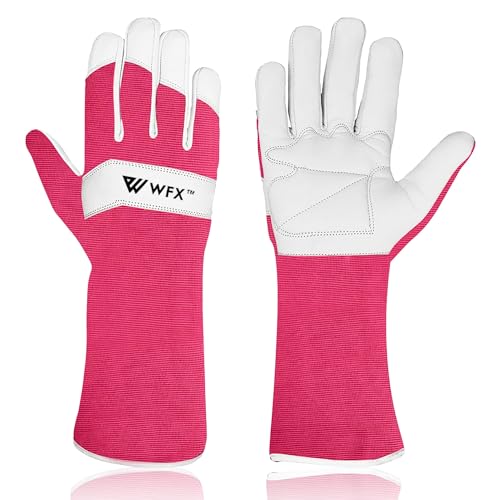
WFX Long Gardening Gloves Goatskin

COOLJOB Thorn Proof Gardening Gloves

DIGZ Rose Picker Garden Gloves

Ruibo Rose Pruning Gardening Gloves
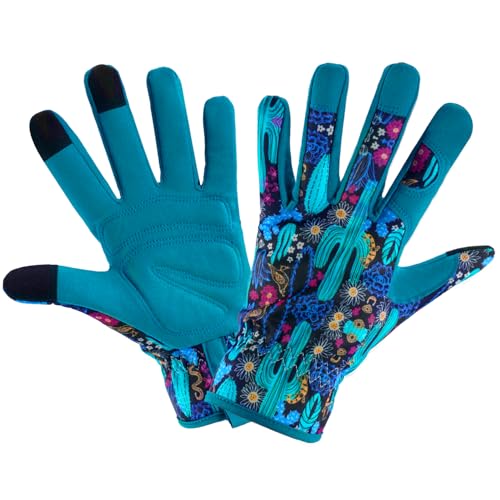
IYICLOTH Touchscreen Gardening Gloves

luvaswel Cowhide Thorn Proof Gloves
A Closer Look At Each Pick
The Pleneal Gardening Gloves for Women land in a comfortable middle ground that suits someone new to rose care. They sit in the protective gear category without feeling industrial, so a first-time rose planter won’t feel over-equipped for light deadheading and trimming.
Compared to the heavier AOUCHI leather work gloves, these trade ruggedness for agility. You get the dexterity to grip pruners and tie in new growth without the glove fighting back, though you should still approach thick climbers with caution.
The Practical Payoff
- Flexible enough to handle small pruners and delicate work
- Light enough for longer sessions without hand fatigue
- Approachable fit for gardeners just starting out
Things To Consider
- Likely not thick enough for fully mature, woody rose canes
- Probably needs replacing sooner than full-leather options
Who It Suits Best
New rose growers working a small bed of manageable shrub roses.
Where Another Pick Suits Better
Heavier landscaping or thorny climbing rose work calls for the ArtAK Rose Pruning Long Gardening Gloves instead.
These cowhide work gloves from AOUCHI are built for the gardener who treats the yard like a workshop. Double stitching and a thick leather shell mean they shrug off sparks, rubble, and thorns without complaint.
They cross over easily from rose bed to welding bench, which suits a property owner who doesn’t want a different glove for every chore. The catch is bulk: fine pruning tasks feel a little clumsy compared to a slimmer pair like the Gastody Long Sleeve Gardening Gloves.
A Favorable Mix
- Thick cowhide that handles thorns, rough wood, and sparks
- Versatile across gardening, ranching, and shop work
- Sturdy construction for the price point
Worth Noting
- Less finger dexterity for detail pruning
- Heavier feel may tire hands during long sessions
- Limited breathability in summer heat
Key Specs
Made For
Property owners who need one glove for rose beds, firewood, and workshop projects.
Not Your Match When
Long sessions of fine deadheading feel better in the lighter Pleneal Gardening Gloves for Women.
The ArtAK gauntlets are the kind of glove you reach for when the rose hedge has been ignored since last summer. Goat skin leather, which tends to be both soft and puncture resistant, wraps the hand while extended cowhide suede cuffs climb well past the wrist to guard the forearm.
That long cuff is the real differentiator against shorter pairs like the COOLJOB Thorn Proof Gardening Gloves. Reaching into a thicket of climbing roses without exposing your inner arm changes the whole experience.
Positive Points
- Goat skin palm resists punctures from thorns and sharp twigs
- Extended suede cuff shields forearms during deep reach-ins
- Soft enough leather to break in comfortably
- Works beyond roses on cactus, barberry, and brambles
Honest Caveats
- Leather requires some care to avoid drying and cracking
- Not the coolest option for midsummer pruning
Best Suited To
Anyone restoring an overgrown rose bed or tending established climbers with serious thorns.
Look Elsewhere When
Hot, humid climates and long sessions point you toward the breathable Gastody Long Sleeve Gardening Gloves.
The Gastody pair is the answer for gardeners who want arm coverage but cannot stomach heavy leather in July. A polyester back lets air move through, while nitrile-coated palms and fingers grip pruners and slick stems without slipping.
You give up some puncture resistance compared to goat skin, but you gain comfort for longer sessions. Think of these as the cross-trainer compared to the ArtAK’s hiking boot: less armored, far easier to wear all afternoon.
Real Benefits
- Breathable back keeps hands cooler in warm weather
- Nitrile palms grip tools and wet stems
- Stretchy cuff adapts to different arm sizes
- Lightweight enough for extended border clearing
Points To Keep In Mind
- Not a true thorn-proof gauntlet for the roughest climbers
- Long-term durability may trail heavier leather options
Perfect Match For
Warm-climate gardeners who prune frequently and want arm coverage without overheating.
A Better Fit Elsewhere
Deep wild-rose thickets deserve the full leather protection of the ArtAK Rose Pruning Long Gardening Gloves.
The WFX goatskin gauntlet covers the same forearm territory as the ArtAK but in a simpler, no-frills build. Goatskin handles puncture duty, and the long cuff keeps rose canes off your inner arm.
It is a straightforward workhorse rather than a feature-packed showpiece. The honest read: solid protection without the extras.
Noteworthy Benefits
- Goatskin palm for thorn and scratch resistance
- Long forearm cuff for deep reach work
- Comfortable fit across gardening sessions
Trade Offs
- Fewer ergonomic touches than premium gauntlets
- Sizing can run slightly generous for some hands
- Limited breathability in hot midday sun
Who Should Grab It
Gardeners who want reliable thorn protection without paying for extras they won’t use.
Skip It When
You want touchscreen convenience built in; the IYICLOTH Touchscreen Gardening Gloves are a smarter fit.
COOLJOB’s thorn proof pair takes a different materials approach. The palm uses synthetic suede, sometimes called faux suede, a man-made fabric with a soft brushed texture, chosen for puncture resistance against rose, blackberry, and pyracantha thorns.
Synthetic construction means a more consistent fit and an easier price point than full leather. You trade some of the long-term patina of goat skin for a glove that cleans up quickly after a berry-picking session.
What It Does Well
- Stops thorns from rose, bramble, and pyracantha bushes
- Synthetic suede wipes clean after muddy work
- Often a more approachable price than full leather gauntlets
- Comfortable enough for fruit picking as well as pruning
Where It May Fall Short
- Won’t outlast premium goat or cowhide
- Less breathable than nitrile-coated fabric options
Feature Snapshot
Built With In Mind
Backyard gardeners managing mixed beds of roses and fruiting brambles.
Swap It Out When
You want a fully natural leather feel; the luvaswel Cowhide Thorn Proof Gloves deliver that classic material.
DIGZ builds the Rose Picker glove for gardeners who prefer vegan materials. Vegan leather, a synthetic alternative to animal hide, wraps the palm and cuff, balancing protection with a plant-based construction. Sold in a pack of two, so you always have a backup drying on the porch.
The trade-off is durability against the nastiest climbers, where real goat skin still leads. For routine shrub roses and everyday trimming, the pair holds its own and feels easier on the conscience.
The Upside
- Vegan leather construction for plant-based preferences
- Two-pair pack means a spare is always ready
- Flexible enough for shaping and light pruning
- Covers wrists and lower forearms
Potential Drawbacks
- Won’t match the puncture life of premium goat skin
- Limited to a Medium size in this listing
The Right Fit
Vegans, vegetarians, and anyone avoiding animal leather who tends a manageable rose bed.
Reach For A Different Pick When
You face the deepest wild rose brambles; the ArtAK Rose Pruning Long Gardening Gloves handle those with ease.
Ruibo’s long cuff glove is purpose-built for rose pruning. The extended sleeve climbs high enough to protect against the scratches you usually only notice in the shower after a long session.
It plays in the same space as the ArtAK gauntlet, with similar forearm coverage. The difference comes down to fit and finish, where Ruibo aims for a more tailored feel along the arm.
A Strong Showing
- High cuff protects against climbing rose scratches
- Puncture resistant palm for thorny work
- Slim profile keeps hand movements precise
- Designed with rose gardeners specifically in mind
A Few Limitations
- Leather care required to keep it supple over time
- Arm length may be too much for short border work
Key Product Details
Whose Shelf It Belongs On
Rose enthusiasts who regularly train climbing varieties up trellises and arches.
Consider Something Else When
You want a more breathable, warm-weather build; the Gastody Long Sleeve Gardening Gloves fit that brief.
The IYICLOTH pair addresses a small but real annoyance: pulling off a glove every time the phone buzzes. Touchscreen-compatible fingertips mean you can snap a photo of an ailing stem or check a planting calendar without breaking stride.
The printed thorn-proof design leans toward lighter gardening tasks. For serious climber pruning, you’ll want a heavier leather option, but for everyday bed work, the convenience is genuinely useful.
Notable Upsides
- Touchscreen fingertips for phone and tablet use
- Printed thorn-resistant palm for everyday tasks
- Easy on and off for quick garden visits
Room For Improvement
- Not designed for the deepest, woodiest rose canes
- Sizing options may need checking before committing
- Less arm coverage than gauntlet-style picks
Who Will Love This
Phone-dependent gardeners who consult apps and snap frequent progress photos.
Another Choice May Suit
Tackling tall climbers calls for the longer forearm coverage of the Ruibo Rose Pruning Gardening Gloves.
The luvaswel pair wraps genuine cowhide around both palm and forearm for gardeners who deal with the prickliest plants. Cowhide tends to be thicker and more abrasion resistant than goat skin, which matters when you’re wrestling cactus or wild rose tangles.
Breathable construction is the surprise here, attempting to soften the usual heat penalty of full leather. Owners commonly find that conditioning the leather periodically keeps it from stiffening over multiple seasons.
Where It Delivers
- Full cowhide coverage for serious thorn and cactus work
- Breathable design helps in warmer weather
- Long-lasting material for multi-season use
- Soft enough to remain flexible for shaping cuts
Things To Weigh
- Heavier than goat skin or synthetic alternatives
- Needs occasional leather conditioning
- Available size run may be limited
Technical Highlights
Right Fit For
Desert gardeners and anyone battling thick, woody rose thickets or spiny succulents.
Where A Sibling Pick Shines
If fingertip dexterity matters more than armor, the lighter Pleneal Gardening Gloves for Women serve a typical border better.
What To Weigh Before Choosing Your Pair
A rose glove is a protective tool, so fit and material matter more than brand colors. Goat skin and cowhide lead on puncture resistance, but they run warmer and need occasional conditioning. Synthetic suede and vegan leather clean up easily and cost less, though they typically wear out a season or two sooner. The cuff length, from short wrist coverage to elbow-grazing gauntlets, decides how deep you can reach into a thicket.
Match the glove to the plant. A tidy bed of floribunda roses only needs wrist-length protection, while a wall of climbing roses demands a forearm-length cuff. Climate also plays a role: humid summers favor breathable nitrile-coated fabric over thick leather, and gardeners in cooler zones can wear heavier hides without overheating.
Dexterity rounds out the decision. A glove that fights your fingers when operating secateurs costs you time and clean cuts. Try to simulate the grip you’ll need before committing, since most rose work involves both reaching and precise cutting motions.
Mistakes Worth Dodging Before You Click
Skipping The Cuff Check
Many shoppers focus on palm material and forget the cuff. A short wrist-length glove offers almost nothing against a climbing rose, and you’ll end up wrapping your arm in a towel. Measure how deep you actually reach into your thicket before choosing cuff height.
Trusting Looks Over Leather Grade
A glove can appear thick and still be made from a thin, poorly tanned hide. Real goat or cow skin has a distinctive grain and slight flexibility even when new. Cheaper synthetics often look fine in photos but split at the seams within a season.
The Case For Spending Up
Where The Extra Money Goes
Higher-tier rose gloves invest in better-tanned leather, reinforced stitching, and longer cuffs. The result is a glove that absorbs abuse across multiple seasons rather than one that frays at the thumb after a year. For gardeners with established rose collections, the math usually works out: fewer replacements and fewer scratched arms.
When Paying More Pays Off
Spend more when you regularly face established climbers, wild rose hedges, or mixed plantings with cactus and brambles. Casual deadheading on a small shrub rose doesn’t demand the same investment, and a lighter pair will serve you well.
Frequently Asked Questions
How Long Should Rose Gardening Gloves Last?
With regular use, a well-made leather gauntlet can last several seasons if cleaned and conditioned occasionally. Synthetic pairs tend to wear out within one to two seasons of heavy work.
Can I Use Regular Gardening Gloves For Roses?
Lightweight cloth or nitrile gloves handle deadheading on small shrub roses, but they won’t stop thorns from climbers or wild varieties. A thorn-specific glove pays off the first time you reach deep into a thicket.
What Is The Best Material For Thorn Proof Gloves?
Goat skin and cowhide are widely considered the most puncture resistant natural options. Synthetic suede performs well for the price, while nitrile-coated fabric suits lighter tasks without serious thorns.
Do Long Cuff Gloves Get Too Hot?
Full leather can feel warm in summer, which is why breathable long-cuff designs exist. Gardeners in hot climates often keep a lighter pair for routine work and reserve the leather gauntlets for the toughest pruning jobs.
How Should I Clean Leather Rose Gloves?
Wipe off dirt with a damp cloth, air dry away from direct heat, and apply a leather conditioner every few months. Avoid soaking the gloves, since water can stiffen and crack the hide over time.
Closing Remarks
The right pair of gloves turns rose gardening from a cautious chore into something closer to enjoyable. Start with your toughest planting, match the cuff length to the reach it requires, and choose a material that suits both your climate and your maintenance habits. Your hands will thank you by the end of the first afternoon.
