

Working through a backyard full of wild blackberry or overgrown roses is one of those jobs that punishes your hands in minutes. A thin pair of cotton gloves turns the afternoon into a slow bleed of scratches, and a clumsy welder’s glove makes it impossible to grip the roots you’re trying to pull. The right pair of thorn-resistant gardening gloves changes the whole experience, and that’s exactly what this roundup is built to help you find.
The Essentials At A Glance
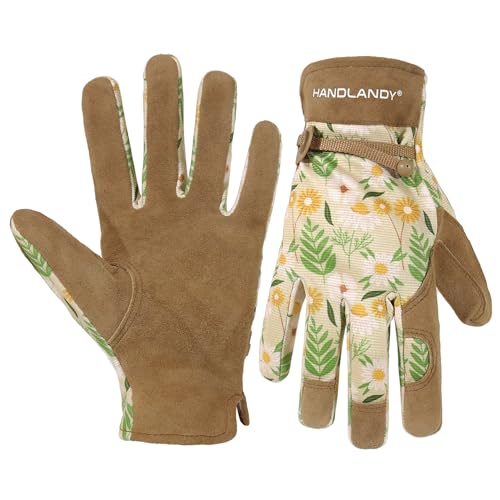
HANDLANDY Gardening Gloves for Women, Leather Garden Glove

FEISHDEK Cactus Gloves, 2 Layers Leather Palm

Trifabricy Long Gardening Gloves with Grip, Thorn-Proof
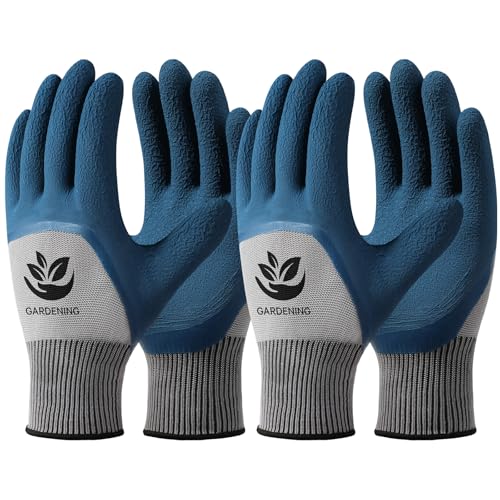
Trifabricy 6 Pairs Latex Grip Work Gloves

SLARMOR Gardening Gloves for Women, Garden Glove

COOLJOB Thorn Proof Gardening Gloves, Navy, Large

KLDOLLAR Gardening Gloves for Women, Thorn Proof

MEPEREZ 3-in-1 Gloves for Gardening, Farming & Cleaning
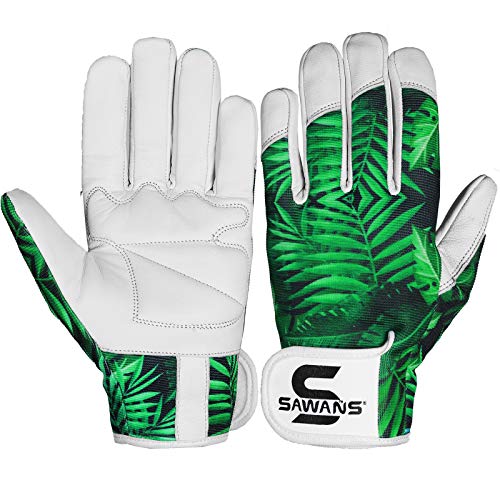
SAWANS Gardening Gloves Work Leather Gloves, Forearm Safety

fauson Garden Gloves for Women, Firm Grip Breathable
The Strengths Of Each Pick
If your weekend is more about tidying a few roses than reclaiming a hillside of brambles, the HANDLANDY leather gardening glove earns its place. Built around a real leather palm and a lighter back, it strikes a balance between the bulky gauntlets further down this list and the flimsy cotton pairs you tend to throw out after a season.
Compared with the doubled-up FEISHDEK cactus glove covered next, this is a softer, more flexible option. The trade-off is thinner puncture protection. For most backyards with the occasional thorny shrub, it’s a sensible starter pick.
Advantages To Know
- Real leather palm handles light thorn contact without tearing quickly.
- Flexible enough to keep dexterity when working a trowel or snips.
- Slim profile suits people with smaller hands.
- Breathable enough for warm afternoon sessions.
Things To Consider
- Coverage stops at the wrist, so tall brambles will still find your forearms.
- Owners commonly report the leather stiffening once it dries, so a light conditioning now and then keeps it supple.
Who It Suits Best
Casual gardeners trimming a few roses or pulling shallow taprooted weeds will find these comfortable and quick to slip on.
Where Another Pick Suits Better
Anyone wading into thick blackberry canes should reach for the COOLJOB pair instead, since it offers fuller hand coverage.
The FEISHDEK cactus glove is the kind of armor you reach for when the desert landscaping outgrew itself. Its defining feature is a two-layer leather palm paired with a deerskin back, which is a deliberately old-school combination aimed at stopping fine spines before they reach skin.
That doubled-up palm makes it noticeably stiffer than the HANDLANDY glove above, so you’ll trade a little fingertip precision for raw puncture resistance. People wrestling opuntia or hauling bramble piles out of the back fence will consider that swap a fair one.
Features That Help
- Two-layer leather palm handles sustained contact with fine cactus spines.
- Deerskin back stays softer than full cowhide, reducing fatigue.
- Reinforced build is well matched to hauling cut brush.
Worth Noting
- Bulkier profile slows detailed tasks like seed sowing or pruning inside the shrub.
- Leather benefits from air drying away from direct heat, so don’t leave them on a hot patio after a wet session.
Made For
Gardeners managing cactus, pyracantha, or dense rose thickets where fine spines defeat thinner gloves.
Skip It When
If you mostly transplant seedlings, the lighter Trifabricy long glove is easier to live with for daily use.
Pulling weeds with thorns usually means the scratchy bits reach well past your wrists, and the Trifabricy long glove is built for exactly that. The sleeve extends up the forearm while a grippy palm keeps roots and tools under control, so you’re not fishing escaped canes out of your sleeves.
Where the FEISHDEK cactus glove is built more like armor, this one is more of a workhorse. It’s the pair you grab for an afternoon of clearing raspberry canes or pruning climbing roses, where the reach up the arm matters as much as palm thickness.
Where It Delivers
- Extended cuff protects wrists and lower forearms during deep reach-ins.
- Grippy palm pattern helps with pruners and wet root balls.
- Thorn-resistant construction aimed at cane fruit and rose thorns.
Trade Offs
- The long cuff can feel warm during peak summer hours.
- After heavy use, loose soil tends to fall inside the sleeve, so a quick shake-out between bushes helps.
Right Fit For
People with established rose beds or berry patches who routinely reach into dense, thorny growth.
Look Elsewhere When
If you only need a glove for container herbs, the SLARMOR short cuff is a less fussy pick.
The Trifabricy six-pair pack is the practical answer when the garden attracts more than one set of hands. Sold as a multi-pack of latex-coated work gloves, it makes sense for households that share the weeding load, or for anyone who simply wants to toss a ruined pair without guilt.
These are general-purpose work gloves rather than dedicated thorn armor, so the long-rose-bed crowd should keep scrolling. For light weeding, hedge tidying, and the inevitable “grab a glove and pass me the shears” moment, they pull more weight than their modest build suggests.
A Few Strong Suits
- Multi-pair format means a wet or torn glove never sidelines the day.
- Latex-coated palm grips tools and slippery stems effectively.
- Knit back breathes well during longer sessions.
Room For Improvement
- Coating isn’t designed to stop determined thorns, so blackberry thickets will still bite.
- Fit runs closer to a unisex work glove, which may feel loose on smaller hands.
Who Will Love This
Families or shared households who want a stack of reliable gloves for general yard work rather than thorn warfare.
Reach For A Different Pick When
For solo work in heavy bramble, upgrade to the COOLJOB pair covered later in the list.
SLARMOR leans into the lighter, prettier side of gardening gloves. The presentation is a big part of the appeal, which is why these show up so often in gift guides for the gardener who has everything, but the construction is still aimed at practical weeding rather than decorative use.
Compared with the long-sleeve Trifabricy covered above, this is a short-cuff pair designed for everyday beds and patio pots. You give up forearm coverage but gain a softer feel that works well for raised beds and container planting.
What Earns Its Place
- Soft shell makes it comfortable for first-time glove wearers.
- Shorter cuff stays out of the way when transplanting or pottering around planters.
- Presentable finish makes it a natural pick for gifting.
Points To Note
- Light build isn’t intended for sustained contact with sharp rose or blackberry thorns.
- The finish shows wear sooner than the reinforced COOLJOB or FEISHDEK options.
Quick Facts
Best Suited To
People shopping for a casual gardener who mostly tends patio containers and small flower beds.
A Better Fit Elsewhere
For real bramble-clearing sessions, the FEISHDEK cactus glove is the more honest tool for the job.
The COOLJOB thorn-proof glove is the one to beat in this roundup. The palm is built from a synthetic leather, sometimes called faux suede, which the manufacturer designs specifically to resist puncture from common garden thorns, and the styling covers rose, blackberry, barberry, raspberry, and pyracantha, among others.
Where the FEISHDEK leans into pure thickness and the HANDLANDY offers flexibility, the COOLJOB sits in a confident middle. For most people pulling weeds with thorns, this is the safest all-around pick on the list.
A Strong Showing
- Synthetic leather palm stops most common garden thorns from reaching the skin.
- Reinforced build holds up well across repeated rose and bramble sessions.
- Unisex fit works for a wide range of hand sizes.
- Grippy surface helps when pulling tough taprooted weeds.
Minor Gripes
- Lacks the doubled-up palm of the FEISHDEK, so heavy cactus work is still a step beyond its comfort zone.
- The synthetic material can hold onto moisture, so air drying between sessions is wise.
Feature Card
Whose Shelf It Belongs On
Homeowners managing mixed borders with roses, brambles, and berry canes who want a single go-to pair.
Not Your Match When
Anyone working in a small herb garden will find the SLARMOR lighter and friendlier for that scale.
The KLDOLLAR thorn-proof glove takes a slightly different angle. Its palm uses microfiber leather, which is a synthetic material engineered to feel soft while resisting abrasion, and the back of the glove is built to breathe. For summer weekends when the sun is doing half the work for you, that airflow matters more than people expect.
It is offered in a small size, which is a quiet but meaningful detail for anyone whose hands usually swim in standard unisex gloves. The honest trade-off is a slightly thinner puncture layer than the COOLJOB glove covered above.
Positive Points
- Microfiber leather palm offers abrasion resistance with a softer hand feel.
- Breathable back keeps hands cooler in summer heat.
- Available in smaller sizes that suit slimmer hands.
Honest Caveats
- Palm construction is thinner than the doubled-up FEISHDEK, so dense brambles are a tougher test.
- Stitching sees the most wear, so inspect seams before each heavy session.
Perfect Match For
Gardeners with smaller hands who want a breathable glove for long summer afternoons in mixed borders.
Another Choice May Suit
For the gnarliest rose cleanup, the COOLJOB pair still wins on pure puncture resistance.
The MEPEREZ 3-in-1 glove is built with a noticeably more aggressive feature list than the rest of the field. The manufacturer markets it as stab-proof, anti-slip, and wear-resistant, and frames the glove across gardening, light farming, and cleaning, which gives a useful hint about how thick and structured the shell is.
That wider remit shows up in the build. It is heavier on the hand than the COOLJOB glove, and the dexterity is reduced as a result. For raw property-clearing duty on a long-neglected lot, that is a fair trade.
Everyday Advantages
- Stab-resistant shell handles rougher growth than typical garden gloves.
- Anti-slip palm helps with wet, muddy, or greasy tools.
- Multi-use design covers more than just weeding days.
A Few Limitations
- Heavier construction can feel clumsy during delicate pruning.
- Breathability takes a back seat to durability, so summer sessions may run warm.
Built With In Mind
Property owners clearing larger lots, hedgerows, or overgrown fence lines where garden gloves routinely come up short.
Swap It Out When
For a tidy suburban flower bed, the lighter KLDOLLAR glove is more comfortable to wear for an hour at a time.
The SAWANS glove is the long-sleeve answer for gardeners who get scratched even with regular gauntlets. The leather shell extends well up the forearm, and the maker positions it for rose, bramble, and blackberry work where the thorns reach past your wrists every time.
Compared with the Trifabricy long glove covered earlier, this pair leans further into a leather rather than synthetic build. That is a tactile upgrade for some users, though it does mean a longer break-in before the glove feels truly comfortable.
Useful Highlights
- Extended leather sleeve reaches well past the wrist.
- Anti-slip palm pattern helps when handling wet pruners and brush.
- Suitable for the full range of thorny work, from rose pruning to berry picking.
Soft Spots
- Full leather takes longer to break in than the softer SLARMOR or KLDOLLAR options.
- Coverage can feel excessive for small container gardens, where the bulk just gets in the way.
Product Snapshot
The Right Fit
Anyone with climbing roses, established berry patches, or thicket edges that need a real reach into the plant.
Where A Sibling Pick Shines
For quicker warm-weather work, the Trifabricy long glove is lighter on the arm for the same job.
The fauson garden glove is a sensible entry point for anyone new to gardening who is tired of being scratched on their first weekend. The build is positioned around firm grip and breathability rather than heavy-duty armor, which keeps the glove comfortable enough to actually wear for an hour at a time.
It is a softer, lighter take than the COOLJOB glove covered earlier, and the trade-off is honest. You will get full protection against grass and shallow weeds, but a determined blackberry cane will find its way through.
Notable Gains
- Comfortable, breathable build encourages longer sessions.
- Firm grip pattern helps with trowels and pruners.
- Soft entry-level feel suits first-time gardeners.
Points To Keep In Mind
- Light protection won’t stop determined thorns, so dense brambles need a heavier pair.
- Best treated as a starter glove, since material longevity is modest under heavy use.
Who Should Grab It
New gardeners building out a basic tool kit and starting with lawn weeds and shallow taprooted plants.
Consider Something Else When
Once the garden grows into established rose bushes, the HANDLANDY leather glove is a clear next step up.
What To Weigh Before Choosing Gloves For Pulling Weeds With Thorns
Puncture Resistance Versus Dexterity
The defining trade-off in any thorn glove is between how much it stops and how much it lets you do. A doubled-up palm like the FEISHDEK pair stops fine spines, but your fingertips pay for it in dexterity. Lighter builds like the fauson glove keep your fingers nimble but let determined thorns through. The honest question is what kind of weeds you actually face. Light grass and shallow dandelions need a breathable glove. A rambling blackberry patch asks for armor.
Cuff Length And Coverage
Coverage that stops at the wrist is fine for tidy borders. For climbing roses, raspberry canes, or any plant that drapes over your hand, an extended cuff or full forearm sleeve, like the SAWANS or Trifabricy long gloves, becomes the difference between a clean afternoon and a scratched one. Most gardeners underestimate how high the thorns reach until they see the first blood.
Material And Care
Leather palms last longer when air dried away from direct heat, and a light conditioning now and then keeps them from stiffening into cardboard. Synthetic and microfiber builds, like the COOLJOB and KLDOLLAR options, dry faster but tend to hold onto moisture in the palm, so shaking them out and letting them air between sessions prevents the slow funk that ends a glove’s life. Knit and latex pairs from the multi-pack Trifabricy are closer to consumables, so plan to replace them as needed rather than expect a five-year run.
Fit And Sizing
A glove that’s too loose catches on thorns and lets debris funnel straight to your fingers. Too tight, and you tire out before lunch. Smaller hands often get short-changed by unisex sizing, which is where the KLDOLLAR small or the SLARMOR women’s cut earn real credit. If you can, try them on a quiet day before a heavy weekend so any stiffness has time to ease.
Smart Considerations Across These Picks
Where Shoppers Go Wrong
The single most common mistake is buying a glove designed for general yard work and expecting it to stop a blackberry thorn. Cotton and latex-coated pairs handle soil and grass, but thorns glide through them. The other trap is ignoring cuff length. A glove that covers only the hand leaves your forearms exposed, which is exactly where rambling roses and berry canes find you. Match the glove to the plant, not just the task.
What The Higher Tier Buys
A premium thorn glove buys you thicker or doubled-up palm material, longer forearm coverage, and more confident stitching. For casual patio gardeners, that gap is mostly theoretical. For anyone with established rose beds, mature berry patches, or a fence line that needs reclaiming, the upgrade shows up immediately in fewer scratches, less glove fatigue, and a glove that still looks like a glove by the end of the season.
Frequently Asked Questions
What Makes A Glove Good For Pulling Weeds With Thorns?
A thorn-resistant palm, whether in leather, synthetic leather, or microfiber, is the core feature. For taller growth, an extended cuff or full forearm sleeve keeps scratches off the wrists and arms during deep reach-ins.
Are Leather Or Synthetic Gloves Better For Thorns?
Leather handles abrasion well and ages gracefully with care. Synthetic and microfiber palms dry faster, often breathe better, and are typically lighter on the hand. The right choice depends on your climate, the volume of work, and how much you care about long-term patina versus quick-drying convenience.
How Do I Stop Thorns From Poking Through The Cuff?
Pick a glove with a snug elastic cuff, a long gauntlet, or a full forearm sleeve. Shaking debris out of the sleeve between bushes also helps, since trapped grit eventually works its way to skin.
Can I Machine Wash Gardening Gloves?
Most leather gloves should never see a washing machine. Synthetic, microfiber, and knit pairs can usually tolerate a gentle cold cycle, but air drying is the safer default across the board. Heat is the enemy of every palm material.
How Long Should A Pair Of Thorn Gloves Last?
Light everyday use can stretch a quality pair across multiple seasons, while daily heavy weeding on a large property can wear through a glove in a year. Stitching is usually the first thing to go, so inspect seams before each heavy session and replace when they fray.
Closing Remarks
The right pair of gloves for pulling weeds with thorns comes down to the plants you actually grow. Lighter, breathable builds cover most suburban beds, while gauntlet and forearm-sleeve designs earn their keep in established rose and berry patches. Match the glove to the garden, take a minute to air dry it between sessions, and the scratches stay where they belong: on the weeds.
