

Clay soil punishes grass. Water pools, roots struggle, and half the fertilizer you spread never makes it down to where it counts. The right pick has to break up that dense layer while still feeding the turf, and that balance is what separates the genuinely useful options from the ones that look good on a shelf. This roundup looks at ten products built for heavy, compacted yards, from pelletized gypsum and pH adjusters to liquid aerators and slow-release feeds. Whether you tend a small patch or several thousand square feet, there’s something here that matches the way you actually work the soil.
A Snapshot Of The Selections

Jonathan Green Mag-I-Cal Plus Lawns in Acidic & Hard Soil

Espoma Organic Garden Gypsum Soil Conditioner 6 lb. Bag

True Organic Prilled Sulfur 5lb Bag

GS Plant Foods Soft Soil Liquid Aerator 1 Quart
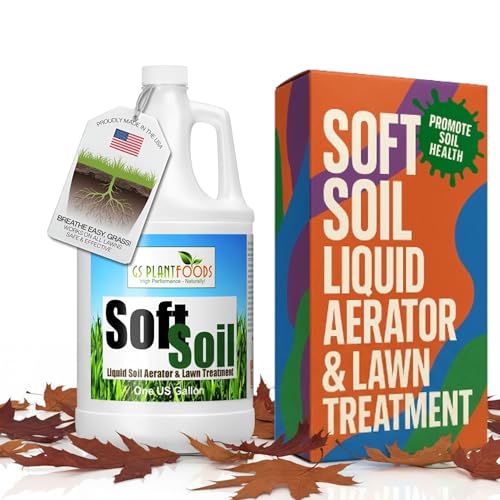
GS Plant Foods Soft Soil Liquid Aerator 1 Gallon

Earth Science Fast Acting Gypsum Granules 5 lb
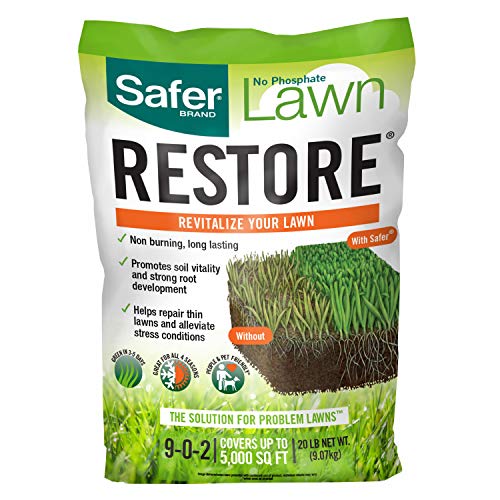
Safer Brand Lawn Restore Natural Fertilizer 9-0-2

Scotts Liquid Green Max Lawn Food 32 oz
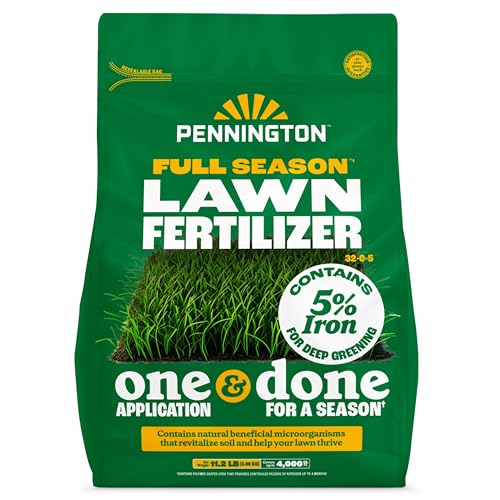
Pennington Full Season Lawn Fertilizer 32-0-5 11.2 lb

Turf Titan Root Booster Liquid Probiotic 32 oz
The Picks, Examined More Closely
Clay-heavy yards often come with a second problem hiding under the surface: soil pH that’s drifted too low, locking out nutrients even when you’re feeding the lawn regularly. Jonathan Green Mag-I-Cal Plus tackles both jobs in one pass, working to raise pH toward the 6.2 to 7.0 range while also softening the dense structure that makes clay such a hassle to work with.
Coverage runs up to 5,000 square feet, which fits most suburban lots without forcing you to buy a second bag. For homeowners dealing with pale, thinning turf that hasn’t responded to ordinary fertilizer, this is a sensible starting point. Where the Espoma gypsum below targets structure alone, this product aims at the chemistry underneath as well.
Strong Points
- Doubles as a pH adjuster and a clay-loosening agent, reducing the need to buy two products
- Covers up to 5,000 square feet per bag, enough for the typical home lawn
- Acts relatively quickly compared to traditional lime, which can take months to shift pH
- Helps fertilizer already in the soil become more available to grass roots
Things To Consider
- Not a fertilizer on its own, so you’ll still need a separate nitrogen source for active growth
- Owners commonly report the best results after multiple seasonal applications rather than a single pass
Key Specs
Best Suited To
Homeowners with acidic, compacted clay who want one product that addresses pH and density together.
Consider Something Else When
True Organic Prilled Sulfur is a better match for gardeners whose clay leans alkaline and who want to lower pH for acid-loving plants.
Espoma’s gypsum is what you reach for when you want pure mined calcium sulfate with nothing else in the mix. The pelletized form spreads cleanly through a drop or broadcast spreader, and the bag carries organic gardening credibility that synthetic blends often lack. For someone building a healthier soil profile over several seasons, this is a quiet workhorse.
It also addresses pet spotting and salt burn from winter ice-melter, two issues that show up on clay-heavy lawns more than people realize. Where the Jonathan Green above adjusts pH alongside soil structure, this Espoma product focuses almost entirely on loosening the clay itself, which is exactly what many yards need.
The Case For It
- 100% mined gypsum with no fillers, sludges, or synthetic additives
- Pelletized format makes spreader application quick and tidy
- Approved for organic gardening programs
- Helps repair salt damage and pet spotting on established lawns
Points To Note
- At 6 pounds, coverage is modest and may require multiple bags for larger yards
- Works gradually and rewards patience over quick visible change
- Doesn’t address pH, so pairing with a separate amendment may still be necessary
Key Specs
Who It Suits Best
Organic-leaning gardeners who want a no-fuss gypsum that won’t disrupt an existing fertility program.
Look Elsewhere When
Earth Science Fast Acting Gypsum Granules is the swap for anyone needing larger coverage and a runoff-reduction feature in the same bag.
Most clay-soil products push pH up, but some yards and most acid-loving ornamentals need the opposite. True Organic Prilled Sulfur lowers pH over time, opening the door for blueberries, azaleas, and other plants that struggle in alkaline conditions. The 5-pound bag covers roughly 1,333 square feet, making it a focused tool rather than a whole-lawn spread.
Within a clay context, the sulfur also helps micronutrients like iron and manganese stay available to roots, which is often the hidden problem behind yellowing foliage in heavy soils. Compare it to Jonathan Green Mag-I-Cal Plus: that one lifts pH, this one brings it down.
Positive Points
- Effectively lowers soil pH for acid-loving plants
- Improves micronutrient availability in heavy soils
- Approved for organic gardening use
- Prilled form spreads evenly without excessive dust
Honest Caveats
- Not a lawn fertilizer in the nitrogen sense, so it pairs with other products for turf feeding
- Over-application can swing pH too far, so a soil test beforehand is wise
Made For
Garden beds with acid-loving ornamentals and food plants growing in alkaline clay pockets.
Where Another Pick Suits Better
Jonathan Green Mag-I-Cal Plus is the better fit for lawn-scale pH raising on broad turf areas.
Renting a core aerator is a hassle, and dragging a spike tool across a wet clay yard does more harm than good. GS Plant Foods Soft Soil offers a different route: a liquid treatment designed to break apart compacted soil so water and air can move downward toward the roots. The 1-quart size is right for smaller lawns or spot treatment on problem patches.
It works on any grass type and can be applied throughout the growing season. For someone who wants to address drainage without renting equipment, the quart format keeps the commitment small. The 1-gallon sibling below covers more ground, but this version is the easier entry point.
Why It Works Well
- Non-mechanical approach skips the rental and physical labor of core aeration
- Compatible with any grass type and any season of the growing year
- Targets both standing water and poor drainage, two common clay symptoms
- 1-quart size is approachable for small yards and trial runs
Softer Spots
- Coverage is limited compared to the gallon version, so larger lawns need multiple bottles
- Visible improvement tends to unfold over multiple applications rather than overnight
Feature Snapshot
Perfect Match For
Homeowners with small lawns or stubborn patches who want liquid aeration without renting gear.
Skip It When
GS Plant Foods Soft Soil 1 Gallon is the smarter pick for full-yard coverage on larger properties.
The 1-gallon version of Soft Soil is the same formulation as the quart, just scaled up for serious work. Full-yard application becomes realistic at this size, and the per-gallon cost drops compared to buying multiple quarts. For homeowners committed to addressing clay compaction across the whole lawn, this is the practical size to choose.
It still works without any mechanical aeration, which is the entire appeal of the product line. The trade-off versus the quart is purely about coverage and value at scale.
Benefits That Matter
- Covers a full yard in one container for most residential lots
- Lower cost per ounce than the quart size
- Same non-mechanical, any-grass flexibility as the smaller bottle
- Tackles standing water and poor drainage at the source
Possible Compromises
- Gallon jugs are heavier and need a dedicated sprayer for efficient application
- Storage takes more shed or garage space than smaller formats
Whose Shelf It Belongs On
Homeowners treating an entire compacted lawn rather than isolated patches.
Reach For A Different Pick When
GS Plant Foods Soft Soil 1 Quart is the better match for trial runs or very small yards where a gallon is overkill.
Earth Science leans into the practical side of gypsum application. The granules start working immediately to break up clay, and the Nutri-Bond technology is built to keep the product where you spread it rather than washing off into storm drains. For yards on slopes or near hardscaping, that runoff reduction is more than marketing talk.
The 5-pound bag adds calcium to deficient soils while also repairing salt damage along driveways and walkways. Where Espoma’s organic gypsum is about clean ingredients, this Earth Science option is about staying power after application. The calcium benefit is a quiet bonus that strengthens cell walls in grass blades and helps roots push through the loosened layer.
Everyday Advantages
- Fast-acting formula begins working right after watering in
- Nutri-Bond technology holds granules in place through rain and irrigation
- Adds calcium to support root development and cell structure
- Helps repair salt burn from de-icing products and pet traffic
Factors To Consider
- Not an organic-certified product, which matters for some gardening programs
- 5-pound bag is mid-sized, so larger properties may need several
Built With In Mind
Lawns near sidewalks and driveways where salt damage and runoff are constant concerns.
Where A Sibling Pick Shines
Espoma Organic Garden Gypsum is the better match for organic gardeners who want filler-free inputs above all.
Synthetic fertilizers can scorch a stressed lawn, especially on clay that holds water and concentrates salts near the surface. Safer Brand Lawn Restore takes the opposite approach with a 9-0-2 NPK ratio that feeds without burning, which makes it a forgiving choice for clay yards already under stress. The 20-pound bag covers up to 5,000 square feet.
It’s a fertilizer first, not a soil conditioner, so it pairs well with the gypsum or sulfur options above. Think of it as the feed you apply after you’ve started opening up the soil structure.
A Few Highlights
- Non-burning formula is safe on stressed and recovering turf
- Natural composition supports soil biology over time
- Covers up to 5,000 square feet per bag
- 9-0-2 ratio emphasizes nitrogen for green color without excess phosphorus
Where It Is Less Suited
- Won’t address the compaction itself, so pairing with gypsum or liquid aeration is wise
- Results build gradually rather than producing a quick visual pop
The Right Fit
Homeowners cautious about burning who want a steady, natural feed on top of their soil work.
A Better Fit Elsewhere
Scotts Liquid Green Max Lawn Food suits someone wanting faster visible green-up before a specific event.
Sometimes you need the lawn to look better this weekend, not this season. Scotts Liquid Green Max is built for that job, combining a liquid fertilizer with an iron supplement to push visible color quickly. The 32-ounce bottle hooks into a hose-end sprayer and covers a substantial area in a single pass.
It works on any grass type, which removes the guesswork about compatibility. Where the Safer Brand option above feeds gently over time, this one delivers faster visual feedback for those who want it.
Well-Handled Touches
- Fast visible green-up driven by the included iron supplement
- Liquid format attaches to standard hose-end sprayers for easy application
- Compatible with any grass type without special considerations
Things To Weigh
- Iron can stain concrete and hardscaping if overspray isn’t rinsed promptly
- Doesn’t address underlying clay compaction, so it’s a complement, not a fix
Who Should Grab It
Homeowners prepping for a gathering or sale who need fast color without a multi-week wait.
Another Choice May Suit
Pennington Full Season Lawn Fertilizer is the better fit for season-long feeding without repeat applications.
Pennington’s Full Season product lives up to its name with polymer-coated urea that releases nitrogen slowly over roughly four months. One application covers the bulk of the growing season, which suits anyone who’d rather not set a phone reminder every six weeks. The 32-0-5 ratio brings serious nitrogen alongside a small dose of iron for deeper color.
It doesn’t address clay structure directly, but for lawns already in reasonable shape, the slow-release feeding reduces the surge-and-crash cycle that fast fertilizers can create on heavy soils.
Useful Touches
- Polymer-coated urea delivers nitrogen gradually over about four months
- One application per season simplifies the feeding calendar
- 5% iron content supports richer green color without separate supplements
A Few Limitations
- High nitrogen ratio isn’t ideal for very young or newly seeded lawns
- Doesn’t loosen clay, so it works best alongside a separate soil conditioner
Best Suited To
Established lawns where the soil structure has already been addressed and steady feeding is the goal.
Not Your Match When
Safer Brand Lawn Restore is a smarter pick for stressed turf that needs gentler, non-burning nutrition.
Turf Titan takes a biological angle on the clay problem, using a liquid probiotic formulation designed to support the microbial life that drives nutrient cycling in healthy soil. The included hose-end sprayer means no extra equipment is required. Coverage runs up to 6,000 square feet from a single 32-ounce bottle.
For compacted clay where synthetic fertilizers have struggled to break through, the biological approach can unlock nutrients that are already present in the ground. It also plays nicely with the gypsum and aeration products reviewed earlier, layering biology on top of structural work.
What It Does Well
- Biological formula supports soil life rather than masking problems with quick-fix chemicals
- Hose-end sprayer included for immediate application
- Covers up to 6,000 square feet per bottle
- Complements structural amendments like gypsum and aeration
Things To Keep In Mind
- Visible results typically show up over weeks rather than days, so patience is required
- Works best as part of a broader soil program, not a standalone fix
Who Will Love This
Gardeners committed to biological soil health who view clay repair as a long-term project.
Swap It Out When
Scotts Liquid Green Max Lawn Food is a better match for anyone wanting a visible color boost within a few days.
Choosing The Right Product For Your Soil
Clay soil is rarely one problem. It’s compaction, drainage, pH, and feeding all tangled together, and the best pick depends on which strand you’re pulling first. A useful starting move is a basic soil test, which tells you whether pH is too high or too low and whether major nutrients are missing. That result alone can save you from buying the wrong category entirely.
Once you know the chemistry, structure comes next. Gypsum products (Espoma and Earth Science in this roundup) work to loosen the clay without changing pH, while pH adjusters like Jonathan Green Mag-I-Cal or True Organic Sulfur shift the underlying chemistry. Liquid aerators (the GS Plant Foods options) skip the physical work and target compaction directly. For most yards, pairing one structural product with a compatible fertilizer gives the best return on a single season’s effort.
Consider coverage and format alongside the soil profile. A 5,000-square-foot bag means nothing if your yard is 8,000 square feet, and liquid concentrates need a sprayer you’re comfortable using. Application frequency matters too: slow-release options like Pennington Full Season reduce repeat trips, while liquid biologicals like Turf Titan ask for consistent follow-up. The honest match is the product whose routine fits the way you actually maintain the lawn.
What To Watch Before You Buy
Pitfalls Shoppers Hit
Buying a fertilizer before testing pH is the most common misstep in clay-soil work. Nutrients lock out in the wrong pH range, so even a great product underperforms when the chemistry is off. Another frequent error is treating compaction with fertilizer alone, which feeds the grass but leaves the dense layer underneath untouched. Skip the core aerator and the problem persists regardless of what you spread on top. Finally, over-applying sulfur or gypsum can swing conditions too far, so following label rates matters more than enthusiasm.
What The Higher Tier Buys
Premium picks in this category tend to bundle benefits that cheaper options leave you to assemble. The Jonathan Green product, for instance, combines pH adjustment and clay loosening in one bag, which a separate gypsum-plus-lime routine can’t match for convenience. Earth Science adds Nutri-Bond runoff reduction, and Pennington’s slow-release polymer coating cuts repeat applications. The case for spending up comes down to whether you value fewer products, fewer passes, or broader coverage. For small yards, the savings rarely justify the premium. For larger or more stubborn clay, consolidating steps saves time and reduces the chances of skipping a critical application mid-season.
Frequently Asked Questions
How Often Should I Apply Gypsum To Clay Soil?
Most gypsum products work best with repeat applications across a full growing season, since loosening compacted clay is a gradual process rather than a single treatment. Many homeowners apply in spring and again in fall for the first year, then maintain with lighter seasonal passes.
Will Fertilizer Alone Fix Clay Soil?
No. Fertilizer feeds the grass but doesn’t address the dense structure underneath. Pairing a fertilizer with a gypsum product or a liquid aerator is the realistic path forward for clay-heavy yards.
Is Liquid Aeration As Effective As Core Aeration?
Liquid aeration works differently, using chemistry to break apart compaction rather than physically removing cores. For light to moderate compaction it’s a reasonable alternative, but severe compaction may still need mechanical core aeration to fully open up the soil.
Can I Use Sulfur And Gypsum Together?
Yes, but only when both are warranted. Sulfur adjusts pH downward while gypsum addresses structure without affecting pH, so they’re compatible in a comprehensive program. A soil test confirms whether both are actually needed.
How Long Before I See Results On Clay Soil?
Structural improvements typically show over weeks to months rather than days. Faster color changes from liquid iron products can appear within days, but lasting clay repair follows a longer timeline and rewards consistency.
The Takeaway
Clay doesn’t give up easily, but the right product makes a real difference. Start with a soil test, pick the category that matches your biggest problem (compaction, pH, or feeding), and stay consistent through the season. The picks above cover the full range of approaches, so the hardest part is usually just deciding where to begin. Once the soil starts to open up, everything else gets easier.
