

Fall fertilization quietly does the heavy lifting for next year’s lawn. The right winterizer feeds roots during dormancy, hardens grass against cold snaps, and helps turf green up faster when soil temperatures climb again. For homeowners staring at thinning patches, exposed soil, or a lawn that struggled through summer, a late-season feeding often makes the difference between a tired yard in April and one that fills in thick and even.
This roundup covers ten widely used winter fertilizers, from high-potassium granular blends built for cold-soil root building to liquid concentrates that double as quick green-ups. Each pick targets a slightly different need, so skim for the lawn size, grass type, and feeding style that match your situation.
A Snapshot Of The Selections
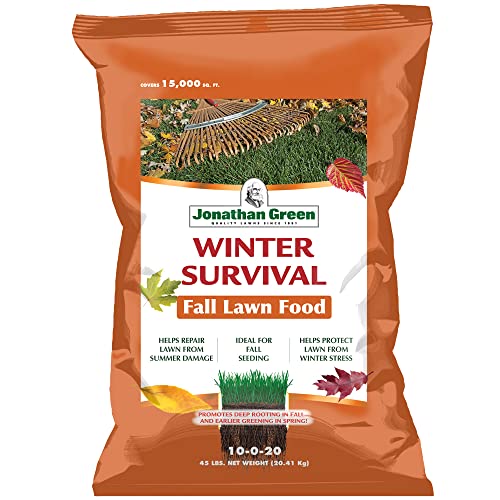
Jonathan Green Winter Survival Fall Lawn Food

Fertilome Winterizer for Established Lawns

GreenView Fall Lawn Food 48 lb Bag

GS Plant Foods Green Envy Liquid Lawn Food

Scotts Liquid Green Max Lawn Food
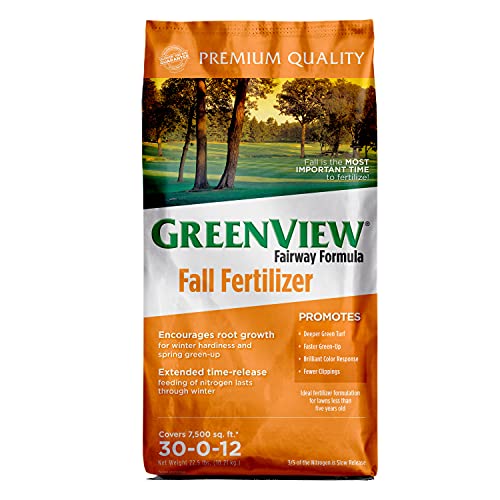
GreenView Fairway Formula Fall Lawn Fertilizer
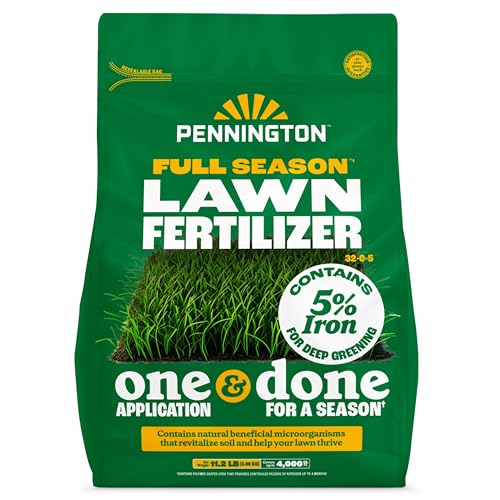
Pennington Full Season Lawn Fertilizer 4M 32-0-5

Slow Release Lawn Fertilizer 25-5-10 NPK 20kg Bag

GreenView Lawn Food 16 lb Bag

The Andersons Premium Fall Lawn Food 24-0-14
What Each Pick Brings To The Table
Jonathan Green has built a reputation among cool-season lawn owners, and the Winter Survival formula leans into that heritage. The bag’s 10-0-10 NPK ratio (nitrogen, phosphorus, potassium, all spelled out as the three numbers on every fertilizer bag) skips phosphorus in favor of a heavy potassium punch, which is exactly what grass craves as soil temperatures drop. Potassium hardens cell walls, supports root carbohydrate storage, and helps turf tolerate ice, wind, and freeze-thaw cycles that punish weaker blades.
Spread this in mid-to-late fall once growth has slowed but before the ground freezes solid. Coverage runs roughly 15,000 square feet per bag, which fits a typical suburban yard without leaving a half-empty sack cluttering the garage. Pair it with a core aeration pass for the deepest effect, since the granules work best when they reach the root zone instead of sitting on thatch.
What Makes Sense
- High potassium ratio targets winter hardiness and root carbohydrate storage
- Covers up to 15,000 square feet, fitting most mid-size residential lots
- Trusted brand with a long track record in cool-season lawn care
- Granular format works with standard broadcast or drop spreaders
- Promotes earlier spring green-up by feeding roots through dormancy
Things To Consider
- No phosphorus means starter benefits are limited for new seed or bare patches
- Granular application requires a spreader and dry conditions to work properly
- Storage in a sealed, dry container helps prevent clumping between seasons
Who It Suits Best
Homeowners in the transition zone or northern states with established cool-season turf, especially fescue and bluegrass, who want a straightforward fall feeding.
Where Another Pick Suits Better
Households with kids and pets roaming the yard may prefer the Eco Solutions Slow Release 25-5-10, which uses a gentler feeding profile for high-traffic lawns.
Fertilome’s Winterizer arrives in a hefty 40-pound bag, which tells you everything about who this is for. With a 25-0-6 NPK ratio, the formula leans hard into nitrogen, which drives blade growth and chlorophyll production during the cool fall window when grass still takes up nutrients. The 6% potassium adds modest winter hardiness, though less aggressively than a high-K ratio like Jonathan Green’s blend.
Coverage runs roughly 10,000 square feet, and the same bag works on trees, shrubs, and ornamentals if your fall cleanup includes those beds. The lower potassium share means this functions more as a late-season feeder than a pure hardening agent, so timing matters. Apply in early-to-mid fall while roots are still active, then follow up with a separate winterizing pass if you want extra cold protection.
What Earns Its Place
- Generous 40-pound bag covers large properties without frequent refills
- Works on lawns, trees, shrubs, and ornamentals for multi-bed use
- High nitrogen drives visible fall color and blade density
Points To Note
- Lower potassium ratio means less winter hardening than competitors
- Heavier bag requires a spreader with a sturdy hopper
- Best suited for established lawns, not freshly seeded areas
Right Fit For
Property owners with multi-acre lots or extensive landscaping who want one bag to handle lawn and ornamental beds in a single fall pass.
Skip It When
Cool-season gardeners focused purely on winter hardiness should reach for The Andersons Premium Fall Lawn Food 24-0-14, which packs more potassium for the same role.
GreenView’s fall blend targets the specific problem of heat-stressed lawns coming out of a brutal summer. The GreenSmart enhanced formula aims to replenish nutrients lost during drought and heat while pushing root development deeper, which matters more than top growth heading into winter. The 48-pound bag covers around 15,000 square feet, which is a lot of ground for the price point compared to smaller winterizer bags.
Best timing is early fall, ideally while daytime temperatures still hit the 60s and nights cool into the 50s. The granular format flows through a standard broadcast spreader without clumping, though a quick dry storage spot keeps the bag from absorbing moisture between uses. The formula also supports water and nutrient uptake through the root system, which helps lawns in compacted or clay-heavy soils.
Benefits That Matter
- Large 48-pound bag fits mid-to-large yards without mid-application refills
- GreenSmart technology targets root development over top growth
- Replenishes nutrients lost during summer heat and drought stress
Trade Offs
- Heavier bag is harder to handle for smaller homeowners
- Granular spreader needed, which adds equipment requirements for beginners
Key Specs
Made For
Homeowners with sun-baked, drought-stressed lawns that need recovery feeding before the first hard frost.
Look Elsewhere When
Anyone wanting a small, manageable bag for a townhouse lot will find the GreenView Lawn Food 16 lb Bag easier to handle for under 5,000 square feet.
GS Plant Foods takes a different route with Green Envy, a liquid concentrate that mixes with water and applies through a hose-end or pump sprayer. The 1-gallon bottle covers a meaningful chunk of lawn, and the formula blends humic acid, a soil-organic compound that improves nutrient uptake and soil structure, with a balanced NPK ratio suited to fall and winter prep. The liquid format skips the spreader entirely, which appeals to gardeners who already own a hose-end sprayer and dislike granular cleanup.
Liquid feeding delivers nutrients through both roots and blades, with faster visible response than granular products. Humic acid helps unlock nutrients already in the soil, which matters in clay or sandy lots where fertilizer tends to lock up or leach. Concentrates also store compactly on a shelf, which apartment dwellers and small-lot owners tend to appreciate.
Bright Spots
- Liquid concentrate mixes easily with standard hose-end sprayers
- Humic acid blend improves long-term soil nutrient availability
- Compact 1-gallon bottle stores easily in sheds or garages
- Suits organic-leaning gardeners avoiding synthetic-heavy blends
Honest Caveats
- Liquid application requires a compatible sprayer, which is an added cost for some
- Concentrate must be diluted correctly to avoid leaf burn in hot spells
Who Will Love This
Gardeners who already use liquid feeding routines and want a fall/winter formula that doubles as a soil conditioner.
Another Choice May Suit
Homeowners with large, open lawns may find a granular product like the GreenView Fall Lawn Food 48 lb Bag faster to apply across wide stretches.
Scotts Liquid Green Max earns its spot as the quick color fix in this lineup. The 32-ounce bottle hooks to a hose-end applicator and feeds an average residential lawn in one pass, with iron added to push deeper green color fast. For homeowners who want visible results before the first frost hits, this is one of the more responsive options on the market.
The trade-off is that Green Max works as a supplement rather than a long-feeding winterizer. The fast-release nitrogen pushes top growth, which is great for color but less useful for building root reserves over a full dormant season. Use it in early fall for last-minute color, then follow with a true winterizer like Jonathan Green Winter Survival if you want the deeper feeding benefits.
Key Advantages
- Fast-acting iron supplement delivers visible greening within days
- Simple hose-end application, no spreader required
- Compact 32-ounce bottle suits small to mid-size lots
- Works on any grass type for flexibility across mixed lawns
Some Limits To Know
- Fast-release nitrogen means shorter feeding window than slow-release options
- Less focused on root building and winter hardiness
- Iron can stain concrete if not rinsed quickly after overspray
Feature Card
Best Suited To
Homeowners who want a quick color refresh before fall events or photos, rather than a full-season feeding program.
Swap It Out When
Anyone planning a long winter feeding strategy will get more value from the Pennington Full Season 32-0-5, which feeds for months in one pass.
GreenView’s Fairway Formula borrows its name from the golf course world, and the blend backs that up. The proprietary nitrogen source combines immediate-release and slow-release components, which means the lawn gets a quick color response and then steady feeding over the following weeks. That dual-release profile is the kind of detail serious lawn enthusiasts notice, since it avoids the feast-or-famine pattern of basic quick-release products.
The 22.5-pound bag suits mid-size yards, and the granular texture flows well through quality spreaders. The formula aims at steady, even greening without the growth surges that force extra mowings in awkward late-fternoon weather. Apply in early fall for the best window, ideally with a day of rain or irrigation scheduled to wash granules into the root zone.
The Practical Payoff
- Dual-release nitrogen avoids growth surges and uneven feeding
- Golf-course-style formulation targets consistent color and density
- Steady feeding pattern reduces the need for follow-up applications
Where It May Fall Short
- Mid-size bag means refill trips for properties over 7,000 square feet
- Premium positioning reflects in cost per pound compared to basic winterizers
Who Should Grab It
Lawn enthusiasts who appreciate the science behind feeding curves and want even fall color without the surge-and-crash pattern of basic blends.
A Better Fit Elsewhere
Homeowners on a tighter budget covering a large lot will find the Fertilome Winterizer 40 lb Bag offers more square footage for the spend.
Pennington’s Full Season formula uses polymer-coated urea, a slow-release nitrogen technology that meters out nutrients over months, to deliver up to four months of feeding from a single application. The 32-0-5 NPK ratio is heavy on nitrogen with a touch of potassium and 5% iron for color. For homeowners who dread remembering multiple feeding windows, this is the apply-once-and-forget option.
The smaller 11.2-pound package fits a modest yard, and the slow-release design means timing matters less than with quick-release products. Apply in early fall and the coating will meter nutrients through the dormant season, depending on local weather. The iron content pushes a deeper green color without staining concerns when watered in properly.
A Few Strong Suits
- Single application feeds for up to four months, cutting repeat work
- Polymer-coated urea meters nutrients gradually for steady growth
- 5% iron supports deeper green color through fall
- Smaller bag suits homeowners who don’t want leftover storage
Less-Strong Areas
- Smaller coverage area means multiple bags for large properties
- Higher nitrogen ratio may not match cool-season winter hardiness goals
Quick Facts
Built With In Mind
Busy homeowners who want one fall feeding to carry them through winter without tracking multiple application windows.
Reach For A Different Pick When
Gardeners focused on winter hardiness over feed duration should look at Jonathan Green Winter Survival, which targets potassium-driven cold tolerance.
Eco Solutions markets this 25-5-10 slow-release blend as kid and pet safe, with 65% of the nitrogen in a granular slow-release form that meters out over time. The 44-pound bag (20 kg) covers substantial ground, and the balanced NPK ratio, with all three numbers on the bag, gives the lawn nitrogen, phosphorus, and potassium in proportions suited to both growth and root development.
Feeding duration runs up to 110 days, putting this in the same low-fuss category as the Pennington option, but with a larger bag for big properties. The slow-release design also reduces the risk of nitrogen burn, which is the yellowing that happens when quick-release nitrogen overloads grass blades. That gentle profile is why this is a common pick for households where pets and kids share the lawn.
Well-Handled Touches
- Feeding window extends up to 110 days from a single pass
- Marketed as kid and pet safe for active households
- 65% slow-release nitrogen reduces burn risk on tender grass
- Generous 44-pound bag covers large properties efficiently
Some Limits To Know
- Higher nitrogen ratio favors spring/summer growth over winter hardiness
- Larger bag needs sturdy storage to keep granules dry
Whose Shelf It Belongs On
Households with dogs, kids, or both, where safety and a long feeding window matter more than a hard winterizing formula.
Not Your Match When
Homeowners chasing pure winter hardiness will find a potassium-heavy blend like The Andersons Premium Fall Lawn Food 24-0-14 more on-target.
Not every lawn needs a 40-pound bag. GreenView’s 16-pound Lawn Food covers up to 5,000 square feet, which fits townhouse lots, small front yards, and narrow side strips that wouldn’t justify a bigger product. The GreenSmart blend mixes readily available and controlled-release nutrients, which helps the lawn maintain color longer into fall.
Storage is the underrated win here. A 16-pound bag fits on a garage shelf without dominating the space, and there’s less waste for homeowners who only need one feeding per year. The trade-off is cost per pound, which runs higher than larger bags, but that’s a fair price for a manageable size.
Everyday Wins
- Compact 16-pound bag handles small yards without waste
- GreenSmart technology mixes fast and slow nutrient release
- Helps lawn resist heat and drought stress, useful in shoulder seasons
Possible Compromises
- Cost per pound is higher than larger bag options
- Coverage tops out around 5,000 square feet, limiting versatility
Perfect Match For
Urban and suburban homeowners with modest lawn areas who want a manageable bag size without leftover clutter.
Where A Sibling Pick Shines
Anyone with a yard over 7,000 square feet will save time and money stepping up to the GreenView Fall Lawn Food 48 lb Bag.
The Andersons brings pro-grade thinking to a homeowner bag. The 24-0-14 NPK ratio delivers a meaningful potassium share for winter hardiness, while the nitrogen source combines quick, intermediate, and slow-release forms in one blend. That triple-release architecture is unusual at this price point and explains why lawn enthusiasts gravitate toward it.
The 5,000 square foot coverage suits small to mid-size lawns, and the formula is safe across all common turf types. The added iron pushes a deeper green during the early fall window, before dormancy sets in. Apply in early fall, water in well, and the slow-release portion continues feeding roots well into the cold months.
Strengths Worth Knowing
- Triple-release nitrogen architecture balances quick and slow feeding
- 14% potassium supports winter hardiness and root reserves
- Safe across all common turf types for flexible use
- Iron content enhances fall color without staining risk when watered in
Factors To Consider
- Smaller bag means multiple purchases for larger properties
- Premium positioning may not match tighter lawn care budgets
Key Product Details
Right Fit For
Detail-oriented homeowners who want pro-level feeding curves and don’t mind a slightly higher per-application cost.
Where Another Pick Suits Better
Large-property owners will find the GreenView Fairway Formula Fall Lawn Fertilizer more efficient across bigger stretches.
Factors To Weigh When Choosing Winter Lawn Fertilizers
The NPK ratio is the starting point, but timing and lawn size matter as much. High potassium ratios (the second and third numbers on a fertilizer bag) drive cold hardiness, which is why true winterizers lean that direction. High nitrogen ratios favor blade growth, which is better for early fall color than winter survival. Grass type also plays a role: cool-season turf (fescue, bluegrass, ryegrass) responds well to fall nitrogen, while warm-season grasses (bermudagrass, zoysia) appreciate potassium as they head into dormancy.
Lawn size affects format choice. Granular products in large bags cover more square footage per dollar and suit big yards, while liquid concentrates and smaller bags help townhouse owners avoid storage waste. Hose-end liquid feeding suits homeowners without a spreader, while granular blends demand a basic broadcast or drop spreader.
Application timing shifts the result. Early fall feeding drives root growth while soil is still warm, which is when grass stores energy for spring. Late fall feeding, after top growth has stopped, pushes nutrients straight into roots without triggering the blade growth you’d mow away anyway. Most extension services recommend at least one feeding in the early fall window, with a second optional pass for borderline climates.
Key Considerations Across These Picks
Common Shopping Slip Ups
The biggest mistake is grabbing a high-nitrogen summer blend in fall, which keeps pushing blade growth right when grass should be hardening off. Another common trap is fertilizing too late, after the ground has frozen, when nutrients sit on the surface and feed winter weeds instead of dormant roots. Skipping a soil test means guessing at pH, and acidic or alkaline soils lock up fertilizer before roots can use it. Finally, applying without calibrating the spreader leads to striped, uneven feeding, with dark bands where overlaps pile up product.
Where The Extra Money Goes
Premium blends justify their cost through controlled-release nitrogen technology, which meters nutrients gradually and reduces the burn risk of cheap quick-release products. Higher potassium ratios cost more because potassium sources are pricier to produce, but they directly support winter survival and spring green-up. Triple-release nitrogen architectures, like The Andersons’ blend, are engineered for even feeding curves rather than feast-or-famine growth. For small yards where convenience matters, the upgrade often pays back in fewer repeat applications and less storage hassle.
Frequently Asked Questions
When should I apply winter fertilizer to my lawn?
The best window is early to mid-fall, when soil is still warm but air temperatures have cooled. Most cool-season lawns benefit from a second pass in late fall after top growth stops but before the ground freezes solid.
What does the NPK ratio mean on a fertilizer bag?
NPK stands for nitrogen (N), phosphorus (P), and potassium (K), the three primary macronutrients grass needs. The three numbers show the percentage of each by weight, so a 10-0-20 bag has 10% nitrogen, no phosphorus, and 20% potassium.
Can I use a summer fertilizer in the fall instead?
You can, but a true winterizer with higher potassium supports cold hardiness better than a summer blend designed for top growth. Summer formulas often push blade growth at the wrong time of year.
Is liquid or granular fertilizer better for fall feeding?
Granular products offer longer feeding windows and easier large-lawn coverage, while liquid concentrates respond faster and suit small lots or gardeners without spreaders. Both work, and the choice depends on your equipment and lawn size.
How long does winter fertilizer last in the soil?
Most fall-applied fertilizers feed roots for two to four months, with slow-release blends extending toward the higher end. Much of the benefit shows up in spring, when stored nutrients power the first flush of green growth.
The Takeaway
A late-season feeding is one of the most cost-effective lawn moves you can make, and the right product depends on grass type, lawn size, and how much feeding curve complexity you want. Cool-season homeowners chasing winter hardiness get the most from potassium-heavy blends, while large-lot owners benefit from bag size and slow-release technology. Match the NPK to your climate, time the application before the ground freezes, and your spring lawn will thank you for the head start.
