

Alabama lawns live a tough life. Long summers stack humidity, clay-heavy soil, and sudden dry spells against the same root system, and most generic seed blends simply give up by August. Choosing the right grass is less about aesthetics and more about matching a species or blend to a region where daytime temps stay hot and nighttime humidity rarely drops.
The picks below cover warm-season Bermudagrasses, bluegrass hybrids, drought-resistant fescues, and one synthetic option for spaces where growing anything living just isn’t realistic. Every entry was chosen for what it brings to Alabama’s specific climate pressures: heat tolerance, disease resistance in humid conditions, and recovery from summer stress.
The Shortlist At A Glance
The Shortlist At A Glance

Jonathan Green Black Beauty Heat & Drought Resistant Grass Seed 3 lb

Jonathan Green Blue Panther Southern Lawn Grass Seed 3 lb

Jonathan Green Blue Panther Bermudagrass Grass Seed 1 lb

Scotts Turf Builder Rapid Grass Bermudagrass 4 lb

Pennington Bermudagrass Grass Seed 5 lb

Petgrow Realistic Artificial Grass Turf 5×10 ft

Scotts Kentucky 31 Grass Seed Mix 7 lb
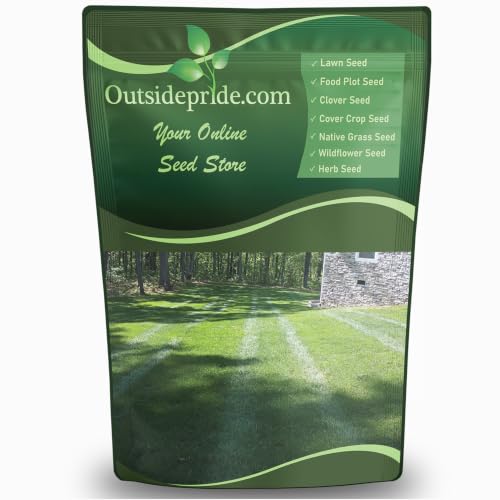
Outsidepride SPF-30 Hybrid Bluegrass Seed 5 lb

O.M. Scott & Sons Bermudagrass Grass Seed 5 lb

Scotts Grass Seed Drought Tolerant Mix 4 lb
What Each Pick Brings To The Table
This cool-season-leaning mix behaves like a sun-loving survivor in Alabama’s transitional pockets, where summer afternoons push past the 95°F mark and humidity sits heavy through the night. The blend leans on tall fescue and Texas bluegrass, two species chosen because they keep photosynthesizing (converting sunlight into energy) when common Kentucky bluegrass goes dormant. The result is a lawn that stays green longer into July than most cool-season blends, especially in northern counties that don’t quite feel full Deep South.
What separates this seed from cheaper tall fescue bags is a waxy leaf coating, the kind that feels slightly slick between your fingers. That cuticle (the outermost waxy layer on each blade) slows water loss, so each blade functions almost like a sealed straw. For most backyards with full sun and decent soil prep, that single attribute is the difference between watering daily and watering every other day during a dry stretch.
Strengths Worth Knowing
- Handles summer heat up to 100°F without going fully dormant
- Waxy cuticle reduces how often you need to drag out the sprinkler
- Tolerates light shade, useful near porches or tree lines
- Strong disease resistance in humid coastal air
- Establishes well in clay-heavy Alabama soils with basic prep
Trade Offs To Consider
- Cool-season base means some browning during peak July-August heat
- 3 lb bag covers limited square footage for full reseeding projects
- Needs consistent early watering to germinate in warm soil
Who It Suits Best
Homeowners in north and central Alabama with full-sun lawns who want a fescue-leaning look without the constant babysitting that Kentucky bluegrass demands in heat.
Skip It When
You’re rebuilding a large southern lawn from scratch and want pure warm-season performance, where the Jonathan Green Blue Panther Bermudagrass Grass Seed 1 lb fills in faster.
Jonathan Green built this blend specifically for the South, stacking Bermudagrass, Texas bluegrass, and tall fescue into a single bag to bridge the gap between warm-season performance and cool-season color. Bermudagrass is the workhorse: a fast-spreading, sun-loving species that thrives in 90°F+ heat and shrugs off humidity-driven fungal issues that punish other grasses. Texas bluegrass adds deeper green color and rhizome (underground stem) spread, while tall fescue keeps the lawn greener through cooler shoulder months.
For Alabama lawns sitting in the transitional zone, where winter lows sometimes dip below 20°F and summer highs roast the soil, the three-species approach reduces the visual drop-off when Bermudagrass finally browns out in late November. You get a thicker, more uniform stand than single-species seed can produce, especially in yards with mixed sun and shade exposure.
A Favorable Mix
- Bermudagrass component handles brutal southern summers
- Texas bluegrass extends green color into early winter
- Tall fescue provides year-round root structure
- Better transitional-zone performance than single-species blends
Honest Caveats
- Each species germinates at a different rate, so early growth looks patchy
- 3 lb bag suits spot overseeding more than full-lawn renovation
- Bermudagrass portion still goes dormant in true winter dormancy
Made For
Property owners in Alabama’s transitional belt who want one bag that handles the seasonal swings without buying separate warm- and cool-season products.
A Better Fit Elsewhere
You need pure warm-season vigor for a full-sun southern lawn and prefer a dedicated Bermudagrass bag, where the Jonathan Green Blue Panther Bermudagrass Grass Seed 1 lb is a more focused match.
When a yard is small but the summer is full-scale Alabama, a focused Bermudagrass seed makes more sense than a general-purpose blend. Jonathan Green’s Blue Panther Bermudagrass is a coated, improved variety built for southern heat, and it spreads with both vertical and lateral rooting, meaning it pushes down deep while also running sideways through the soil to fill bare patches. That’s the kind of growth pattern that recovers from dog spots and foot traffic without constant reseeding.
The smaller 1 lb bag suits spot repairs and small-lawn renovations where you don’t need 5 or 10 lb of coverage. Compared to the broader Jonathan Green Blue Panther Southern Lawn Grass Seed 3 lb reviewed earlier, this version drops the fescue and Texas bluegrass, leaving you with a pure warm-season stand that greens up later in spring but thrives harder through August.
Everyday Perks
- Aggressive vertical and lateral rooting fills bare spots fast
- Coated seed improves germination in warm southern soil
- Reduces winter overseeding need compared to common Bermuda
- Strong wear tolerance for active yards
A Few Limitations
- Goes fully dormant and brown in Alabama winters
- Limited seed quantity restricts use to small yards or patching
Right Fit For
Homeowners with small southern lawns or specific bare patches who want dedicated Bermudagrass performance without paying for a full multi-species blend.
Look Elsewhere When
You need to cover a large lawn area, where the Pennington Bermudagrass Grass Seed 5 lb offers more coverage per dollar.
Scotts folded fertilizer directly into the bag with this Bermudagrass product, so you’re spreading seed and starter nutrients in a single pass. That combination matters in Alabama, where the window for successful Bermuda establishment is narrow: late spring into early summer, when soil temps are reliably warm but regular rainfall still helps seedlings push through. The built-in feeding removes one step from the calendar and gives new grass an immediate nutrient hit at germination.
Coverage scales well for medium-sized yards, and the Rapid Grass format is designed to cut establishment time compared to seed-only products. For homeowners who don’t want to coordinate a separate fertilizer application, this bag simplifies the workflow. If you’ve used the Jonathan Green Blue Panther Bermudagrass Grass Seed 1 lb and wished for more coverage plus feeding, this is the natural step up.
Why It Works Well
- All-in-one seed and starter fertilizer saves application time
- Faster establishment versus seed-only Bermuda products
- Good coverage for medium-sized southern lawns
- Built specifically for warm-season Bermuda performance
Points To Keep In Mind
- Built-in fertilizer means you can’t control nutrient timing separately
- Still goes dormant in Alabama winters like all Bermudagrass
- Requires more frequent watering during the first weeks of establishment
Best Suited To
DIY renovators in Alabama who want to seed and feed a new Bermuda lawn in one pass without juggling separate products on the spreader.
Not Your Match When
You prefer to manage seed and fertilizer timing independently, where the Pennington Bermudagrass Grass Seed 5 lb offers seed-only flexibility.
Pennington’s Bermuda blend is built around aggressive self-spreading varieties with cold-tolerant traits bred in. For Alabama lawns that take a beating from kids, dogs, or weekend football, wear resistance is often the deciding factor, and Bermudagrass already leads that category. The deep root system reaches moisture other grasses miss, and the low-growing habit means fewer clippings during peak summer mow cycles.
The 5 lb bag covers significantly more ground than the 1 lb Jonathan Green Blue Panther Bermudagrass Grass Seed reviewed earlier, making it a practical choice for full-lawn renovations. You may find the 5 lb format especially useful in larger southern yards where patch-bag quantities simply won’t cover the area economically.
A Strong Showing
- Aggressive self-spreading reduces reseeding frequency
- Improved cold tolerance for transitional-zone reliability
- Deep roots improve drought survival in sandy Alabama soils
- Low-growth habit means less mowing through summer
Where It May Fall Short
- Still browns out during winter dormancy
- Needs warm soil (above 65°F) to germinate reliably
- Spread aggressively into garden beds without edging
Who Should Grab It
Property owners with medium to large southern lawns who want pure Bermudagrass performance with wear resistance built into the seed genetics.
Swap It Out When
You want a seed-plus-feed shortcut on a new lawn project, where the Scotts Turf Builder Rapid Grass Bermudagrass 4 lb handles both jobs in one pass.
Sometimes the smartest grass for Alabama heat is no grass at all. Petgrow’s synthetic turf steps in for shaded yards, dog runs, pool surrounds, and rooftop patios where live grass would either fry or refuse to grow. The 1.38-inch pile height gives a lush, natural look underfoot, and the four-tone color blend mimics the variation you’d see in a real mixed-species lawn. The polyethylene construction (a flexible, UV-resistant plastic fiber) holds its color through brutal southern UV exposure far better than cheap mono-tone turf.
For homeowners in urban areas with water restrictions, or anyone tired of fighting crabgrass and brown patch (a common fungal disease in humid southern lawns), this removes the entire maintenance equation. Compared to the living options above, there’s no mowing, no watering, no fungus, and no winter dormancy to dread. The trade-off is upfront cost and installation labor, but for the right spot it’s a long-term install-and-forget solution.
Practical Pluses
- Zero watering, mowing, or fertilizing required
- Stays green year-round regardless of Alabama climate
- Handles pet traffic and rough play without dying out
- Four-tone color blend reads as natural underfoot
Things To Consider
- Heat retention can make surface hot in direct summer sun
- Initial installation requires proper base prep and drainage
- Doesn’t provide the ecological benefits of living turf
Perfect Match For
Homeowners with shaded problem areas, pet runs, or water-restricted zones who want a green surface that survives Alabama’s climate without any horticultural input.
Reach For A Different Pick When
You want a full living lawn with natural soil and grass benefits, where the Pennington Bermudagrass Grass Seed 5 lb is a more traditional path.
Kentucky 31 tall fescue has been a southern lawn staple for decades because it tolerates heat better than most cool-season grasses, and Scotts’ updated mix adds complementary species for thickness and color. The 7 lb bag covers a sizeable yard, which is what most Alabama homeowners reseeding a fescue lawn actually need. The blend is geared toward durability and lower maintenance, two traits that matter when summer weather limits your willingness to baby the lawn every weekend.
For north Alabama lawns that lean cool-season, this mix gives you the familiar fescue look with better heat tolerance than older Kentucky 31 standalone seed. The catch is that even improved fescue still struggles through peak August heat in central and southern Alabama, so this bag really shines in the upper third of the state where summers are hot but not punishing.
Where It Excels
- Tall fescue base tolerates northern Alabama summer heat
- 7 lb bag covers larger yards at lower per-pound cost
- Durable blend suits overseeding existing fescue lawns
- Lower maintenance than traditional Kentucky bluegrass
Worth Noting
- Cool-season base struggles in central and south Alabama summers
- Wider blade texture than Bermudagrass or bluegrass hybrids
Whose Shelf It Belongs On
Homeowners in north Alabama managing existing fescue lawns who want a thicker, more heat-tolerant overseeding option without switching to warm-season grass.
Another Choice May Suit
You live in central or south Alabama and need a truly heat-dominant species, where the O.M. Scott & Sons Bermudagrass Grass Seed 5 lb handles southern summers with more confidence.
SPF-30 is a Kentucky bluegrass crossed with Texas bluegrass, and the “30” refers to its purported ability to handle 30/100 heat-stress conditions that would fry traditional bluegrass. The result is a self-repairing lawn (bluegrass spreads via rhizomes, those underground stems that send up new shoots) that holds color through hot southern summers far better than its cool-season cousins. For Alabama homeowners who love the deep green, fine-bladed look of bluegrass but live in zones where it normally dies out, this hybrid offers a real middle path.
The OptiGrowth coating on each seed improves establishment by retaining moisture around the germinating seedling, which matters in Alabama where surface watering evaporates fast. Compared to the Jonathan Green Black Beauty Heat & Drought Resistant Grass Seed 3 lb, this hybrid leans more heavily into the bluegrass aesthetic while still handling heat up to 100°F. You may find it especially useful in yards with partial shade where Bermuda would struggle.
What Pays Off
- Hybrid genetics handle heat better than standard Kentucky bluegrass
- Self-repairing rhizome spread fills in damage over time
- Fine-bladed deep-green color rivals traditional bluegrass
- Coated seed improves germination in hot southern soil
Practical Considerations
- Slower to establish than Bermudagrass options above
- Higher seed cost per pound than common tall fescue
Who Will Love This
Alabama homeowners who want the classic bluegrass look and feel in a lawn that won’t quit during July and August, especially in transition-zone yards with mixed sun exposure.
Consider Something Else When
You need fast fill-in for a large bare area, where the Scotts Turf Builder Rapid Grass Bermudagrass 4 lb establishes noticeably quicker.
O.M. Scott & Sons has been in the southern lawn business for over a century, and this Bermudagrass blend reflects that heritage with warm-season varieties selected for the southern United States specifically. The 5 lb bag covers substantial ground, making it a sensible choice for full-lawn installations or large patch repairs on established Bermuda yards. For Alabama homeowners wanting that classic southern Bermuda look, this bag is a familiar, straightforward pick.
Compared to the Pennington Bermudagrass Grass Seed 5 lb reviewed earlier, both products occupy similar ground, but the O.M. Scott & Sons option leans into the brand’s long southern track record. The trade-off is that the genetics and trait focus may differ, so homeowners with specific goals (extra wear tolerance, deeper color, faster spread) should compare bag labels carefully before committing.
What Helps Most
- Formulated for southern United States climate conditions
- High heat resistance for full-sun Alabama lawns
- 5 lb bag suits medium to large lawn coverage
- Heritage brand with long southern lawn-care history
Some Limits To Know
- Goes dormant and brown during winter months
- Requires warm soil temperatures for reliable germination
Built With In Mind
Traditional Alabama homeowners who want a full-sun southern Bermuda lawn from a brand with deep roots in southern lawn care.
Where A Sibling Pick Shines
You need combined seed-and-fertilizer convenience, where the Scotts Turf Builder Rapid Grass Bermudagrass 4 lb bundles feeding into the seeding pass.
Scotts’ drought-tolerant mix combines tall fescue and Kentucky bluegrass, two species selected for their ability to push roots deep into the soil profile (the vertical layers of soil beneath your lawn) in search of moisture. In Alabama, where mid-summer dry spells can crack clay soil and punish shallow-rooted grasses, that downward growth habit is what keeps the lawn green when shallow-rooted neighbors go brown. The self-repairing bluegrass component fills in bare spots over time, which matters on sloped yards that wash out during heavy rain.
For Alabama lawns with mixed sun exposure, especially in transitional zones, this mix offers more drought resilience than pure Bermuda while still handling reasonable heat. The 99.99% weed-free seed claim also means fewer surprise crabgrass and dallisgrass (a common southern weed) seedlings showing up where you planted fescue. Compared to the Jonathan Green Black Beauty Heat & Drought Resistant Grass Seed 3 lb, this Scotts mix leans more heavily on fescue and adds bluegrass self-repair into the equation.
The Practical Payoff
- Deep root system reaches moisture during Alabama dry spells
- Self-repairing bluegrass fills in damaged areas over time
- Suitable for spring or fall establishment in 65–85°F air temps
- Clean seed stock reduces early weed competition
Factors To Consider
- Cool-season base means some summer stress in peak August heat
- Best establishment window is narrower than warm-season options
The Right Fit
Alabama homeowners with sloped or fast-draining yards who want a deep-rooted blend that survives dry stretches without constant irrigation.
A Better Fit Elsewhere
You want a true heat-dominant warm-season lawn for full-sun southern Alabama, where the Pennington Bermudagrass Grass Seed 5 lb handles summer with less stress.
What To Weigh Before Choosing Alabama Grass Seed
Alabama’s climate splits roughly into three regions, and matching grass to region matters more than picking the prettiest bag. North Alabama leans into the transitional zone, where cool-season fescues and bluegrass hybrids survive but suffer in July and August. Central Alabama sits in true warm-season territory, where Bermudagrass dominates and fescue struggles. South Alabama adds salt air, sandy soil, and longer growing seasons, where Bermuda, centipede, and St. Augustine are common.
Soil type plays a bigger role than most people expect. Alabama clay compacts hard in summer, and shallow-rooted grasses struggle to push through it. Deep-rooted fescues and bluegrass hybrids handle clay better than thin-bladed Bermuda. Sandy coastal soils, on the other hand, drain fast and demand drought-tolerant species or supplemental irrigation.
Sun exposure is the third filter. Full-sun yards across the state favor Bermudagrass, while partially shaded yards under pines or hardwoods lean toward tall fescue or bluegrass hybrids. Deep shade rules out most turf grasses entirely, which is where the synthetic turf option earns its place.
Finally, consider maintenance tolerance. Bermuda looks like a golf course but requires frequent mowing during peak growth. Fescue stays greener through winter but needs overseeding every few years. Honest assessment of how much weekend lawn work you actually want drives the right pick more than brand loyalty.
Key Considerations Across These Picks
Pitfalls First Timers Hit
The most common Alabama grass mistake is choosing a cool-season blend (fescue or bluegrass) for a central or south Alabama yard that sits in full sun. The grass looks great in April and slowly fades through summer, leaving a thin, weed-prone stand by September. Match the species to the actual climate zone, not the bag aesthetic.
Another trap is skipping soil prep. Alabama clay needs core aeration (mechanically removing small plugs of soil to relieve compaction) or a light top-dress of compost before seeding, especially for fescue and bluegrass. Skipping this step means seed germinates on a hardpan (a dense, compacted layer of soil) and dies back during the first heat wave.
What The Higher Tier Buys
Premium grass seed costs more for several real reasons. Improved varieties often carry patented genetics for deeper roots, better disease resistance, and stronger color retention. Coated seeds (like the Outsidepride SPF-30) hold moisture around each kernel, improving germination rates in tough southern soil. Larger bags with multi-species blends cost more per pound but reduce the need for separate products.
Paying up makes sense when you’re establishing a new lawn from scratch, when soil conditions are tough, or when you want fewer reseeding cycles over the lawn’s life. For spot repairs in an otherwise healthy stand, mid-tier seed handles the job without the premium genetics.
Frequently Asked Questions
What grass stays green year-round in Alabama? No true turfgrass stays green through Alabama winters. Bermudagrass goes dormant and brown from roughly November through March. Tall fescue and bluegrass hybrids stay greener through winter but fade in peak summer. Year-round green in Alabama requires overseeding Bermuda with ryegrass each fall, or installing synthetic turf.
How often should you water new grass seed in Alabama heat? New seed in Alabama summer needs light watering two to three times daily for the first two to three weeks to keep the top inch of soil consistently moist. Once seedlings reach mowing height, taper to deeper, less frequent watering to encourage root growth. Mature Bermuda and fescue lawns generally need about one inch of water per week, applied in one or two deep sessions rather than daily sprinkles.
Can you plant Bermuda grass in the fall in Alabama? Fall Bermuda planting in Alabama is risky. Soil temperatures drop below the 65°F threshold needed for reliable Bermuda germination, and seedlings won’t establish before winter dormancy. Late spring through early summer is the dependable Bermuda seeding window. Fall is better reserved for overseeding existing Bermuda with ryegrass or for establishing cool-season fescue.
Is tall fescue or Bermuda better for Alabama lawns? Tall fescue works better in north Alabama’s transitional climate, where summers are hot but not punishing and winters stay cold. Bermuda works better in central and south Alabama, where summers are long and brutal and fescue struggles. Matching species to region matters more than picking one universal answer for the whole state.
When should you fertilize Bermuda grass in Alabama? Bermuda fertilization in Alabama runs from late spring (after full green-up) through early September. Avoid nitrogen feeding during fall dormancy, which can encourage tender growth that winter damage will kill. Soil tests every two to three years help dial in phosphorus and potassium needs without over-applying nutrients the soil already contains.
The Takeaway
Alabama grass selection comes down to honest climate matching more than brand chasing. Bermudagrass dominates the southern two-thirds of the state, fescue and bluegrass hybrids earn their place in the north, and synthetic turf fills the gaps where living grass simply won’t cooperate. Pick the species your region actually supports, prep the soil before seeding, and water with patience during establishment. The rest is just routine mowing and an annual overseed to keep the stand thick.
