

Central Florida lawns live a tough life. Long humid summers, sandy soil that drains a little too well, and the occasional cold snap test every blade you plant. Picking the right grass (or the right artificial turf, or the right fertilizer to back it up) makes the difference between a yard you brag about and one you apologize for.
This roundup covers seed mixes built for the heat, a synthetic option for tricky spots, and a fertilizer made for southern turf. Each pick has a clear use case, honest trade-offs, and a shortlist of who should grab it.
A Fast Comparison Of The Options

Jonathan Green Black Beauty Dense Shade Grass Seed – 1 lb

Jonathan Green Black Beauty Heat & Drought Resistant Grass Seed – 3 lb

Jonathan Green Blue Panther Southern Lawn Grass Seed – 3 lb

Pennington Bermudagrass Grass Seed, Bermuda Grass Seed, 5 lb

Petgrow 1.38Inch Realistic Artificial Grass Turf-5FTX10FT,Custom Size

Scotts Kentucky 31 Grass Seed Mix, 20 lbs.
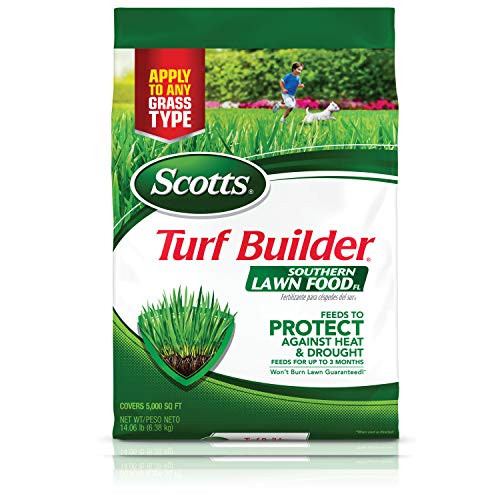
Lawn Fertilizer by Scotts Miracle Gro
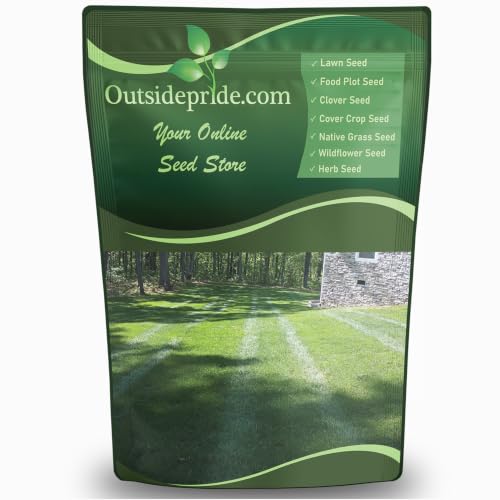
Outsidepride SPF-30 Hybrid Bluegrass Seeds – 5 lbs. Heat & Drought Tolerant, Texas Bluegrass & Kentucky Bluegrass Seed Mix for Challenging Climates, OptiGrowth Coated for Better Establishment

O.M. Scott & Sons Bermudagrass Grass Seed, 5 lbs.
A Breakdown Of The Leading Choices
Most warm-season grass mixes bake out under oak canopies, but this blend leans into the shade rather than running from it. Endophytes (a beneficial fungal partner that lives inside the grass) help the plant fend off stress and insects, which matters when the lawn sits under a roof line all afternoon. The 14 to 21 day germination window is reasonable for a shade mix, and the dark-green color it eventually produces is the kind of deep tone that makes neighbors slow down.
You will want this where sun-loving picks like the Pennington Bermudagrass simply refuse to grow. Tree-rooted strips and shadowed side yards are its sweet spot.
Key Advantages
- Shade-tolerant varieties that hold color under big oaks and roof overhangs
- Endophyte-enhanced seed for natural insect and stress resistance
- Dark-green turf finish that looks fuller than most fescue blends
- Reasonable 14 to 21 day germination for a cool-season shade mix
Worth Noting
- Endophytes require a clean mower bagging routine; clippings left in piles can reduce the benefit over time
- One pound covers a modest area, so larger shaded lawns may need multiple bags
Key Product Details
Who It Suits Best
Homeowners with mature tree canopies or shadowed side yards where St. Augustine and Bermuda struggle to fill in.
Where Another Pick Suits Better
For sunny, open lawns in central Florida, the Pennington Bermudagrass Grass Seed will spread faster and tolerate more foot traffic.
This is the cool-season mix that pretends it is warm-season. Tall fescue and Texas bluegrass team up, and the waxy leaf coating (think of the natural skin on a fresh apple) slows evaporation when the thermometer pushes past 100°F. It performs best in full sun to light shade, which lines up well with most central Florida lots that have a mix of both.
You will appreciate this where you have let a fescue lawn ride through a brutal August and watched it crisp up. The trade-off is that it still thinks of itself as a transition-zone grass, so a hard frost can set it back.
Well-Handled Touches
- Heat tolerance up to roughly 100°F, unusual for a tall fescue blend
- Waxy leaf cuticle that holds moisture during dry stretches
- Doubles as a cool-season option for overseeding dormant Bermuda
Trade Offs
- Still prefers cooler nights, so peak midsummer growth can stall in the hottest microclimates
- Best as an overseed or transitional lawn, not a permanent replacement for true Bermuda or St. Augustine
Best Suited To
Homeowners who want a cool-season look in the shoulder months and a heat-tolerant stand once summer arrives.
Look Elsewhere When
You want a permanent warm-season carpet. The O.M. Scott & Sons Bermudagrass Grass Seed is purpose-built for that job.
Blue Panther plays both sides of the transition-zone fence. Bermudagrass powers through July, while Texas bluegrass and tall fescue pick up the slack when temperatures drop. The mix is aimed at southern and transitional climates, so central Florida falls right in the bullseye.
For most homeowners in Orlando or Lakeland, this kind of three-species blend reduces the patchy look you get from a single-species lawn that goes half-dormant in December. You trade a small amount of uniformity for year-round coverage.
Advantages To Know
- Three-species blend (Bermudagrass, Texas bluegrass, tall fescue) for season-spanning color
- Targets southern and transition-zone climates specifically
- Cynodon dactylon (Bermudagrass) component handles heavy summer sun
Honest Caveats
- Multi-species seed often germinates unevenly, so expect patchy early coverage that fills in over weeks
- Bermudagrass portion can spread aggressively into flower beds if not edged
Feature Snapshot
Made For
Homeowners in central Florida counties that sit on the line between true southern heat and occasional winter frost.
Swap It Out When
You need a dedicated shade solution. The Jonathan Green Black Beauty Dense Shade Grass Seed is engineered for that problem instead.
Pennington’s Bermuda is the athletic-field option. The blend spreads aggressively on its own, sending out rhizomes and stolons (underground and above-ground runners) to fill bare patches without constant reseeding. A deep root system pulls moisture from deeper in the soil, which helps during those weeks when the rain simply does not show up.
Improved cold-tolerant varieties keep the lawn from dying back the moment the thermometer dips below 40°F. The honest trade-off is dormancy: Bermuda will turn brown in deep winter, and the low-growing blend produces fewer clippings only if you mow on a tight schedule.
Useful Highlights
- Self-spreading growth pattern repairs thin spots without reseeding
- Deep root system improves drought survival
- Improved cold tolerance for a southern Bermuda
- Wear-resistant turf suited to kids, dogs, and weekend soccer
Points To Keep In Mind
- Goes fully dormant and brown in winter, which some homeowners dislike aesthetically
- Aggressive spread means regular edging along walkways and beds
Quick Facts
Who Should Grab It
Homeowners with sunny, high-traffic yards who want a turf that repairs itself and does not mind a winter brown-out.
A Better Fit Elsewhere
For a perpetually green lawn with no dormancy window, the Outsidepride SPF-30 Hybrid Bluegrass Seeds stay greener through more of the year.
Sometimes the smartest grass choice is no grass at all. The Petgrow turf is a 5 by 10 foot polyethylene mat with a 1.38-inch pile height and a dense 70 oz face weight, the kind of mass that keeps the blades upright instead of matting flat. The four-tone color blend mimics the variation you see in a real lawn rather than that flat golf-green plastic look.
It shines in dog runs, narrow side yards, and shaded zones where every seed mix on this list would struggle. You skip mowing, watering, and fertilizing entirely, and the surface drains well after a thunderstorm.
Positive Points
- Year-round green without irrigation, fertilizer, or mowing
- High face weight keeps blades from matting under foot traffic
- Multi-tone color reads as natural rather than synthetic
Less Ideal Details
- Surface heat can climb in direct August sun, so a rinse-down helps pets
- 5 by 10 foot size is fixed; larger installations require seams and additional pieces
Perfect Match For
Pet owners and shade-strapped homeowners who want a clean, green surface in spots where real grass refuses to grow.
Not Your Match When
You want a full backyard of authentic living turf. The Pennington Bermudagrass Grass Seed covers much larger areas for far less.
Kentucky 31 tall fescue is a legacy grass that has been covering southern lawns since the 1950s, and Scotts has blended it with complementary varieties to push coverage and color beyond the original. The 20-pound bag covers serious square footage, so you are not running back to the store mid-project.
It is the right scale for new lawns on a budget and for overseeding thin warm-season lawns heading into fall. The catch is heat tolerance: tall fescue in zone 9 needs a bit more attention in July than the Bermuda or bluegrass options.
Real Benefits
- Large 20-pound bag suited to new-lawn and overseeding projects
- Tall fescue base delivers durability with lower watering needs than Kentucky bluegrass alone
- Blended for thicker coverage than single-variety K31 mixes
Possible Compromises
- Tall fescue can thin out during peak Florida summer heat without supplemental irrigation
- Coarser blade texture than Bermuda or bluegrass, which some homeowners notice
Feature Card
Whose Shelf It Belongs On
Property owners with large lots who want a single-bag overseeding solution without juggling multiple SKUs.
Reach For A Different Pick When
Your yard stays in full sun year-round. The Jonathan Green Blue Panther Southern Lawn Grass Seed handles that profile more naturally.
Even the right grass seed struggles without the right nutrition. This Turf Builder Southern Lawn Food FL is blended for Florida soils and feeds up to three months, which lines up neatly with the long growing season. It is safe across all warm-season grass types, so you do not have to switch products if you mix St. Augustine with Bermuda.
The 5,000, 10,000, and 15,000 square-foot coverage options let you match the bag to your lot without overbuying. Apply during the active growing season on a dry lawn, then water it in.
Useful Strengths
- Florida-specific nutrient blend suited to sandy, often nutrient-poor soils
- Up to three months of feeding reduces how often you reapply
- Compatible with all common warm-season grass types
Practical Considerations
- Application on dry lawn is required, so a watering schedule is part of the routine
- Coverage tiers mean you may need to size up or down depending on exact lot dimensions
Built With In Mind
Homeowners with established Florida lawns who want a fertilizer designed for the state’s soil rather than a generic national blend.
Where A Sibling Pick Shines
If you are still establishing a lawn, the Pennington Bermudagrass Grass Seed addresses the seed side first, with fertilizer coming in once the stand matures.
SPF-30 is a Kentucky bluegrass crossed with Texas bluegrass, which sounds like marketing until you see it hold color through August in zone 9. The OptiGrowth coating on each seed is a polymer layer that holds moisture against the hull during germination, which is the make-or-break window for bluegrass in sandy soil. The result is a self-repairing lawn (bluegrass spreads by rhizomes, unlike fescue) with the heat tolerance of its Texas parent.
You will appreciate the year-round green look, though you will pay a small premium in watering discipline. Hybrid bluegrass handles drought but it does not love it.
The Good Stuff
- Hybrid bluegrass with documented heat tolerance for southern summers
- Rhizome-based self-repair fills in pet damage and small bare spots
- OptiGrowth coating improves germination in sandy or low-moisture soils
- Year-round green appearance without the brown dormancy of Bermuda
Worth Bearing In Mind
- Lower drought tolerance than Bermuda or Zoysia, so a smart irrigation controller helps
- Slower to establish than aggressive warm-season grasses
Right Fit For
Homeowners who want the bluegrass look in central Florida and are willing to water through dry stretches.
Skip It When
Watering restrictions are common in your area. The Pennington Bermudagrass Grass Seed handles drought with less hand-holding.
O.M. Scott has been in the lawn business since the 1800s, and the brand’s Bermudagrass blend leans on that heritage with a warm-season formula aimed at full southern sun. The 5-pound bag is the right size for patching or overseeding an established Bermuda lawn rather than starting one from scratch.
It holds up to heat and recovers well from foot traffic, but the smaller bag size means homeowners with full-lawn renovations will need several. Compared to the Pennington Bermuda, this one leans more toward touch-up and patch work.
Practical Advantages
- Trusted brand with a long track record in southern lawn care
- Heat-tolerant Bermudagrass suitable for full Florida sun
- 5-pound size is manageable for patch and repair jobs
Small Caveats
- Smaller bag than competitors means multiple purchases for full-lawn seeding
- Same winter dormancy as other Bermudas, so the lawn browns out in cold months
Who Will Love This
Homeowners with an existing Bermuda lawn who need a heritage brand to match for patch and overseeding work.
Consider Something Else When
You are seeding a new large lawn from scratch. The Pennington Bermudagrass Grass Seed offers more coverage per bag for that scenario.
What Matters Most When Picking Grasses For Central Florida Lawns
Climate Compatibility Comes First
Central Florida sits in USDA zones 9 and 10, with humid summers that push past 90°F and the occasional light frost in January. Warm-season grasses (Bermuda, St. Augustine, Zoysia, centipede) dominate the region, but cool-season blends like tall fescue and Texas bluegrass can work in transition zones with the right care. A shade mix is essential under live oaks, where sun-loving grasses thin out within a season.
Soil Type And Drainage Drive Establishment
Sandy soil is the norm in central Florida, and it drains fast, sometimes too fast for shallow-rooted varieties. Look for seed with a waxy leaf coating or a polymer coating (like Outsidepride’s OptiGrowth), which buys time during germination. A starter fertilizer with phosphorus supports root development in new lawns, while ongoing feeding with a Florida-specific blend keeps established turf green through summer stress.
Use Case Sets The Real Priority
A dog run, a putting green, and a front-yard showcase all need different grass. High-traffic yards benefit from self-spreading Bermuda with deep roots. Shaded side yards call for a shade-tolerant fescue mix. Pet zones where grass simply will not survive may be better served by artificial turf that needs no water or mowing at all.
Key Considerations Across These Picks
Pitfalls Shoppers Hit
Many people seed at the wrong time of year, planting Bermuda in November and watching it fail before it can establish. Warm-season grasses should go down in late spring through summer; cool-season blends perform best as fall overseed. Skipping a soil test is another common slip, since central Florida’s sandy ground often needs pH adjustment and starter phosphorus to support new seed.
Where The Extra Money Goes
Higher-tier grass seed usually includes a polymer coating, a multi-species blend, or improved cultivars bred for heat and disease resistance. For a small patch, a budget bag is fine. For a full-lawn investment, the coated and blended options translate to faster germination, fewer bare spots, and a more uniform appearance through the first full year. The upgrade is worth it when the lawn is a focal point of the property, less so for back-corner utility areas.
Frequently Asked Questions
What Is The Best Grass For Central Florida Lawns In Full Sun?
Bermudagrass is the go-to for full-sun central Florida lawns. It spreads aggressively, develops a deep root system, and handles the long summer heat. Pennington’s Bermuda blend and O.M. Scott & Sons’ classic Bermuda both fit the bill, with Pennington’s larger bag working better for new lawns.
Can Cool-Season Grasses Survive In Central Florida?
Cool-season grasses can survive in central Florida, but they need more water and struggle in midsummer. Tall fescue and Texas bluegrass blends, like the Jonathan Green Black Beauty Heat and Drought Resistant mix, hold up better than traditional Kentucky bluegrass. Treat them as shoulder-season performers rather than year-round workhorses.
How Do I Seed A New Lawn In Sandy Florida Soil?
Start with a soil test, then apply a starter fertilizer. Spread seed at the rate listed on the bag, rake lightly to ensure seed-to-soil contact, and water two to three times daily for the first two weeks. A polymer-coated seed helps retain moisture against the sandy particles during germination.
When Should I Fertilize My Florida Lawn?
Fertilize during the active growing season, which runs from spring through early fall for warm-season grasses. Scotts Turf Builder Southern Lawn Food FL feeds for up to three months, so two applications per year usually cover the season. Always apply to a dry lawn and water in immediately.
Is Artificial Turf A Good Option For Florida Lawns?
Artificial turf works well in small problem areas like pet runs and shaded side yards where real grass struggles. The Petgrow 5 by 10 foot mat handles those spots without irrigation or mowing. Surface heat can climb in direct sun, so a quick rinse helps pets stay comfortable in peak summer.
Final Verdict
The right grass for your central Florida lawn depends on sunlight, traffic, and how much time you want to spend on upkeep. Bermuda leads for sunny, high-use yards; shade-tolerant fescue fills the gaps under trees; hybrid bluegrass keeps a year-round green look with a bit more water. Pair your seed with a Florida-specific fertilizer, seed at the right time of year, and the lawn has a real shot at thriving.
