

Working with heavy clay soil turns basic lawn care into a slow grind. The dense particles hold water, starve roots of oxygen, and turn summer into a patchy mess for the wrong grass. The right seed and soil strategy cuts through that stubbornness, so this roundup walks through the products that actually move the needle in compacted ground, from gypsum amendments that crack open the soil to cool-season blends bred to push roots deep past the clay layer.
The Essentials At A Glance

Jonathan Green Love Your Soil Lawn Food 5,000 Sq Ft

Jonathan Green Black Beauty Heavy Traffic Grass Seed 3 lb

Jonathan Green Black Beauty Dense Shade Grass Seed 1 lb

Jonathan Green Black Beauty Heat & Drought Resistant Grass Seed 3 lb

Espoma Organic Garden Gypsum Soil Conditioner 6 lb
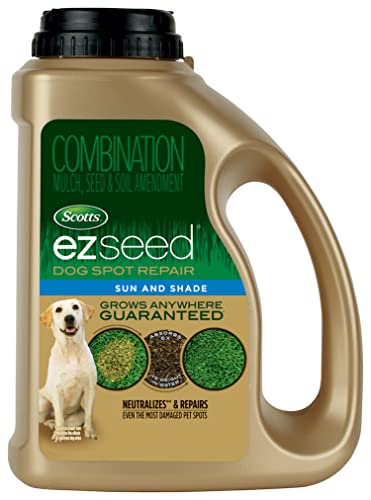
Scotts EZ Seed Dog Spot Repair Sun and Shade 2 lbs
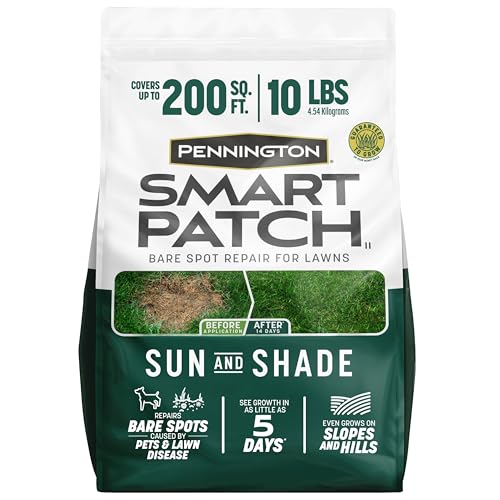
Pennington Smart Patch Grass Seed Sun and Shade Repair Mix 10 lb
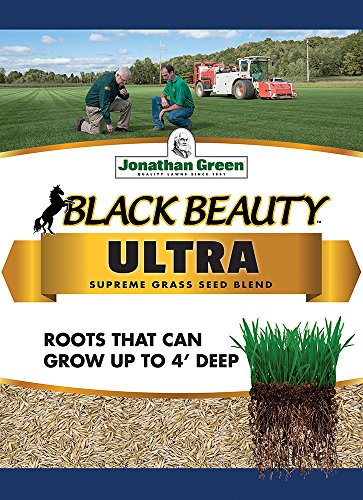
Jonathan Green 40322 Black Beauty Ultra Grass Seed 7 lb

Outsidepride PC2.0 Penncross Creeping Bent Grass Seed 5 lbs

Scotts Grass Seed Drought Tolerant Mix 4 lbs
A Closer Look At Each Pick
Starting a lawn on clay without loosening the ground first usually means wasted seed and shallow roots. Jonathan Green Love Your Soil acts as a soil food that opens up compacted earth, letting air and water move through where they could not before. The 5,000 square foot bag covers most mid-sized yards in a single pass.
For homeowners trying to renovate a struggling patch of clay without tilling the whole yard, this product earns its place at the top of the workflow. Pair it with one of the seed blends later in this list, and the result is a lawn that finally drinks deeply instead of puddling on top.
Bright Spots
- Breaks up dense clay so air and water reach root zones where they normally stall
- Stimulates soil microbes that build long-term soil health, not just a quick green-up
- Doubles as a recovery treatment for existing lawns and a prep step for new seeding
- Works on more than grass, also suitable for trees, shrubs, tomatoes, and other garden beds
Things To Consider
- Best results come from repeat applications across a season rather than one quick pass
- Spreader calibration matters, over-application on thin lawns can leave visible residue
Key Product Details
Right Fit For
Homeowners preparing a clay yard for overseeding or full renovation who want to fix the soil before laying down fresh seed.
Consider Something Else When
Scotts Grass Seed Drought Tolerant Mix makes more sense for someone who already has workable soil and just needs a resilient seed blend.
Backyard play, dog runs, and weekend soccer games shred most grass fast, especially when the underlying soil is clay. Black Beauty Heavy Traffic leans on tall fescues and perennial rye, two species known for tough blades and quick recovery. The cool-season mix suits northern and transition-zone lawns where the growing season stays moderate.
Compare that to the shade-focused pick further down, which trades wear tolerance for low-light survival. This seed goes the other direction: built for the high-impact zones where the lawn takes a daily beating.
Key Advantages
- Tall fescue and perennial rye blend handles foot traffic from kids, pets, and athletes
- Produces a uniform texture suited to sports fields and curb strips
- Cool-season varieties establish well in fall and spring planting windows
Points To Note
- Struggles in deep shade, needs at least partial sun to thrive
- Without soil prep, the rye component can show stress in heavy clay during summer heat
- Three-pound bag covers smaller patches rather than full-lawn renovations
Made For
Active families and pet owners with full-sun clay lawns who need a seed that bounces back after heavy use.
Look Elsewhere When
Jonathan Green Black Beauty Dense Shade Grass Seed suits shaded lots better, while Outsidepride Penncross Creeping Bent Grass Seed fits those wanting a putting-green finish.
Trees, tall shrubs, and nearby buildings can choke a lawn of sunlight, and the wrong seed simply gives up. This dense-shade mix from the same Black Beauty line targets those tough low-light pockets. You get a darker green turf than most fescue blends, with endophytes, which are natural fungi living inside the grass that help resist insects and stress.
Germination runs roughly 14 to 21 days under decent conditions, so patience matters. The one-pound pouch is sized for patching trouble spots under big trees rather than full-yard coverage.
A Few Highlights
- Shade-tolerant varieties handle dappled light and tree-filtered sun
- Endophyte-enhanced seed resists common surface-feeding insects
- Produces a darker green color than typical fescue blends, which many homeowners prefer visually
Worth Noting
- One-pound bag suits smaller repair jobs, larger shaded lawns need multiple bags or a bigger format
- Heavy shade combined with wet clay can slow establishment, so surface drainage still matters
Feature Snapshot
Best Suited To
Homeowners with mature trees casting heavy shade over clay soil who need grass that survives low-light conditions.
Skip It When
Jonathan Green Black Beauty Heat & Drought Resistant Grass Seed is the better choice for open, sunny yards that bake in summer.
When summer temperatures climb past 100°F, ordinary cool-season grasses brown out fast. This Black Beauty variant combines tall fescue with Texas bluegrass, a hybrid designed to take the heat. The fescue component carries a waxy leaf coating, think of it as a natural moisture seal, that limits evaporation through hot afternoons.
Full sun to light shade suits it best. For transition-zone yards where summers hit hard and clay soil already traps heat, this seed fills a real gap.
What Pays Off
- Tolerates temperatures up to 100°F, unusual for a cool-season blend
- Waxy leaf coating preserves moisture during dry stretches
- Texas bluegrass component brings better heat tolerance than standard Kentucky bluegrass
Trade Offs
- Establishes slower than rye-heavy mixes, so weed pressure can creep in during the first season
- Three-pound bag works for patching but not for full lawn establishment in larger yards
Whose Shelf It Belongs On
Transition-zone homeowners with hot summers and clay subsoil who keep losing standard cool-season grass by midsummer.
Reach For A Different Pick When
Espoma Organic Garden Gypsum Soil Conditioner is a smarter first step for someone whose soil is so compacted that no seed will thrive until the ground opens up.
Gypsum, a mined mineral composed of calcium sulfate, works by replacing sodium and helping clay particles clump into larger aggregates, which improves drainage and air flow. Espoma’s pelletized version skips the dusty powder, so a standard drop or broadcast spreader handles application without clogging. The 6-pound bag covers a modest garden or a section of lawn.
Unlike the Jonathan Green soil food earlier in this list, gypsum does not feed microbes. It works on soil structure directly, which makes it a useful complement rather than a swap.
Features That Help
- Pelletized form spreads cleanly through drop and broadcast spreaders
- 100 percent mined gypsum, no synthetic fillers or additives
- Also helps repair turf burn from winter de-icing salts and pet spots
- Usable any time during the growing season
Honest Caveats
- Works slowly, expect multiple applications across a season for visible results
- Smaller bag size suits garden beds or spot treatments rather than whole-yard coverage
Feature Rundown
Perfect Match For
Organic-focused gardeners working to break up clay soil long-term without synthetic soil-wetting agents.
Swap It Out When
Jonathan Green Love Your Soil fits better for homeowners who want a single product that loosens soil and feeds microbes at the same time.
Dog urine burns hit lawns hard, especially in clay where salts concentrate near the surface. Scotts EZ Seed Dog Spot Repair combines a salt neutralizer with a seed-and-mulch blend that expands to surround each seed. The mix draws on perennial ryegrass, fine fescue, and Kentucky bluegrass to cover sun and partially shaded areas.
Think of this product as a targeted fix rather than a full-lawn solution. It belongs in the toolkit of anyone whose dog has turned favorite spots into brown craters.
A Few Strong Suits
- Built-in salt neutralizer addresses the root cause of urine burn, not just the bare patch
- Expanding mulch protects seed and holds moisture during germination
- Works in both sun and moderate shade
Less Ideal Details
- Two-pound pouch is sized for spot repair, full yards need a different product
- Sealed mulch coating can crust over if watered too lightly, requiring more attentive irrigation
Who Will Love This
Dog owners dealing with recurring urine burn patches on clay-heavy lawns who need a one-step repair product.
A Better Fit Elsewhere
Pennington Smart Patch Grass Seeds Sun and Shade Repair Mix is the right call for larger repair jobs beyond just pet damage.
Big repair jobs demand more than a tiny pouch of spot seed. Pennington Smart Patch scales up to a 10-pound bag, covering up to 600 square feet of damaged lawn. The blend includes starter fertilizer and beneficial microbials that help prevent disease while the new grass establishes.
It suits yards with mixed light conditions, where full sun transitions to moderate shade through the day. The all-in-one format cuts out the extra step of buying a separate starter fertilizer.
Positive Takeaways
- Includes starter fertilizer, so no separate feeding step is required
- Beneficial microbials support disease resistance during establishment
- Handles both sunny and partially shaded repair zones
Small Caveats
- Ten-pound bag is bulkier to store than smaller pouches
- Best applied during active growing windows, off-season seeding can stall
- Works for repair, not a substitute for full lawn renovation seed mixes
Built With In Mind
Homeowners with mid-sized patchy areas on clay soil who want fertilizer and seed in one application.
Not Your Match When
Jonathan Green 40322 Black Beauty Ultra Grass Seed is the better fit for full-lawn renovations rather than spot repairs.
Renovating a whole clay lawn in one shot calls for a multi-species blend. Black Beauty Ultra combines tall fescue, elite Kentucky bluegrass, and perennial ryegrass, three species that fill different roles. Fescue handles drought stress, bluegrass spreads to fill gaps, and ryegrass germinates fast to hold the soil while slower species catch up.
The 7-pound bag covers roughly 2,800 square feet, enough for a typical suburban yard. The naturally insect-resistant varieties cut down on surface feeding pressure during the vulnerable first year.
Everyday Wins
- Three-species diversity gives the lawn multiple recovery paths through stress
- Covers a full yard in a single bag at the listed rate
- Dark green color from the Black Beauty line runs consistently across the mix
- Insect-resistant varieties reduce pest pressure without chemical treatments
Points To Keep In Mind
- Establishment takes a full season for the slower bluegrass component to fill in
- Works best when paired with soil prep, skipping that step on heavy clay can thin results
Quick Facts
The Right Fit
Homeowners planning a full lawn renovation on clay soil who want one bag to cover the entire project.
Where A Sibling Pick Shines
Jonathan Green Black Beauty Heavy Traffic Grass Seed suits backyards with active kids and dogs better, since it leans harder into wear tolerance.
Creeping bentgrass is the grass behind golf greens, and Outsidepride’s Penncross variety is the classic choice for that manicured, carpet-like look. The dense, upright growth crowds out Poa annua, a common weedy grass that plagues fine turf. Wear tolerance is high, so it handles foot traffic better than most bent varieties.
For homeowners chasing a refined lawn or building a backyard putting green, this is a specialty pick. It demands more mowing and care than standard fescue blends, so it suits dedicated hobbyists rather than set-and-forget gardeners.
The Good Stuff
- Golf course grade density produces a smooth, uniform surface
- Crowds out Poa annua and other common lawn weeds
- High wear tolerance for a bentgrass, more resilient than older strains
Room For Improvement
- Demands frequent mowing at low heights, not a low-fuss lawn
- Needs consistent irrigation and fertility to stay thick and weed-free
- Best suited to specific zones like greens and tees, less ideal for full residential lawns
Who Should Grab It
Hobbyists building a backyard putting green or homeowners who want a manicured, golf-style lawn and are willing to maintain it.
Another Choice May Suit
Jonathan Green 40322 Black Beauty Ultra Grass Seed is the more practical option for traditional residential lawns that need less daily upkeep.
Drought-tolerant grass earns its keep when water restrictions hit or summer rains dry up. Scotts’ mix leans on tall fescue and Kentucky bluegrass, two species that send roots deep enough to chase moisture past the hard clay layer. The bluegrass component self-repairs, filling in bare spots without reseeding.
Apply in spring or fall when air temperatures sit between 65°F and 85°F for the best germination window. The 4-pound bag fits smaller yards and overseeding projects.
Strengths Worth Knowing
- Tall fescue drives roots deep, helping the lawn find water below the clay layer
- Self-repairing bluegrass fills in worn spots naturally over time
- Suitable for both new lawns and overseeding existing turf
What To Weigh
- Application timing matters, planting outside the 65 to 85°F window slows germination
- Smaller bag suits modest yards or patch projects, not full-acre coverage
Perfect Match For
Homeowners in regions with hot, dry summers and clay soil who want a low-input lawn that survives drought without daily watering.
Look Elsewhere When
Jonathan Green Black Beauty Heat & Drought Resistant Grass Seed brings Texas bluegrass into the mix for tougher heat tolerance in transition zones.
What Matters Most Before Choosing Grasses For Clay Soil
Soil Preparation Comes First
No seed blend overcomes truly compacted clay without help. Aeration, gypsum, or a soil food like Jonathan Green Love Your Soil should run ahead of any seeding project. Skip this step and you are throwing seed at ground that cannot breathe.
Match Seed to Sun and Traffic Conditions
A shady backyard under big maples needs different seed than a full-sun soccer field. The Black Beauty line splits into heavy-traffic, dense-shade, heat-resistant, and all-purpose options for exactly this reason. Picking the wrong profile wastes both seed and a growing season.
Cool-Season vs. Warm-Season Climate
Northern and transition-zone lawns lean cool-season, fescues, ryegrass, bluegrass. Deep South lawns need warm-season species like Bermuda or Zoysia. The seed in this roundup suits cool-season and transition-zone conditions primarily.
Realistic Maintenance Expectations
Specialty picks like creeping bentgrass produce a stunning lawn but demand weekly mowing and steady irrigation. Standard fescue blends tolerate neglect better. Match the seed to the time you can actually invest.
Key Considerations Across These Picks
Common Shopping Slip Ups
Skipping the soil test is the biggest miss. Many shoppers grab a seed bag, broadcast it, and wonder why nothing takes. Clay ground often needs pH adjustment, organic matter, or gypsum before seed can establish. Buying seed before assessing the soil is a common order-of-operations error.
Another trap is choosing a high-maintenance variety like bentgrass for a busy household. The lawn looks great for a month, then falls apart without consistent care. Pick the seed that matches your real schedule, not the most beautiful one on the listing.
Where The Extra Money Goes
Premium blends cost more because they include multiple species, treated coatings, or higher-purity seed. Endophyte-enhanced seed costs a bit extra but reduces insect damage naturally, which can pay back in lower chemical spending. Self-repairing bluegrass varieties fill in bare spots over time, cutting down on reseeding costs across the lawn’s life.
Frequently Asked Questions
What grass grows best in clay soil?
Tall fescue and perennial ryegrass tend to perform well in clay because they develop deep, fibrous root systems that push through dense soil. Kentucky bluegrass also works once the soil is loosened and amended. Match the species to your climate and sun conditions for the best results.
How do you prepare clay soil for grass seed?
Aerate compacted areas, then work in a soil conditioner like gypsum or a microbial soil food. Rake the surface smooth before broadcasting seed, and keep the top inch consistently moist during germination. A starter fertilizer helps young roots establish in tough ground.
When is the best time to seed a clay lawn?
Fall and early spring are the strongest windows, when soil temperatures sit between 50°F and 65°F and rainfall tends to be reliable. Planting during summer heat stresses seedlings, especially in clay that holds heat. Avoid seeding right before frost or during drought.
Can you grow grass in pure clay without amending?
Results tend to be poor without some form of amendment. Pure clay compacts, drains poorly, and starves roots of oxygen. Even tough species like tall fescue struggle without at least basic aeration and organic matter worked into the top few inches.
How long does it take grass to establish in clay soil?
Expect 14 to 30 days for germination, depending on the species, and a full growing season for the lawn to thicken and self-repair. Clay slows root expansion compared to loam, so the first year matters most. Consistent watering and patience pay off across the second season.
The Takeaway
Clay soil rewards patience and the right product pairing. Start with a soil conditioner to open the ground, then choose a seed blend matched to your sun, traffic, and climate. The picks above cover the range from quick pet-spot fixes to full-lawn renovation, so your specific situation should map to one of them without much guesswork.
