

Dog owners know the heartbreak of stepping outside to a lawn pockmarked with yellow patches. Between the chemistry of nitrogen-heavy waste and the realities of pet traffic, even well-fed turf struggles to bounce back. The right product depends on what you actually need: a synthetic surface that neutralizes odor at the source, real seed that reclaims bare spots, a soil fix that resets the pH (a measure of soil acidity or alkalinity on a 0-14 scale), or a chewable that works from the inside out. This list covers all four angles, so you can match the fix to the surface, the pet, and the season.
A Closer Look At The Lineup

BioTurf Granular Turf Infill – Yard Odor Eliminator 1 Gallon Pail

Scotts EZ Seed Dog Spot Repair Tall Fescue Lawns, 2 lbs.
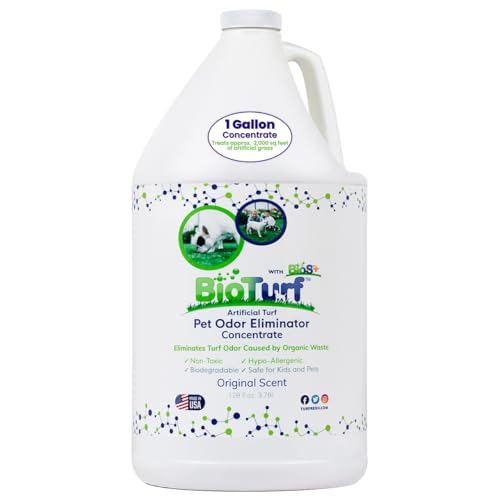
BioTurf BioS+ Turf Cleaner Concentrate, 1 Gallon

Hompet Dog Grass Pad with Tray, 41″x27″, Large
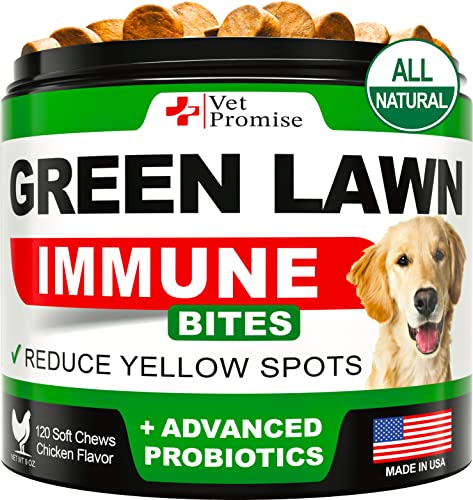
Grass Burn Spot Chews by Vet Promise

NaturVet Yellow to Green Lawn Pet Spot Remover Spray
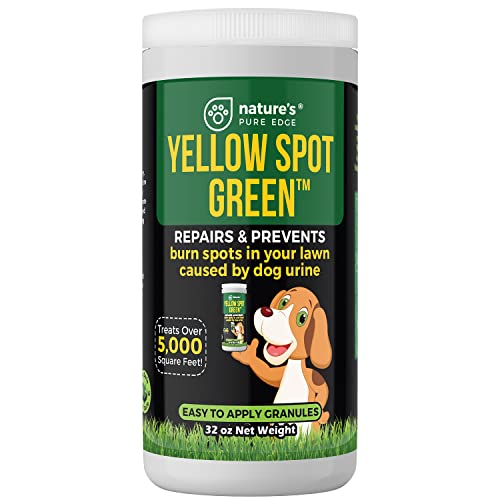
Yellow Spot Green Dog Urine Neutralizer, 32 Ounce

Paws and Play Turf Cleaner for Pet Urine, 32 Fl Oz

Urine & Odor Turf Detox Enzyme Cleaner, 32 oz
Why These Options Stand Out
Synthetic lawns solve the burn-spot problem but create a new one: urine smell that lingers in the infill, the loose material (often sand or rubber) that sits between artificial grass blades. BioTurf’s granular infill is designed to drop into that layer and neutralize odor at the source rather than just masking it with fragrance.
You pour it into the turf and brush it in, so application is closer to a maintenance chore than a science project. For dog runs and backyard strips where pets go daily, the one-gallon size covers a meaningful area. The honest read is that granular infill only helps if your turf actually has infill to refresh; on a dense, fully backed pad, you’d see less payoff.
Where It Helps
- Works at the infill layer where urine tends to settle
- Safe for kids and pets once applied and brushed in
- One gallon covers a full dog-run-sized section
- Doubles as routine maintenance, not just damage control
Worth Noting
- Less effective on turf without a deep infill layer
- Needs a stiff brush to work the granules down properly
Made For
Owners of installed artificial grass who want a routine odor reset without a hose-down every week.
Look Elsewhere When
You want a portable solution, in which case the Hompet Dog Grass Pad with Tray is a better fit for apartment or balcony living.
If you have actual grass, and specifically tall fescue, the Scotts blend is a three-in-one patch kit: seed, expanding mulch, and a soil amendment meant to neutralize the salts that cause burn. You rake, scatter, water, and wait. For most backyards, the timing matters more than the brand; you want soil warm enough to germinate and enough hose time to keep the mulch damp.
The trade-off shows up in the re-seeding window. Bare spots often return if the dog keeps using the same path, and the formula is blended for tall fescue, so warm-season grass owners should look elsewhere. Compared to the BioTurf granular above, this is a living-surface fix, not a synthetic one.
Reasons It Performs
- Three components in one bag simplify patch repair
- Targets urine salts rather than just covering damage
- Mulch expands to cradle seedlings during dry spells
Trade Offs
- Blended specifically for tall fescue, not Bermuda or zoysia
- Results fade if the dog uses the same route daily
- Needs consistent watering for two to three weeks
Feature Snapshot
Best Suited To
Homeowners with tall fescue lawns who need to repair a few recurring yellow patches each season.
Skip It When
Your lawn is warm-season grass, in which case the Yellow Spot Green Dog Urine Neutralizer is a more universal soil fix.
The BioS+ bottle is a concentrate, meaning you dilute it with water before use, which is what makes one gallon stretch across an entire synthetic yard. The active ingredients are bio-enzymatic (natural proteins that break down organic waste like urine into simpler compounds), so they target the source of odor rather than layering a fake-fresh scent on top. For anyone whose kennel or dog run has been through a hot summer, the difference after one application is often noticeable.
Compare that to the granular BioTurf infill reviewed earlier: the infill drops into the turf, while this gets sprayed on after dilution. The catch is that you need a pump sprayer and the patience to coat the whole surface evenly. For most artificial-grass owners, the bulk size pays off in fewer repeat orders.
Key Advantages
- Concentrate format stretches across larger lawns
- Enzymatic action digests organic residue at the source
- Works for both artificial turf and natural grass edges
Small Caveats
- Requires a sprayer and accurate dilution
- Wet surface needs time to dry before pets return
Whose Shelf It Belongs On
Anyone with a sizable artificial-turf installation who wants fewer bottles and a deeper clean between rinses.
Reach For A Different Pick When
You have a small balcony pad rather than a full yard, in which case the Hompet Dog Grass Pad is a more manageable solution.
For renters, apartment dwellers, or anyone with a small balcony, the Hompet grass pad is a way to give a dog a real-grass feel without owning a yard. The system is a stack: artificial turf on top, a drainage insert in the middle, and a hard collection tray on the bottom. Liquid passes through, the pad catches it, and the reusable layer washes out under a faucet.
Where this works best is for small and medium dogs who need a familiar texture. Larger dogs may need two pads to avoid aim problems. The included replacement turf extends the life of the setup, which matters because the grass layer takes the most wear and is the part you’ll need to swap eventually.
Positive Takeaways
- Three-layer design keeps floors dry and clean
- Replacement turf extends the life of the kit
- Works equally well on patios, balconies, or indoors
Practical Considerations
- Larger breeds may need more than one pad placed together
- Drainage insert needs a quick rinse after heavy use
- Artificial grass layer eventually wears and needs replacement
Right Fit For
Apartment or condo owners who want a low-mess dog potty they can hose off in a bathtub or utility sink.
A Better Fit Elsewhere
You have a real yard to maintain, in which case Scotts EZ Seed Dog Spot Repair is more useful than an indoor pad.
Most of the picks on this list treat the lawn. The Vet Promise chews treat the dog. Marketed as a daily supplement, the goal is to balance urine pH from the inside so the waste hitting your grass is less acidic. For multi-dog households where training everyone to use one corner feels impossible, a chew is the path of least resistance.
Same story as any supplement: results depend on the dog, the dose, and the existing diet. You may find the chews work better alongside a low-purine food adjustment (purines are natural compounds that break down into uric acid, which contributes to urine acidity). The chews are positioned as a digestive supplement, so they’re worth flagging to your vet before adding them to a routine, especially for dogs with existing urinary tract issues.
Why It Works Well
- Addresses the cause rather than the symptom
- Simple daily addition to mealtime
- Useful for households with several dogs sharing one yard
Honest Caveats
- Effectiveness varies by dog and existing diet
- Worth a vet check for dogs with urinary conditions
- Not a substitute for rinsing or lawn repair
Who Will Love This
Multi-dog families who want a passive, daily approach to fewer yellow spots without changing their yard routine.
Where Another Pick Suits Better
You prefer to fix the soil rather than the dog, in which case Yellow Spot Green Dog Urine Neutralizer is a more direct lawn approach.
The NaturVet spray is the cosmetic answer. It’s a water-based, non-toxic formula that adds a green tint to yellowed grass on contact. For a backyard party this weekend, or a house listing tomorrow, this is the fastest visible fix in the lineup. The spray goes on with a trigger bottle, no mixing required.
It does not regrow grass or fix the soil, and the color fades as the grass either grows through or the tint washes off. Think of it as a cover-up, not a cure. The honest read: the value is timing, not transformation.
The Value In It
- Visible result within minutes of spraying
- Water-based, non-toxic formula safe around plants
- Handy for last-minute outdoor events
Less Ideal Details
- Color fades as new growth or rain washes it away
- Doesn’t regrow grass or repair root damage
Perfect Match For
Homeowners who need immediate curb appeal rather than a long-term lawn recovery plan.
Not Your Match When
You want grass to actually grow back, in which case the Scotts EZ Seed blend is a more durable repair solution.
The premise here is straightforward: dog urine pushes soil pH off balance, and until you bring it back, no amount of seed or green paint will stick. The Yellow Spot Green formula is designed to neutralize the root zone so grass can regrow naturally when conditions allow. A 32-ounce bottle covers a meaningful number of recurring spots.
For most yards, the trade-off is patience. This won’t force growth during a summer heat wave or winter dormancy, and you’ll see the payoff in the next growing season rather than overnight. Compared to the NaturVet spray, this works below the surface, which is why many pet owners use both: one for fast appearance, one for slow recovery.
Strengths Worth Knowing
- Corrects the underlying soil chemistry, not just the surface
- Prepares patches for natural regrowth in the next season
- 32-ounce size handles multiple recurring spots
Points To Note
- Results take a full growing season to show
- No visible improvement during summer dormancy
Who Should Grab It
Long-term lawn owners who want to stop re-seeding the same patches every spring and break the cycle.
Consider Something Else When
You need a visible fix this weekend, in which case the NaturVet Yellow to Green spray is faster for curb appeal.
For owners who don’t want to measure concentrates, Paws and Play is a ready-to-use spray. The application is spray, wait briefly, rinse. The 32-ounce bottle is enough for routine monthly maintenance on a small synthetic lawn or a balcony pad. If you treat turf maintenance like wiping down a kitchen counter, this is the equivalent.
Where it falls short is the heavy-duty case. Compared to the BioTurf BioS+ concentrate reviewed earlier, this is more of a maintenance product than a recovery product, so for a turf that has been neglected through a hot summer, the deeper enzymatic option is a better match.
A Few Strong Suits
- Ready-to-use bottle skips the dilution step
- Quick spray-and-rinse routine
- Safe for both indoor and outdoor turf
Where It May Fall Short
- Less aggressive than enzymatic concentrates for deep odor
- Needs more frequent application on high-traffic turf
Built With In Mind
Owners who want a simple monthly routine rather than a heavy-duty restoration project.
Swap It Out When
You’re fighting a long-standing odor problem, in which case the Urine & Odor Turf Detox Enzyme Cleaner is built for deeper biological breakdown.
The Turf Detox cleaner takes a layered approach. Odor binders, bio-enzymes, and probiotic microbes (beneficial bacteria that consume remaining organic residue) each handle a different stage of breakdown, which is why the manufacturer markets it as a three-stage system. The 32-ounce bottle is designed to dilute through a hose-end sprayer, so a single bottle covers a full yard.
It is a concentrate, not a ready-to-use spray, so you’ll want a hose attachment and a willingness to follow the dilution ratios. For most homeowners with a recurring problem, that tradeoff is worth it. The professional framing is genuine: this is closer to a kennel-grade approach than a casual wipe-down.
Practical Pluses
- Three-stage biological system targets odor at multiple steps
- Hose-end dilution covers an entire yard from one bottle
- Developed with input from enzyme biologists
Things To Consider
- Requires a hose-end sprayer for proper dilution
- Stronger smell during application than milder sprays
Feature Rundown
The Right Fit
Owners with stubborn, recurring odor in artificial turf who want a deep biological fix rather than a cosmetic spray.
Where A Sibling Pick Shines
You prefer a no-mix, ready-to-use routine, in which case the Paws and Play Turf Cleaner is simpler for monthly upkeep.
Choosing The Right Grasses For Dog Urine Setup For Your Yard
Match The Fix To The Surface
The single biggest decision is the surface. Real grass responds to seed blends, soil amendments, and pH correction. Artificial turf responds to enzymatic cleaners, infill refresh, and routine rinses. The two paths rarely overlap, so start by naming the surface honestly before browsing the picks table.
Think About How Often The Pet Goes Out
A high-traffic dog run needs a concentrate or a hose-end system, because the smell builds faster than a spray-and-wipe routine can handle. A single pet with a sprawling yard gives you more flexibility, and a quick fix like a tint spray might be enough for the occasional social event.
Plan For The Long Game
Products that correct soil pH take a full season to show results. Cosmetic sprays fade in a few weeks. Chews depend on the dog. The honest read is that the best results usually come from combining two approaches: a soil or turf fix for the surface, and a behavioral or dietary nudge to reduce future damage.
Consider The Cleanup Routine
Concentrates stretch across more square footage but require a sprayer and a hose. Ready-to-use sprays trade volume for convenience. Granular infill is a once-a-season chore. Choosing the format that fits your storage shed, balcony closet, or garage shelf matters more than it sounds.
Things To Weigh Before You Buy
Pitfalls Shoppers Hit
The most common mistake is treating the symptom instead of the soil. Green tint sprays, chews, and even fresh seed all sit on top of an underlying pH problem that keeps producing burn patches. Another trap is using a tall fescue seed blend on a warm-season lawn, which germinates poorly and wastes the bag. Finally, dog owners often skip the rinse step on synthetic turf and then wonder why the smell comes back within a week.
Where The Extra Money Goes
Premium picks in this category tend to concentrate on biological depth: multi-stage enzyme systems, higher-concentration dilutions, or layered probiotic finishes. The trade-off is fewer repeat orders and a deeper reset of the surface. For casual upkeep on a small yard, a basic ready-to-use spray is enough. For multi-dog households, kennel-style turf, or stubborn recurring spots, the upgrade tends to pay for itself in time saved.
Frequently Asked Questions
What Is The Fastest Way To Fix Dog Urine Spots On Grass?
The fastest visible fix is a green-tint spray like NaturVet’s, which colors yellow spots within minutes. For actual regrowth, reseeding with a dog-spot blend or correcting soil pH takes weeks to months depending on the season.
Can Dog Urine Damage Artificial Grass Too?
It does not yellow artificial turf, but urine can settle into the infill and create lingering odor. Routine enzymatic cleaning and infill refresh are the standard solutions for that issue.
Are Grass-Saver Chews Safe For Daily Use?
Most are positioned as daily supplements, but the right call is to run any new supplement past your vet, especially for dogs with a history of urinary tract issues or a special diet.
How Often Should I Clean Artificial Turf With Pets?
A monthly rinse with a turf cleaner keeps most backyards fresh. High-traffic dog runs benefit from a biweekly enzymatic treatment, especially during hot months.
Will One Product Handle Both Real And Synthetic Lawns?
A few concentrates, like the BioTurf BioS+, are labeled for both surfaces. Most picks are designed for one or the other, so matching the product to the surface avoids wasted effort and diluted results.
Closing Remarks
The right pick depends less on your dog and more on the surface beneath their paws. Real-grass owners usually need a soil-first mindset, pairing a neutralizer with a seed blend for the spots that have already died. Synthetic-turf owners get the most mileage from a steady enzymatic routine plus the occasional infill refresh. And for anyone in a small space, a washable grass pad keeps the rest of the home from becoming a backup potty. Start with the surface, pick the format that fits your routine, and the lawn has a real chance at keeping up.
