

Florida shade is its own puzzle. Canopy cover, sandy soil, summer humidity, and the occasional dry stretch create a tough brief for any seed bag, so the right pick depends on how much sun your yard actually gets and how hands-on you want to be. This roundup walks through ten solid options, from cool-season shade specialists to warm-season plugs built for coastal heat, plus one fertilizer that supports them all.
The Shortlist At A Glance

Pennington Smart Seed Dense Shade Grass Seed, 3 lb

Jonathan Green Black Beauty Delmarva Grass Seed – 7 lb

Creeping Red Fine Fescue Seed by Eretz (10lb)

Scotts Turf Builder Rapid Grass Bermudagrass, 1 lb
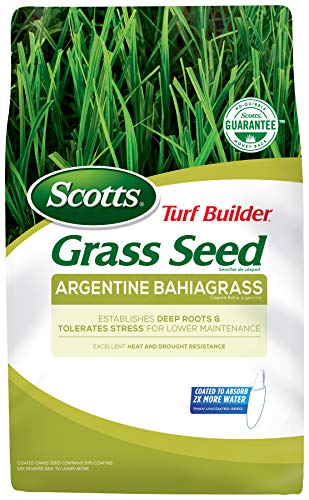
Scotts Turf Builder Grass Seed Argentine Bahiagrass, 5 lbs

Barenbrug WaterSaver RTF Tall Fescue Mix, 1.5 lb

Outsidepride Legacy Fine Fescue Grass Seed Mix, 5 lb
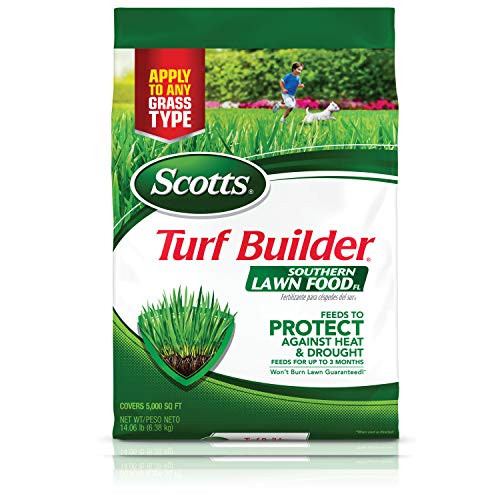
Scotts Turf Builder Southern Lawn Food FL

Scotts Grass Seed Drought Tolerant Mix, 4 lb

Zoysia Sod Plugs – 9 Large 3″ x 3″ Plugs
The Picks, Examined More Closely
Pennington’s Dense Shade mix earns its spot first because it is one of the few cool-season blends built to perform with as little as two to four hours of daily sun. The 3-pound bag covers roughly 750 square feet, which suits small north-Florida yards tucked under oaks and magnolias. A 30 percent water savings claim over ordinary seed makes the upkeep a bit more forgiving during dry stretches.
For most backyards with consistent tree cover, this mix strikes a workable balance between shade tolerance and disease resistance. Gardeners in deep South Florida may find cool-season fescues struggle in peak summer heat, so timing the seeding window matters.
Notable Gains
- Perennial mix selected for superior shade tolerance in tough low-light corners
- Drought, heat, and disease resistance baked into the blend
- Covers up to 750 square feet per 3-pound bag, useful for modest patch projects
- Reduces watering needs year over year versus ordinary seed
Things To Consider
- Cool-season varieties may struggle through central and south Florida summers
- Best window is fall or early spring, so summer seeding can disappoint
Key Specs
Who It Suits Best
Homeowners in northern Florida working with dappled or partial shade and a small lawn footprint.
Where Another Pick Suits Better
Yards with deeper coastal heat will find a warmer-season option like the Scotts Argentine Bahiagrass a more reliable long-term fit.
The Black Beauty Delmarva leans on three tall fescue varieties chosen for the Mid-Atlantic, where humidity, variable sun, and clay-heavy soils can stress a blend fast. Drought tolerance and disease resistance sit in the mix’s DNA, and the result is a uniform dark-green appearance once established. For Floridians in the panhandle or northern transition zone, the climate overlap makes this an honest contender.
Outside its target region, you may find summer survival rates less reliable than locally tuned options. The 7-pound bag suits larger projects rather than small patches.
Everyday Wins
- Three tall fescue varieties give the lawn a uniform, dark green look
- Handles both sun and moderate shade without losing density
- Built-in disease resistance for humid growing seasons
- Drought tolerance supports lower-maintenance watering
Worth Noting
- Tuned for the Delmarva region, so south Florida sites may see weaker establishment
- 7-pound bag is sized for full-lawn projects rather than small spot repairs
Right Fit For
Panhandle homeowners with a transitional climate and a medium to large yard that gets a mix of sun and shade.
Consider Something Else When
Shoppers looking for a specifically fine-bladed shade specialist will get more from the Eretz Creeping Red Fine Fescue.
Eretz’s Creeping Red Fine Fescue is a single-species play, and that’s the appeal. Willamette Valley seed at 99.6 percent purity, with 0.4 percent inert matter and no weed or crop seed, gives a clean slate for overseeding thin, shaded patches. The fine-bladed perennial works well in heavily tree-shaded lawns and stays naturally six to eight inches tall if you let it grow.
Aggressive tillering helps the lawn fill in gaps over time, and superior disease resistance keeps maintenance low. In our view, the catch is that fescue habits vary by site, so a little patience pays off.
Points In Its Favor
- 99.6% purity means fewer weeds showing up in freshly seeded zones
- Strong shade performance under heavy tree canopy
- Aggressive tillering fills in thin patches with time
- Solid disease resistance keeps sprays to a minimum
Trade Offs
- Cool-season species will struggle in deep south Florida summers
- Single-species mix lacks the species diversity of blends, so a single stress event can thin coverage faster
Key Specs
Made For
Shaded yards with deep tree cover where clean seed and fine texture matter more than species variety.
Skip It When
South Florida sites with intense summer heat will struggle with cool-season fescue, making the Argentine Bahiagrass a more practical long-term fit.
The Rapid Grass Bermudagrass is a seed-and-fertilizer combination designed for fast establishment in full sun. Bermudagrass is a warm-season workhorse for Florida, and pairing the seed with starter nutrients cuts the timeline from sow to visible coverage. A 1-pound bag is small, so this is really a patch-and-repair product rather than a whole-yard solution.
Bermuda does not love shade, so for a heavily shaded lot the result will look thin on the dimmer side of the yard. In sunny zones with patchy wear, it tends to fill in faster than seed-only options.
The Case For It
- Combined seed and starter fertilizer shortens the establishment window
- Bermudagrass is a familiar Florida warm-season species
- Works well in tough sunny spots that resist other grasses
Honest Caveats
- Performs poorly in shade, so mixed-light yards show uneven results
- 1-pound size suits small repairs, not full-lawn renovation
Key Specs
Best Suited To
Florida homeowners with sunny, worn patches who need quick warm-season coverage without seeding a whole lawn.
Look Elsewhere When
Shaded lots call for a different approach, and the Outsidepride Legacy Fine Fescue mix handles those conditions more reliably.
Argentine Bahiagrass is a Florida staple for a reason. The coated seed absorbs about twice as much water as uncoated seed, which speeds germination in sandy coastal soils. Deep roots give the lawn stress tolerance through dry stretches, and the wider blade plus darker green tone reads as a more polished lawn than the older Pensacola variety. It is a full-sun grass, so plan seeding in open areas.
The 5-pound bag suits a decent patch or a small full-lawn project in the southern half of the state. If your yard runs mostly shady, this will not thrive.
Positive Points
- Coated seed pulls in double the water versus uncoated options
- Deep roots handle heat and drought better than many warm-season species
- Darker green color and wider blades look tidy once established
- Strong coastal performance for sandy Florida soils
Points To Keep In Mind
- Full-sun requirement means shaded zones stay thin
- Lower mowing tolerance, so seed heads can show in unmanaged stretches
Key Specs
Whose Shelf It Belongs On
Coastal and central Florida homeowners with open, sunny yards that need a resilient warm-season lawn.
A Better Fit Elsewhere
For mostly shaded lots, the Pennington Smart Seed Dense Shade mix is a more appropriate starting point.
WaterSaver RTF uses rhizomatous tall fescue, which is a fancy way of saying the plants send out underground runners that fill bare spots on their own. That sets it apart from standard fescue, which clumps and leaves gaps. The mix thrives in either sun or shade, and 1.5 pounds covers about 150 square feet for a new lawn or 300 for overseeding.
Cool-season behavior in northern Florida works well, while central and southern sites need realistic expectations during peak summer. Drought tolerance is the headline feature, and the self-repair habit shows up best with consistent mowing and watering.
Where It Helps
- Rhizomatous fescue fills bare spots without manual reseeding
- Genuine sun and shade versatility on a single lawn
- Drought tolerance reduces summer watering chores
Some Limits To Know
- Cool-season fescue still struggles in deep South Florida summers
- 1.5-pound bag suits small projects or targeted overseeding
Key Specs
Perfect Match For
Northern and central Florida yards with mixed sun and shade that want a self-repairing fescue base.
Not Your Match When
Deep South Florida homeowners will get more reliable performance from a warm-season pick like Argentine Bahiagrass.
The Legacy mix blends 20 percent Hard Fescue, 40 percent Chewings Fescue, and 40 percent Creeping Red Fescue, giving a layered defense against varied light and traffic. The OptiGrowth coating adds zinc, phosphorus, nitrogen, and kelp, which supports stronger germination in tougher soils. The 5-pound bag handles meaningful projects without overspending on a bulk buy.
For most backyards with mixed shade and sun, the coating is a real advantage, especially in sandy Florida ground that drains fast. A standard rotary spreader works fine, and clean seed-to-soil contact helps the coating pay off.
What Helps Most
- OptiGrowth coating carries zinc, phosphorus, nitrogen, and kelp for stronger establishment
- Three-species blend adapts to varied light and soil
- Handles heavy foot traffic once mature
- Drought and weather resilience for the cool-season window
Less Ideal Details
- Cool-season fescues still face summer stress in southern Florida
- Coating costs more per pound than uncoated fescue
Key Specs
Who Should Grab It
Homeowners with mixed-light yards in northern and central Florida who want a coated seed that holds up under establishment stress.
Reach For A Different Pick When
Deep shade specialists will get cleaner shade performance from a single-species Eretz Creeping Red Fine Fescue bag.
Scotts Turf Builder Southern Lawn Food FL is the only fertilizer in this roundup, and for good reason. It is formulated for Florida lawns, feeding for up to three months and standing up to heat and drought. The product is safe across common grass types, so it pairs with any of the seed picks above without breaking compatibility. Available in 5,000, 10,000, and 15,000 square foot sizes, it scales from small yards to substantial lots.
Application is straightforward, though a Scotts spreader makes the job faster on larger areas. If you are already picking a seed from this list, slot this fertilizer into the same plan.
Everyday Perks
- Up to three months of feeding per application
- Formulated for Florida heat and drought stress
- Safe across any grass type in the roundup
- Three coverage sizes for different lawn footprints
Possible Compromises
- Coverage options mean measuring your lawn before buying
- Application timing during the growing season matters for results
Right Fit For
Florida homeowners who want a single fertilizer that supports any grass type, including the seed picks in this roundup.
Swap It Out When
You only need seed and prefer to handle feeding separately through compost top-dressing and organic amendments.
Scotts’ Drought Tolerant Mix blends Tall Fescue and Kentucky Bluegrass for transitional climate lawns. Long roots pull moisture from deep in the soil profile, and the bluegrass component self-repairs to fill in bare spots. The 4-pound pack is 99.99 percent weed-free, so you are not paying for filler seed that turns into weeds later.
Apply in spring or fall when air temperatures sit between 65 and 85 degrees for the best establishment. In our view, the catch is that this is still a cool-season blend, so deep South Florida sites should plan for a partial summer slowdown.
What It Does Well
- Tall Fescue and Kentucky Bluegrass partnership supports deep roots and self-repair
- 99.99% weed-free seed means a cleaner early lawn
- Handles both new lawn seeding and overseeding existing turf
Where It May Fall Short
- Cool-season species will struggle in southern Florida summers
- Narrow temperature window for ideal establishment
Who Will Love This
Transitional climate homeowners in northern Florida who want a drought-smart blend with self-repair built in.
Where A Sibling Pick Shines
Warmer southern sites will see stronger year-round growth with the Argentine Bahiagrass option.
Florida Foliage’s Zoysia plugs offer a different path than seed, trading patience for a more polished mature lawn. The 3-inch by 3-inch plugs spread horizontally to fill in, eventually creating a thick, soft carpet. Zoysia tolerates sun, partial shade, drought, and salt spray, which makes it a versatile fit for varied Florida microclimates. The grass ships dormant during winter, so plan installation timing carefully.
Plug coverage is slow compared to seed or sod, so this is a multi-season investment. For most homeowners starting a small patch, nine plugs spread across a few square feet per year is the realistic pace.
A Favorable Mix
- Drought, salt, and partial shade tolerance in one warm-season species
- Thick, soft turf once plugs fill in
- Spreads laterally without reseeding
Things That May Matter
- Slow establishment versus seed or full sod
- Ships dormant in winter, so off-season orders need holding
- Nine plugs cover a limited area per season
Key Specs
Built With In Mind
Homeowners who want a long-term warm-season lawn and accept a slower plug-and-spread timeline.
Another Choice May Suit
If you need full coverage within a single season, the Scotts Argentine Bahiagrass seed establishes faster and covers more area.
What Matters Most When Picking Grasses For Florida Shade
Start with your light, not the brand. Walk the yard at three points in the day: morning, noon, and late afternoon. If a section never sees direct sun, you are in deep shade and need a shade-built fescue blend or a Zoysia plug plan. If dappled light filters through all day, a sun-and-shade fescue such as the WaterSaver RTF or the Outsidepride Legacy mix will hold up.
Soil and water come next. Sandy Florida ground drains fast, so coated seeds like Argentine Bahiagrass or the OptiGrowth-treated Outsidepride mix have a real edge. Plan irrigation access before seeding, because new grass needs steady moisture for the first three to four weeks. Without that, even the best seed will struggle.
Match grass type to your region. Northern and panhandle lawns can lean on cool-season blends. Central Florida sits in a transition zone where sun-and-shade fescues and warm-season bahiagrass both work. South Florida homes do best with warm-season species, and that is where Argentine Bahiagrass or Zoysia plugs earn the spot.
Think about maintenance. Fine fescues need less mowing, but cool-season types go semi-dormant in peak heat. Warm-season grasses green up later in spring and stay strong through summer. Pick a grass whose seasonal rhythm matches how much you want to babysit the lawn.
Fertilizer and timing round out the plan. A Florida-built feed like Scotts Turf Builder Southern Lawn Food FL keeps whatever you seed properly fueled. Apply during the active growing window for your chosen species, and avoid heavy nitrogen in late fall when the lawn is slowing down.
Key Considerations Across These Picks
Common Shopping Slip Ups
Picking a grass by name instead of by light exposure is the most common slip up. Pennington’s Dense Shade mix will not thrive in a sun-baked south Florida yard, and Argentine Bahiagrass will thin out under heavy tree cover. Always match the grass to the actual light at the seeding site, not to the marketing on the bag.
Seeding at the wrong time of year is the next pitfall. Cool-season fescues establish best in fall or early spring, while warm-season bahiagrass and Zoysia want late spring through summer soil warmth. Buying premium seed and dropping it in the wrong window wastes both the seed and the watering effort.
Where The Extra Money Goes
Higher-tier grass seed usually means better coating, cleaner seed, and stronger germination. The Outsidepride OptiGrowth coating and the Argentine Bahiagrass water-absorbing shell are the headline upgrades, and they show up most in poor or sandy soil where uncoated seed struggles.
Premium Zoysia plugs cost more than seed because you are buying already-started plants, not potential. The trade-off is faster establishment and a thicker, more uniform mature lawn. The upgrade pays off for homeowners who want a polished warm-season lawn without re-seeding thin spots year after year.
Frequently Asked Questions
What grass grows best in full shade in Florida?
Fine fescues such as Creeping Red Fescue handle deep shade the most reliably, with Zoysia plugs as a slower but warmer-climate option for partial shade.
When should you plant grass seed in Florida?
Cool-season blends go down in fall or early spring, while warm-season species like bahiagrass establish best in late spring through early summer when soil is warm.
How long does it take for shade grass seed to germinate?
Most shade blends show visible germination in 7 to 21 days, with coated and treated seed sometimes sprouting faster in well-watered soil.
Do you need a special fertilizer for Florida lawns?
Florida soils leach nutrients quickly, so a fertilizer formulated for the region, such as Scotts Turf Builder Southern Lawn Food FL, supports stronger long-term growth.
Can Zoysia grow in shaded areas?
Zoysia tolerates partial shade, though it thins in deep shade, so plan plug placement in areas that get filtered or partial sun during the day.
Closing Remarks
Florida shade lawns reward planning more than spending. Match the grass to the light, water steadily through establishment, and feed on a regional schedule, and any of these ten picks can settle in nicely. The right bag for your yard is the one tuned to the conditions you actually have, so start with observation and let the seed do the rest.
