

Rocky ground punishes ordinary turf. Shallow root zones, sharp drainage, and nutrient-poor subsoil leave most seed blends gasping by midsummer, which is why picking the right grass, or a soil amendment to back it up, makes the difference between a patchy hillside and a lawn you actually want to walk on. This list breaks down nine products built for those tough conditions, from seed mixes designed for high-altitude gravel to a soil food that helps roots push through compacted clay. Whether you are reseeding a thin strip or rebuilding a whole yard, you will find something here that matches your site, your climate, and the amount of work you want to put in.
The Essentials At A Glance

Jonathan Green Love Your Soil Lawn Food (15,000 Sq Ft)

Jonathan Green Black Beauty Heavy Traffic Grass Seed (3 lb)

Jonathan Green Black Beauty Dense Shade Grass Seed (1 lb)

Jonathan Green Black Beauty Heat & Drought Resistant Grass Seed (3 lb)

Jonathan Green Black Beauty Rocky Mountain Colorado Grass Seed Mix (7 lb)
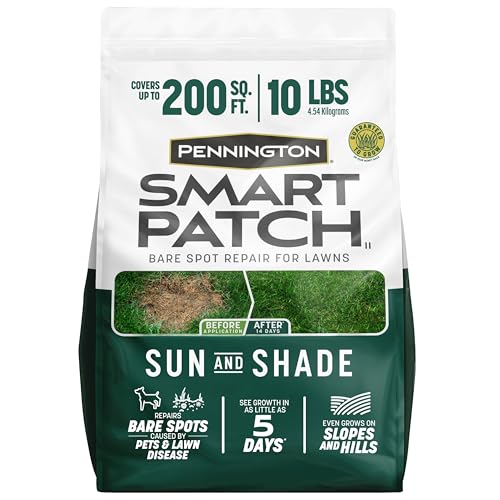
Pennington Smart Patch Grass Seed Repair Mix (10 lb)
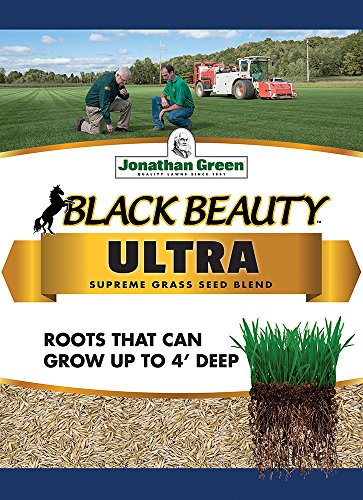
Jonathan Green 40322 Black Beauty Ultra Grass Seed (7 lb)

Canada Green Grass Lawn Seed (2 lb Bag)

Scotts Organic 0.75 cu.ft. Premium Top Soil
The Details Behind The Selections
Before seed ever touches the ground, the soil itself usually needs help. Jonathan Green Love Your Soil is a lawn food and soil conditioner designed to break up heavy, compacted earth and free the nutrients that rocky ground tends to lock away. It covers a generous 15,000 square feet, which is enough for most suburban lots, and works by stimulating microbial activity in the topsoil so roots can push deeper into the layer below.
For anyone reseeding a thin, tired lawn, this is the sort of prep product that decides whether the seed takes or fizzles. If your yard has the hard, brick-like feel that comes from construction backfill or years of foot traffic, applying this first gives the seed a real chance. The trade-off is timing: it is not a seed itself, so you will still need to choose a grass variety from elsewhere in this list to follow up.
What Pays Off
- Loosens compacted soil so grassroots can reach further down
- Releases trapped nutrients that rocky ground usually locks away
- Covers 15,000 square feet, plenty for a full suburban lot
- Stimulates microbial life, which improves long-term soil structure
- Makes a real difference on yards with hard, brick-like subsoil
Things To Consider
- Not a seed, so you still need to pick a grass variety separately
- Best applied before seeding, not after the lawn is already established
- Results depend heavily on existing soil biology, which varies by region
Key Product Details
Who It Suits Best
Homeowners preparing a rocky or compacted yard for reseeding, especially those who have struggled with shallow roots and patchy germination in past seasons.
Consider Something Else When
If you need seed and soil help in one pass, Jonathan Green’s Black Beauty Ultra (Pick 7) bundles multiple species into a single bag for a full lawn renovation.
Thin, rocky lawns that double as soccer pitches need a different kind of seed. Jonathan Green Black Beauty Heavy Traffic is a cool-season blend built around tall fescues and perennial rye, two species known for tough blades and fast recovery. The 3-pound bag is sized for spot repairs and small backyards rather than full-acre spreads, which makes it a practical middle option for most homes.
The mix is also designed to deliver a uniform lawn texture, the kind that holds up to cleats, paws, and bicycle tires. Rocky ground usually drains well, so the deeper roots of tall fescue find moisture that other grasses miss. You may find the establishment period a little slower than pure rye, but the longer-term durability is the trade worth making for play areas.
What Makes Sense
- Tall fescue and perennial rye blend recovers well from foot traffic
- Deep root system helps it find moisture in rocky, well-draining soil
- Uniform texture suits sports and play areas, not just side yards
- 3-pound bag fits typical backyard repair jobs
Worth Noting
- Cool-season blend struggles in deep southern heat
- Smaller bag means extra purchases for larger lots
Right Fit For
Families with active kids or dogs who need a backyard lawn that bounces back from daily play on rough, rocky ground.
Look Elsewhere When
If your yard is mostly shaded by trees, the Heavy Traffic blend is less ideal; Jonathan Green’s Dense Shade mix (Pick 3) is the better match there.
North-facing slopes under big maples or oaks are where most grass seed blends go to die. Jonathan Green Black Beauty Dense Shade is engineered for those low-light spots, using shade-tolerant varieties that hold their color where sun-loving rye and bluegrass would fade to yellow. The 1-pound bag is small and aimed at patch jobs rather than full lawn renovation, which is exactly the use case it handles best.
Germination runs 14 to 21 days under the right conditions, which is on the faster end for cool-season blends. The mix also contains beneficial endophytes, a natural fungus that lives inside the grass and helps deter surface-feeding insects. For shaded rocky ground that stays damp longer than sunny patches, this blend tends to outperform general-purpose seed.
Reasons It Performs
- Shade-tolerant varieties hold color under trees and structures
- Beneficial endophytes offer natural insect resistance
- 14 to 21 day germination window for quicker visible results
- Produces a dark green color in low-light conditions
Trade Offs
- 1-pound bag covers limited area, plan on multiple bags for larger shade zones
- Not the right pick for full-sun, high-traffic areas where other blends perform better
Best Suited To
Homeowners dealing with thin or bare spots under mature trees, tall shrubs, or the shadow side of the house where most seed blends struggle.
Skip It When
You need seed for a sunny, heavily used lawn, where Jonathan Green’s Heavy Traffic blend (Pick 2) is the stronger match.
Rocky soil and hot summers share a common problem: water disappears fast. Jonathan Green Black Beauty Heat & Drought Resistant is built around tall fescue and Texas bluegrass, two species that handle high temperatures and lean moisture better than standard cool-season blends. The 3-pound bag suits mid-sized yards and reseeding projects where heat is the limiting factor.
The standout feature is a waxy leaf coating, similar to the skin of an apple, that limits evaporation from the grass blade itself. That coating is the kind of detail that matters on south-facing slopes where afternoon sun bakes everything by July. The mix tolerates heat up to 100°F, which makes it a reasonable choice for transition zones where summers push the upper limits of cool-season grass.
Where It Helps
- Waxy leaf coating reduces moisture loss from the grass blade
- Handles heat up to 100°F, suited to transition zone climates
- Tall fescue and Texas bluegrass blend for deeper roots
- Performs in full sun to lightly shaded areas
Points To Note
- Still needs regular watering during the establishment phase
- Not a warm-season grass, so extreme southern climates may prefer Bermuda or zoysia options
Made For
Homeowners in transition zones and rocky-soil regions where summer heat routinely stresses out standard cool-season grass blends.
A Better Fit Elsewhere
If your priority is high-altitude reseeding in the Mountain West, Jonathan Green’s Rocky Mountain Colorado mix (Pick 5) is the more region-specific choice.
High-altitude reseeding is its own category of problem, with thin air, cool nights, and dry winds punishing anything that is not built for the conditions. Jonathan Green’s Black Beauty Rocky Mountain Colorado mix is formulated for exactly that environment, covering Colorado, Montana, Utah, and Wyoming. The 7-pound bag is generous enough to handle a meaningful reseeding project on a typical lot.
The blend pulls in turf-type tall fescues, Blue Panther Kentucky bluegrass, and elite perennial rye, which together handle the swings between bright sun and cold snaps that mountain yards see in a single week. The mix works in both sunny and lightly shaded areas, which is useful in mountain regions where tree coverage changes dramatically across a property. Rocky soil and altitude usually go hand in hand, and this blend is designed for that exact pairing.
Notable Upsides
- Formulated specifically for high-altitude Rocky Mountain conditions
- Three-species diversity handles sun, shade, and weather swings
- 7-pound bag covers meaningful reseeding projects
- Tolerates the cool, semi-arid climate common across the region
Honest Caveats
- Region-specific formulation outside its target zone may underperform
- Heavier 7-pound bag is more than most small repair jobs need
Who Will Love This
Homeowners in the Rocky Mountain states who need a regionally tuned blend that handles altitude, rocky soil, and wide temperature swings in the same bag.
Not Your Match When
You live outside the Mountain West, in which case Jonathan Green’s Heat & Drought blend (Pick 4) is a more broadly useful drought-resistant option.
Pet spots, foot-wear paths, and rocky corners tend to develop bare patches long before the rest of the lawn gives up. Pennington Smart Patch is a repair mix that bundles seed with starter fertilizer and added microbes, all in a single 10-pound bag. The microbials are intended to support root development and reduce disease pressure during the vulnerable establishment phase.
The blend is built for lawns that get sun in some patches and moderate shade in others, which matches most mixed-exposure yards. Coverage runs up to 600 square feet, depending on how thin you spread it, and the included fertilizer cuts down on the extra steps of buying and applying a separate starter product. For spot repairs in rocky ground, fewer steps usually means better follow-through.
Strong Points
- Seed and starter fertilizer combined in a single product
- Added microbials support root development and disease resistance
- Suits yards with mixed sun and moderate shade
- Useful for dog spot repair on worn patches
Room For Improvement
- 10-pound bag is more than most small spot repairs actually need
- Not formulated specifically for deep shade or full-sun southern heat
Perfect Match For
Homeowners with mixed-exposure lawns who want to fix scattered bare patches, pet damage, and wear paths without buying seed and fertilizer separately.
Reach For A Different Pick When
You are renovating an entire lawn rather than patching it, in which case Jonathan Green’s Black Beauty Ultra (Pick 7) is the broader renovation option.
When a lawn needs more than a patch, it needs a full reset, and that is where Jonathan Green’s Black Beauty Ultra earns its place. The 7-pound bag covers roughly 2,800 square feet, which is enough to reseed a meaningful section of yard in one pass. The mix combines Black Beauty tall fescues, elite Kentucky bluegrass, and perennial rye, a three-species blend that handles the variability of rocky soil better than single-species seed.
Like the Heat & Drought blend earlier in this list, the Ultra version carries that waxy leaf coating for moisture retention, plus the species diversity that helps fill in damaged spots. The mix also includes naturally insect-resistant varieties, which is a useful trait on rocky ground where you do not want to fight pest pressure on top of thin topsoil. It is the most flexible option in the Jonathan Green family for general-purpose reseeding.
Positive Points
- Three-species diversity handles sun, shade, and traffic variation
- Waxy leaf coating helps blades hold moisture in rocky, fast-draining soil
- Naturally insect-resistant varieties reduce pest pressure
- 7-pound bag covers 2,800 square feet for full-lawn renovation
Small Caveats
- Higher species diversity means slightly slower uniform establishment than single-species seed
- Cool-season blend, so deep southern climates will see summer stress
- More expensive per pound than smaller repair bags
Feature Snapshot
Built With In Mind
Homeowners planning a full lawn renovation on rocky or mixed ground who want one bag to handle the variability of sun, shade, and traffic across the yard.
Swap It Out When
Your priority is high-altitude reseeding in the Mountain West, where the regionally tuned Rocky Mountain Colorado mix (Pick 5) is the smarter buy.
Sometimes a small bag that covers a small area is exactly the right scale. Canada Green Grass Lawn Seed comes in a 2-pound bag aimed at filling in bare spots and thickening thin patches rather than reseeding a whole yard. The mix is positioned as a fine-bladed lawn seed that produces a rich green color, which is what most people want from a quick touch-up product.
Planting instructions are included on the bag, which is helpful for first-time seeders who have not yet learned the basics of soil contact, watering, and germination windows. The 2-pound size is well matched to scattered pet spots and worn corners in a rocky yard. It is a sensible small-job option when a 7-pound renovation bag is more seed than you actually need.
A Few Highlights
- Right-sized 2-pound bag for small bare patches and thin spots
- Fine-bladed mix produces a rich green color
- Planting instructions included for less experienced seeders
- Useful follow-up product after a larger renovation
Points To Keep In Mind
- Not formulated for specific climates, sun, or shade conditions
- Too small for full-yard reseeding projects
Whose Shelf It Belongs On
Homeowners who need a small, general-purpose bag of grass seed for spot repairs and quick thickening of thin areas on rocky ground.
Where Another Pick Suits Better
You are reseeding the entire lawn, in which case Jonathan Green’s Black Beauty Ultra (Pick 7) is the right scale and the right species mix.
Even the best seed struggles to establish if the layer it lands on is a quarter-inch of dust over gravel. Scotts Premium Top Soil is a lighter organic blend designed for leveling, filling holes, and giving new seed a softer bed to root into. The 0.75 cubic foot bag is a manageable size for spot work rather than full-yard soil replacement.
The blend uses peat moss and other organic materials, which improves root development compared to ordinary heavy topsoil. It is screened for consistent texture with no rocks or sticks, a real plus when you are spreading it over existing rocky ground that you do not want to make worse. The lighter weight also makes it easier to work into low spots and shallow ruts without compacting the layer below.
Features That Help
- Lighter organic blend improves root development over heavy topsoil
- Screened for consistent texture with no rocks or sticks
- Suited to leveling, filling holes, and seeding prep
- Includes peat moss for better water retention in thin layers
Less Ideal Details
- 0.75 cu. ft. is a small volume, plan on multiple bags for larger leveling jobs
- Not a substitute for deep soil improvement in truly depleted ground
- Best used as a top layer, not worked deeply into rocky subsoil
Core Details
Right Fit For
Homeowners leveling low spots, filling holes, or building a softer seed bed over rocky ground before putting down grass seed.
Another Choice May Suit
You need to address compacted, nutrient-starved soil across a wider area, in which case Jonathan Green’s Love Your Soil (Pick 1) treats the deeper problem rather than just adding a thin top layer.
Choosing Grass Seed And Soil Help For Rocky Ground
Rocky ground changes the rules of lawn care in three big ways. First, drainage is fast, so shallow-rooted grasses dry out long before they establish. Second, the soil layer above the rock is usually thin, which means fewer nutrients are available in the root zone. Third, the rock itself heats up and cools down faster than deep soil, putting extra stress on the crown of the grass plant during weather swings. Picking seed and amendments that account for these three realities is what separates a lawn that lasts from one that thins out by the second summer.
The cool-season species that handle rocky ground best are tall fescue, Kentucky bluegrass, and perennial rye. Tall fescue has the deepest root system of the three and the best drought tolerance, which is why it shows up in most of the blends in this list. Kentucky bluegrass spreads through rhizomes (underground stems) and repairs itself, but it needs more water than fescue. Perennial rye germinates fast, which is useful for erosion control on slopes while the slower species fill in. Blends that mix all three give you fast cover, deep roots, and self-repair in one bag.
Region matters as much as species. The Rocky Mountain Colorado blend in Pick 5 is tuned for high-altitude swings that would stress a generic cool-season mix, while the Heat & Drought blend in Pick 4 is built for transition-zone summers where temperatures regularly push the upper limits. Matching the bag to your climate zone prevents the most common failure mode: seed that germinates in spring and dies by August.
Finally, treat the soil before you treat the seed. A lawn food like Love Your Soil in Pick 1 unlocks nutrients and breaks up compaction, while a screened topsoil in Pick 9 gives new seed a soft bed to root into. Skipping that prep step and going straight to seed on rocky ground is the most expensive way to buy a thin lawn.
Key Considerations Across These Picks
Common Shopping Slip Ups
The most common mistake is buying seed by the picture on the bag rather than by the species mix inside. Two bags that both say “sun and shade” can perform very differently on rocky ground if one is mostly perennial rye and the other leans on tall fescue. Always check the species list and pick a blend where tall fescue is a major component, since it is the cool-season grass that handles rocky, well-draining soil most reliably.
Another trap is underestimating how much seed, soil, or amendment a rocky yard actually needs. Thin topsoil over rock means seed has less margin for error, so coverage rates on the bag should be treated as a maximum, not a target. Sowing a little heavier on rocky patches is the practical move, which means buying more than the listed coverage suggests.
What The Higher Tier Buys
Bigger bags and region-specific blends cost more, and the extra goes into three places: more species in the mix, longer research behind the formulation, and better raw seed quality. The 7-pound renovation bags in this list carry three or more species, which costs more to produce but gives the lawn a better chance of filling in around the rocky spots. Region-specific blends like the Rocky Mountain mix add another layer of tuning for local climate, which is the kind of detail that shows up in year two and year three of the lawn’s life.
For small repair jobs, the higher tier is rarely worth the extra. For full-lawn renovation on rocky ground, the upgrade usually pays back in the first year through better establishment and fewer reseeding rounds.
Frequently Asked Questions
What grass grows best in rocky soil?
Tall fescue is the most reliable cool-season grass for rocky soil because of its deep root system and drought tolerance. Blends that combine tall fescue with Kentucky bluegrass and perennial rye give you faster cover, deeper roots, and self-repair in one bag, which is why most of the mixes in this list lead with fescue.
Can grass seed germinate in rocky soil?
Yes, but it needs a softer top layer to establish. Sowing seed directly onto rocky ground usually produces thin, patchy results because the seed dries out before it can root. Top-dressing with a screened topsoil or working in a soil conditioner first gives the seed the moisture and contact it needs to germinate and establish.
How do I prepare rocky soil for grass seed?
Start by removing the largest surface rocks and debris, then work a soil conditioner like Jonathan Green Love Your Soil into the top few inches to break up compaction. Add a layer of screened topsoil to level low spots and give the seed a soft bed, then sow the seed and keep the area consistently moist until germination.
When is the best time to seed a rocky lawn?
Early fall is the strongest window for cool-season grasses because the soil stays warm while the air cools, which drives root growth before winter. Early spring is the second-best option, but summer heat and dry conditions usually work against new seedlings in rocky ground.
How long does it take for grass to establish in rocky soil?
Most cool-season blends germinate in 7 to 21 days under good conditions, but full establishment in rocky soil usually takes a full growing season. Deep root development is what matters most, and that happens below the surface long after the lawn looks green on top.
Bottom Line
Rocky ground rewards patience and the right product mix, not quick fixes. Start with soil prep if the layer above the rock is thin or compacted, then pick a seed blend whose species list leads with tall fescue. Match the bag to your region, your sun exposure, and the amount of area you are actually working with. Done that way, the lawn that comes up is the one that stays up.
