

Feeding a herbivore or mulching a garden bed sounds simple until you stand in front of ten nearly identical bags of dried grass and wonder which one your rabbit, tortoise, or tomato patch will actually thank you for. This lineup spans the everyday feeding hay, the specialty cuts, and the straw-based garden mulches that double as bedding and shelter material, so you can match the right product to the right job without second-guessing the fiber content.
A Closer Look At The Lineup

Oxbow Organic Meadow Hay 40 oz

Multipet Tortoise Hay 24oz

Blue Mountain Hay Organic Garden Straw Mulch 5lb
XLX TURF Fake Thatch Hay Table Runner 36 Inch

Acostop Natural Dry Wheat Straw
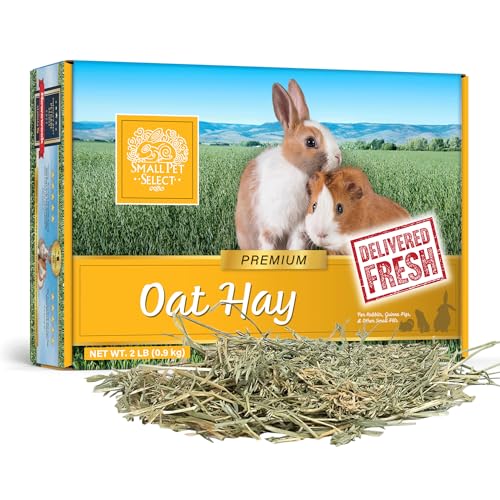
Small Pet Select Oat Hay 2 lb

Oxbow Harvest Stacks Timothy with Chamomile 35 oz


Kaytee Timothy and Orchard Grass 48 oz

Kaytee Timothy Hearty Hay 48 oz
Why These Options Stand Out
Oxbow’s organic meadow hay fills a real gap for owners juggling rabbits, guinea pigs, and chinchillas in the same household, because a single bag covers all three without forcing you to stock separate feeds. The 40-ounce size lands in that sweet spot where it doesn’t go stale before you finish it, yet still stretches across a week or more for a single rabbit.
Grown on the brand’s family of farms without synthetic chemicals, it carries the kind of certification paperwork that gives nervous first-time owners one less thing to second-guess. Compared to the Kaytee blends later in this list, this option trades flavor variety for cleaner sourcing, which matters most to households that rotate species rather than flavors.
Well-Handled Touches
- USDA-certified organic, so you skip the worry about chemical residues on a daily staple.
- Long-strand texture supports the natural chewing rabbits and guinea pigs need to grind down ever-growing teeth.
- Works as a one-bag solution across rabbits, guinea pigs, and chinchillas in a multi-pet home.
- Family-farm sourcing gives you a fresher, more aromatic bale than commodity-cut hay.
Points To Keep In Mind
- Single-grass meadow mix means picky eaters may get bored sooner than with a rotation.
- Storage matters: keep it somewhere dry, or the all-natural composition invites mold fast.
Key Specs
Whose Shelf It Belongs On
Multi-pet households and first-time owners who want one trustworthy bag that covers every small herbivore in the room.
Look Elsewhere When
The Small Pet Select Oat Hay suits owners whose rabbits react badly to standard timothy or meadow cuts and need a rotation-friendly alternative.
Tortoise owners have a quieter set of demands than rabbit keepers: less volume, more focus on protein and vitamin density, and almost zero tolerance for sharp sticks. Multipet’s 24-ounce second-cut hay answers that brief without trying to double as a general small-pet feed.
Second-cut hay is the regrowth after the first harvest, which typically delivers a leafier, more nutrient-dense profile. The hand-packaging step is a small detail that pays off, because tortoises are notoriously slow eaters and tend to ignore the bits hiding under a sharp twig.
Standout Benefits
- Second-cut profile means higher protein and vitamin content than first-cut alternatives.
- Hand-packaging removes the twigs and sticks that tortoises tend to walk over.
- Compact 24-ounce size suits owners of one or two tortoises who go through hay slowly.
Trade Offs
- Species-specific, so it does not double as feed for rabbits or guinea pigs in the same house.
- Smaller bag means frequent reordering for multi-tortoise setups.
Best Suited To
Single-tortoise owners who want a protein-rich, hand-cleaned hay without overspending on bulk.
Where Another Pick Suits Better
The Oxbow Organic Meadow Hay is a smarter pick for mixed small-animal homes where rabbits, guinea pigs, and chinchillas share a feeding routine.
Switching tracks, Blue Mountain Hay’s organic straw mulch is the kind of product that earns its place in a shed rather than a feed bin. At 5 pounds, it covers a meaningful patch of raised bed or new lawn seed without forcing you to commit to a giant bale.
Straw mulch works as a moisture-retaining blanket over soil, a temperature buffer for tender roots, and a protective layer over freshly sown grass seed. For new gardeners, the organic certification eliminates one common worry, which is whether the mulch will introduce weed seeds along with the protective cover.
Good Reasons To Consider
- Organic straw suits gardeners avoiding synthetic chemical residues in vegetable beds.
- 5-pound pack handles raised beds, flower borders, and new lawn patches without oversupply.
- Useful as a grass-seed cover to keep birds and runoff from disturbing new sowing.
Softer Spots
- Not a feed hay, so it serves only outdoor and garden use cases.
- 5-pound pack may run thin across large vegetable plots, depending on how thickly you spread it.
Made For
Raised-bed and small-plot gardeners who want clean, organic straw coverage without committing to a full bale.
Swap It Out When
The Acostop Natural Dry Wheat Straw is a more practical option for outdoor animal shelters and bedding alongside garden mulch needs.
The fake-hay table runner is the most unexpected item on this list, and honestly, the most fun. Instead of feeding a pet or mulching a bed, this is a synthetic thatch strip designed to set the scene for a western, fall, or tiki-themed table.
The 13 by 36-inch size works as a centerpiece spine under candles, lanterns, or DIY hay bales. Because it is plastic, you can wipe it clean and reuse it for birthdays, rodeo nights, or autumn dinners without worrying about dry stalks shedding onto the food.
What It Does Well
- Reusable synthetic thatch saves money versus buying fresh straw for every gathering.
- Neutral western-and-tropical styling covers fall parties, luaus, and rodeo themes with one piece.
- Wipe-clean surface handles spills better than real hay would.
Honest Caveats
- Synthetic finish lacks the scent and tactile feel of real straw for hosts who want authenticity.
- Plastic construction means it is not a composting-friendly choice after its decorative life ends.
Right Fit For
Hosts who throw western, fall, or tiki-themed parties a few times a year and want a reusable centerpiece foundation.
Consider Something Else When
The Blue Mountain Hay Organic Garden Straw Mulch suits gardeners who want the real straw texture for actual outdoor projects.
Acostop’s wheat straw sits at the intersection of gardening and animal care, which is a quietly useful overlap. The sun-dried preparation keeps chemical treatments and weed seeds out of the equation, and the straw breaks down into the soil over time rather than becoming waste.
For anyone maintaining a stray-cat shelter, doghouse bedding, or a backyard coop, this is the kind of material that earns its keep across the calendar. Owners commonly report that the light, dry texture fluffs well into nesting areas and lays flat as garden mulch without clumping.
Practical Pluses
- Sun-dried wheat straw with no chemical treatments or weed seeds.
- Breaks down into soil, supporting organic gardening without extra disposal work.
- Doubles as bedding for stray-cat or dog shelters, adding real versatility.
Less-Strong Areas
- Not formulated as small-pet feed, so it does not replace a proper hay for rabbits or guinea pigs.
- Loose straw can scatter in windy outdoor setups without a contained base layer.
Key Specs
Who Should Grab It
Backyard caretakers who want one bag that handles both spring mulching and seasonal animal-shelter bedding.
Skip It When
The Kaytee Timothy Hearty Hay fits households looking for actual small-pet feed rather than outdoor bedding material.
Small Pet Select’s oat hay earns its spot because it solves a specific problem the other picks only touch on. Some rabbits and guinea pigs develop sensitivities to timothy, and owners need a rotation hay that keeps fiber intake high without triggering the same reaction.
Hand-selected and packaged in small batches, this is the kind of product that targets people who care about traceability as much as their pets do. The 2-pound size is a reasonable sampler, small enough to test whether your rabbit accepts the new flavor before committing to bulk.
Real-World Strengths
- Strong alternative for pets with timothy hay sensitivities or allergies.
- Adds variety to hay rotations, which keeps picky eaters engaged.
- Hand-selected, small-batch packaging signals careful quality control.
A Few Limitations
- 2-pound pack runs out fast for households with multiple small pets.
- Best used as a rotation supplement rather than the primary daily hay.
Who It Suits Best
Owners of timothy-sensitive rabbits or guinea pigs who need a reliable rotation hay to keep fiber intake varied.
Not Your Match When
The Kaytee Timothy and Orchard Grass blend is a smarter pick for households wanting a single two-grass bag that handles daily feeding without rotation planning.
Oxbow Harvest Stacks rethink what a hay bag can do. Instead of a loose bale that scatters strands across your floor, you get a compressed stack that pops out a portion at a time, which is genuinely useful for travel, hotel stays, or small cages where mess matters.
The Western timothy base brings the dental and digestive benefits rabbits and guinea pigs need, and the chamomile adds a calming botanical touch that some owners prefer for anxious pets. Compared to the loose Oxbow meadow hay earlier in this list, this format trades maximum foraging freedom for tidiness and portability.
Where It Excels
- Compressed format cuts down on loose hay mess in small enclosures.
- Chamomile infusion suits owners seeking a calming botanical for nervous pets.
- Portion-controlled stacks make travel and boarding setups easier.
Points To Note
- Higher cost per ounce than loose Oxbow meadow hay for everyday feeding.
- Compressed shape reduces natural foraging behavior compared to loose strands.
Quick Facts
Perfect Match For
Travelers and small-cage owners who value low-mess feeding and want a calming chamomile boost in the rotation.
Another Choice May Suit
The Kaytee Timothy Hearty Hay suits owners who want maximum crunchy texture and first-cut stem density in a loose format.
New rabbit owners often panic at the cost of hay, because a small pet can eat through a bag surprisingly fast. Ohcool’s 1.1-pound pack offers a low-stakes entry point: enough hay for the first week or two, at a price that makes the trial run painless.
The chemical-free claim and the hot-air drying process both speak to owners who want clean ingredients without paying premium organic pricing. Soft leaf and crispy long stems create the texture mix that grinding teeth need, and the baked aroma helps with pickier eaters.
The Good Stuff
- Chemical-free formulation suits owners wary of additives in young or senior pets.
- Hot-air drying locks in leaf color and reduces the musty smell common to lower-grade hay.
- Compact 1.1-pound size is an easy first purchase for new small-pet households.
Worth Noting
- Smaller pack means frequent reordering, which can offset the upfront savings over time.
- Transition gradually when switching from a different hay to avoid digestive upset.
Built With In Mind
New pet owners testing the waters with their first small herbivore and looking for a low-risk starter pack.
Reach For A Different Pick When
The Oxbow Organic Meadow Hay suits owners who want USDA-certified organic sourcing and are ready to commit to a mid-size bag.
Kaytee’s timothy and orchard grass blend is built around a simple but effective idea: two grasses, two textures, more interest at feeding time. Picky small herbivores that turn up their noses at single-grass bags often engage with this mix.
The orchard grass adds a softer, sweeter leaf that complements timothy’s tougher stems. Both grasses deliver the high fiber content rabbits and guinea pigs need for healthy digestion, and the 48-ounce size stretches nicely across a couple of weeks for one animal.
Advantages To Know
- Two-grass blend keeps pets interested at feeding time.
- High fiber content supports both digestive and dental health.
- Naturally grown without pesticides, which matters for daily staple feeding.
Some Limits To Know
- Blended texture can mask which grass your pet prefers, complicating future rotation choices.
- Not certified organic, which may matter to owners focused on that level of sourcing transparency.
Feature Snapshot
The Right Fit
Owners of finicky small herbivores who respond better to a two-grass mix than a single source.
Where A Sibling Pick Shines
The Small Pet Select Oat Hay is a better fit for pets with timothy sensitivities that need an entirely different grass family in the rotation.
Kaytee’s Hearty Hay closes the list by leaning into texture rather than variety. The first-cut harvest means longer fibrous stems, fewer leaves, and more flower heads, which translates to a crunchier bite that dental-focused owners prioritize.
For pets that inhale soft hay without really chewing, the stiffer first-cut stalks force more grinding work. The trade-off shows up in palatability, since some picky eaters prefer the leafier second or third cuts, so this works best as a complement to a softer daily hay rather than the only bag in the house.
Practical Advantages
- First-cut profile delivers long, fibrous stems that promote stronger chewing action.
- Naturally grown without pesticides, supporting clean daily feeding.
- Hearty crunch appeals to texture-driven pets that ignore softer hay.
Potential Drawbacks
- Crunchier stalks can deter pickier pets used to leafier second or third cuts.
- Higher stem-to-leaf ratio means slightly less nutrient density per bite.
Core Details
Who Will Love This
Owners focused on dental wear who want a crunchy first-cut hay to round out a softer daily rotation.
Skip It When
The Oxbow Harvest Stacks with Chamomile suits owners who want mess-controlled portions with a calming botanical twist.
How To Match The Right Hay To The Right Pet And Project
Fiber And Cut Matter More Than Brand
First-cut hay brings tougher stems that encourage chewing, while second and third cuts skew leafier and more nutrient-dense. For rabbits and guinea pigs, timothy, meadow, and orchard grass varieties are the standard rotation, with oat hay stepping in for pets with timothy sensitivities. Fiber content drives both digestive health and tooth wear, so any hay you choose should keep fiber as the headline number rather than protein or fat.
Match The Format To The Enclosure
Loose long-strand hay in a rack mimics natural foraging and is the gold standard for most cages, but compressed stacks win for travel and tight spaces. Tortoises and other slow grazers benefit from hand-cleaned hay without sticks, while garden projects call for clean straw mulch rather than feeding hay, since the nutritional profile is irrelevant to soil work.
Watch For Pests, Mold, And Stale Bags
Hay is organic plant material, and improper storage invites mold fast. Keep bags in a dry, ventilated space, off concrete floors, and rotate stock so older bales get used first. For garden straw, the same principle applies: dry storage keeps the material from breaking down before it reaches the bed.
Size Up Based On Species And Appetite
A single rabbit or guinea pig can move through a 40 to 48-ounce bag in roughly two weeks, depending on how much hay you offer daily. Larger bags cost less per ounce but only make sense when storage is dry and turnover is fast. Smaller starter packs work for new owners testing which cut their pet prefers before committing to bulk.
Smart Habits Before You Add To Cart
Common Shopping Slip Ups
Buying the cheapest bag on the shelf often backfires when pets refuse it and the bag sits open in the corner. Skipping a species check is another common miss, since tortoise hay, rabbit hay, and garden straw are not interchangeable, and treating them as one leads to wasted money and unhappy animals. Storage tends to get overlooked too, and a beautiful 50-pound bale is useless if your shed leaks.
When Paying More Pays Off
Premium organic certifications and hand-selected small-batch packaging cost more per ounce, but they cut down on rejected hay, digestive upsets, and the worry that comes with mysterious sourcing. For households with multiple pets or animals with known sensitivities, the upgrade tends to pay for itself in fewer vet-style concerns and less wasted product. Higher-tier options also tend to arrive fresher, which keeps the aroma that encourages pets to actually eat the hay rather than ignoring it.
Frequently Asked Questions
How Much Hay Should A Rabbit Or Guinea Pig Eat Daily?
A healthy small herbivore should have access to a pile of hay roughly the size of its own body every day, which translates to unlimited access in a clean rack. Hay is the primary calorie and fiber source, so restricting it to small portions undermines both digestive and dental health.
Can I Use Garden Straw Mulch As Animal Bedding?
Untreated organic straw works well for outdoor shelters and stray-animal bedding, but it is not a substitute for feeding hay. Feeding hay is selected for nutrition and cleanliness, while mulch straw is selected for soil performance, so use them in their intended roles.
What’s The Difference Between Timothy, Meadow, And Oat Hay?
Timothy is a standard high-fiber grass for daily feeding, meadow hay is a mixed-grass pasture cut with varied texture, and oat hay is a softer alternative for pets that react to timothy. Each one fits a different rotation slot, and most experienced keepers use two or three in tandem.
How Should I Store Hay To Keep It Fresh?
Keep hay in a dry, ventilated container off concrete floors, away from direct sunlight, and ideally in a breathable bag or bin. Sealed plastic in a warm garage invites condensation, which is the fastest route to mold and musty smell.
How Do I Know When Hay Has Gone Bad?
Bad hay smells musty or sour, looks dusty gray rather than green or golden, and crumbles into powder when handled. Any visible mold, dark spots, or insect activity means it is time to compost the batch and start fresh.
Closing Remarks
The right hay is less about finding a single perfect bag and more about building a small rotation that matches your pet’s appetite and your project’s needs. Start with one solid daily pick, layer in a specialty or rotation option, and add a garden straw only when the yard actually calls for it. Your rabbit, tortoise, and tomato patch will all be better off for the bit of variety.
