

A patchy lawn tells on the whole house. Maybe it’s a rough stretch by the mailbox, dog spots near the back door, or a thin front yard that greys out every August. Grass repair is one of those jobs where the right product saves you from doing it twice, and the wrong one leaves you reseeding the same spot for years. These ten picks cover the most common repair jobs: quick seed mixes, pet-spot formulas, colorants that fake it, and tools that prep the ground so any of the above actually take.
The Picks In Brief

Jonathan Green Fast Grow Grass Seed (7 lb)
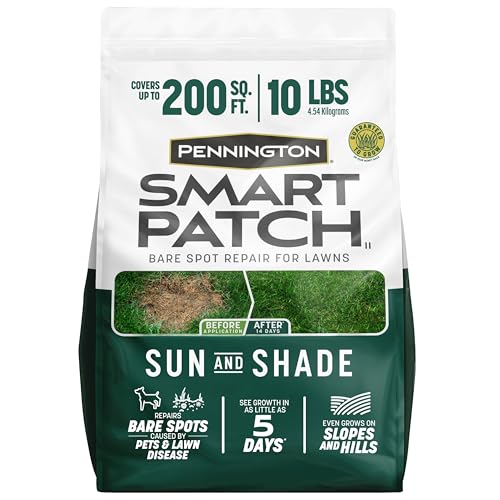
Pennington Smart Patch Sun and Shade Mix 10 lb
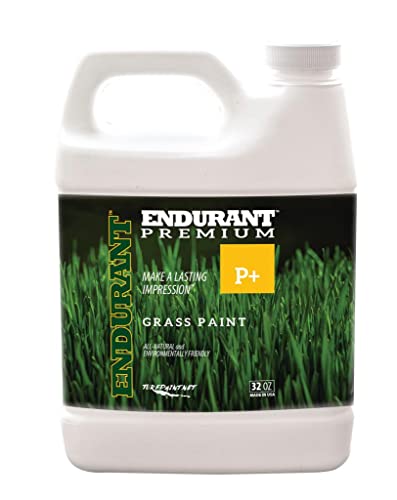
Endurant Turf Colorants 32 oz Concentrate

Pennington Smart Patch Tall Fescue 5 lb Jug

Scotts Liquid Green Max Lawn Food 32 oz

Scotts Grass Seed Drought Tolerant Mix 4 lb

Sunday Pet Patch 2-Pack with Sprayer

Sunday Bare Repair Sun and Shade Mix 4.5 lb

vetr Dog Repair Grass Paint 32 oz
EKIORI Manual Core Lawn Aerator (Black)
Inside Each Recommended Option
If your lawn is mostly fine but has thin or bare stretches that need to fill in fast, a quick-establishing mix like this one is often the path of least resistance. Jonathan Green’s Fast Grow blend combines annual ryegrasses, tall fescues, and fine fescues, which gives it a wide comfort zone from full sun to medium shade. The seven-pound bag covers a meaningful chunk of lawn, and the mix is intended to germinate in roughly a week to ten days under proper watering.
For homeowners dealing with a fall repair window, this is one of the easier choices to time. The brand recommends application from mid-August through mid-October, or again in spring from mid-March through mid-May, which lines up with when cool-season seed actually wants to grow. Keep in mind this is a one-season solution, so plan to overseed with a longer-lasting blend if you want permanent coverage.
Well-Handled Touches
- Germinates in roughly 7 to 10 days under proper watering, so bare patches fill in before the season ends.
- Tolerates full sun to medium shade, useful for yards with mixed light conditions.
- Blends ryegrass and fescue for a darker green color than basic rye-only mixes.
- 7 lb bag covers a generous area for spot repairs or partial reseeding.
- Flexible application window across spring and fall cool seasons.
Small Caveats
- It’s a temporary, one-season solution, so you’ll likely need to overseed with a permanent blend later.
- Annual ryegrass can compete with later permanent seedings if not managed carefully.
Who Should Grab It
Homeowners with cool-season lawns who need a fast fill-in before winter and don’t mind overseeding next season.
Look Elsewhere When
You want a one-and-done permanent fix in a hot, dry climate, where Scotts Grass Seed Drought Tolerant Mix is the stronger long-term play.
Yards with mixed light are usually the hardest to repair, because no single grass type thrives in both sun and shade. Pennington Smart Patch aims at exactly that problem, bundling seed, fertilizer, and a mulch component into a single spreadable mix. The included microbials are meant to support root development and overall lawn health, which is one of the quieter differentiators versus a plain seed bag.
The 10-pound size works well for homeowners patching multiple trouble spots rather than a single bare patch. Where the Jonathan Green option above leans on speed, this one trades some quickness for a more balanced sun-and-shade blend. For most average suburban lots with two or three problem areas, the coverage and flexibility justify the larger format.
The Good Stuff
- Three-in-one formula combines seed, fertilizer, and mulch in one application step.
- Handles both sunny and moderately shaded patches in the same bag.
- Microbial additive is meant to improve long-term lawn resilience.
- 10 lb bag suits multi-zone repairs across a typical yard.
Honest Caveats
- Coverage claims assume decent prep; compacted or thatched soil will limit results.
- The all-in-one format costs more per pound than plain seed.
Made For
Homeowners with several scattered bare spots in a yard that gets both sun and partial shade throughout the day.
Swap It Out When
You only need to fix one or two small patches and don’t want to commit to a 10 lb bag, where Pennington Smart Patch Tall Fescue 5 lb Jug is a tidier fit.
Sometimes you don’t have time to wait for seed. A backyard graduation, a listing photo, a holiday visit, and suddenly that brown patch is the most photographed square foot of the property. Endurant’s turf colorant is a concentrated liquid dye designed to be mixed with water and sprayed on, giving dormant or patchy turf a uniform green appearance within hours rather than weeks. The 32-ounce bottle mixes down to cover roughly 1,000 square feet.
The honest read is that this isn’t a repair in the biological sense. It doesn’t grow new grass, and it won’t fix the underlying problem. What it does is buy you time while seed establishes or while you wait for cooler weather. For most homeowners, that’s a temporary tool, not a substitute for actual reseeding.
What Makes Sense
- Covers approximately 1,000 sq ft per bottle when mixed, enough for typical residential use.
- Concentrate format means you control the green intensity and dilution.
- Useful for events, photos, and listing prep when seed can’t catch up in time.
Worth Noting
- It’s a cosmetic fix, not a biological one. The underlying lawn still needs real repair work.
- Color fades over time and will need reapplication as grass grows out or weather wears it down.
Right Fit For
Homeowners with an event, real-estate photo shoot, or seasonal deadline where green color matters more than actual turf health.
A Better Fit Elsewhere
You want a real, lasting fix to thin or dying turf, where Pennington Smart Patch Sun and Shade Mix is the more permanent choice.
When the problem is a handful of specific bare spots and you don’t need a 10-pound bag, this smaller jug of Pennington’s Smart Patch formula targets tall fescue specifically. Tall fescue is a cool-season workhorse with deeper roots than ryegrass, which is why it shows up in so many patch blends. The jug format keeps things tidy for storage in a garage or shed between repairs.
Compared to the 10-pound Pennington mix above, this one trades some flexibility for a tighter focus. You get the same seed-plus-mulch-plus-fertilizer approach, just in a smaller, fescue-tuned package. For most homeowners with one or two ugly spots by the sidewalk or under a play set, that focus is exactly the right scope.
Positive Takeaways
- Tall fescue blend offers deeper roots than pure ryegrass repairs.
- Smaller 5 lb jug is easier to store and use before the seed’s viability window closes.
- Targeted format suits one-or-two-spot repairs without overbuying.
Trade Offs
- Less versatile if your yard shifts between full sun and deep shade.
- Smaller bag may not stretch across larger renovation projects.
Who Will Love This
Homeowners with a few well-defined bare spots in a fescue-friendly climate who want a focused, manageable bag size.
Another Choice May Suit
Your yard has wide light variation, where Pennington Smart Patch Sun and Shade Mix handles the variability better.
Not every lawn problem is a bare patch. Sometimes the grass is technically alive but pale, stressed, and one bad week away from looking dead. Scotts Liquid Green Max is a 2-in-1 liquid fertilizer and iron supplement designed to push a tired lawn back toward a deeper green color quickly. The 32-ounce bottle is meant to attach to a hose-end sprayer for even coverage across the yard.
This sits in a different category from the seed-and-mulch products above. It’s a feeding product, not a reseeding product, so it works on lawns that already have grass but have lost their color. For most homeowners whose grass is thin rather than absent, the iron boost is often the missing piece after a long summer.
What It Does Well
- 2-in-1 liquid fertilizer and iron supplement for fast visible greening.
- Hose-end application covers a full yard quickly without spreading dry product.
- Suitable for any grass type when used as directed.
Things To Consider
- Doesn’t actually grow new grass in bare patches, so pair with seed for true repair.
- Iron can stain concrete and walkways if overspray isn’t rinsed quickly.
Perfect Match For
Homeowners whose existing lawn has gone pale or yellow but still has live grass that just needs a nutritional push.
Reach For A Different Pick When
You have actual bare dirt to fill, where Jonathan Green Fast Grow Grass Seed addresses the gap rather than the color.
Hot, dry summers punish shallow-rooted grass, and that’s the cycle this blend is designed to break. Scotts’ Drought Tolerant Mix combines tall fescue and Kentucky bluegrass, two species known for pushing roots deeper into the soil profile. The idea is that deeper roots reach moisture the summer heat doesn’t evaporate, so the lawn holds up through dry spells without going brown.
The mix also has a self-repairing quality, meaning it can fill in small bare spots over time without manual reseeding. Best results come from applying during spring or fall when air temperatures sit between 65°F and 85°F, which is when these cool-season grasses naturally want to grow. For most homeowners in transition-zone climates, that timing is the real key to success.
Notable Gains
- Tall fescue and Kentucky bluegrass blend builds deep roots for dry-weather resilience.
- Self-repairing quality helps small bare spots fill in over time.
- Listed as 99.99% weed-free seed, reducing competition from unwanted grasses.
Possible Compromises
- Best results depend on proper application timing within the recommended temperature window.
- 4 lb bag is sized for smaller projects or overseeding rather than full-lawn renovation.
Best Suited To
Homeowners in hot, dry, or transition-zone climates who want seed that holds up through summer stress.
Consider Something Else When
You need fast color for a near-term event, where Endurant Turf Colorants provides same-day green without the wait.
Dog owners know the pattern: a lush green lawn, a new puppy, and within weeks a constellation of yellow and brown spots where the pup has been visiting. Sunday’s Pet Patch is designed specifically for that problem, combining a liquid lawn treatment with a hose-end sprayer for spot application. The two-pack format means you’re stocked for a season of recurring spots rather than a one-off repair.
Application is short: roughly 15 seconds per spot with proper watering, and visible improvement is expected within a few weeks. The trade-off is that Pet Patch treats the symptom rather than changing the underlying cause. Until you can water spots heavily right after the dog visits, the pattern tends to repeat.
A Strong Showing
- Designed specifically for dog urine damage rather than general wear and tear.
- Hose-end sprayer keeps application to seconds per spot.
- Two-pack format covers a full season of recurring pet spots.
Practical Considerations
- Treats the damage but doesn’t change the cause, so heavy post-visit watering still matters.
- Works best as part of a routine, not as a single rescue treatment.
Whose Shelf It Belongs On
Dog owners who want a dedicated, repeatable treatment for urine spots without reseeding the whole yard.
Where A Sibling Pick Shines
You want instant cosmetic green without waiting for actual recovery, where vetr Dog Repair Grass Paint covers the same spots in minutes.
Sunday’s Bare Repair blend is one of the more thoughtful patch products on this list. It’s a 3-in-1 mix that combines perennial ryegrass, fine fescue, fertilizer, and a coco coir mulch designed to hold moisture around the seed. The ryegrass germinates quickly for fast visual coverage, while the fine fescue builds longer-term shade tolerance once the patch is established.
The 4.5-pound bag covers up to 55 square feet of bare spots, which lines up with a typical weekend patch project. Growth is expected within 14 days or less under proper watering. For most homeowners who want one product to handle scattered thin areas without buying seed, mulch, and fertilizer separately, this is a tidy solution.
The Helpful Details
- 3-in-1 formula combines seed, fertilizer, and moisture-holding coco coir mulch.
- Perennial ryegrass germinates fast while fine fescue builds shade tolerance.
- Visible growth in 14 days or less with consistent watering.
- Bag covers up to 55 sq ft, sized for typical patch projects.
Points To Keep In Mind
- Best results require diligent watering during the establishment window.
- Coco coir mulch can dry out quickly in hot weather if not monitored.
Built With In Mind
DIY homeowners handling a weekend patch project who want one product instead of three separate bags.
Skip It When
You only need a tiny spot repaired, where Pennington Smart Patch Tall Fescue 5 lb Jug is a smaller, more focused alternative.
When pet spots need to look better in the next hour, not the next month, a lawn colorant is the move. vetr’s Dog Repair Grass Paint is a 32-ounce spray designed to cover brown patches caused by dog urine without the wait of reseeding. The formula is non-toxic and pet-safe once dry, and the rainproof finish is meant to hold up through normal weather.
Like the Endurant option earlier, this is a cosmetic fix rather than a biological one. The grass underneath still needs time and care to recover. Where vetr differentiates is the dog-specific positioning: the formula is built for households where pets will be back on the lawn shortly after application, and the included sprayer keeps the process simple.
Useful Touches
- Pet-safe, non-toxic formula suitable for households with active dogs.
- Rainproof finish designed to hold up through normal weather.
- Made in the USA with eco-friendly ingredient focus.
Less Ideal Details
- Cosmetic only. The underlying grass still needs real repair to truly recover.
- Color will fade as new grass grows in, requiring reapplication.
Who Should Grab It
Pet owners who need a quick visual fix for urine spots and can’t wait weeks for seed to establish.
Not Your Match When
You want a treatment that actually helps the lawn recover, where Sunday Pet Patch 2-Pack with Sprayer works on the biology rather than the appearance.
Most grass repair failures aren’t seed problems. They’re soil problems. Compacted ground sheds water, strangles roots, and makes any seed you throw at it struggle to take hold. The EKIORI manual core aerator is built to fix that with a step-to-eject design, meaning the tines drive into the ground and the soil cores release with a foot motion rather than clogging the tool.
This isn’t a grass repair product in the traditional sense, but it makes every other product on this list work better. For most homeowners, aerating once a year before overseeding turns a marginal repair into a confident one. The trade-off is physical effort, since this is a manual tool, but that’s also why it costs less than a powered alternative.
Practical Advantages
- Step-to-eject design prevents clogging during repeated use.
- Heavy-duty steel construction built for repeated seasonal aeration.
- Manual operation avoids fuel, batteries, and ongoing maintenance costs.
- Improves seed-to-soil contact for any overseeding project that follows.
Potential Sticking Points
- Manual operation requires physical effort, especially in hard or rocky soil.
- Best suited to small-to-mid-size yards; large properties may need a powered unit.
The Right Fit
Homeowners prepping a small or mid-size yard before overseeding, who want a durable manual tool without engine maintenance.
Consider Something Else When
You only need to repair a single visible spot, where Sunday Bare Repair Sun and Shade Mix addresses the surface without the prep work.
Choosing Grass Repairs That Actually Take
A grass repair product is only as good as the match between the problem and the formulation. The first thing to figure out is what kind of damage you’re dealing with. Dog urine spots call for different chemistry than drought stress, and shaded areas under maples need different seed than full-sun stretches by the driveway. Match the product to the problem, not the other way around.
Coverage and timing matter more than most people expect. A 7-pound bag of fast-grow ryegrass sounds like a lot until you spread it across actual square footage, and a drought-tolerant mix does nothing if you apply it in July instead of the recommended spring or fall window. Read the application timing first, then check whether the bag size lines up with the area you’re repairing.
Pet households have their own decision tree. If you want actual recovery, a treatment like Sunday Pet Patch works on the soil biology over a few weeks. If you need the spots to look better for company this Saturday, a pet-safe colorant is the right call. Many dog owners end up keeping both on hand: one for the slow fix, one for the fast cover.
Shade and climate zone quietly determine long-term success. Cool-season grasses like fescue and ryegrass thrive in northern and transition zones, while warm-season grasses need a different product category entirely. Within a cool-season yard, a sun-and-shade blend handles most mixed-light situations, while pure tall fescue works best in deeper shade and pure bluegrass in full sun.
Spotting Trouble Before You Buy
Where Shoppers Go Wrong
The most common mistake is buying seed without addressing why the lawn went bare in the first place. Compacted soil, poor drainage, and pet traffic will defeat almost any seed mix. Prep the ground first with aeration or top-dressing, then choose the repair product. Another trap is misreading the bag size. A 4-pound bag covers a lot less area than it sounds, so overestimating coverage is one of the easiest ways to run out of seed halfway through the job.
The Upgrade Payoff
Higher-tier grass repair products earn their cost by bundling what’s normally three separate purchases: seed, fertilizer, and mulch. They also tend to use more uniform seed coatings and microbial additives that improve germination rates, especially in less-than-ideal soil. For most homeowners, the upgrade is worth it for visible front-yard repairs, while the basic formulations are fine for back corners no one looks at.
Frequently Asked Questions
How long does grass repair seed take to grow?
Most cool-season repair mixes show visible growth in 7 to 14 days under consistent watering, though full establishment usually takes 6 to 8 weeks. Fast-establishing ryegrass germinates on the quick end, while fescue and bluegrass take longer but produce more durable turf.
Can you put grass seed down on existing grass?
Yes, the practice is called overseeding, and it’s how most patch repairs actually work. The key is good seed-to-soil contact, so mow short, rake out debris, and water consistently for the first two weeks. Aerating before overseeding improves the results meaningfully.
Will dog urine spots grow back on their own?
Sometimes, but slowly. Diluting the spot with water immediately after the dog visits helps a lot, and a dedicated pet-patch treatment speeds recovery. Without intervention, the same spots tend to reappear each season because the underlying concentration in the soil stays high.
What’s the difference between seed, paint, and fertilizer?
Seed actually grows new grass over weeks. Paint is a colorant that provides instant green without any biological change. Fertilizer feeds existing grass to make it greener and denser but doesn’t fill bare spots on its own. The best approach often combines two of the three.
When is the best time of year to repair grass?
Cool-season grasses repair best in early fall or early spring when soil temperatures sit between 55°F and 70°F. Warm-season grasses prefer late spring through early summer. Timing the application correctly is often the single biggest factor in whether the seed takes.
Closing Remarks
The right grass repair product turns a frustrating weekend into a satisfying one. Match the formulation to the problem, mind the timing, and don’t skip the soil prep, and most lawns come back from bare spots in a single season. Pick the option that fits the damage in front of you, and the rest of the yard usually follows.
