

Bad soil punishes weak seed. Clay that bakes, sand that drains in a heartbeat, fill dirt from a builder’s backhoe, or a compacted patch where nothing seems to take root: each one asks a different question of your lawn. The ten products below all have a real answer, whether you need deep roots for drought, shade tolerance under a heavy oak, or warm-season vigor in southern heat.
A Closer Look At The Lineup

Jonathan Green Black Beauty Heavy Traffic Grass Seed (3 lb)

Jonathan Green Black Beauty Dense Shade Grass Seed (1 lb)

Jonathan Green Black Beauty Heat & Drought Grass Seed (3 lb)

Jonathan Green Black Beauty Ultra Grass Seed (7 lb)

Scotts Turf Builder Grass Seed Sunny Mix (2.4 lbs)
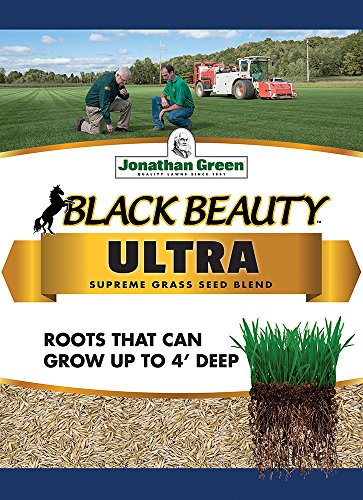
Jonathan Green 40322 Black Beauty Ultra Grass Seed (7 lb)

Pennington Bermudagrass Grass Seed (5 lb)

Pennington Clover Grass Seed Mix (7 lb)

Blue Mountain Hay Organic Garden Straw Mulch (5 lb)

Scotts Kentucky 31 Grass Seed Mix (20 lbs)
Why These Options Stand Out
Backyards that take a beating from kids, dogs, and weekend soccer games wear thin fast, especially when the ground underneath is mostly builder’s fill. Jonathan Green Black Beauty Heavy Traffic Grass Seed leans on tall fescue and perennial rye to push a deep, uniform stand that recovers quickly from scuffs. The 3 lb bag is a sensible size for patching the worst wear zones before they spread.
Cool-season performance suits northern and transition-zone lawns, and the mix reportedly produces a tight, even texture, the kind you actually want for barefoot summers. Owners with a mixed soil profile, part clay, part sand, part construction debris, may find this blend forgives the inconsistencies better than basic rye alone.
A Few Highlights
- Cool-season blend of tall fescue and perennial rye built for repeated foot traffic and play.
- Encourages a uniform turf texture that holds up to weekly mowing and active use.
- Tolerates the compacted, patchy soils common in newer developments and side yards.
- 3 lb bag covers targeted repairs without forcing a full-yard purchase.
Honest Caveats
- Cool-season profile means slower growth in deep southern summers, so hot-climate shoppers may want a warm-season option like Pennington Bermudagrass Grass Seed instead.
- A 3 lb bag is sized for spot repair, not whole-lawn renovation on larger properties.
Who It Suits Best
Families with kids, pets, and a worn path between the patio and the shed who need a cool-season repair mix for tough, compacted soil.
Where Another Pick Suits Better
For southern heat and sandy, fast-draining ground, Pennington Bermudagrass Grass Seed is the more climate-appropriate swap.
Shade and bad soil often go hand in hand. The ground under a mature oak or alongside a north-facing wall stays damp, gathers leaf litter, and gets starved of light, so the seed you pick needs to be specifically tuned for low-sun conditions. Jonathan Green Black Beauty Dense Shade Grass Seed is engineered for those exact trouble spots and includes endophytes, a natural fungus living inside the grass that helps deter surface insects and stress.
The expected germination window of 14 to 21 days means you can plan your watering and overseeding schedule around a fairly predictable timeline. The dark-green color the blend produces helps shaded patches blend visually with the rest of a sunnier lawn. For thin areas under trees or in the shadow of a fence, this is a focused fix rather than a whole-yard overhaul.
Practical Advantages
- Specifically mixed for low-light areas with limited sun penetration.
- Endophyte-enhanced varieties offer natural resistance to surface insect pressure.
- Reliable 14 to 21 day germination window for easier project planning.
- Produces a dark green tone that visually unifies shaded patches with the rest of the lawn.
Things To Consider
- At 1 lb, the bag is sized for targeted shady patches, not broad reseeding of an entire lawn.
- Even shade-tolerant mixes struggle in deep, dry shade, so very dense canopies may still need light pruning for best results.
At A Glance
Best Suited To
Homeowners with mature trees, tall fences, or north-facing beds where poor, shaded soil has resisted every other seed you’ve tried.
Not Your Match When
For full-sun lawns with compacted clay, Jonathan Green 40322 Black Beauty Ultra Grass Seed covers a wider, sun-friendly use case.
Drought-prone yards, especially in transition zones where summers push past 100°F, need seed that can hold on when the rain stops. Jonathan Green Black Beauty Heat & Drought Resistant Grass Seed mixes tall fescue with Texas bluegrass and uses a waxy leaf coating, similar to the skin of an apple, that limits evaporation through the blade. That trait is what gives this blend its reputation for staying green longer between waterings.
For thin, rocky, or builder’s-fill soil, deep root structure matters more than surface color, and this blend is designed to push roots down into poor subsoil. The full-sun to light-shade preference fits most open suburban lots in the southern two-thirds of the country.
Well-Handled Touches
- Waxy leaf coating reduces moisture loss through the blade during hot, dry stretches.
- Tall fescue and Texas bluegrass pairing tolerates heat up to 100°F without going dormant as fast.
- Deep-rooting habit helps plants reach moisture held in lower soil layers.
- Works across full sun and lightly shaded sites, useful for partially tree-lined lots.
Worth Noting
- Performance drops in deep shade, so heavily wooded properties may still need the Dense Shade blend instead.
- Heat tolerance is a margin, not magic, so a deep watering routine during the first month still drives establishment.
Made For
Property owners in the South and transition zone with thin, fast-draining soil and long, hot summers that punish ordinary cool-season blends.
Skip It When
For a fully warm-season lawn that goes naturally dormant in winter, Pennington Bermudagrass Grass Seed is a stronger climate match.
When the project is a brand-new lawn on rough, unworked ground, the seed you choose sets the trajectory for the next decade. Jonathan Green Black Beauty Ultra Grass Seed brings together tall fescue, Kentucky bluegrass, and perennial rye for species diversity, which is just a way of saying the lawn isn’t betting on a single grass to handle every condition. That diversity pays off in rocky, clay-heavy, or uneven fill soil where moisture and nutrients vary pocket to pocket.
The 7 lb pack size targets a serious establishment or repair, not a five-by-five patch. For a homeowner taking on a full front yard or starting from scratch after construction, this is the scaled-up sibling to the smaller Heavy Traffic and Dense Shade blends reviewed earlier.
Real-World Strengths
- Multi-species blend combines tall fescue, Kentucky bluegrass, and perennial rye for wider adaptability.
- Built for both new lawn establishment and filling in bare or thin areas.
- Produces a dark green, uniform appearance once established.
- 7 lb bag covers substantially more ground than repair-sized options.
Trade Offs
- New-lawn seeding still demands consistent watering for the first few weeks, and skipping that step is the most common establishment failure owners report.
- The pack size may be more product than needed for very small repair projects.
Feature Snapshot
Right Fit For
Homeowners reseeding a full front or back lawn on soil that ranges from decent to challenging, who want one bag to cover a real project.
Reach For A Different Pick When
For a smaller patch or a specific traffic-wear zone, Jonathan Green Black Beauty Heavy Traffic Grass Seed keeps you from buying more seed than you need.
Scotts is the name most people recognize on the shelf, and the Turf Builder Grass Seed Sunny Mix is built for the most common residential scenario: a wide-open yard that gets full sun for most of the day. The selling point is Root-Building Nutrition, a blend of ingredients formulated to push seedlings toward deeper root development in their first weeks. That early root push matters most in mediocre soil, where a shallow root system is what kills grass during the first dry stretch.
This mix is designed for full sun and light shade, with medium to high drought resistance once established. For first-time seeders working a yard with average to slightly poor soil, the combination of brand familiarity and forgiving agronomy is the draw.
What Makes Sense
- Root-Building Nutrition supports early root depth, the most important factor in poor soil survival.
- Suited to full sun and light shade, covering most suburban front yards.
- Medium to high drought resistance once the lawn is established.
- Accessible 2.4 lb size for first-time seeders tackling a single yard.
Points To Note
- Not the right pick for deep shade, which calls for the Jonathan Green Dense Shade blend instead.
- Full-sun preference means it can struggle on heavily shaded lots, even with light daily watering.
Perfect Match For
First-time seeders with an open, sunny yard and average soil who want a recognizable, easy-to-follow product with built-in starter nutrition.
Look Elsewhere When
For tall-fescue-heavy durability on a heavily worn lawn, Jonathan Green Black Beauty Heavy Traffic Grass Seed fits better.
The Jonathan Green 40322 Black Beauty Ultra Grass Seed shares its core blend with the Ultra bag reviewed earlier, and adds a clearly stated coverage figure: 2,800 square feet per 7 lb bag. That number is the part that matters most for planning, because bad soil usually means a thin, patchy existing lawn that needs more seed than the eye suggests.
Black Beauty varieties are reported to carry a waxy leaf coating, similar to the heat and drought blend above, and include naturally insect-resistant grass. For homeowners reseeding after a rough summer, the species diversity of tall fescue, Kentucky bluegrass, and perennial rye gives a wider margin for error than a single-species bag.
Benefits That Matter
- Stated 2,800 sq ft coverage helps calculate how many bags a project actually needs.
- Multi-species blend adapts to varied soil pockets across a single yard.
- Waxy leaf coating supports moisture retention during dry spells.
- Naturally insect-resistant grass reduces some surface pest pressure without intervention.
Where It Is Less Suited
- Premium multi-species blends are typically more expensive per bag than single-purpose options.
- The full coverage potential is only realized with consistent early watering, which some owners find demanding.
Technical Sheet
Built With In Mind
Homeowners planning a full-lawn reseed on mixed or marginal soil who want clear coverage numbers and a multi-species blend in one bag.
Swap It Out When
For a small spot repair under ten square feet, the Jonathan Green Dense Shade or Heavy Traffic 1 to 3 lb bags are a better, less wasteful size.
Southern and southwestern yards live by different rules. Pennington Bermudagrass Grass Seed is a warm-season option that aggressively self-spreads, fills in bare patches with rhizomes and stolons (underground and above-ground runners that produce new grass plants), and develops a deep root system that handles sandy, rocky, or low-organic soil better than most cool-season blends. The improved cold-tolerant varieties extend its range a bit further north than traditional Bermuda.
Wear resistance is a defining trait, useful for driveways, side yards, and dog runs where foot traffic compounds the soil problem. The trade-off, worth knowing up front, is that Bermuda goes brown and dormant in winter across most of its range. Anyone expecting a year-round green carpet will want to pair Bermuda with rye for winter overseeding or accept the seasonal color shift.
Reasons It Performs
- Aggressively self-spreading growth habit fills in thin and bare patches naturally.
- Deep root system reaches moisture in sandy or rocky southern soils.
- Strong wear resistance for high-traffic side yards and play areas.
- Improved cold-tolerant varieties extend the range into transition-zone climates.
Potential Drawbacks
- Goes dormant and turns brown in winter, which can read as dead grass to anyone unfamiliar with warm-season lawns.
- Low-growing blend produces fewer clippings, but also recovers more slowly from heavy damage in cooler months.
Whose Shelf It Belongs On
Southern and transition-zone homeowners with sandy, rocky, or thin topsoil who want a self-repairing lawn and accept the seasonal dormancy that comes with warm-season grass.
A Better Fit Elsewhere
For northern lawns that need year-round green color, Jonathan Green Black Beauty Ultra Grass Seed is the more climate-appropriate pick.
When the soil itself is the problem, sometimes the best move is to seed something that improves it as it grows. Pennington Clover Grass Seed Mix combines white clover with grass seed, and clover’s real value is underground: its roots host bacteria that pull nitrogen from the air and convert it into a form the surrounding grass can use. In lean, sandy, or heavily leached soil, that natural fertilization is what the lawn has been missing all along.
The mix is targeted at the northern region of the US and covers up to 1,400 square feet in a 7 lb bag. It won’t look like a putting green, but it produces a soft, drought-tolerant, low-input lawn that improves year over year, the kind of slow-bet strategy that pays off when traditional fertilizer just washes through poor soil.
What Pays Off
- Clover naturally fixes atmospheric nitrogen, feeding itself and neighboring grass without synthetic fertilizer.
- Drought-tolerant blend suited to lean, sandy, or low-organic soil.
- Low-input maintenance once established, with less need for routine feeding.
- 7 lb bag covers up to 1,400 sq ft, a useful size for many front lawns.
Some Limits To Know
- Clover flowers attract bees, which can be a concern for households with young kids running barefoot across the lawn.
- Not a manicured turf look, so shoppers wanting a traditional grass-only lawn may want a pure fescue or bluegrass blend instead.
Who Should Grab It
Homeowners in the northern US with poor, depleted soil who want a self-improving, low-input lawn and don’t mind a more natural appearance.
Another Choice May Suit
For a uniform, traditional lawn appearance in similar conditions, Scotts Turf Builder Sunny Mix is a more conventional look.
Seed is only half the project in bad soil. The other half is keeping the seedbed moist long enough for germination, and a light layer of straw mulch over freshly seeded ground is the traditional, low-cost way to do that. Blue Mountain Hay Organic Garden Straw Mulch is harvested for coverage and durability, and works on new lawn seeding, raised beds, and flower beds alike.
Straw helps retain moisture, regulate soil temperature, and keep rain or irrigation from washing seed into low spots before it roots. Used alongside any of the seed blends on this list, it improves germination rates on the worst patches. It’s a supporting product, not a substitute for seed, but in poor soil the difference is meaningful.
Positive Points
- Helps retain moisture at the seedbed during the critical first weeks of germination.
- Moderates soil temperature swings that can stall seedling development.
- Protects seed from heavy rain and irrigation washout on sloped or bare soil.
- Useful for new lawn seeding, raised beds, flower beds, and composting alike.
Worth Bearing In Mind
- Straw mulch must be applied in a thin layer, around half an inch, so it doesn’t smother seedlings.
- Some straw products contain weed seed; sourcing from a brand that harvests for cleanliness reduces that risk.
Who Will Love This
Anyone seeding a new lawn or overseeding bare patches who wants a higher germination rate on bad soil without investing in specialized seeding mats.
Consider Something Else When
For a yard with no companion seeding project, straw mulch has limited value, and you may be better off with a soil amendment or fertilizer instead.
For properties with serious acreage to cover, the bag size matters as much as the seed. Scotts Kentucky 31 Grass Seed Mix is built around Kentucky 31 tall fescue, a heritage variety known for durability and lower maintenance, and adds companion seeds for a thicker, greener stand than Kentucky 31 alone typically produces. The 20 lb bag is sized for big reseeding jobs and field-scale repairs.
Tall fescue’s deep root system is well suited to poor, compacted, or clay-heavy soils, which is why it keeps showing up in tough-soil discussions. For anyone reseeding after construction, repairing a worn field, or starting a large property from scratch, the volume here keeps the cost per square foot reasonable.
Everyday Wins
- Kentucky 31 tall fescue base offers proven durability in tough soil conditions.
- Companion seed blend thickens the stand beyond what Kentucky 31 alone provides.
- 20 lb bag suited to large properties, fields, and post-construction reseeding.
- Lower-maintenance profile once established compared to many high-input blends.
Room For Improvement
- Traditional tall fescue texture is coarser than newer dwarf varieties, which some shoppers find less refined.
- 20 lb is more product than most small-lot owners actually need, so storage planning matters.
Quick Facts
The Right Fit
Owners of larger properties, small farms, and field-edge lawns who need volume and durability over a refined turf appearance.
Where A Sibling Pick Shines
For a smaller urban lot with finer-bladed grass expectations, the Jonathan Green Black Beauty Ultra 7 lb bag is a more texture-appropriate size.
What Matters Most Before Choosing Grass Seeds For Bad Soil
Match the seed to your climate band, not the label
Cool-season blends (tall fescue, Kentucky bluegrass, perennial rye) thrive in the North and upper transition zone. Warm-season grasses (Bermuda, zoysia) own the South. Picking across that line is the most common reason a “great” seed fails, regardless of how well it’s engineered for poor soil. Endophytes, the beneficial fungi inside some tall fescue varieties, add natural insect and stress resistance worth looking for in cool-season picks.
Read the species list, not the marketing name
“Tough,” “extreme,” and “traffic” mean different things across brands. A multi-species blend like the Jonathan Green Ultra spreads risk across grasses that handle different stressors, while a single-species bag (Bermuda, for example) bets everything on one plant. For mixed, unknown soil, species diversity is the safer play.
Account for shade, slope, and water behavior
Soil in deep shade stays damp and grows moss instead of grass. Soil on a slope sheds water before roots can catch it. Spend a week observing where water sits, where it runs off, and which areas actually see sun. That map tells you which blend or which combination of blends your yard actually needs, and it usually isn’t a one-bag-fits-all answer.
Plan for the establishment window, not the purchase
The first 21 to 30 days decide whether bad-soil seeding succeeds. Consistent moisture, light straw mulch on bare patches, and protection from heavy foot traffic during germination are the unglamorous steps that make any of the ten products above actually work. The seed is the input; the watering calendar is the project.
Key Considerations Across These Picks
Pitfalls Shoppers Hit
The single most common mistake is seeding at the wrong time of year for the chosen blend. Cool-season seed sown in July heat germinates poorly, and warm-season Bermuda planted in early spring sits dormant long enough to be overtaken by weeds. Another frequent miss is underestimating seed quantity, because bad soil demands higher seeding rates than healthy topsoil, and a thin initial stand invites weeds before the lawn fills in.
When Paying More Pays Off
Higher-tier seed earns its keep through species diversity, endophyte enhancement, and coatings that retain moisture during germination. For small repair projects, a budget bag is fine. For whole-lawn establishment on rough ground, the premium multi-species blends reviewed above tend to fill in faster, resist stress better, and reduce the need to re-seed the same patch a year later, which is where the real cost shows up.
