

A scorched, patchy yard in midsummer is a familiar headache for anyone with open, sunbaked ground. Choosing the right seed matters more than any fertilizer schedule, because the wrong cultivar simply bakes out by July. The picks below are organized by region, sun intensity, and how fast you need results, so you can match a mix to your soil instead of gambling on a generic bag.
The Shortlist At A Glance

Jonathan Green Black Beauty Sunny Grass Seed – 1 lb

Jonathan Green Fast Grow Grass Seed – 7 lb

Jonathan Green Black Beauty Heat & Drought Resistant Grass Seed – 3 lb

Jonathan Green Blue Panther Bermudagrass Grass Seed – 4 lb

Jonathan Green Black Beauty Ultra Grass Seed – 25 lb

Jonathan Green Black Beauty Ultra Grass Seed – 7 lb

Scotts Turf Builder Grass Seed Quality All-Purpose Mix, 20 lbs.
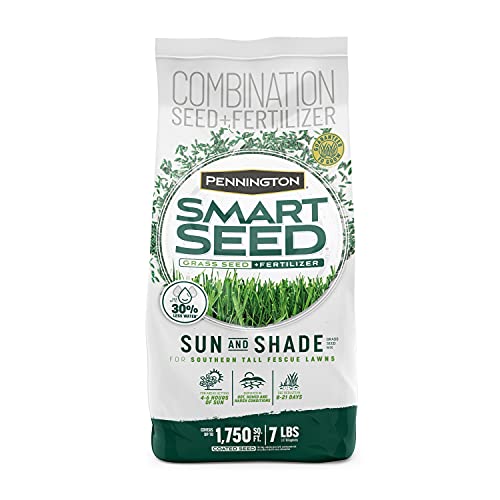
Pennington Smart Seed Sun & Shade Mix, South Tall Fescue Grass Seed, 7 lb

Pennington Annual Ryegrass, Grass Seeds for Lawn, 10 Lb
Inside Each Recommended Option
A small 1 lb bag works well for spot-seeding a sunbaked patch along a driveway or fence line, especially when you don’t want leftover seed sitting in a garage through winter. The cool-season blend pairs perennial rye, Kentucky bluegrass, and tall fescue, which is a more forgiving mix than straight bluegrass for thin or tired soils. For most suburban lawns with a few hours of midday exposure, this is a low-commitment way to test a cultivar before buying a full-size bag like the Ultra 25 lb covered later.
Because the bag is small, application is easy with a handheld spreader, and you can target only the areas that actually need help rather than overseeding the whole yard. Depending on your watering routine, you may see germination in roughly 7 to 14 days. For larger renovations, the same brand’s Ultra 7 lb is a better economy play.
Where It Helps
- Cool-season trio handles heat better than bluegrass alone, which is helpful in transition-zone summers.
- Small bag is perfect for first-time seeders who want to learn without overcommitting.
- Waxy leaf coating helps young grass hold moisture during dry spells, useful in late-summer seeding.
- Works in full sun and light shade, so it covers the parts of the yard that get occasional tree cover.
Things To Consider
- One pound covers only a modest area, so any full-yard project will need multiple bags.
- Commonly reported slow starter in cold soil, so early spring seeding may need patience.
- Not the right match for deep south heat, where the Bermudagrass option shines instead.
Feature Snapshot
Made For
Homeowners with small bare spots in mostly sunny lawns who want a low-cost trial run before buying a bigger bag.
Look Elsewhere When
Renovating a full yard in one pass, where the Jonathan Green Black Beauty Ultra Grass Seed – 25 lb gives far better coverage per dollar.
Fast Grow earns its name, with germination in about 7 to 10 days when soil stays consistently moist. The mix of annual ryegrasses, tall fescues, and fine fescues is built for speed, not longevity, so it makes sense as a bridge between bare soil and a longer-term seeding plan. For most backyards with a stubborn patch that needs green color before a backyard event, it pulls weight fast.
The trade-off is that annual ryegrass naturally fades after one season, so you will want to overseed with a Black Beauty blend the following fall. The mid-August to mid-October or mid-March to mid-May windows are the safest planting slots, depending on your zone. Compared with the first pick, this one trades long-term staying power for instant results.
A Favorable Mix
- Rapid germination turns bare patches green in about a week, useful before gatherings or listings.
- Tolerates full sun down to medium shade, so one bag can cover most of a typical yard.
- Produces a dense dark-green turf that visually masks thin areas in the existing lawn.
- Plays well as a temporary cover before a longer-term Black Beauty overseed the next season.
Honest Caveats
- Annual ryegrass fades after a single season, so plan to overseed with a perennial mix later.
- Needs steady moisture during the first two weeks, which adds to your water bill in dry zones.
Right Fit For
Homeowners facing a fast deadline, like selling a home or hosting an event, who need green coverage within ten days.
Consider Something Else When
You want a one-step permanent lawn, in which case the Jonathan Green Black Beauty Heat & Drought Resistant Grass Seed – 3 lb is a longer-lasting alternative.
If your lawn bakes against a south-facing wall or sits on a slope that drains fast, this heat-focused blend is worth a look. The mix pairs tall fescue with Texas bluegrass, a hybrid designed to handle temperatures up to 100°F without going dormant. For most sunny lawns in zones 6 to 8, it stays greener through July than a standard cool-season bag.
The waxy leaf coating locks in moisture, which reduces how often you need to drag the sprinkler out during dry stretches. You still need to water during establishment, but mature grass tends to hold its color longer between rains. Compared with the Fast Grow option, this one is slower to start but built to survive more than a single summer.
Notable Upsides
- Handles heat up to 100°F, which is meaningful for southern exposures and reflected heat from driveways.
- Waxy leaf coating slows evaporation, so newly seeded areas stay moist a bit longer between waterings.
- Texas bluegrass parentage adds a darker green color than plain tall fescue mixes.
- Works in full sun and lightly shaded spots, so it covers most open-lawn conditions.
Small Caveats
- Slower to germinate than rye-heavy mixes, so don’t expect Fast Grow speed here.
- Not a true warm-season grass, so deep south lawns still need Bermudagrass for peak summer performance.
Quick Facts
Best Suited To
Homeowners in transition-zone climates with hot south-facing lawns that struggle through July and August.
Skip It When
You live in the deep south, where the Jonathan Green Blue Panther Bermudagrass Grass Seed – 4 lb handles sustained heat better.
Bermudagrass is the default for southern lawns, and Blue Panther leans into that with aggressive vertical and lateral rooting. A warm-season grass goes semi-dormant in winter, so this is a spring-and-summer performer rather than a year-round green carpet. For most backyards across the deep south, it stands up to foot traffic, heat, and the kind of humidity that cooks cool-season mixes.
The formulation is built to reduce the need for winter overseeding compared to traditional Bermudagrass, which saves a step each fall. Strong rooting also helps the lawn recover from drought faster once rain returns. Compared with the heat-and-drought cool-season pick above, this is a true warm-season switch rather than a compromise blend.
Everyday Advantages
- Aggressive rooting establishes quickly and crowds out many common weeds.
- Built for southern heat and humidity, so it thrives where cool-season mixes fade by July.
- Reduces winter overseeding compared to traditional Bermudagrass, saving a yearly chore.
- Tolerates heavy foot traffic, useful in yards with kids and pets.
Points To Keep In Mind
- Goes dormant and turns brown once soil temperatures drop in late fall.
- Spreads aggressively into garden beds without edging, requiring seasonal containment.
Who Should Grab It
Homeowners in southern states who want a heat-proof lawn and don’t mind a winter dormancy period.
Not Your Match When
You want year-round green color in a cooler climate, where the Pennington Smart Seed Sun & Shade Mix, South Tall Fescue Grass Seed, 7 lb keeps more winter life.
The 25 lb Ultra is the workhorse bag for full-lawn renovations or new construction. It blends tall fescues, Kentucky bluegrass, and perennial rye, which covers most cool-season needs in a single pass. For most homeowners with a 3,000 to 5,000 square foot yard, this is the right size for a from-scratch seed without running out halfway through.
Germination is quick enough to fill bare spots within a few weeks, and the dense, dark-green turf holds up well under regular use. As with the smaller Black Beauty bag, the waxy leaf coating helps the lawn retain moisture during the establishment phase. The trade-off is weight: a 25 lb bag is awkward to move, so plan a drop spot close to the yard.
What Works In Its Favor
- Three-way blend balances quick cover, deep roots, and dark color in one formula.
- Big bag is more economical per pound than the 1 lb and 7 lb versions.
- Germinates fast enough to repair bare patches and to seed a brand-new lawn in the same season.
- Waxy leaf coating slows water loss, helping young grass through hot stretches.
Worth Noting
- 25 lb is heavy and bulky, so storage and transport take some planning.
- Not formulated for deep south heat, so Bermudagrass is the better fit below the transition zone.
Perfect Match For
Homeowners with a half-acre or smaller lot who are reseeding the entire yard in a single weekend project.
Reach For A Different Pick When
You only need to touch up a few bare spots, where the 7 lb Jonathan Green Black Beauty Ultra Grass Seed is easier to handle and store.
The 7 lb Ultra hits a sweet spot for moderate overseeding on a small or mid-size lot. It uses the same tall fescue, Kentucky bluegrass, and perennial rye blend as the 25 lb version, just in a friendlier size. For most backyards with scattered thinning, a single bag covers a season of repairs without piling up extra inventory.
It germinates quickly enough to make bare spots disappear within a few weeks, and the dark-green color blends in well with existing turf. The waxy leaf coating helps young grass survive a missed watering or two during the first month. Compared with the heat-and-drought blend, this one trades peak heat tolerance for a wider sweet spot across cool-season regions.
Useful Highlights
- Same versatile trio as the larger Ultra bag, just in a manageable size.
- Dense dark-green turf blends in well with established cool-season lawns.
- Waxy leaf coating helps new seedlings survive short dry spells during establishment.
Trade Offs
- Not built for sustained 100°F heat, so the Heat & Drought blend is stronger in peak summer.
- 7 lb may fall short for full-lawn reseeding on larger properties.
Who Will Love This
Homeowners with a small to mid-size yard looking to overseed thinning areas in a single weekend.
A Better Fit Elsewhere
Anyone reseeding an entire half-acre lot, where the 25 lb Jonathan Green Black Beauty Ultra Grass Seed cuts down on per-pound cost.
Scotts’ All-Purpose Mix is a long-time staple in northern seed aisles, designed for both sunny and lightly shaded lawns. The seed coating absorbs roughly twice as much water as uncoated seed, which helps during the critical first two weeks. For most homeowners who want a single bag that handles multiple lawn conditions, this is a sensible, low-fuss pick.
The mix is formulated for the northern region, with medium drought resistance and a coarse-bladed texture. It repairs bare areas quickly and overseeds well into established turf. The honest read is that this is a balanced generalist rather than a specialist, so dedicated heat or shade blends will outperform it in those specific situations.
Notable Gains
- Water-absorbing coating improves germination in drier spring and fall conditions.
- Works in sun and shade, which is useful in yards with mixed light.
- Listed as 99.9% weed free, so fewer surprise broadleaf weeds in the first season.
- Repairs bare spots and overseeds existing lawns with the same bag.
Potential Drawbacks
- Northern formulation, so it underperforms in deep south heat compared to Bermudagrass or heat-blend options.
- Coarse blade texture is noticeable next to finer bluegrass lawns.
Key Product Details
Whose Shelf It Belongs On
Northern homeowners who want a single general-purpose bag for both full sun and partial shade sections of the yard.
Swap It Out When
You face sustained southern heat, where the Jonathan Green Black Beauty Heat & Drought Resistant Grass Seed – 3 lb holds color better.
Pennington’s Smart Seed is built for southern tall fescue lawns, which means it tolerates heat, humidity, and the heavy clay soils common in the southeast. The mix combines seed and fertilizer in one bag, so you don’t have to time a separate starter feeding. For most backyards that get 4 to 6 hours of direct sun, it strikes a useful balance between drought tolerance and shade flexibility.
Tall fescue’s deeper root system pulls moisture from further down, which helps during hot, dry stretches in July and August. The built-in fertilizer gives young grass a head start, though you’ll still need a regular feeding schedule after establishment. Compared with the Bermudagrass pick, this one keeps more green color through the cooler months.
Where It Delivers
- Seed and fertilizer in one bag simplifies the first feeding step.
- Designed for southern heat and humidity, including heavy clay soils.
- Handles both sunny and moderately shaded areas with a single formula.
- Tall fescue’s deeper roots tap subsoil moisture during dry spells.
Possible Compromises
- Built-in fertilizer is convenient but may not match a soil-test-driven feeding plan.
- Coarse blade texture differs from finer Bermudagrass lawns in the same neighborhood.
Built With In Mind
Southern homeowners who want a tall fescue lawn with some shade tolerance and don’t want to buy starter fertilizer separately.
Another Choice May Suit
Garden situations needing pure warm-season performance, where the Jonathan Green Blue Panther Bermudagrass Grass Seed – 4 lb is the stronger play.
Annual ryegrass is a winter overseeding workhorse for southern Bermudagrass lawns, giving you green color when the warm-season turf goes dormant. You can see results in roughly 3 to 7 days, which is the fastest turnaround on this list. For most southern homeowners who stare at a brown lawn from November through February, this seed fills the gap.
It also doubles as a temporary thin-grass support for northern lawns that need cover while a permanent blend establishes. The trade-off is that annual ryegrass fades once hot weather returns, so it’s a seasonal tool rather than a long-term lawn. Aim for areas getting 6 to 8 hours of full sun for the best color payoff.
Practical Advantages
- Fast 3 to 7 day germination delivers quick winter color in southern lawns.
- Useful as a nurse crop while slower perennial blends establish.
- 10 lb bag covers a meaningful area, useful for larger overseeding projects.
Where It May Fall Short
- Annual lifecycle means it dies back in heat, requiring reseeding each year.
- Not a permanent lawn solution on its own in cool-season regions.
Who It Suits Best
Southern homeowners who want green winter color over dormant Bermudagrass and don’t mind reseeding annually.
Not Your Match When
You’re establishing a permanent cool-season lawn, where the Jonathan Green Black Beauty Ultra Grass Seed – 7 lb is the longer-term answer.
What To Weigh Before Choosing Grass Seeds For Full Sun
Sun Exposure And Grass Type Match
Full sun means roughly 6 or more hours of direct light, and that single number changes which seed family fits. Cool-season blends like tall fescue, Kentucky bluegrass, and perennial rye handle northern and transition-zone heat, while warm-season Bermudagrass thrives in the deep south. Picking a seed built for the wrong zone is the fastest path to a brown July lawn, so match the bag to your region first and worry about brand second.
Drought Tolerance And Watering Reality
Drought tolerance is more than a label: waxy leaf coatings and deeper root systems both help grass survive missed waterings. The Jonathan Green heat-and-drought blends lean heavily on that waxy coating to slow evaporation, while tall fescue and Bermudagrass rely on deep roots. For most homeowners on municipal water, the realistic question is how many days the lawn can go between waterings, not how dry the soil ever gets.
Germination Speed Versus Long-Term Stay
Quick-germinating annual ryegrass shows green in under a week but fades within a season. Slower perennial mixes take longer to fill in but persist for years. For a one-off event, fast seed wins; for a long-term lawn investment, a perennial blend pays off despite the wait. Many homeowners actually combine the two, planting annual rye as a cover while a permanent mix establishes.
Bag Size And Coverage Planning
A 1 lb bag covers a small patch, while 20 to 25 lb bags handle a full lawn. Overbuying leaves you with stored seed that loses viability over time, so match the bag to the area you actually plan to seed. As a rule of thumb, calculate square footage first, then check the bag’s coverage chart to avoid running short mid-project.
Smart Choices Across These Picks
Where Shoppers Go Wrong
The most common mistake is buying a cool-season bag for a southern lawn or a warm-season bag for a northern one, then wondering why nothing germinates by July. Another trap is skipping soil prep, since seed that lands on compacted ground washes away before it roots. Take a few minutes to loosen the top inch of soil, water consistently for the first two weeks, and you’ll avoid most of the frustration that sends people back to the store for a different bag.
Where The Extra Money Goes
Premium seed blends earn their cost through better cultivar selection, coating technology, and germination rates. Coated seed that holds more water, like the Scotts mix, can outperform a cheaper uncoated bag in the same conditions because more seeds actually sprout. Higher-tier blends also tend to include deeper-rooted cultivars, which means less watering and fewer brown patches once the lawn is established. For most homeowners, that translates to a thicker lawn in year one and fewer reseeding costs in year three.
Frequently Asked Questions
How long does grass seed take to grow in full sun?
Most cool-season blends germinate in 7 to 14 days when soil stays moist, while annual ryegrass can show green in as little as 3 to 7 days. Warm-season Bermudagrass usually takes longer, often 14 to 21 days. Soil temperature matters as much as sunlight, so spring and fall are the safest windows for seeding.
Can I plant grass seed in summer?
You can, but it requires strict watering discipline because young seedlings dry out fast in peak heat. Late summer seeding, around mid-August through mid-October in many zones, is often more forgiving than mid-summer because nights cool down and morning dew helps. Heat-tolerant blends can still work in summer if you commit to morning and evening watering.
How much sun is considered full sun for grass?
Full sun generally means 6 or more hours of direct, unfiltered sunlight per day. Some seed bags specify 4 to 6 hours, which is more like partial sun. The exact number matters because seed labeled for full sun tends to struggle in shaded yards, and vice versa.
Do I need to cover grass seed after spreading?
A thin layer of straw or a seeding mulch helps retain moisture and keeps seed from washing away during heavy rain. It’s not strictly required, but in sloped yards or windy spots it makes a noticeable difference in germination rates. Light watering twice daily is the other half of the equation, with or without cover.
How often should I water new grass seed?
For the first two weeks, light watering two to three times a day keeps the top inch of soil consistently moist. After germination, taper back to once a day for another week or two, then shift to deeper, less frequent watering to encourage root growth. The exact schedule depends on your soil type and weather, but consistency matters more than volume in the early days.
Final Verdict
The right seed depends less on brand and more on your region, sun hours, and patience for results. Northern and transition-zone lawns do well with the Jonathan Green Black Beauty Ultra blends, while deep south yards need the Bermudagrass option for true summer survival. Pick the bag that matches your zone, prep the soil, and water consistently for the first two weeks: that sequence handles 90% of the success.
