

A lawn that actually stays out of your way is the goal for most homeowners, but the seed you pick decides how much work shows up later. Mowing frequency, watering needs, fertilizer schedules, even patch repair, all of it traces back to the variety going into the soil. The picks below lean toward drought tolerance, slow growth habits, and self-sustaining turf so the yard keeps looking good without becoming a weekend project.
The Essentials At A Glance

Jonathan Green Black Beauty Heavy Traffic Grass Seed (3 lb)

Jonathan Green Fast Grow Grass Seed (7 lb)

Scotts Turf Builder Rapid Grass Bermudagrass (1 lb)

GreenView Turf Type Tall Fescue Sun & Shade Blend (3 lb)

Scotts Turf Builder Grass Seed Sunny Mix (2.4 lb)
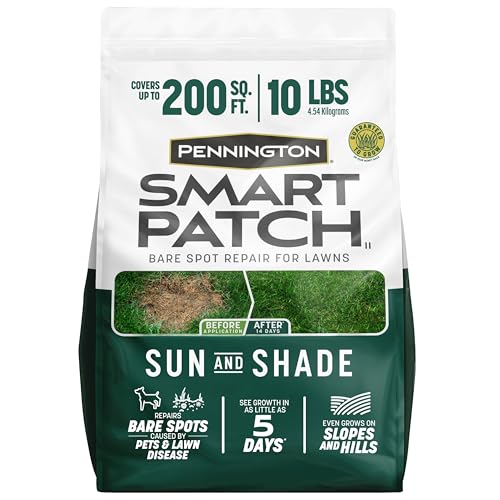
Pennington Smart Patch Sun & Shade Repair Mix (10 lb)

Gulf Kist Centipede Grass Seed (1 lb Coated)

Outsidepride Pink Muhly Ornamental Grass Seeds (50 Pcs)

Pennington Clover Grass Seed Mix (7 lb)
More On The Choices That Made The List
Backyards that double as soccer pitches, dog runs, and trampoline launch zones need a cool-season blend that bounces back instead of thinning out. Jonathan Green’s Black Beauty Heavy Traffic mix leans on tall fescues (a deep-rooted, drought-tough grass family) and perennial rye (a fast-germinating, wear-resistant species) to build a dense, uniform turf across high-use zones.
For most households with active kids or dogs, this blend reduces how often you’ll need to reseed worn pathways. The dark green color also holds up through heat stretches better than thinner rye-only mixes, which is why it earns its place at the top of the list.
Practical Advantages
- Tall fescue varieties drive roots deep, so watering frequency drops once established.
- Perennial rye fills in fast, meaning less downtime between seeding and usable lawn.
- Uniform texture makes stripes and patterns look intentional rather than patchy.
- Performs well along curb strips and sports field edges where wear concentrates.
- 3 lb bag covers moderate repair zones without committing to a full reno.
Things To Consider
- Cool-season profile struggles in deep southern heat, so it’s a poor match for Gulf Coast yards.
- 3 lb won’t cover large bare areas; bigger projects need multiple bags.
Who It Suits Best
Northern and transition-zone families with pets, kids, or frequent backyard entertaining who want durable turf without constant overseeding.
Where Another Pick Suits Better
For deep southern lawns in full sun, Scotts Turf Builder Rapid Grass Bermudagrass is built for the heat this blend can’t handle.
Sometimes a lawn needs green right now, not next season. Fast Grow is engineered for rapid germination, blending annual ryegrasses (quick-sprouting but short-lived), tall fescues, and fine fescues to bridge problem patches and bare ground. You can expect sprouts in roughly 7 to 10 days under good conditions, which makes it the go-to when neighbors are coming over this weekend.
It’s worth thinking of this seed as a temporary cover rather than a forever lawn. The annual rye component fades after one season, so for a durable long-term turf, you’d typically follow up with a perennial blend like the Jonathan Green Black Beauty mix covered above.
Points In Its Favor
- Visible green growth in about a week cuts the awkward bare-soil phase.
- Mix of fescues and rye handles both full sun and medium shade patches.
- Dark green color reads well even before the lawn fully matures.
- 7 lb bag is sized for substantial patch repair rather than small touch-ups.
Trade Offs
- Annual rye fades by next season, so the lawn needs overseeding for staying power.
- Not the right pick for long-term low-maintenance goals without follow-up seeding.
- You may find the fast top growth tempts earlier mowing, adding to summer upkeep.
Right Fit For
Homeowners racing the calendar to cover bare spots before an event, listing photo, or seasonal changeover.
Skip It When
For a one-and-done permanent lawn, GreenView Turf Type Tall Fescue is a longer-lasting cool-season alternative.
Bermudagrass earns its reputation in the sunbelt, where fescue and rye burn out by midsummer. Scotts Turf Builder Rapid Grass Bermudagrass pairs seed with fertilizer in one pass, which shortens the timeline from bare soil to walkable turf in tough southern conditions. A spreader application and consistent watering during establishment is the basic playbook.
For southern yards baking in full sun, the seed-plus-feed combination simplifies the early regimen when most people forget which product to apply when. Compared to fescue options further up the list, this is a genuinely different climate match rather than a marginal variant.
The Upside
- Combined seed and fertilizer cuts the early-stage feeding guesswork.
- Bermuda thrives in heat that browns out cool-season grasses.
- Works across tough soil conditions common in southern landscapes.
Worth Noting
- 1 lb bag covers limited area, so larger yards need multiple boxes.
- Bermuda goes dormant and browns in winter, which can bother homeowners expecting year-round green.
- Spreads aggressively into garden beds without edging control.
Made For
Southern homeowners with full-sun lawns who want heat-proof turf and don’t mind a winter dormancy period.
Consider Something Else When
For a year-round green southern lawn with even lower inputs, Gulf Kist Centipede Grass Seed keeps its color through milder southern winters.
Few yards are uniformly sunny. Mature trees, fence lines, and the north side of the house create shade pockets that punish sun-only blends. GreenView’s Sun & Shade Tall Fescue targets that mixed-light reality with a turf-type fescue formula (bred for finer blades and tighter growth than older pasture fescues) that germinates in roughly 10 to 14 days and fills in both bright and partially shaded areas.
For most suburban lots, the sun-and-shade flexibility is what makes this a low-maintenance option. You’re not chasing two different seed bags to cover the front and back, and the 99.9% weed-free formulation reduces early competition while the lawn establishes.
Strong Points
- Single bag handles lawns with both bright and partially shaded zones.
- Quick germination window keeps the bare-soil phase relatively short.
- Clean seed blend reduces weed pressure during the vulnerable establishment phase.
- Tall fescue stays green through moderate drought better than rye-dominant mixes.
Points To Keep In Mind
- Still a cool-season grass, so deep southern summers can stress it.
- 3 lb is sized for patch work or smaller yards, not full reno of large lots.
Key Product Details
Best Suited To
Suburban homeowners with mixed-light lawns who want a single bag solution and minimal supplemental watering once established.
Look Elsewhere When
For deeper southern heat tolerance, Scotts Turf Builder Rapid Grass Bermudagrass is purpose-built for the sunbelt.
Sunny yards can be unforgiving, especially during summer dry spells when shallow-rooted grass browns out within days. Scotts Turf Builder Sunny Mix is redesigned around Root-Building Nutrition, a fertilizer blend crafted to push roots deeper rather than just greening up the blades. Deeper roots mean the lawn finds moisture farther down, which directly cuts how often you need to drag out the sprinkler.
For most homeowners in hot, exposed lots, the long-term payoff is fewer watering trips and better recovery between heat waves. Compared to the GreenView fescue blend above, this mix leans harder into drought resilience in pure sun.
Why It Works Well
- Root-focused nutrition supports drought resilience during peak summer heat.
- Performs in direct sun and tolerates light shade, covering most open-lawn conditions.
- Medium to high drought resistance once established reduces summer watering.
Small Caveats
- Not a deep-shade performer, so heavily treed lots should look at the GreenView fescue option.
- 2.4 lb bag fits smaller yards or spot treatments, not full-acre coverage.
Who Will Love This
Homeowners with wide-open, sun-bathed lawns who want a seed that toughs out dry stretches without constant irrigation.
Swap It Out When
For mixed sun and shade situations, GreenView Turf Type Tall Fescue Sun & Shade Blend adapts better to patchy light.
Not every lawn needs a full reseed, and that’s where repair mixes earn their keep. Pennington Smart Patch combines grass seed with fertilizer and adds beneficial microbials (naturally occurring soil microorganisms that support root development and disease resistance) to help young grass establish faster in trouble spots. The formula is built for lawns that get sun in some areas and moderate shade in others, which covers most typical yards.
For most households with a dog running routes, a kid’s slip-and-slide zone, or a sandbox-to-grass transition patch, this is a low-effort repair option. The 10 lb bag covers up to roughly 600 square feet, which handles substantial restoration without committing to a full reno.
What Works In Its Favor
- Microbial component supports disease resistance and root development in young grass.
- Sun and shade versatility handles a variety of patch locations in one bag.
- Built-in fertilizer removes the need to coordinate a separate feeding step.
- Especially useful for dog spot repair on worn turf.
Factors To Consider
- This is a repair product, not a full-lawn seed, so it’s wasteful for new-lawn projects.
- Depending on the severity of damage, deeper soil prep may still be needed for the seed to take.
The Right Fit
Homeowners with scattered bare patches, dog wear spots, or shaded repair zones who want seed-plus-feed in one application.
A Better Fit Elsewhere
For a full-lawn reseed, Jonathan Green Black Beauty Heavy Traffic is a more appropriate cool-season foundation.
Centipede grass has earned a loyal following across the Southeast for one simple reason: it asks for very little. Gulf Kist’s coated centipede seed suits the acidic, sandy soils common in the southern US, and the low-fertilizer, low-maintenance growth habit means fewer feedings and slower vertical growth. The coating (a treatment that wraps each seed in a protective layer to improve germination and handling) helps with even distribution and early seedling survival.
For most southern homeowners tired of feeding Bermuda every six weeks, centipede is a meaningful change of pace. It tolerates sun and moderate shade, and once it’s established, mowing frequency drops noticeably compared to faster-growing southern grasses.
The Good Stuff
- Low fertilizer needs reduce yearly feeding cost and effort.
- Slow growth habit means less frequent mowing across the season.
- Coated seed improves germination consistency and easier spreading.
- Adapted to acidic sandy soils common across the Southeast.
Honest Caveats
- Only thrives in southern climates; northern lawns will struggle.
- Centipede establishes slowly compared to Bermuda, so patience is required.
- 1 lb bag covers limited area, and centipede seed tends to be pricey per pound.
Feature Snapshot
Whose Shelf It Belongs On
Southeastern homeowners with acidic sandy soil who want a low-input lawn that doesn’t demand frequent feeding or mowing.
Reach For A Different Pick When
For sun-drenched southern yards needing faster coverage, Scotts Turf Builder Rapid Grass Bermudagrass establishes much more quickly.
Pink muhly isn’t lawn grass; it’s something better suited to a low-maintenance landscape rethink. This perennial ornamental grows 36 to 48 inches tall, sends up soft pink plumes in fall, and tolerates drought once rooted. For homeowners replacing thirsty lawn strips with something more decorative, muhly brings texture, movement, and color without the weekly mowing schedule.
For most xeriscape projects (landscaping designed to reduce or eliminate irrigation needs) or pollinator-friendly beds, muhly fills a space that turf grass would only struggle in. It returns each year, asks for very little, and looks intentional where a patchy lawn would not.
What Earns Its Place
- Drought tolerance makes it a strong match for water-wise landscaping.
- Perennial growth means no annual replanting once established.
- Pink fall plumes add visual interest no turf variety can match.
- Upright growth habit suits borders, pathways, and privacy screening.
Some Limits To Know
- Not a turf replacement; it’s an ornamental, so it won’t suit play-lawn needs.
- Takes a season or two to reach full plume production, depending on your soil.
Perfect Match For
Homeowners redesigning beds, borders, or water-wise landscapes who want ornamental texture without high maintenance.
Another Choice May Suit
For a walkable lawn surface that still cuts inputs, Pennington Clover Grass Seed Mix offers a low-mow green alternative.
White clover mixed with grass changes the maintenance equation in a quiet but powerful way. Clover fixes nitrogen from the air (a natural process where certain plants convert atmospheric nitrogen into a soil-usable form) and shares it with surrounding grass, which means you can skip most fertilizer applications. Pennington’s 7 lb bag covers up to roughly 1,400 square feet, sized for substantial lawn conversion in northern regions.
For most homeowners curious about reducing chemical inputs and supporting pollinators, a clover-grass mix delivers visible results without a steep learning curve. Bees visit clover flowers during the growing season, and the lawn stays green through dry spells better than pure grass stands.
What Pays Off
- Self-fertilizing nitrogen fixation cuts yearly fertilizer cost and effort.
- Clover stays green through dry stretches that brown out pure grass.
- Pollinator-friendly flowers support bees and beneficial insects.
- Coverage up to 1,400 sq ft fits most small-to-medium lawn projects.
Things To Weigh
- Northern region fit only; deep southern heat stresses white clover.
- Clover flowers attract bees, which may concern families with young children or allergy sensitivities.
- Stands look different from traditional turf, which may bother neighbors on a uniform block.
Feature Rundown
Built With In Mind
Eco-minded northern homeowners who want a living, pollinator-friendly lawn that asks for far less fertilizer than traditional turf.
Not Your Match When
For a uniform traditional lawn appearance, GreenView Turf Type Tall Fescue keeps a more conventional turf look without the clover flowers.
Choosing The Right Grass Seed For A Quieter Yard
A low-maintenance lawn starts with matching the grass to your climate, light, and soil, not the other way around. Cool-season grasses (fescues, rye, bluegrass) thrive where summers stay mild and winters bring real cold. Warm-season grasses (Bermuda, centipede, zoysia) take over where summers bake the soil and winters are short. Picking the wrong season type is the fastest path to a struggling yard, regardless of how good the seed is.
Sun and shade balance matters just as much. A pure sun blend thins out under trees, while a shade blend stretches weakly into open lawn. For mixed lots, sun-and-shade fescue formulations handle both without forcing you to manage two seed types. The GreenView option on this list is the clearest example of that flexibility.
Drought tolerance is the other big lever. Deep-rooted tall fescues and warm-season grasses with long root systems find moisture farther down in the soil profile. That translates directly to fewer watering sessions once the lawn is established, which is the real definition of low maintenance in dry regions.
Foot traffic and use case should also drive the choice. A backyard that hosts soccer games needs a tough, self-repairing blend like tall fescue with perennial rye. A purely decorative front yard can lean into slower-growing centipede, ornamental muhly, or a clover mix without the wear-and-tear penalty.
Finally, think about fertilizer expectations. Traditional turf asks for regular feeding, while clover-grass mixes and centipede both dramatically cut that requirement. If reducing chemical inputs is a priority, those specialty picks earn their place in the rotation.
Key Considerations Across These Picks
Mistakes Worth Dodging
One common slip is choosing a seed by bag size alone rather than by climate match. A northern homeowner grabbing a Bermuda blend, or a southern homeowner picking a tall fescue, ends up reseeding the same yard the following year. Another misstep is skipping the soil prep: even the best seed struggles in compacted, thatch-heavy ground, so light raking and good seed-to-soil contact go a long way.
Overwatering young seed is its own trap. Constantly soggy soil invites fungal issues and can actually slow root development. Light, frequent watering during germination, then a gradual shift to deeper, less frequent sessions, trains the roots to chase moisture downward.
The Upgrade Payoff
Higher-tier grass seed blends typically cost more because they include improved cultivars (specifically bred varieties with traits like deeper roots, finer texture, or better disease resistance) rather than generic commodity seed. The practical payoff shows up over several seasons: a lawn that needs less water, fewer fertilizer applications, and resists common diseases without intervention.
For most homeowners, the upgrade is worth it on a full-lawn project where the cost is spread across the whole yard. For small patch repairs, the budget option is usually the smarter call, since premium traits are harder to appreciate in a 20-square-foot area.
Frequently Asked Questions
How long does it take for low-maintenance grass seed to establish?
Most cool-season blends show visible growth in 7 to 14 days, while warm-season grasses like Bermuda and centipede typically take 2 to 3 weeks under good conditions. Full establishment, where the lawn handles normal foot traffic, usually takes 6 to 8 weeks.
Can I mix different grass seed varieties together?
Combining compatible varieties within the same season type (cool with cool, warm with warm) often improves lawn resilience. Mixing a cool-season fescue with a warm-season Bermuda, however, creates a lawn that performs inconsistently across seasons.
Do low-maintenance grass seeds really need less water?
Once established, drought-tolerant blends like tall fescue, Bermuda, and centipede do need less supplemental irrigation than traditional rye-heavy mixes. During the first few weeks after seeding, all varieties still need consistent moisture to germinate.
When is the best time to plant grass seed?
Cool-season grasses establish best in early fall or early spring when soil temperatures are mild. Warm-season grasses prefer late spring through early summer, once soil temperatures consistently stay above 65 degrees.
Will clover-grass mixes take over a traditional lawn?
Clover spreads gradually but typically stays balanced with the grass in a healthy mix. Without the grass component, clover can thin out in high-traffic zones, which is why the blended approach works better than pure clover stands for most lawns.
Final Verdict
The right grass seed turns lawn care from a recurring chore into a background task. Match the variety to your climate first, then weigh sun exposure, foot traffic, and how much fertilizer you’re willing to apply. The picks above cover the most common situations homeowners run into, from tough cool-season turf to low-input southern and ornamental options, so the only real work is choosing the one that fits your yard.
