

South Alabama throws everything at a lawn: long, humid summers, sandy soil near the coast, sudden dry spells, and the occasional cold snap in January. Choosing seed built for that swing of conditions matters more than any single bag on a shelf. This list rounds up ten grass seed options that hold up in the heat, handle drought without constant babysitting, and match the realities of a Gulf Coast yard, from full-sun front lawns to shadier side yards where tall fescue or fescue blends tend to behave.
A Fast Comparison Of The Options

Jonathan Green Black Beauty Sunny Grass Seed (1 lb)

Jonathan Green Black Beauty Heat & Drought Grass Seed (3 lb)

Jonathan Green Blue Panther Southern Lawn Grass Seed (3 lb)

Pennington Annual Ryegrass Grass Seed (10 lb)

Pennington Bermudagrass Grass Seed (5 lb)
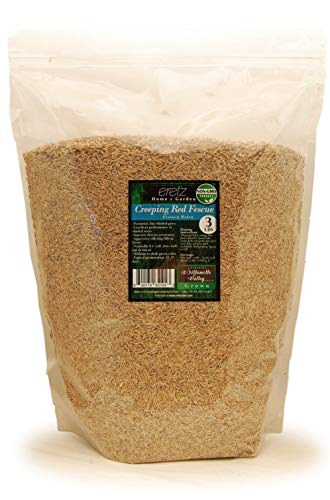
Eretz Creeping Red Fescue Seed (3 lb)

O.M. Scott & Sons Bermudagrass Grass Seed (5 lb)

X-Seed Ultra Premium Quick and Thick Lawn Seed (3 lb)

Southland Sod Farms Marathon II Grass Seed Mix (1 lb)

Outsidepride Oasis Bermuda Grass Seed (10 lb)
The Strengths Of Each Pick
A small starter bag makes sense for a tight repair job in Mobile or Fairhope, where the sun beats down for most of the afternoon. This Jonathan Green mix leans on perennial rye, Kentucky bluegrass, and tall fescue, which is an unusual cool-season combo given how far south Alabama sits. The blend is built to stay green through summer stress, which is the real test in a Gulf Coast yard.
For most homeowners with a thin patch by the mailbox or a strip along the driveway, this 1 lb size handles the job without forcing you to buy more than needed. It performs best in full sun but tolerates light shade, so it works near a fence line that gets a few hours of filtered light. Compared to the larger Heat & Drought pick below, this one is sized for spot work rather than full-yard renovation.
Bright Spots
- Heat-tolerant cool-season blend for southern summers
- Waxy leaf coating (a natural waxy cuticle on each blade) helps limit moisture loss
- Compact 1 lb bag fits a small repair project
- Handles full sun to light shade, adding flexibility around trees
Things To Consider
- Cool-season grasses may struggle in peak July and August heat without steady watering
- 1 lb covers a modest footprint, so larger yards will need multiple bags
Made For
Homeowners patching small sunny spots in an otherwise established lawn, especially in Mobile, Baldwin County, and other South Alabama neighborhoods.
Reach For A Different Pick When
The Pennington Annual Ryegrass is a smarter match for winter overseeding across a large southern lawn.
If the 1 lb version above feels underbuilt for a real south-facing yard, this 3 lb bag steps things up. Tall fescue and Texas bluegrass form the backbone, and the mix is rated to take the heat up to 100°F, which lines up with what Mobile and Daphne routinely see in July. You trade some of the 1 lb’s compactness for a blend engineered around a long, hot summer.
It’s a sensible middle ground between spot repair and a full reseed, depending on your lawn size. Texas bluegrass brings deeper roots and tougher heat tolerance than standard Kentucky bluegrass, which is the practical reason it’s included. For most backyards with a few bare patches and a struggling thin stand, this size is a more honest fit than the smaller starter bag.
Benefits That Matter
- Handles heat up to 100°F, useful for South Alabama’s hottest stretches
- Texas bluegrass adds deeper roots for steadier summer performance
- Waxy leaf coating helps grass hold onto moisture between waterings
- 3 lb bag covers more ground than the 1 lb option for broader repairs
Worth Noting
- Still a cool-season blend, so expect some slowdown in peak summer without irrigation
- Works best in full sun to light shade, less suited to deeply shaded lots
Who It Suits Best
Homeowners with midsize sunny lawns that took a beating from last summer’s heat and need a tougher reseed.
Where A Sibling Pick Shines
Jonathan Green Blue Panther Southern Lawn Grass Seed is purpose-built for southern heat and may suit coastal full-sun yards even better.
This is the bag that actually says “southern” on the label, and the formula backs it up. Bermudagrass (cynodon dactylon), Texas bluegrass, and tall fescue come together for a lawn that wants both summer heat and the occasional winter drop in temperature. Bermudagrass is the warm-season workhorse, so it pushes thick growth through July and August when cool-season grasses slow down.
For a full-sun coastal lawn, this mix is one of the more realistic options in the Jonathan Green lineup. The trade-off is that bermudagrass goes dormant and browns out in winter, which is normal but matters if you want year-round color. Compared to the Pennington Bermudagrass Grass Seed further down, this one layers in cool-season species for shoulder seasons, while Pennington leans fully into bermuda.
Good Reasons To Consider
- Formulated specifically for southern and transitional climates
- Bermudagrass component handles peak summer heat on full-sun lots
- Texas bluegrass and tall fescue help bridge cooler shoulder seasons
- Targets thick, healthy turf over the long term
Trade Offs
- Bermudagrass will brown out in winter dormancy, which is normal for warm-season grass
- Best on lots with strong full sun; shaded yards will see patchy results
Best Suited To
Coastal homeowners with mostly full-sun lots who want a true warm-season base and can live with winter dormancy.
Look Elsewhere When
Year-round green color matters more than summer toughness, in which case Pennington Annual Ryegrass handles winter overseeding on warm-season lawns.
Annual ryegrass plays a different role than the other picks on this list. It is not your permanent lawn. It’s the cool-season overseed that keeps a bermuda or zoysia yard green from roughly October through early spring, when warm-season grasses go brown. In Mobile, Baldwin County, and across the Gulf Coast, this is a common winter ritual.
The 10 lb size covers meaningful square footage, and germination is fast, which is part of why this seed is so popular. Visible results show in days rather than weeks. You will mow it through winter, then it fades out as the warm-season grass wakes up. It is also useful as a quick cover crop on bare soil while you plan a longer-term renovation.
What Works In Its Favor
- Ideal for overseeding dormant southern lawns for green winter color
- Quick germination gives visible green-up in a short window
- 10 lb bag covers a generous area for whole-yard overseeding
- Works in lots with strong full sun during the cool season
Honest Caveats
- Annual by design, so it dies back as warm-season grass returns in spring
- Not a stand-alone permanent lawn solution for South Alabama summers
Whose Yard It Belongs On
Gulf Coast homeowners with bermuda or zoysia who want a green lawn through the cooler months without losing their warm-season base.
Skip It When
You want a single permanent grass that handles the whole year, in which case Pennington Bermudagrass Grass Seed is the more honest long-term answer.
Bermudagrass is the lawn most South Alabama homeowners end up with, even if they did not plant it on purpose. This Pennington bag leans into that reality with improved cold-tolerant varieties, which is meaningful since the I-10 corridor gets harder freezes than coastal Florida. The grass spreads aggressively, fills in thin spots, and holds up to foot traffic from kids and dogs.
It produces a thick, low-growing turf that needs less frequent mowing than many cool-season options. Like all bermuda, it goes dormant in winter, so pairing it with the Pennington Annual Ryegrass above is a common seasonal rotation. The deep root system is the real selling point: it pulls moisture from deeper in the soil, which helps during July and August dry stretches.
The Upside
- Thick, aggressively self-spreading turf that repairs itself
- Improved cold-tolerant varieties handle occasional South Alabama freezes
- Wear-resistant for yards with regular foot traffic
- Deep root system supports drought resilience
Points To Note
- Goes brown and dormant in winter, so you see color loss for several months
- Aggressive growth means it can creep into flower beds without edging
The Right Fit
Homeowners with full-sun, high-traffic yards who want a tough warm-season lawn and do not mind the winter brown period.
Consider Something Else When
Shade is a major factor on your lot, in which case the Eretz Creeping Red Fescue handles shaded ground more reliably.
Creeping red fescue is a cool-season perennial (a grass that lives for multiple seasons and comes back each year) with fine blades and a reputation for handling shade better than most lawn grasses. Eretz sells Willamette Valley-grown seed at a high stated purity, which matters when you are paying for seed rather than filler. The aggressive tillering (the natural process where grass spreads by sending out side shoots) helps it fill in shady side yards where warm-season grasses thin out.
In South Alabama, this is less of a whole-yard choice and more of a problem-solver for the north side of the house, under oaks, or along a fence that blocks afternoon sun. It will struggle in the hottest, sunniest part of the yard, so pairing it with bermuda in the open areas is a realistic plan. The 99.6% purity claim and lack of weed seed are the practical details that make it worth a look.
Practical Advantages
- Strong performance in shaded areas where other grasses thin out
- Aggressive tillering fills in thin spots naturally
- High stated purity with no weed or other crop seed
- Fine-bladed texture gives a softer, denser look in shady corners
Some Limits To Know
- Cool-season grass that struggles in peak South Alabama summer heat on full-sun lots
- Best treated as a shade specialist rather than a whole-yard solution
Perfect Match For
Homeowners with heavily shaded sections of lawn where bermuda and other warm-season grasses refuse to thicken up.
A Better Fit Elsewhere
Full-sun yards are better served by the Outsidepride Oasis Bermuda Grass Seed, which thrives in open heat.
O.M. Scott & Sons has been in the lawn business for a long time, and this bermudagrass seed draws on that heritage. It is positioned for the Southern United States and other warm climates, which is exactly the South Alabama reality. The mix is meant to handle high heat and the kind of punishing sun that cooks weaker seed blends by mid-July.
The 5 lb bag is sized for a moderate reseed or a new lawn on a smaller lot. It is similar in role to the Pennington Bermudagrass above, so the decision often comes down to brand preference and what is in stock locally. Owners commonly report that proper soil preparation and consistent watering during establishment matter more than the specific bermuda brand on the bag.
Advantages To Know
- Formulated for the Southern United States and warm climates
- High heat resistance for full-sun Gulf Coast yards
- Backed by a long-standing lawn care brand with broad retail availability
Possible Compromises
- Will go dormant and brown in winter like other bermuda options
- Establishment results depend heavily on soil prep and watering during the first few weeks
Who Should Grab It
Homeowners who want a traditional southern bermuda lawn from a recognizable brand and have the patience to prep the soil before seeding.
Swap It Out When
You want a bermuda seed with cool-season species mixed in for shoulder seasons, in which case Jonathan Green Blue Panther Southern Lawn Grass Seed is the better fit.
X-Seed markets this blend for rapid germination, which is the real reason to consider it. If you have a yard event coming up or bare patches that need filling before the next rain, fast-germinating perennial ryegrass, fine fescue, and Kentucky bluegrass get you visible green-up quickly. The mix is positioned for sun and shade, with a coverage rate that scales with the project size.
The honest read is that this is a cool-season blend, so it behaves best in spring and fall in South Alabama rather than the brutal middle of summer. For most homeowners using it as a repair product, that timing works. If you need a long-term southern lawn, the bermuda and southern-blend options above make more sense.
Practical Pluses
- Rapid germination is useful for time-sensitive patch repairs
- Perennial ryegrass, fine fescue, and Kentucky bluegrass offer broad adaptation
- Works in sun and partial shade, adding flexibility
- 3 lb bag covers a meaningful repair area for typical suburban lots
Factors To Consider
- Cool-season blend can struggle in peak South Alabama summer heat
- Best treated as a repair product rather than a full southern lawn foundation
Built With In Mind
Homeowners who need quick green-up for bare patches and are willing to seed during cooler spring or fall windows.
Not Your Match When
You want a permanent warm-season lawn for the Gulf Coast, where Pennington Bermudagrass Grass Seed is the stronger long-term pick.
Marathon II is an improved tall fescue blend originally developed for sod production, and the seed version is meant to recreate that same manicured look. The result is a deeper green color, finer leaf texture, and the ability to mow at a lower height than standard tall fescue. For homeowners chasing a tidy, carpet-like lawn, this is one of the more refined options on the list.
The 1 lb bag is small, so this is a patch product or a starter for a small front yard. Growth is slower than ryegrass, especially in winter, so patience matters. In South Alabama, expect the cool-season fescue to need more water in summer than bermuda would, which is the real trade-off for that polished look.
The Case For It
- Improved tall fescue blend with a manicured, carpet-like appearance
- Deeper green color and finer texture than standard fescue
- Can be mowed at a lower height for a tidy finish
Worth Bearing In Mind
- Slower growth rate, particularly in winter, means longer establishment
- Cool-season fescue needs more summer water than bermuda to stay green
- 1 lb size suits small projects rather than full-yard renovations
Who Will Love This
Homeowners who want a polished, lower-mown cool-season look in a shaded or partially shaded yard, especially in the northern tier of South Alabama.
Another Choice May Suit
Large full-sun lots are better matched by Outsidepride Oasis Bermuda Grass Seed, which handles heat and scale more economically.
Outsidepride’s Oasis is a hybrid bermuda blend, which means it pulls together multiple bermuda varieties for broader performance. The 10 lb size is built for larger properties, sports fields, or full-yard renovations rather than quick patches. It’s pitched for homeowners, landscapers, and groundskeepers who need thick coverage on a meaningful scale.
Bermuda’s well-known strengths show up here: high heat resistance, drought tolerance, fast growth in warm weather, and the ability to stand up to heavy use. The trade-offs are the same as every bermuda on the list, including winter dormancy and aggressive spread into beds. Compared to the smaller Pennington Bermudagrass bag, this one is the bulk option for serious coverage.
Real Benefits
- Hybrid blend combines multiple bermuda varieties for broader adaptability
- Built for high-traffic areas, from family yards to sports fields
- Heat- and drought-tolerant once established
- 10 lb bag covers large properties and full renovations
Details To Watch
- Goes dormant and browns out through the winter months
- Aggressive growth requires edging to keep it out of beds and walkways
The Right Fit
Homeowners, landscapers, and groundskeepers with large sunny properties who want a single bag that can cover meaningful acreage.
Look Elsewhere When
You only need to repair small spots, in which case the Jonathan Green Black Beauty Sunny Grass Seed is a more practical size.
What Matters Most Before Choosing Grass Seeds For South Alabama
Match the Grass Type to Your Yard’s Sun
South Alabama lawns split roughly into two camps: full-sun lots where bermuda thrives, and shaded sections where fescue or creeping red fescue hold their own. Bermudagrass handles punishing sun and heat but goes dormant in winter. Cool-season fescues stay greener through winter but demand more water in summer. Walk your yard at different times of day before deciding, since a “full sun” label on a seed bag assumes at least six to eight hours of direct light.
Think About How You Actually Use the Lawn
A yard that hosts kids, dogs, and weekend cookouts needs a wear-resistant grass like bermuda. A tidy front yard you mow short and admire from the porch is a different conversation, where the manicured look of Marathon II tall fescue may be worth the extra summer water. Honest use-case thinking beats chasing the most popular bag on the shelf.
Plan for the Seasonal Rhythm
Warm-season grasses brown out in winter, which is normal but jarring if you are used to year-round green. Overseeding with annual ryegrass in fall is the common workaround. Cool-season blends look great in spring and fall but struggle in peak July and August without steady irrigation. The right answer is often a rotation rather than a single product.
Key Considerations Across These Picks
Common Buying Mistakes in This Category
The first trap is buying a cool-season blend for a full-sun southern yard and expecting it to survive August. Cool-season grasses do best when seeded in fall or early spring, and even then they need water in summer. A second slip is underestimating how much seed a real yard needs, since coverage rates on the bag assume ideal conditions and proper soil prep. Skipping soil prep is the third common miss, and owners commonly report that poor results trace back to compacted soil and skipped starter fertilizer more than the seed brand itself.
When Spending More Actually Pays Off
Higher-tier grass seed tends to cost more for a few concrete reasons: improved varieties with better heat or cold tolerance, higher purity with fewer weed seeds, and coatings that help with germination. For a small repair bag, the savings on a basic mix can make sense. For a full-yard renovation in a tough climate like South Alabama, the upgrade often pays off through thicker establishment and fewer reseeds. The honest case for spending up is project scale and how much you value a uniform, durable stand of grass in the long run.
Frequently Asked Questions
What grass seed grows best in South Alabama?
For most full-sun yards, a bermuda-based seed like Pennington Bermudagrass or Outsidepride Oasis is the most reliable year-round foundation. For shaded sections, a fescue blend or creeping red fescue handles low light better.
When should I plant grass seed in South Alabama?
Warm-season grasses like bermuda establish best when planted in late spring through early summer, once soil temperatures warm up. Cool-season grasses like fescue and ryegrass do better in fall or early spring, when temperatures are milder and weed pressure is lower.
Do I need to overseed my lawn in winter?
Overseeding with annual ryegrass is a common practice in South Alabama to keep bermuda and zoysia lawns green through the cooler months. It is optional, and skipping it just means accepting a natural brown dormancy period for your warm-season grass.
How much seed do I need for a typical South Alabama yard?
Coverage varies by product and whether you are seeding a new lawn or overseeding an existing one. Most bags list square footage for both scenarios, and it is usually wise to round up rather than underbuy, since thin coverage leads to patchy results.
Can I mix different grass seeds together?
You can, and many of the products on this list are already blends of multiple species. Mixing warm- and cool-season seeds on the same site gets complicated, so most homeowners are better off choosing one base grass and overseeding seasonally if needed.
Closing Remarks
The right grass seed for your South Alabama lawn comes down to sun exposure, how you use the yard, and how you feel about winter dormancy. For most full-sun properties, a bermuda-based seed is the practical anchor, with annual ryegrass as a winter companion. Shaded corners are where a fescue blend earns its keep. Pick the bag that matches your real yard, seed at the right time of year, and give the soil the prep it needs before you open the bag.
