

Spring overseeding fills in the thin patches that winter leaves behind, and the right bag of seed turns a tired yard into a thicker, more even turf before summer stress arrives. The picks below cover the main jobs homeowners face: repairing traffic damage, chasing shade under old trees, restoring drought-stressed fescue, or pushing a quick green cover in a hurry. Each option here comes from a brand with a long track record in cool- and warm-season grass, and each handles spring conditions differently depending on your climate, soil, and how much sun your yard actually gets.
The Essentials At A Glance

Jonathan Green Black Beauty Heavy Traffic Grass Seed (3 lb)

Jonathan Green Fast Grow Grass Seed (7 lb)

Jonathan Green Black Beauty Dense Shade Grass Seed (1 lb)

Jonathan Green Black Beauty Tall Fescue Grass Seed Blend (15 lb)

Pennington Annual Ryegrass Grass Seed (10 lb)

Scotts Turf Builder Rapid Grass Bermudagrass (4 lb)

Scotts Turf Builder Grass Seed Sunny Mix (2.4 lb)

Outsidepride Legacy Fine Fescue Grass Seed Mix (10 lb)

Scotts Kentucky 31 Grass Seed Mix (20 lb)
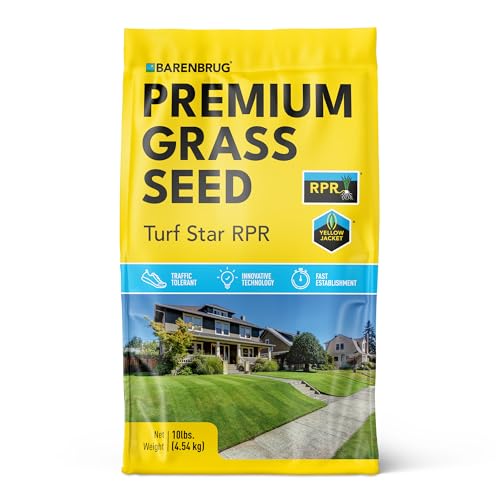
Barenbrug Turf Star Regenerating Perennial Ryegrass (10 lb)
The Strengths Of Each Pick
Backyards take abuse from dogs, kids, and weekend games, and that’s exactly the use case this 3-pound bag is built for. The blend pulls in tall fescue (a cool-season grass with deep, durable blades) and perennial rye (a fast-starting species that recovers quickly from wear), giving the lawn a uniform texture that holds up to cleats and paws alike.
For most homeowners, the smaller bag fits neatly into a spring repair job without leaving extra seed sitting in the garage through summer. Spread it thin over the worn zones after a light raking, keep the soil moist for a couple of weeks, and the area blends into the surrounding turf.
Useful Highlights
- Tall fescue and perennial rye blend for thick, even turf underfoot
- Uniform leaf texture helps balls roll predictably on sport areas
- Works for backyards, curb strips, and goal-mouth patches alike
- Cool-season formula fits northern and transition-zone climates
- 3-pound size covers targeted repair zones without overbuying
Worth Noting
- Not formulated for full shade; open sun performs best
- Smaller bag means you may need a second for large lawns
Whose Yard It Belongs On
Families with active kids, dogs, or weekend sports who need a tough cool-season blend for worn paths and play zones.
Consider A Different Pick When
Step over to Jonathan Green Black Beauty Dense Shade Grass Seed for yards where trees block most of the sun, since that formula handles low light far better.
When bare spots stare back from the yard in early spring, waiting three weeks for germination feels like a long time. Fast Grow trims that wait to roughly 7 to 10 days by leaning on annual ryegrasses (quick-sprouting but short-lived grasses) along with tall and fine fescues, so the lawn greens up before neighbors even start their spreaders.
The trade-off shows up later: annual rye doesn’t survive harsh winters, so this is a one-season fix rather than a long-term upgrade. For most backyards, that makes it a smart repair tool for spring, with a follow-up overseed of a perennial blend in fall if you want staying power.
Reasons It Performs
- Germinates in about a week, much faster than most fescue blends
- Covers bare patches, pet damage, and renovation zones quickly
- Mix handles full sun through medium shade
- Produces a dark green color that blends into existing turf
Trade Offs
- Annual rye component fades by the next season
- Needs consistent watering during the first two weeks
Best Suited To
Homeowners with bare spots or thin areas who want a quick seasonal cover while planning a longer-term overseed in autumn.
Skip It When
Head to Barenbrug Turf Star Regenerating Perennial Ryegrass instead, since that bag delivers fast starts plus self-repairing stolons (horizontal stems that root and spread) for lasting coverage.
Yards shaded by old maples, oaks, or two-story neighbors need a different approach than open-sun turf, and this 1-pound bag is tuned for exactly that. The shade-tolerant mix germinates in roughly 14 to 21 days and produces a dark green color that fills in the dim corners where sun rarely reaches.
Endophytes (beneficial fungi that live inside grass blades and help deter insects) add a layer of natural pest resistance, which matters in tree-shaded zones where pests often hang out. For most shaded lawns, this small bag handles the trouble spots without overbuying.
What Works In Its Favor
- Shade-tolerant varieties suited for under trees and beside structures
- Endophyte-enhanced for natural insect resistance
- Compact 1-pound bag fits small patch jobs
- Produces a dark green color in low-light conditions
Points To Keep In Mind
- 1-pound size suits spot repairs, not whole-lawn overseeding
- Two to three week germination requires patient watering
Perfect Match For
Homeowners with mature trees, foundation shadows, or fence-line shade who need a small bag of seed built for low sunlight.
Look Elsewhere When
Switch to Outsidepride Legacy Fine Fescue Grass Seed Mix if you want a larger 10-pound bag that covers both sun and shade in one run.
Big lawns need seed that holds up under summer heat without constant irrigation, and this 15-pound bag leans on 100% turf-type tall fescue. The waxy leaf coating helps preserve moisture during hot spells, and the root system digs deep, giving the lawn a real chance through dry stretches.
Uniform leaf texture matters once the seed comes up, and this blend resists the shredding that some tall fescues show after mowing. For homeowners with a half-acre or more, the 15-pound size covers substantial ground without leaving you short halfway through the project.
Real-World Strengths
- Pure tall fescue blend for consistent color and texture
- Waxy leaf coating supports drought tolerance
- Handles full sun and partial shade conditions
- Large 15-pound bag suits extensive overseeding projects
Less-Strong Areas
- Slower establishment than rye-based blends
- Heavier bag requires a spreader for even application
Quick Facts
Who It Suits Best
Homeowners with large cool-season lawns in transition zones who want drought-resilient fescue from a single big bag.
A Better Fit Elsewhere
Pick Scotts Turf Builder Grass Seed Sunny Mix instead for open, full-sun yards that benefit from built-in starter nutrition.
Annual ryegrass fills a specific niche in spring overseeding: fast, affordable, and visible within days. The 10-pound bag suits larger repair zones, and the seed establishes quickly even on less-than-perfect soil, which is why it’s often used as a winter cover in southern lawns and a spring patch-up in northern ones.
The honest read here is that this is a temporary solution, not a permanent one. Annual rye finishes its life cycle in a single season, so you may find yourself re-seeding the same spots next year if you don’t follow up with a perennial blend.
The Upside
- Quick germination for fast visual results
- Large 10-pound bag at an accessible price
- Suits southern winter overseeding and northern spring patches
- Establishes even on worn or thin soil
A Few Limitations
- Annual lifecycle means reseeding next year
- Not a permanent turf solution on its own
Made For
Homeowners who need fast, affordable green cover for one season and plan to overseed with a perennial blend afterward.
Reach For A Different Pick When
Go with Jonathan Green Fast Grow Grass Seed if you want a similar quick start with a fescue component mixed in for slightly longer coverage.
Bermudagrass (a warm-season grass that thrives in hot southern summers) needs soil warmth to wake up, which makes spring timing important, and this 4-pound bag pairs seed with starter fertilizer in one application. The combined formula feeds new grass as it germinates, trimming a step out of the typical overseeding routine.
For southern homeowners restoring a worn Bermuda lawn, the hybrid mix reduces the gear list to a spreader and a hose. The catch is that this seed won’t perform in cool-season zones, so pick it only if your climate supports warm-season turf.
What Stands Out
- Seed and fertilizer combined in one bag
- Targets warm-season Bermuda lawns
- Built for southern spring and summer overseeding
Some Limits To Know
- Not suited for cool-season or transition-zone climates
- Smaller 4-pound bag fits patch jobs, not full renovations
Key Attributes
Right Fit For
Southern homeowners with Bermuda lawns who want a seed-and-feed combo for spring patch repairs.
Swap It Out When
Choose Pennington Annual Ryegrass instead for an affordable winter overseed on southern Bermuda that dies out cleanly in spring.
Open yards with strong sun exposure need a mix that doesn’t flinch at heat, and this Sunny Mix focuses on full-sun conditions with light shade tolerance. Root-Building Nutrition is built into the blend, aiming to push root development deeper so the lawn resists drought stress once summer arrives.
The 2.4-pound bag is a small-format pick, useful for spot-seeding bare patches in lawns that get hammered by direct sun. For most sunny yards, the medium drought resistance gives you a buffer when watering schedules slip.
Notable Gains
- Built for direct-sun conditions with light shade flexibility
- Includes Root-Building Nutrition for deeper establishment
- Medium to high drought resistance once established
Honest Caveats
- Small bag suits targeted overseeding, not full renovations
- Performance drops in heavy shade
Who Should Grab It
Homeowners with open, sun-drenched lawns who want a small bag of seed with built-in starter nutrition for spot repair.
Not Your Match When
Pick Jonathan Green Black Beauty Tall Fescue Grass Seed Blend for larger sunny yards that need deeper drought tolerance and bigger coverage.
Fine fescue blends (a family of grasses with thin, needle-like blades) deliver a softer, more uniform look than tall fescue, and this 10-pound mix pulls together three of them: Hard, Chewings, and Creeping Red. The result is a fine-textured turf that handles everything from full sun to dense shade, which is unusual for a single bag of seed.
OptiGrowth coating wraps each seed with nutrients and a kelp-based supplement, supporting germination in less-than-ideal soil. For most homeowners with mixed-light yards, this blend skips the guesswork of matching different seed types to different zones.
A Few Highlights
- Three fescue varieties in one bag for sun-through-shade coverage
- OptiGrowth coating supports germination in poor soil
- Fine leaf texture suits low-mow and ornamental lawns
- Large 10-pound bag covers substantial overseeding projects
Practical Considerations
- Fine fescue tolerates less foot traffic than tall fescue
- Coating adds cost per pound compared to uncoated seed
Feature Rundown
Who Will Love This
Homeowners with mixed-light yards or low-mow ornamental lawns who want one bag that handles both sun and shade zones.
Where Another Pick Suits Better
Go with Barenbrug Turf Star Regenerating Perennial Ryegrass for high-traffic zones where fine fescue would wear out too quickly.
Kentucky 31 tall fescue has been a workhorse lawn grass for decades, and this 20-pound bag leans on that heritage with a curated blend. The seed mix is designed for new lawns and overseeding alike, giving homeowners one bag that handles both small repairs and full renovations.
For most large properties, the bulk size avoids the hassle of buying multiple smaller bags. Storage matters, though: keep the bag sealed and dry, and you may find the leftover seed still viable for next spring’s touch-ups.
Real Benefits
- Large 20-pound bag handles whole-lawn overseeding
- Built around Kentucky 31 tall fescue for durability
- Suits new lawns and existing turf repair
Details To Watch
- Bulk bag requires dry, sealed storage between uses
- Heavier to handle than smaller 3- to 7-pound options
Built With In Mind
Homeowners with large properties or full-lawn renovation projects who want a single bulk bag instead of multiple smaller ones.
Another Choice May Suit When
Pick Jonathan Green Black Beauty Heavy Traffic Grass Seed for smaller yards where a 3-pound bag is more practical and you don’t need bulk volume.
Wear damage doesn’t stand a chance when the grass can fix itself, and that’s the promise behind RPR technology (Regenerating Perennial Ryegrass, a Barenbrug-developed variety that produces horizontal stems called stolons, which send out new shoots and fill in thin spots without reseeding). The blend pairs that with elite perennial ryegrass varieties for fast germination and a year-round green look.
Yellow Jacket coating (a polymer-based treatment that retains moisture around each seed) helps with establishment, which matters in spring when soil moisture swings between wet and dry. For most cool-season lawns with active use, this bag handles the wear pattern that plain ryegrass can’t.
What Makes Sense
- RPR technology enables self-repair through stolons
- Fast germination suits spring overseeding windows
- Yellow Jacket coating supports moisture retention
- Resists disease and pests common in dense rye lawns
Possible Compromises
- Premium technology comes at a higher price per pound
- Best suited for cool-season climates
Perfect Match For
Homeowners with cool-season lawns that see heavy foot traffic and want a perennial rye that fills in thin spots on its own.
Where A Sibling Pick Shines
Try Jonathan Green Black Beauty Tall Fescue Grass Seed Blend for transition-zone yards that need deeper drought tolerance over self-repair speed.
What Matters Most Before Choosing Grass Seeds For Spring Overseeding
Match The Grass To Your Climate Zone
Cool-season grasses like fescues and ryegrasses dominate the northern half of the country, while warm-season Bermuda takes over south of the transition zone. Pick a seed type that aligns with your region’s average soil temperature in spring: cool-season seed wants soil around 50 to 65°F, while Bermuda needs closer to 70°F. Mismatching this is the fastest way to watch seed fail before it germinates.
Read The Sun Exposure Honestly
Spend a day tracking which parts of your yard actually get six or more hours of direct sun. Shaded zones under trees or beside structures need shade-tolerant blends, while open areas benefit from full-sun mixes. Some products here handle both, but for tricky mixed-light yards, a versatile fine fescue or a separate sun-and-shade split often outperforms a one-size-fits-all approach.
Consider Traffic And Long-Term Use
A yard that hosts soccer games and dog zoomies needs durable, self-repairing varieties like perennial rye or tall fescue blends. A low-mow ornamental lawn can lean on fine fescue for a softer texture. Before you buy, picture how the lawn will actually be used six months from now, not just on planting day.
Bag Size And Coverage Math
Measure your overseeding area in square feet and check the bag’s coverage rate before you commit. Buying a 3-pound bag for a half-acre leaves you reseeding mid-project, while a 20-pound bag for a small patch wastes seed and storage space. Most homeowner projects fall in the 7- to 15-pound range, so match the bag to the job.
Key Considerations Across These Picks
Common Shopping Slip Ups
The most frequent mistake is grabbing a warm-season Bermuda blend for a northern lawn, or a sun-only mix for a shaded yard. Both fail visibly within weeks. Another slip is overseeding at the wrong time: cool-season seed wants mid-March through mid-May, while warm-season seed waits until soil warms. Check your last frost date and soil temperature before opening the bag.
What The Higher Tier Buys
Premium blends like the Barenbrug Turf Star and Outsidepride Legacy add coatings, endophytes, or self-repairing varieties that cheaper bags skip. The upgrade pays off when you have heavy traffic, poor soil, or a mix of sun and shade that a basic blend can’t cover in one pass. For straightforward small-patch repairs in decent soil, a budget-friendly bag gets the job done without the extra cost.
