

Utah lawns live a tough life. Between high-elevation sun, alkaline-leaning soils, and stretches where the rain gauge collects nothing, picking a grass that simply refuses to quit is half the battle. The mixes below lean heavily on cool-season blends and drought-defying fine fescues, the categories that consistently hold up in Wasatch Front yards, red rock landscapes, and high-desert neighborhoods.
A quick note before reading: every option here trades a few traits to gain its drought edge. Tall fescue varieties dig deeper roots but stay a bit coarser. Fine fescues look softer but tolerate less foot traffic. Understanding your yard’s sun, slope, and how often you actually want to water shapes which trade-off feels right.
A Closer Look At The Lineup

Jonathan Green Black Beauty Sunny Grass Seed (1 lb)

Jonathan Green Black Beauty Heat & Drought Resistant Grass Seed (3 lb)

Jonathan Green Black Beauty Rocky Mountain Grass Seed Mix (7 lb)

Jonathan Green Black Beauty Ultra Grass Seed (50 lb)

Jonathan Green Black Beauty Tall Fescue Grass Seed Blend (15 lb)

Pennington Bermudagrass Grass Seed (5 lb)

Scotts Kentucky 31 Grass Seed Mix (20 lb)
Jonathan Green 10321 Black Beauty Ultra Grass Seed Mix (3 lb)

Old Cobblers Farm Wicked Tuff Turf Sheep Fescue Seed (10 lb)
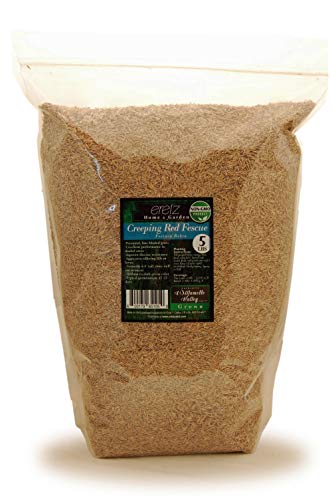
Eretz Creeping Red Fine Fescue Seed (5 lb)
Inside Each Recommended Option
Small yard, thin budget, full-sun exposure. That is the sweet spot for the 1-pound bag of Black Beauty Sunny. The cool-season blend pairs perennial rye, Kentucky bluegrass, and tall fescue, three species that collectively handle a wide range of Utah light conditions without demanding a PhD in turf management.
Each seed carries a waxy outer layer that limits moisture loss through the leaf, which is the same biology that helps the grass hold up when the sprinklers get skipped. In our view, that waxy coating matters most during July and August along the Wasatch Front, when afternoon heat and wind pull water out of turf fast. Homeowners seeding a single patch or overseeding after a rough winter will appreciate how the 1-pound size keeps the project from spiraling into leftovers.
Positive Takeaways
- Three-species blend adds resilience if one species struggles in a given microclimate.
- Waxy leaf coating slows moisture evaporation during peak summer heat.
- Compact bag fits a single patch, a side yard, or a modest overseeding job.
- Performs in full sun and tolerates lightly shaded edges around foundations.
Points To Note
- 1-pound bag covers only a small area, so larger yards will need multiple purchases.
- Like most cool-season mixes, it germinates more reliably during fall soil temperatures than during midsummer.
Best Suited To
First-time seeders patching a small sunny strip in a typical Utah suburban yard.
Where Another Pick Suits Better
Renovating a half-acre lot points to the Jonathan Green Black Beauty Ultra Grass Seed (50 lb) for better bulk value.
Where the original Sunny mix leans on three species, this heat-and-drought version focuses on tall fescue and Texas bluegrass, two varieties bred specifically to keep growing when thermometer readings climb toward 100°F. The narrower species list is a feature, not a weakness, because each grass is selected to do one job well: stay green through a St. George or southern Utah summer.
Compared to the 1-pound Sunny option, this bag is the more deliberate choice for a yard that takes full western exposure and reflects heat off a south-facing wall. The waxy leaf coating carries over from the broader Black Beauty line, so moisture discipline at the leaf level is built in. If your watering schedule already runs on the lean side, you may find this blend holds its color a bit longer between cycles.
Good Reasons To Consider
- Tall fescue and Texas bluegrass combination rated for heat up to 100°F.
- Waxy leaf layer reduces moisture loss during peak afternoon temperatures.
- 3-pound size covers modest overseeding without committing to a large bag.
- Works in both full sun and lightly shaded areas around trees and fences.
Honest Caveats
- Texas bluegrass can clump in some lawns, so expect a slightly less uniform look than pure Kentucky bluegrass.
- Still a cool-season mix, so growth slows during the hottest weeks of mid-summer.
Feature Snapshot
Whose Shelf It Belongs On
Homeowners in hot, exposed parts of Washington County or the southwestern valleys where summer heat punishes standard Kentucky bluegrass.
Consider Something Else When
A yard sitting at higher elevation in Park City or Heber benefits more from the Jonathan Green Black Beauty Rocky Mountain Grass Seed Mix (7 lb), which is built around cooler high-altitude nights.
Few bags on this list are as location-specific as the Rocky Mountain mix. Jonathan Green built this one around Black Beauty turf-type tall fescues, Blue Panther Kentucky bluegrass, and elite perennial rye, the three species that have proven themselves across Colorado, Montana, Utah, and Wyoming. For a Park City yard, a Provo bench lot, or a Cache Valley lawn, the regional fit saves you from guessing.
What sets this blend apart from the heat-and-drought bag is its emphasis on surviving cool semi-arid nights rather than extreme daytime heat. Where the southern Utah pick chases 100°F tolerance, this one leans into the shorter growing season and sharper temperature swings. The species mix also does a credible job in both sunny and shaded pockets, which matters in mountain neighborhoods where tree cover shifts block by block.
The Upside
- Formulated specifically for the high-altitude Intermountain West, including Utah.
- Three-species mix handles both sunny front lawns and partially shaded side yards.
- 7-pound bag covers a meaningful portion of a typical quarter-acre lot.
- Designed for the cooler nights and shorter seasons common at 4,500+ feet elevation.
Less Ideal Details
- Not the right pick for low-elevation southern Utah, where Bermuda or heat-blend grasses perform better.
- Regional blends can be harder to find in stock at local garden centers than generic mixes.
Right Fit For
Utah homeowners along the Wasatch Front and in mountain valleys seeding or overseeding a lawn that already deals with cool nights and dry air.
Look Elsewhere When
Yards in St. George or Hurricane run too hot for this blend, and the Pennington Bermudagrass Grass Seed (5 lb) handles those conditions more honestly.
Big yards need big bags. The 50-pound Black Beauty Ultra is built for full-lawn renovation, new-construction seeding, or large properties where buying multiple small bags becomes a hassle. The species blend here is the same Ultra recipe that gardeners have trusted in smaller packages, just scaled up for serious coverage.
Tall fescues, Kentucky bluegrass, and perennial rye work together to push fast germination, fill bare patches quickly, and produce the dark-green color the Black Beauty line is known for. For a homeowner with a half-acre lot, the bulk format also tends to lower the per-pound cost, an important practical consideration when you are seeding thousands of square feet. The honest read is that this much seed demands a spreader, a plan, and a watering schedule you can actually keep.
Notable Gains
- Single-bulk format covers a full lawn renovation without leftover seed shopping trips.
- Fast-establishing species help new grass fill in before peak summer stress.
- Three-species mix creates a more uniform look across varied soil conditions.
- Dark-green color the Black Beauty line consistently delivers.
Points To Keep In Mind
- 50 pounds is overkill for small lots and may go unused if seeding plans change.
- Bulk seed benefits from a drop or rotary spreader, an extra tool some homeowners do not own.
Spec Overview
Who Should Grab It
Owners of larger properties in northern or central Utah who want a single purchase to handle full reseeding without piecing together smaller bags.
Swap It Out When
Tight urban lots and shaded courtyards will do better with the Jonathan Green 10321 Black Beauty Ultra Grass Seed Mix (3 lb), which costs less to test on tricky soil.
The headline feature of this 15-pound bag is what happens underground. Black Beauty Original seeds are bred to send roots as deep as four feet into the soil, a meaningful advantage in Utah where summer moisture can retreat below the reach of shallow-rooted grasses. The waxy leaf coating carries over from the rest of the Black Beauty line, so the grass above and below the surface is working in the same direction.
Unlike the multi-species Ultra blend, this bag is a pure tall fescue stand. That single-species approach produces a uniform leaf texture, dark-green color, and a mowing-friendly cut that does not shred the blade tips. In a yard that already has decent soil depth and you want a grass that is going to chase water downward, this is one of the more focused choices on the list.
The Practical Payoff
- Roots reach up to four feet deep, unlocking moisture shallow grasses cannot access.
- 100% tall fescue delivers uniform leaf texture and color across the lawn.
- Waxy leaf coating reduces surface moisture loss during hot afternoons.
- Performs in both sunny and shaded zones of the same yard.
Trade Offs
- Pure tall fescue lacks the rapid self-repair that Kentucky bluegrass rhizomes provide.
- Best results come from fall seeding during mid-August through mid-October windows.
Perfect Match For
Homeowners with deep, well-prepared soil who want a drought-defensive lawn that holds color without daily watering.
A Better Fit Elsewhere
Yards with poor, rocky, or shallow topsoil will struggle to support four-foot roots, and the Old Cobblers Farm Wicked Tuff Turf Sheep Fescue Seed (10 lb) is built for exactly those conditions.
Bermudagrass is the warm-season wildcard on a list dominated by cool-season picks. Pennington’s 5-pound bag contains improved cold-tolerant varieties, which is the version worth looking at for Utah’s lower-elevation zones. Bermudagrass loves the same conditions that punish fescue: blasting summer sun, alkaline-leaning soils, and watering schedules that lean toward sparse.
The trade-off shows up in winter. As a warm-season grass, Bermudagrass goes dormant and turns brown once temperatures drop, a real consideration in northern Utah where the brown season can stretch from November into April. Where it shines is in southern Utah lawns around St. George, Hurricane, and Washington, where the ground stays warm enough for an extended growing season. Aggressive self-spreading also means the lawn repairs itself from wear without constant overseeding.
What Earns Its Place
- Improved cold-tolerant varieties extend Bermuda’s range into higher Utah elevations.
- Aggressive self-spreading fills in thin or worn spots without heavy reseeding.
- Deep root system supports drought resilience during peak summer heat.
- Low-growing blend produces fewer grass clippings across the mowing season.
Small Caveats
- Goes dormant and turns brown during winter months in cooler Utah climates.
- Warm-season grass struggles to establish when planted in late fall or early spring.
Who It Suits Best
Homeowners in southern Utah’s lower-elevation deserts who want a tough, sun-loving lawn and accept a winter brown period.
Skip It When
Yards in the Wasatch Front or Cache Valley will look bare for too many months, and the Jonathan Green Black Beauty Rocky Mountain Grass Seed Mix (7 lb) stays greener year-round in those climates.
Kentucky 31 is one of the older tall fescue varieties in American lawn care, and it has earned its longevity the honest way. The 20-pound Scotts mix takes that heritage turf and blends it with complementary seed varieties to push a thicker, greener result than a pure K31 stand would produce on its own. For a yard that takes daily punishment from kids, dogs, or backyard games, the durability of tall fescue is a real-world ownership benefit.
Drought tolerance is built into the tall fescue backbone, with root systems that reach further than Kentucky bluegrass. Less maintenance is the angle the source data leans into, and it matches what most homeowners actually want: a lawn that does not need constant attention. The honest read is that K31 has a coarser blade than modern turf-type fescues, so appearance trades a bit of refinement for toughness.
Why It Works Well
- Tall fescue backbone delivers strong wear tolerance for active family yards.
- Blended with supporting varieties to push a thicker, greener look than pure K31.
- Established turf-type tall fescue requires less maintenance than many alternatives.
- 20-pound bag covers a sizable lawn with a single purchase.
Practical Considerations
- Kentucky 31 has a coarser blade texture than modern turf-type fescue varieties.
- Seed blends like this one vary in exact composition, so the look is not as uniform as a single-variety seed.
Made For
Active households in Utah’s broader climate zones who prioritize durability and low maintenance over a manicured, fine-bladed appearance.
Reach For A Different Pick When
A lawn where fine texture and dark-green color matter more than toughness will be better served by the Eretz Creeping Red Fine Fescue Seed (5 lb) in the shaded corners it favors.
The 3-pound Ultra bag is the most balanced option in the Black Beauty line. It carries the same species diversity as the larger 50-pound version, with Black Beauty Tall Fescues, elite Kentucky bluegrass, and elite perennial rye working together. For a typical quarter-acre Utah lot, this is the bag most homeowners actually need, large enough to overseed meaningfully, small enough not to leave a garage full of leftover seed.
Coverage tops out around 1,200 square feet, which fits a single lawn section or a full overseeding pass on a modest yard. The species mix tolerates both clay-heavy and sandy Utah soils, and the waxy moisture-preserving leaf coating handles the dry air across the state. Where it differs from the larger Ultra bag is convenience rather than performance, a 3-pound bag is easier to store, easier to spread by hand for small jobs, and easier to use up before the seed loses viability.
Everyday Wins
- Three-species diversity creates a uniform look across mixed soil types.
- Covers up to 1,200 square feet, fitting most small-to-medium overseeding jobs.
- Waxy leaf coating preserves moisture during Utah’s typical dry summer stretches.
- Tolerates full sun and partial shade, fitting mixed yard conditions.
Where It Is Less Suited
- 3-pound size runs out quickly on larger lots, requiring multiple bags for full reseeding.
- Like all cool-season mixes, hot July and August weather can stall visible growth.
Feature Rundown
Who Will Love This
Homeowners with a modest yard who want a balanced, multi-species blend without committing to a bulk 50-pound bag.
Where A Sibling Pick Shines
For larger Utah properties, the Jonathan Green Black Beauty Ultra Grass Seed (50 lb) brings the same species blend at a friendlier per-pound cost.
Sheep fescue is the rebellious cousin in the fescue family. Where tall fescue aims for a traditional lawn look, sheep fescue leans into a tufted, fine-bladed, blue-green meadow aesthetic. The Wicked Tuff Turf bag is uncoated and bred for USDA Zones 2 through 7, which covers virtually every climate zone in Utah, including high-elevation mountain zones where other fescues start to struggle.
What this seed sacrifices is foot-traffic tolerance, and what it gains is the ability to grow in sandy, rocky, gravelly, and nutrient-poor ground that would starve a traditional Kentucky bluegrass lawn. The “no-mow” framing means you can leave it unmowed for a naturalized look, or mow it occasionally for a softer finish. For homeowners leaning into xeriscaping, this is the most water-conservative pick on the list.
Points In Its Favor
- Survives in sandy, rocky, and nutrient-poor soils where standard turf fails.
- Blue-green color adds visual interest beyond a uniform green lawn.
- Virtually zero fertilizer requirement once established.
- No-mow option works for naturalized and water-wise landscapes.
Some Limits To Know
- Sheep fescue does not hold up well to heavy foot traffic, so it is not ideal for play areas.
- Tufted growth habit looks different from a traditional lawn, which not every homeowner wants.
Best Suited To
Homeowners embracing xeriscape, native-style yards, or low-input lawns where water conservation matters more than a manicured finish.
Consider Something Else When
A traditional front lawn expected to host barbecues and lawn games will wear out quickly, and the Scotts Kentucky 31 Grass Seed Mix (20 lb) handles that workload better.
Creeping red fescue is the cool-season grass that thrives where others give up. Eretz grows and packages this seed in Oregon’s Willamette Valley, a region with deep cool-season grass expertise, and the 5-pound bag lists 99.6% pure seed with no weed or crop seed contamination. For Utah homeowners who want a clean seed source for the shaded side of the house, that purity is a quiet but real advantage.
The creeping growth habit, technically called aggressive tillering (where the grass sends out side shoots that root and spread), fills in thin spots without constant reseeding. Naturally 6 to 8 inches tall, this grass works whether you prefer an unmowed meadow look or a cleanly cut traditional lawn. Fine fescue seed pairs well with other cool-season varieties, and many Utah homeowners blend it into existing Kentucky bluegrass or tall fescue lawns to boost shade performance.
Notable Upsides
- Strong performance in shaded areas where Kentucky bluegrass and rye struggle.
- 99.6% pure seed with no weed or filler content in the bag.
- Aggressive tillering spreads naturally to fill in thin spots.
- Medium-to-dark green color blends well with most existing cool-season lawns.
Trade-Offs To Consider
- Creeping red fescue does not tolerate heavy foot traffic as well as tall fescue or Kentucky bluegrass.
- Performs best in cooler, moist microclimates, so it struggles in the hottest Utah sun without irrigation support.
Technical Reference
Who Should Grab It
Utah homeowners with shaded corners, tree-lined lots, or north-facing lawns where sun-loving mixes thin out by midsummer.
Not Your Match When
A full-sun front lawn on a south-facing slope will struggle with pure fine fescue, and the Jonathan Green Black Beauty Heat & Drought Resistant Grass Seed (3 lb) handles that exposure more reliably.
What To Weigh Before Picking A Utah Lawn Seed
Choosing a drought-tolerant grass seed in Utah starts with reading your own yard honestly. Sun exposure, elevation, and soil depth each push the decision in a different direction, and the wrong mix on the wrong site wastes a season of watering.
Cool-season blends dominate most Utah lawns because the state’s high-altitude climate favors fescues, bluegrasses, and ryegrasses that grow in spring and fall. The waxy leaf coating that appears across the Jonathan Green Black Beauty line is one specific trait worth understanding. It works at the leaf surface, slowing evaporation between watering cycles, and it is most valuable during July and August when afternoon humidity drops and water demand spikes.
Elevation changes the playbook. Park City and Heber City sit above 5,000 feet, and their cool nights and short growing seasons favor blends like the Jonathan Green Black Beauty Rocky Mountain Grass Seed Mix, which is formulated for the Intermountain West. St. George and Washington sit below 3,000 feet, where Bermudagrass handles the heat more honestly even though it goes brown in winter.
Soil depth matters more than most shoppers expect. Tall fescue varieties that advertise four-foot root systems need actual soil depth to chase that moisture. A yard with six inches of topsoil over hard clay will never let those roots reach their potential, and a tough fine fescue or sheep fescue like the Old Cobblers Farm Wicked Tuff Turf will outperform them in shallow or rocky ground.
Foot traffic and family use steer the durability call. Yards hosting kids, dogs, and weekend barbecues need a tall fescue base that survives wear. Shaded corners and ornamental zones can take a fine fescue that would not survive a central play area.
Key Considerations Across These Picks
Where Shoppers Go Wrong
The most common buying mistake in this category is choosing a warm-season grass like Bermudagrass for a northern Utah yard, then watching the lawn turn brown for five months. Match the grass type to your climate zone first, and only then weigh drought traits. Skipping a soil test is the next slip-up. Utah soils lean alkaline in many regions, and seed blends respond differently to pH levels. A quick at-home test before seeding prevents a season of disappointing germination.
What Separates Premium From Basic
Higher-tier grass seed mixes earn their cost through three honest upgrades. Species diversity (three or more species in a single bag) helps the lawn adapt if one variety struggles in your specific microclimate. Improved varieties within each species, like turf-type tall fescues over older K31 strains, deliver finer texture and darker color without sacrificing drought tolerance. Finally, seed purity matters. Bags with high inert content or weed seed contamination cost less up front but bring problems that compound across multiple seasons.
Frequently Asked Questions
When is the best time to seed a lawn in Utah?
Mid-August through mid-October is the prime window because soil stays warm while air temperatures cool, giving seedlings strong root development before winter. A secondary window runs mid-March through mid-May, but fall seeding generally produces stronger stands.
How much water does drought-tolerant grass actually need?
Established drought-tolerant blends typically need about one inch of water per week during the growing season, compared to one and a half to two inches for standard turf. During establishment, the first six weeks require more frequent, lighter watering regardless of the seed type.
Can I mix drought-tolerant seed with my existing lawn?
Yes, blending is a common practice. Creeping red fescue mixes well with Kentucky bluegrass for shaded zones, and tall fescue blends can be overseeded into existing cool-season lawns to boost drought performance without a full renovation.
Will these grasses survive Utah’s winter cold?
Cool-season blends on this list are formulated for the cold winters common across the Wasatch Front and mountain regions. Bermudagrass, in contrast, goes dormant in winter and stays brown until soil temperatures rise in late spring.
How long until I see results after seeding?
Most cool-season blends show visible germination within 7 to 14 days under proper soil temperatures and moisture. Full lawn establishment, meaning the grass has filled in and developed a mature root system, typically takes a full growing season of 6 to 9 months.
Bottom Line
The right grass seed for your Utah yard depends less on brand and more on matching the species to your elevation, sun exposure, and how much water you want to apply. Tall fescue blends carry most cool-season lawns through dry summers, sheep fescue opens the door to xeriscape without giving up on a turf look, and Bermudagrass earns its place in the southernmost valleys where cool-season options run out of stamina. Pick the bag that fits your site, seed it in fall, and your lawn will thank you the following spring.
