

Virginia Beach lawns deal with sandy soil, salty breezes, and stretches of humid summer heat. Picking a seed that handles those coastal quirks without constant babying saves you weekends and reseeding money. This roundup focuses on mixes and blends that actually stand up to Mid-Atlantic coastal conditions, from shady side yards to sun-baked back lawns.
The Picks In Brief

Jonathan Green Black Beauty Dense Shade Grass Seed – 1 lb

Jonathan Green Black Beauty Heat & Drought Resistant Grass Seed – 3 lb

Jonathan Green Black Beauty Rocky Mountain Colorado Grass Seed Mix – 7 lb

Jonathan Green Black Beauty Tall Fescue Grass Seed Blend – 15 lb

Pennington Annual Ryegrass, Grass Seeds for Lawn, 10 Lb

Pennington Bermudagrass Grass Seed, Bermuda Grass Seed, 5 lb

Elephant Grass Seeds (100 Pack) for Privacy Screens and Windbreaks

O.M. Scott & Sons Bermudagrass Grass Seed, 5 lbs.
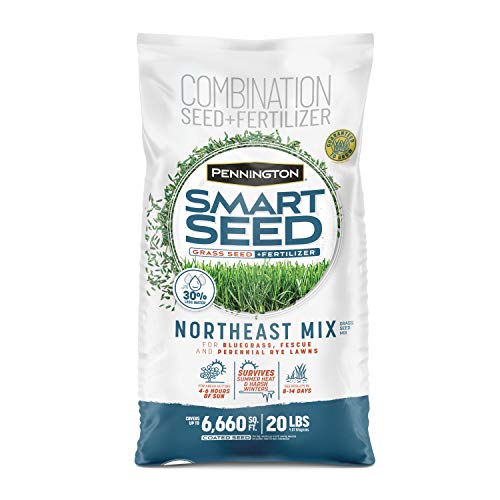
Pennington Smart Seed Northeast Mix 20lb, Grass Seeds for Lawn
The Strengths Of Each Pick
Trees drop shade, houses cast shadows, and most turf seed struggles under that kind of filtered light. The Jonathan Green Black Beauty Dense Shade blend targets those stubborn spots, pairing shade-tolerant varieties with a darker green tone that helps the lawn look intentional rather than patchy.
For coastal homeowners with mature oaks, maples, or large shrubs shading the side yard, this mix offers a path to actually filling in under the canopy. It’s a smaller bag, so it works well for targeted overseeding rather than full-lawn renovation.
Real-World Strengths
- Shade-tolerant varieties selected for low-light germination
- Produces a dark green color that blends with established lawns
- Germinates in roughly 14 to 21 days under proper conditions
- Contains beneficial endophytes that help resist surface insects naturally
Points To Note
- One-pound bag suits spot repairs, not full-yard coverage
- Will struggle in full, baking sun, so use it where shade is the main issue
Key Specs
Whose Yard It Suits Best
Shaded side yards and lawns under mature trees where standard sun-loving seed simply refuses to take hold.
Skip It When
Your lawn sits in full, all-day sun; in that case, the heat- and drought-tolerant Jonathan Green Black Beauty mix two rows above handles conditions better.
Virginia Beach summers are humid and long, and a lawn that can’t handle triple-digit-feel heat bakes out by August. The Jonathan Green Black Beauty Heat & Drought Resistant blend leans on tall fescue and Texas bluegrass, the kind of pairing that holds color when other grasses go tan.
The “waxy leaf coating” detail matters more than it sounds; that natural sheen reduces how much moisture the plant loses through its blades, which is the difference between a resilient lawn and a parched one. Front yards with reflected heat off driveways benefit most from this profile.
Positive Points
- Tall fescue and Texas bluegrass pairing tolerates heat up to around 100°F
- Waxy leaf coating limits moisture loss during dry spells
- Suitable for full sun to lightly shaded exposures
Worth Bearing In Mind
- Not a deep-shade solution; partial sun works much better than full canopy
- Three-pound bag covers modest overseeding, not full re-sodding projects
- Owners commonly report slower fill-in than annual ryegrass in the early weeks
Made For
Sunny front lawns and exposed side strips where heat and reflected light push ordinary cool-season seed to its limits.
Consider Something Else When
Your yard sits under heavy tree cover; the Jonathan Green Black Beauty Dense Shade Grass Seed (Pick 1) is the better tool for that job.
This one is built for thin air, cool nights, and dry air, the conditions of Colorado, Montana, Utah, and Wyoming. For a Virginia Beach lawn, it sits outside the sweet spot of the climate, but it earns a place on the list for shoppers in higher-elevation pockets or anyone curious about a tall fescue, bluegrass, and rye blend with a more continental edge.
The mix combines Black Beauty turf-type tall fescues, Blue Panther Kentucky bluegrass, and elite perennial rye. That triple-throat approach gives the lawn a layered texture, which is how it adapts to semi-arid swings in moisture.
Everyday Wins
- Three-species blend handles both sunny and partially shaded sites
- Tall fescue, Kentucky bluegrass, and perennial rye form a dense, durable turf
- Seven-pound bag covers substantial overseeding or patch repair
Where It Is Less Suited
- Formulated for high-altitude, semi-arid climates, not coastal humidity
- Virginia Beach lawns typically prefer mixes with stronger heat-and-humidity tolerance
Quick Facts
Best Suited To
Shoppers in cool, dry, or high-elevation regions who need a mix engineered for those very specific growing conditions.
Look Elsewhere When
You’re seeding in Virginia Beach proper; the Jonathan Green Black Beauty Tall Fescue Grass Seed Blend (Pick 4) is the more regionally aligned choice for coastal Mid-Atlantic yards.
For a full-lawn project in coastal Virginia, the Jonathan Green Black Beauty Tall Fescue blend is the practical anchor. It’s a 100% tall fescue turf-type seed mix with roots that can reach four feet down, which is the kind of depth that lets a lawn ride out dry stretches without constant irrigation.
That deep-root habit pairs with the waxy leaf coating the brand is known for, so the plant holds moisture at both ends. Mowing behavior also tends to be cleaner; the leaves are uniform in texture and don’t shred the way older tall fescue varieties do.
Features That Help
- Roots that extend up to four feet for drought resilience
- Waxy leaf coating that limits moisture loss through the blade
- Uniform leaf texture holds up to regular mowing without shredding
- Performs in both sunny and shady sections of the same lawn
Trade-Offs To Consider
- Best planting window is mid-August through mid-October, with spring as a secondary option
- 15-pound bag is overkill for small repair jobs
Right Fit For
Homeowners planning a full-lawn renovation or overseeding of a substantial yard who want a cool-season seed with coastal-Mid-Atlantic fit.
Not Your Match When
You want quick green-up during winter dormancy; Pennington Annual Ryegrass (Pick 5) germinates in days and is built for that short-term role.
Annual ryegrass lives fast and dies young, but that’s the point. In Virginia Beach, where Bermuda or zoysia goes dormant and tan through winter, overseeding with annual rye keeps the yard green from fall through early spring, then fades when the warm-season grass wakes up.
It also works as a quick patch fix for northern lawns needing temporary cover while a more permanent blend establishes. Visible green in three to seven days is the headline feature here.
A Few Highlights
- Visible germination in 3 to 7 days
- Designed for overseeding southern lawns in fall
- Suited to sites with roughly 6 to 8 hours of full sun
- Useful for temporary cover on thin or worn cool-season lawns
Honest Caveats
- Annual lifespan means it will need to be reseeded each fall
- Not a permanent lawn solution by itself; it complements warm-season turf
Who Will Love This
Homeowners with Bermuda or zoysia lawns who want green coverage through Virginia Beach winters, and anyone needing a quick patch while planning a longer-term seeding project.
Reach For A Different Pick When
You want a permanent cool-season lawn; the Jonathan Green Black Beauty Tall Fescue blend (Pick 4) is built for that longer commitment.
Bermuda is the workhorse warm-season grass for coastal Virginia, and Pennington’s blend leans into improved cold-tolerant varieties that handle the occasional chilly stretch better than older Bermuda types. It spreads aggressively, which is exactly the trait that fills in bare patches and recovers from foot traffic.
The deep root system supports wear resistance, and the low-growing habit means fewer clippings left on the lawn after mowing. For active families with kids, dogs, or weekend soccer games, that recovery speed is the real selling point.
Useful Touches
- Improved cold-tolerant Bermuda varieties handle shoulder seasons better
- Aggressive self-spreading fills in bare spots without constant reseeding
- Deep roots give the lawn a wear-resistant, durable footing
- Low-growing blend produces fewer grass clippings per mow
A Few Limitations
- Goes dormant and turns brown in winter, so the lawn loses color in cold months
- Full sun is the comfortable zone; shaded sections thin out over time
Perfect Match For
Full-sun yards in Virginia Beach with heavy foot traffic, kids, or pets, where quick recovery from wear matters more than winter color.
Swap It Out When
Winter green color matters to you; overseed with Pennington Annual Ryegrass (Pick 5) to keep the lawn looking alive during Bermuda dormancy.
Not a lawn seed at all, and that’s the point. Elephant grass earns a spot on the list because Virginia Beach back yards often need a living privacy screen or windbreak, and this tall perennial ornamental grows up to fifteen feet once established. Think of it as a soft, green alternative to a fence panel along a property edge.
It’s a heat-tolerant perennial that thrives in full sun with at least six to eight hours of direct light, and it grows actively from late spring through early fall when temperatures hold above 70°F. Erosion control is a secondary use on sloped or sandy lots.
Points In Its Favor
- Reaches up to fifteen feet, offering genuine visual privacy at full maturity
- Heat-tolerant perennial suited to warm coastal summers
- Doubles as a windbreak and erosion control on sloped or sandy sites
- 100-seed pack gives enough material for a meaningful screen
Potential Compromises
- Requires full sun and warm temperatures to perform; shade and cool sites will stunt it
- Tall growth means a seasonal cut-back is part of the maintenance cycle
- Not suitable as a turf replacement; it’s a landscape feature, not ground cover
Who Should Grab It
Homeowners wanting a natural privacy screen, wind buffer, or erosion barrier on a sunny Virginia Beach property edge.
Where A Sibling Pick Shines
You need a walkable, mowable lawn; the Pennington Bermudagrass Grass Seed (Pick 6) is the right tool for traditional turf goals.
O.M. Scott & Sons has been in the lawn game for generations, and their Bermudagrass seed is purpose-built for the southern United States and other warm climates. For Virginia Beach, that positioning lines up well with the long, hot summers and mild winters here.
The mix is formulated for high heat resistance and the kind of wear a family yard takes on a regular basis. It’s a different cut of Bermuda than the Pennington offering above, and worth comparing seed blends if you’re committed to a warm-season lawn.
What Pays Off
- Engineered for southern U.S. and warm-climate performance
- High heat resistance suited to long Virginia Beach summers
- Backed by a brand with a long track record in residential lawn care
Where It May Fall Short
- Five-pound bag is sized for moderate projects, not large renovations
- Goes dormant in winter, so plan for a brown season or overseed with rye
Built With In Mind
Shoppers who prefer a heritage brand name and want a southern-warm-climate Bermuda seed for a full-sun Virginia Beach lawn.
A Better Fit Elsewhere
You’re starting from bare soil on a large lot; the 15-pound Jonathan Green Black Beauty Tall Fescue Grass Seed Blend (Pick 4) covers more square footage for cool-season goals.
The “Northeast” label sets expectations, and the contents deliver: a premium blend of Perennial Ryegrass, Kentucky Bluegrass, and Tall Fescue in one bag. What sets it apart is the built-in starter fertilizer, which removes the guesswork of timing a separate feeding for new seed.
It’s also the largest bag on the list, sized for serious lawn projects. The mix is designed for areas with four to six hours of sun, which makes it more flexible than full-sun-only Bermuda blends, depending on your layout.
The Good Stuff
- Three-species blend adds resilience and visual texture
- Starter fertilizer included, so seedlings get a nutritional head start
- Handles both summer heat and harsh winter conditions
- Suitable for sites with as little as four to six hours of sun
Practical Considerations
- Twenty-pound bag is heavy to move and oversized for small patch jobs
- Built for the Northeast, so coastal heat performance is good but not specialized
Feature Snapshot
The Right Fit
Homeowners installing a brand-new cool-season lawn who want seed and starter fertilizer in a single purchase for fewer moving parts.
Where Another Pick Suits Better
You’re working with a hot, full-sun Virginia Beach yard; the Pennington Bermudagrass Grass Seed (Pick 6) is more naturally suited to coastal heat.
What Matters When Choosing Grass Seed For Coastal Virginia
Match The Grass Type To Your Sun Exposure
Virginia Beach yards swing between full sun near the oceanfront and deep shade under mature trees. Warm-season Bermuda handles sun and wear but goes brown in winter, while cool-season tall fescue and rye blends stay green longer but need more help in pure shade. Walk your yard at different times of day before choosing, because the mix that wins in one zone may fail in another.
Plan Around Salt, Sand, And Soil
Coastal soil is often sandy and low in organic matter, which means water and nutrients drain fast. Look for seed varieties with deep root systems, like the four-foot tall fescue roots in the Jonathan Green Black Beauty Original blend, since they reach moisture most shallow-rooted grasses miss. A light top-dressing of compost after seeding helps sandy sites hold what they need.
Time The Seeding Window Right
Cool-season blends establish best in fall, mid-August through mid-October, when the soil is warm and the air is cooler. Spring works as a backup. Warm-season Bermuda wants late spring and early summer soil warmth. Annual ryegrass gets tossed down in fall specifically to cover dormant warm-season lawns through winter, so its timing is its whole reason for existing.
Key Considerations Across These Picks
Where Shoppers Go Wrong
Picking a seed by brand recognition rather than sun and soil fit is the most common miss. A full-sun Bermuda blend planted under a tree canopy will thin out, while a shade mix in full sun burns up by midsummer. Buy for the conditions you actually have, not the lawn you wish you had.
When Paying More Pays Off
Bigger bags and multi-species blends cost more up front, but they reduce reseeding trips and blend more naturally with existing turf. The built-in starter fertilizer in the Pennington Smart Seed Northeast Mix is a good example; it removes a separate purchase and a timing step, which saves effort on new-lawn installs where every day counts toward establishment.
