

Wet patches in a yard tell on you. One corner stays spongy after a storm, low spots collect runoff, and the grass just gives up. The right seed selection is what flips a soggy lawn into one that drains, thickens, and holds up through every rainy stretch. This roundup walks through ten grass seed options worth considering for damp ground, with a focus on species that tolerate moisture, resist rot, and establish strong root systems in heavy or poorly drained soil. Each pick below solves a different shade of the wet-yard problem, from quick patch repairs to full-lawn renovations.
An Overview Of The Picks

Jonathan Green Black Beauty Heavy Traffic Grass Seed 3 lb

Jonathan Green Black Beauty Sunny Grass Seed 1 lb

Jonathan Green Fast Grow Grass Seed 7 lb

Jonathan Green Black Beauty Dense Shade Grass Seed 1 lb

Jonathan Green Black Beauty Heat & Drought Grass Seed 3 lb

Jonathan Green Blue Panther Bermudagrass Grass Seed 4 lb

Jonathan Green Black Beauty Ultra Grass Seed 25 lb

Pennington Annual Ryegrass 10 Lb

Scotts Turf Builder Grass Seed Sunny Mix 2.4 lbs
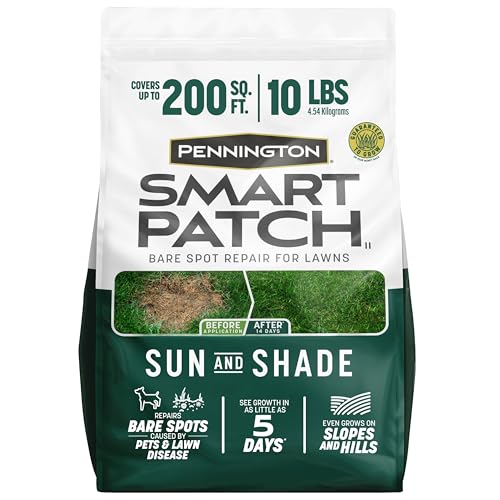
Pennington Smart Patch Sun and Shade 10 LB
What Each Pick Brings To The Table
Yards that double as soccer fields and dog runs take a beating, and the wet corner behind the garage makes it worse. The Jonathan Green Black Beauty Heavy Traffic blend leans on tall fescues and perennial rye, two cool-season species that punch roots down deep and shrug off both puddling and foot traffic. If your soggy spot also happens to be the path the kids cut across every afternoon, this mix is built with that double challenge in mind.
The seed works in active growing windows and fills in bare patches where water collects after storms. Compared to the Sunny Grass Seed reviewed later, this blend trades heat tolerance for sheer durability, so it makes more sense in northern and transition-zone lawns than in deep south territory.
The Case For It
- Tall fescue and perennial rye handle wet soil while tolerating heavy foot traffic
- Deep root system helps grass survive compaction and standing water
- Uniform texture across the lawn once established
- Works well in cool-season climates where drainage is a constant struggle
Worth Noting
- Best results require seeding during the active fall or spring window
- Not the right fit for full-shade lawns under heavy tree canopy
Whose Yard It Belongs On
Backyard spaces that host pets, kids, and weekend sports in a cool-season climate.
Skip It When
The area stays in full shade, in which case the Dense Shade Grass Seed reviewed further down suits the spot far better.
Open lawns that bake all summer and then flood in spring need a seed that can roll with both. The Black Beauty Sunny mix blends perennial rye, Kentucky bluegrass, and tall fescue, and the grass blades grow a waxy cuticle coating that holds onto moisture like a stored reserve. For wet ground that also bakes during July, that waxy layer keeps the plant from collapsing when rain finally stops and the heat ramps up.
The 1-pound pouch suits smaller patch jobs or overseeding thin sections of a larger lawn. Compared to the Heavy Traffic blend, this one is more about climate resilience than wear tolerance, so it fits a different reader profile.
Useful Highlights
- Waxy leaf coating limits evaporation during dry stretches between rains
- Handles heat while staying cool-season friendly
- Three-species blend gives the lawn genetic variety against disease
Trade Offs
- Small bag size pushes costs up for full-lawn coverage
- Shade performance drops off in anything more than light dappled sun
Feature Snapshot
Right Fit For
Homeowners with open, sunny lawns in the transition zone where summers are brutal and rain comes in waves.
Look Elsewhere When
Your soggy spots sit under heavy tree cover, since the Blue Panther Bermudagrass or Dense Shade blend handles that environment better.
Sometimes the lawn needs a tourniquet, not a long-term plan. The Jonathan Green Fast Grow mix germinates in 7 to 10 days, which is fast enough to cover a muddy patch before the next storm rolls through. Annual rye, tall fescue, and fine fescue team up to push green growth across a problem area while you figure out the longer-term seed selection.
The honest read is that this is a temporary lawn, not a permanent one. Owners commonly treat Fast Grow as a one-season bridge and follow up with a Black Beauty blend the following year for lasting coverage.
Notable Upsides
- Sprouts in a week, so bare spots fill in before erosion gets worse
- Works in full sun to medium shade
- Produces a dark green color quickly for fast curb appeal
- Ideal timing window falls in mid-August through mid-October for fall seeding
Small Caveats
- Annual rye component thins out after a single season
- Long-term turf quality depends on overseeding with a Black Beauty blend later
Who Will Love This
Homeowners staring down a freshly graded yard or a sudden bare patch who need fast cover before winter sets in.
Not Your Match When
You want a permanent lawn from day one, since the Black Beauty Ultra Grass Seed 25 lb bag is the better long-game pick.
Wet, shady corners are the worst combination in lawn care. Sun dries the soil and helps grass fight off fungal pressure, so when you take sun away and add moisture, ordinary seed mixes rot out fast. The Dense Shade blend is built for that exact scenario, with shade-tolerant varieties that handle limited sunlight and soil that stays damp longer than the rest of the yard.
Endophytes (beneficial fungal symbionts living inside the grass) help the plants resist disease pressure that tends to build up in humid, low-airflow spots. Germination runs 14 to 21 days, slower than the Fast Grow blend but in line with most shade mixes.
Why It Works Well
- Endophyte-enhanced varieties resist insects and disease in damp shade
- Dark green color matches the rest of the Black Beauty line
- Germinates steadily even when sunlight is limited
Soft Spots
- Slowest germination in this lineup at up to three weeks
- Won’t thrive in full sun, where the Sunny mix is a better call
Made For
Shaded side yards, north-facing strips, and the damp zones under large trees or shrubs.
Where Another Pick Suits Better
Open sunny lawns with drainage problems should reach for the Black Beauty Heat & Drought Resistant Grass Seed instead.
Transition-zone lawns live a chaotic life. Spring brings weeks of rain, then July arrives with triple-digit heat, and the grass has to handle both without skipping a beat. This blend pairs tall fescue with Texas bluegrass, a species known for pushing roots through tough clay and holding up when temperatures push toward 100°F.
The waxy cuticle on the leaves limits moisture loss, which matters once the rainy season ends. If your wet-yard problem is actually a wet-then-bake cycle rather than year-round damp, this seed selection covers the whole arc.
Useful Strengths
- Tolerates heat up to 100°F without going dormant
- Texas bluegrass parentage adds aggressive root depth
- Waxy leaf coating preserves internal moisture
- Works in full sun and lightly shaded conditions
Practical Considerations
- Slower to green up in spring than rye-heavy blends
- Performance drops in dense shade or high-traffic zones
Feature Snapshot
Best Suited To
Lawns in the transition belt where summers scorch and springs flood.
Reach For A Different Pick When
The yard is mostly shaded, since the Dense Shade Grass Seed solves that puzzle more directly.
Southern lawns with drainage problems need a different playbook. Bermudagrass is a warm-season species (it grows actively in hot weather and goes dormant in cool months) that pushes aggressive roots both down and sideways, knitting the soil together and pulling moisture out of low spots faster than cool-season blends can. The Blue Panther variety is bred for southern climates and reduces the need for winter overseeding compared to common Bermudagrass.
Where the Black Beauty blends stall out in heavy southern clay, Bermudagrass thrives. The trade-off is winter dormancy, so the lawn goes tan when temperatures drop, which matters if you want year-round green color.
Where It Delivers
- Strong vertical and lateral rooting establishes a dense, durable lawn quickly
- Formulated for southern state climates where cool-season blends struggle
- Reduces the need for winter overseeding compared to traditional Bermudagrass
Honest Caveats
- Goes dormant and turns brown in winter months
- Not suited for northern or cool-season lawns
Who Should Grab It
Homeowners in the Deep South managing soggy, poorly drained yards that need a permanent warm-season solution.
A Better Fit Elsewhere
Northern lawns should turn to the Pennington Annual Ryegrass for winter cover or the Black Beauty Heavy Traffic blend for permanent cool-season turf.
When the entire yard is the project, small bags just slow you down. The 25-pound Ultra bag covers a full lawn renovation without forcing you to mix multiple purchases, and the blend combines tall fescue, Kentucky bluegrass, and perennial rye for a balanced turf that germinates quickly and fills in bare patches.
For soggy lawns, the species mix matters more than the bag size. The Ultra blend delivers the same waxy cuticle protection and deep root growth that defines the Black Beauty line, just at the scale a whole-yard reseeding demands.
Practical Pluses
- Single-bag solution for full-lawn reseeding projects
- Three-species blend combines quick cover with long-term durability
- Dark green color matches across the property once established
Points To Note
- Bulk size means more planning around storage and seeding windows
- Not a specialty blend, so it won’t outperform targeted mixes in shade or extreme heat
Feature Snapshot
Perfect Match For
Homeowners tackling a complete lawn renovation in a cool-season or transition-zone climate.
Swap It Out When
You only need to fix a few bare spots, in which case the Pennington Smart Patch mix handles the job at a smaller scale.
Annual ryegrass is the speedster of the seed world. It germinates in as little as three days and establishes a green cover fast, which makes it a go-to for overseeding dormant warm-season lawns through the winter or for patching northern yards that need quick cover before a weather event.
For wet-area work, annual rye is a temporary tool. The seed establishes fast enough to hold soil and crowd out weeds in soggy patches, but the grass dies back after a single season. You trade long-term permanence for speed and flexibility.
What Stands Out
- Visible results in 3 to 7 days for fast cover
- Works in full sun areas getting 6 to 8 hours of direct light
- Reliable temporary support for thin or damaged northern lawns
- Useful as winter overseeding for southern Bermudagrass yards
Less Ideal Details
- Annual lifecycle means it dies off after one season
- Not a standalone long-term lawn solution for wet yards
Built With In Mind
Southern homeowners wanting green winter color over dormant Bermudagrass, and northern gardeners needing quick cover during shoulder seasons.
Where Another Pick Fits Better
For a permanent wet-yard solution, the Blue Panther Bermudagrass handles southern lawns and the Black Beauty Heavy Traffic blend handles northern ones.
First-time seeders often want something that just works without a learning curve. The Scotts Turf Builder Sunny Mix includes Root-Building Nutrition, a combination of ingredients designed to push deeper root development from germination onward. For a wet yard, deeper roots mean the grass can reach drier soil below the surface and survive longer between rain events.
The mix thrives in direct sun and tolerates light shade, with medium to high drought resistance once established. Compared to the Black Beauty Sunny blend, this one leans on a different nutrition package to drive root growth, which can matter for beginners who want one bag that handles the full seeding process.
Reasons It Performs
- Root-Building Nutrition supports deep root development during establishment
- Medium to high drought resistance once the lawn matures
- Designed for full sun and light shade flexibility
Things To Weigh
- Not formulated for deep shade or heavy wet conditions
- Smaller bag size suits patch jobs more than full renovations
Who It Suits Best
First-time lawn seeders who want a single product that guides them through the establishment process without specialty knowledge.
Consider Another When
You’re managing a southern yard with serious drainage problems, since the Blue Panther Bermudagrass is built for that climate.
Repair mixes serve a different job than full-lawn seed. The Pennington Smart Patch combines grass seed with starter fertilizer and added microbials (beneficial microorganisms that support soil and plant health), all in one bag. For soggy spots where dog urine, foot traffic, or standing water has killed the grass, the all-in-one format removes a step from the repair process.
The microbials help prevent disease and support overall lawn health, which matters in damp patches where fungal issues show up first. The mix covers up to 600 square feet, enough to handle a handful of bare spots without buying a full-renovation bag.
Strong Points
- Seed and starter fertilizer combined in a single application
- Microbials help prevent disease in damp conditions
- Suits lawns with mixed sun and shade conditions
- Handles pet-related damage repair alongside wet-area patches
Honest Caveats
- Repair mix, not a full-lawn solution for large wet areas
- Works best when applied to properly prepped soil
Feature Snapshot
Right Fit For
Homeowners with scattered bare patches from pets, foot traffic, or water damage who want one product for the whole repair.
Where Another Pick Suits Better
Full-lawn renovations in wet conditions call for the Black Beauty Ultra 25 lb bag instead.
Choosing The Right Seed For Soggy Ground
Drainage shapes every other decision. Before picking a bag, walk the yard after a heavy rain and identify the spots where water sits longest. Those are the problem areas, and they need seed with deep roots and disease resistance. Tall fescue and Texas bluegrass lead the pack for cool-season wet tolerance, while Bermudagrass dominates in southern heat. Endophyte-enhanced varieties help in damp shade where fungal pressure builds fastest.
Sun exposure matters just as much. The same wet corner in full sun calls for a different species than a wet strip under maple trees. Buying a bag that handles both shade and moisture usually means settling for average performance in both, so match the seed to the actual conditions in the target area.
Timing windows drive results. Cool-season blends establish best in fall (mid-August to mid-October) or spring (mid-March through mid-May). Warm-season Bermudagrass waits for soil temperatures to climb. Skip those windows and you’ll fight slow germination and weed competition the whole season.
Bag size should match the project. Patch jobs and small overseeding projects waste money on 25-pound bags, while whole-yard renovations end up needing multiple small bags. Measure the target area, then size up.
Key Things To Keep In Mind Before Buying
Common Pitfalls When Buying Seed For Wet Lawns
The biggest mistake is picking a sun-loving blend for a shaded wet spot. Shade and moisture together breed fungal disease, and seed without endophyte protection or shade tolerance collapses within months. Another trap is buying annual ryegrass expecting it to last multiple seasons, since it dies back after one growing cycle no matter how well you maintain it. Finally, don’t ignore the seeding window on the bag, because seed sown outside its preferred temperature range germinates unevenly and invites weeds.
What The Premium Bags Actually Deliver
Higher-tier grass seed bags like the Black Beauty Ultra 25 lb option and Pennington Smart Patch cost more for specific reasons. They include multi-species blends that adapt to microclimates within the same lawn, waxy cuticle coatings that retain moisture, and endophyte enhancements that fight insects and disease naturally. Repair mixes add starter fertilizer and microbials so one application handles seed establishment and soil health at once. The upgrade is worth it for whole-yard renovations and high-value lawns, but a small patch job doesn’t need the same investment.
Frequently Asked Questions
Can grass seed actually grow in standing water?
No grass seed survives prolonged standing water. The seed needs moist soil, not submerged conditions, so addressing drainage issues (grading, French drains, or aeration) should come before reseeding. Once water drains within a day or two, most fescue and Bermudagrass blends establish normally.
How long does grass seed take to germinate in wet soil?
Cool-season blends like tall fescue and perennial rye typically germinate in 7 to 14 days when soil stays moist. Annual ryegrass can sprout in 3 to 7 days. Bermudagrass and Kentucky bluegrass run slower, often two to three weeks, especially in heavy wet clay.
Should I reseed in spring or fall for wet areas?
Fall is the stronger choice for cool-season grasses because soil stays warm while air temperatures cool, which drives root growth without heat stress. Spring seeding works but faces more weed competition. For Bermudagrass and other warm-season options, wait until late spring when soil temperatures climb above 65°F.
Do I need to do anything special to prep wet soil before seeding?
Yes, soil prep matters more in wet areas than dry ones. Aerating compacted spots opens channels for water and roots, and top-dressing with compost improves drainage over time. Skipping prep and just spreading seed over soggy ground usually leads to rot and poor establishment.
Will a repair mix work for a full lawn renovation?
Repair mixes like Pennington Smart Patch handle spot fixes well but cost more per pound than full-renovation bags. For areas beyond a few hundred square feet, a dedicated lawn seed bag like the Black Beauty Ultra delivers better coverage and value. Save repair mixes for their intended purpose.
Closing Remarks
Wet yards reward patience and the right species more than any other lawn challenge. Match the seed to your sun exposure, climate zone, and drainage reality, and the rest of the work gets easier. The ten options above cover most wet-area scenarios, from quick patches to full renovations, so start with the conditions in your yard and let that lead you to the right bag.
