

New England lawns deal with a lot: icy winters, surprise summer droughts, and shade from maples and oaks that block midday sun. Picking the right seed matters more here than in gentler climates, because the wrong variety browns out by August or never fills in under the trees. This roundup covers ten options that handle cold, heat, shade, and heavy foot traffic, so your yard stays thick through the seasons.
How The Shortlist Stacks Up

Jonathan Green Black Beauty Dense Shade Grass Seed – 1 lb

Jonathan Green Black Beauty Heat & Drought Resistant Grass Seed – 3 lb

Jonathan Green Blue Panther Bermudagrass Grass Seed – 4 lb

Jonathan Green Black Beauty Ultra Grass Seed – 25 lb

Scotts Turf Builder Grass Seed Sunny Mix, 2.4 lbs.

Pennington Bermudagrass Grass Seed, Bermuda Grass Seed, 5 lb

Scotts Kentucky 31 Grass Seed Mix, 7 lbs.

Scotts Kentucky 31 Grass Seed Mix, 20 lbs.
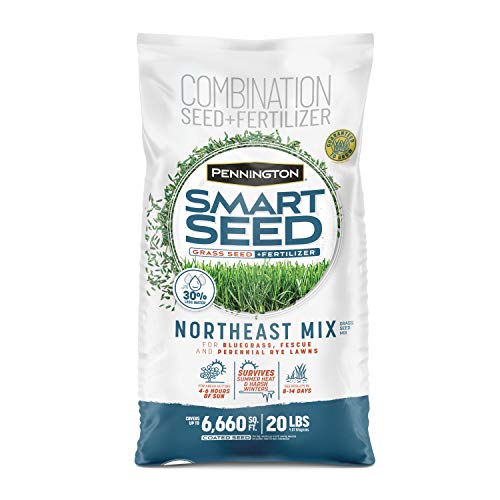
Pennington Smart Seed Northeast Mix 20lb, Grass Seeds for Lawn

Scotts Grass Seed Drought Tolerant Mix, 4 lbs.
What Each Pick Brings To The Table
Yards under mature maples, oaks, or close-set houses tend to stay thin because most turf species need several hours of direct light. This Jonathan Green blend is built around varieties that photosynthesize on filtered or dappled sun, so coverage under heavy canopy actually holds up. Endophytes (a beneficial fungus living inside the grass) add natural resistance to surface-feeding insects, which helps in shaded spots where airflow stays damp.
The mix germinates in roughly 14 to 21 days and leans toward a deep, dark green once established. For most suburban lots with one or two large shade-casting trees, a 1 lb bag covers targeted patch work rather than full-lawn renovation, so plan accordingly for bigger jobs.
Where It Helps
- Shade-tuned varieties stay green where sun-loving mixes thin out
- Endophyte-enhanced seed resists common surface insects naturally
- Dark green color reads as a healthy, well-fed lawn without extra nitrogen
- 14 to 21 day germination window fits typical New England fall seeding
Honest Caveats
- At 1 lb, the bag is built for patching rather than full-yard coverage
- Deep shade under evergreens still stresses even shade-tolerant mixes
- Needs consistent moisture during the germination window
Made For
Homeowners dealing with tree-heavy yards and partial-shade lawns in older New England neighborhoods.
Look Elsewhere When
Scotts Kentucky 31 Grass Seed Mix, 7 lbs. makes more sense for a full-lawn renovation that needs more volume in the bag.
August in southern New England can push soil temps past what most cool-season grasses tolerate, and a dry July only makes it worse. This Jonathan Green blend leans on tall fescue and Texas bluegrass, a hybrid cross that handles heat up to about 100°F. The waxy leaf coating, similar to the skin of an apple, limits evaporation so each blade holds moisture longer between waterings.
Where Item 1 solves the shade problem, this one solves the opposite: a south-facing front lawn that bakes all day. The 3 lb bag covers small to mid-size patch projects or a focused overseed of a struggling sunny zone.
Where It Delivers
- Tolerates heat up to roughly 100°F without going dormant
- Waxy cuticle holds moisture during July and August dry spells
- Texas bluegrass hybrid adds durability over standard Kentucky bluegrass
- Works in full sun or light shade, giving flexible placement
Worth Noting
- Still needs watering during establishment, even if the mature plant resists drought
- Tall fescue clumps if seeded too sparsely, so the spread rate matters
Right Fit For
Homeowners with full-sun lawns that brown out by mid-summer and need a heat-tolerant cool-season option.
Skip It When
Pennington Smart Seed Northeast Mix 20lb is the better call for a full-yard reseed where Northeast climate versatility matters more than heat extremes.
Bermudagrass is a warm-season species, so it goes dormant and turns tan once nights drop below about 50°F, which limits it to the warmest edges of the New England footprint. Inside that zone, it thrives: aggressive vertical and lateral rooting establishes a dense, durable turf fast, and the improved cold tolerance here (versus traditional Bermudagrass) reduces the need to overseed with ryegrass for winter color.
For coastal Connecticut, Rhode Island, or Cape Cod lawns where summers are long and winters are short, this gives a thick, traffic-tolerant stand that recovers from wear quickly. Further north, the dormancy window grows long enough that cool-season picks like Item 4 or Item 9 serve better.
Strengths Worth Knowing
- Aggressive rooting fills in fast and resists wear from foot traffic
- Improved cold tolerance over traditional Bermudagrass reduces winter overseeding
- Drives out weeds once established through dense lateral spread
Trade Offs
- Goes dormant and turns brown from late fall through early spring
- Performs poorly in shade, so tree-covered yards are not a fit
Who Will Love This
Coastal and southern New England homeowners with full-sun, high-use lawns who want a thick warm-season stand.
Reach For A Different Pick When
Jonathan Green Black Beauty Ultra Grass Seed – 25 lb is a smarter match for inland northern New England where cool-season turf stays green longer into the year.
Renovating a half-acre lawn takes seed by the bag, and a 25 lb sack covers meaningful ground without constant reordering. This Black Beauty Ultra mix combines tall fescues, Kentucky bluegrass, and perennial ryegrass, which is a classic cool-season blend tuned for Northeast conditions. The result is a dense, dark green turf that establishes quickly and recovers from wear.
Compared to the smaller Jonathan Green picks above, this one trades specialized shade or heat tuning for sheer volume and broad adaptability. For most New England homeowners tackling a full reseed or a new build, it hits the practical middle ground.
Everyday Wins
- 25 lb size covers large yards or full-lawn renovations in one purchase
- Three-species blend balances durability, color, and quick establishment
- Dark green turf reads as a healthy lawn without heavy fertilization
- Rapid germination fills in bare patches within a single growing season
A Few Limitations
- Less specialized than shade-only or heat-only blends for extreme conditions
- 25 lb bag is heavy to move and store, so plan for a dry spot
Best Suited To
Property owners with mid to large New England lawns who want one bag to handle a full reseed or new build.
Consider Something Else When
Jonathan Green Black Beauty Dense Shade Grass Seed – 1 lb is a better match for small tree-shaded patches that don’t justify a 25 lb investment.
Open front lawns with no tree cover need a mix that pushes top growth in direct sun, and Scotts’ Sunny Mix is tuned for exactly that. The added Root-Building Nutrition, a fertilizer blend coated onto the seed, gives seedlings a head start on deep roots, which matters when July turns dry. Once mature, the turf handles medium to high drought with reasonable color retention.
At 2.4 lb, the bag suits small to mid-size patch projects or overseeding a struggling sunny zone. If most of your lawn is shaded, you’d be better served by a shade-specific blend; this one sulks in heavy shade.
Key Advantages
- Root-Building Nutrition feeds seedlings during the vulnerable early stage
- Handles direct sun and light shade, giving placement flexibility
- Medium to high drought resistance once established
- Compact 2.4 lb bag fits typical small-lawn repair jobs
Some Limits To Know
- Underperforms in dense shade, so tree-covered yards are not a fit
- Smaller bag means multiple purchases for full-lawn renovation
Who Should Grab It
Homeowners with mostly sunny lawns who want a balanced mix that establishes quickly and tolerates dry stretches.
A Better Fit Elsewhere
Jonathan Green Black Beauty Heat & Drought Resistant Grass Seed – 3 lb is the stronger choice for the hottest, sunniest yards where heat tolerance matters more than general versatility.
Bermudagrass is the workhorse of southern lawns for a reason: it self-spreads aggressively, tolerates brutal summer heat, and shrugs off foot traffic from kids and dogs. This Pennington version adds improved cold-tolerant varieties, which pushes the usable range a bit further north than traditional Bermuda, and the deep root system mines moisture from lower soil layers. The low-growing blend also produces fewer clippings, so mowing stays manageable.
The trade-off is the same as with Item 3: Bermuda goes dormant and browns out during New England winters. Coastal and southern-edge properties get the most value from this seed; inland northern lawns will spend half the year looking tan.
Bright Spots
- Self-spreading growth fills in worn patches without reseeding
- Deep root system improves drought survival during summer
- Cold-tolerant varieties extend the usable range further north
- Low growth habit reduces mowing frequency and clipping volume
Practical Considerations
- Goes brown and dormant through winter months in New England
- Struggles in shaded areas, so placement is limited to full-sun spots
Perfect Match For
Coastal and southern New England homeowners with full-sun, high-traffic lawns who want a wear-resistant warm-season turf.
Where A Sibling Pick Shines
Jonathan Green Black Beauty Ultra Grass Seed – 25 lb is the better fit for inland properties that need year-round green color through cool seasons.
Kentucky 31 tall fescue has been a go-to forage and turf grass for decades because it germinates fast, tolerates poor soils, and stands up to heat and drought. This Scotts blend layers heat- and drought-tolerant companions on top of that K31 base, so the mix handles New England summers better than plain K31 alone. The result is a thicker, greener stand without the coarse texture that pure Kentucky 31 can show.
At 7 lb, the bag fits mid-size overseed jobs and patch repairs on properties that don’t need a 20 or 25 lb commitment. Where Item 8 below is the bulk option, this is the everyday K31 blend for focused work.
A Strong Showing
- Built on Kentucky 31 tall fescue for proven durability
- Companion grasses add heat and drought tolerance over plain K31
- Works for new lawns and overseeding existing turf
- Establishes quickly in a range of soil types, including poor soils
Possible Compromises
- Texture is coarser than bluegrass or perennial ryegrass blends
- Mid-size bag won’t cover a full multi-acre reseed
Built With In Mind
Homeowners who want the durability of Kentucky 31 fescue with better summer performance for mid-size lawn projects.
Swap It Out When
Scotts Kentucky 31 Grass Seed Mix, 20 lbs. is the smarter pick for whole-lawn overseeding where a larger bag reduces per-job cost.
The 20 lb version of the same K31 blend covers serious ground, which makes sense for whole-lawn overseeding on properties north of a quarter acre. Like the 7 lb bag above, it pairs Kentucky 31 tall fescue with heat- and drought-tolerant companions, so the turf stays reasonably green through August without daily watering. Less maintenance is the headline promise, and the fescue base mostly delivers.
Where the smaller K31 bag suits patch work, this one is built for renovation day. For most New England homeowners planning a single fall overseed across the full yard, the 20 lb size is the practical sweet spot.
The Practical Payoff
- 20 lb size covers whole-lawn overseeding without multiple purchases
- Same heat- and drought-tolerant blend as the smaller K31 bag
- Tolerates poor soils and partial shade once established
- Durable fescue base handles moderate foot traffic
Details To Watch
- 20 lb bag is heavy and needs a dry storage spot
- Coarser leaf texture than bluegrass-heavy mixes
Whose Shelf It Belongs On
Homeowners with mid to large New England lawns planning a single-pass fall overseed across the whole yard.
Not Your Match When
Pennington Smart Seed Northeast Mix 20lb is the stronger regional fit for mixed sun and shade across an entire property.
This is the one blend on the list specifically built for the climate you’re actually gardening in. Pennington’s Northeast Mix combines perennial ryegrass, Kentucky bluegrass, and tall fescue, a trio that handles summer heat, harsh winters, and the freeze-thaw cycles that punish less hardy turf. The added starter fertilizer in the bag takes the guesswork out of early feeding, which helps first-time seeders get a thicker stand.
The 4 to 6 hour sun requirement fits most New England yards that aren’t fully shaded. Compared to a generic sunny mix like Item 5, this one is tuned for the regional temperature swings, which is why it earns a spot on a shortlist for New England homeowners.
Well-Handled Touches
- Three-species blend covers the full cool-season performance range
- Starter fertilizer in the bag removes a step for first-time seeders
- Survives summer heat and harsh New England winters in one package
- 20 lb size suits whole-lawn renovation in a single purchase
Worth Bearing In Mind
- Needs at least 4 to 6 hours of sun, so deep-shade yards should look elsewhere
- Starter fertilizer means a second feeding is needed later in the season
Who Will Love This
New England homeowners planning a full-lawn reseed who want a regionally tuned blend that handles the local climate without extra research.
Consider Something Else When
Jonathan Green Black Beauty Dense Shade Grass Seed – 1 lb is a better match for the heavily shaded corner of the property where this mix would struggle.
Drought tolerance here comes from the species mix: tall fescue throws down deep roots while Kentucky bluegrass self-repairs to fill bare spots. The combination mines moisture from deeper soil layers during dry stretches, which keeps the lawn green longer between waterings. The 99.99% weed-free seed claim means less crabgrass and chickweed pressure during establishment, a real plus for thin or patchy lawns.
Application timing matters: aim for spring or fall when air temperatures sit between 65°F and 85°F. At 4 lb, the bag covers targeted overseeding on a small to mid-size property without the bulk commitment of the larger picks above.
Practical Advantages
- Deep-rooting tall fescue reaches moisture other species can’t access
- Self-repairing bluegrass component fills in thin spots over time
- 99.99% weed-free seed reduces competition during the establishment phase
- Works for both new seeding and overseeding existing turf
Less Ideal Details
- Application window is narrower than year-round cool-season mixes
- 4 lb bag suits focused projects, not whole-lawn renovation on larger properties
Best Suited To
Homeowners in dry-spell-prone parts of New England who want a deep-rooting mix that survives July and August without daily watering.
Where Another Pick Suits Better
Pennington Smart Seed Northeast Mix 20lb is the smarter pick when you need broader climate versatility and a larger bag size for full-yard work.
What To Weigh Before Choosing Grass Seed New Englands
Match The Mix To Your Sun And Soil
Before picking a bag, walk your yard at midday and tally how many hours of direct sun each zone actually gets. Shaded sections under trees or next to houses need shade-tolerant varieties like Item 1, while open south-facing lawns perform better with sun-loving blends like Item 2 or Item 5. Soil type matters too: sandy soils dry out faster and pair well with deep-rooting fescues, while clay-heavy soils hold moisture but compact easily, which favors tougher tall fescue roots.
Pick The Right Species Group For Your Region
New England straddles the cool-season and warm-season boundary, so the species choice carries real weight. Most of the region does best with cool-season blends (tall fescue, Kentucky bluegrass, perennial ryegrass), which is why Items 4, 8, and 9 anchor this list. Coastal southern areas with longer summers can push into warm-season Bermudagrass territory (Items 3 and 6), but expect winter dormancy as the trade-off.
Size The Bag To The Job
Bags range from 1 lb patch packs to 25 lb bulk sacks, and overbuying means wasted seed while underbuying means a half-finished lawn. Most New England seeding rates land around 3 to 5 lb per 1,000 square feet for new lawns and 1.5 to 2.5 lb for overseeding, so measure your lawn before committing. Bulk bags like Items 4 and 8 reward larger properties, while 2 to 4 lb sizes suit focused repair work.
Timing The Seeding Window
Fall seeding in New England, roughly mid-August through mid-September, gives seedlings cool nights and warm soil, which is the ideal combination for root development before winter. Spring seeding works but forces young grass to survive summer stress in its first year. Check the bag’s recommended application temperatures and plan around them rather than seeding whenever the mood strikes.
Key Considerations Across These Picks
Pitfalls Shoppers Hit
A common mistake is buying a sun-loving mix for a shaded yard, then wondering why the grass thins out by August. Match the seed to the actual light conditions, not the conditions you wish you had. Another trap is ignoring soil prep: even the best seed struggles in compacted ground, so a light rake and topdressing before spreading pays back fast. Buying the cheapest bag without checking the species list is the third slip; generic “lawn seed” often contains high percentages of annual rye, which looks great for one season and dies.
When Paying More Pays Off
Premium blends earn their keep through endophyte-enhanced seed (natural insect resistance), multi-species mixes (broader climate adaptability), and higher germination rates (fewer bare spots). For large yards where reseeding is expensive and disruptive, the per-pound cost gap on a 20 or 25 lb bag shrinks, and the better genetics justify the spend. Smaller patch jobs, on the other hand, don’t reward premium pricing as clearly; a mid-tier bag handles a 200-square-foot repair without leaving leftover seed to store.
Frequently Asked Questions
When Is The Best Time To Seed A New England Lawn?
Late summer through mid-fall is the strongest window because the soil stays warm enough for germination while the cooler air reduces seedling stress. Spring seeding works but the young grass has to survive its first summer, which is a tougher start.
How Much Seed Do I Need For My Yard?
Measure the area and check the bag’s coverage rate, which usually lands between 3 and 5 lb per 1,000 square feet for new lawns and roughly half that for overseeding. Buying a little extra covers thin spots without forcing a second order.
Will These Seeds Survive A New England Winter?
Cool-season blends (tall fescue, Kentucky bluegrass, perennial ryegrass) are bred for cold tolerance and go dormant rather than dying in winter. Warm-season Bermuda goes fully brown and dormant until soil temps rise again in late spring.
Do I Need To Water New Seed Every Day?
Yes during germination: light watering once or twice daily keeps the top inch of soil moist until seedlings establish, which usually takes two to three weeks. After that, deeper and less frequent watering trains roots to grow downward.
Can I Mix Different Grass Seed Bags Together?
You can, though matching species and growth rates gives a more uniform lawn. Blending a shade mix with a sun mix across the same area usually produces patchy results, so it’s better to seed different zones with the right product for each.
Bottom Line
A New England lawn has to handle cold winters, hot summers, and shade from mature trees, which means the right seed mix is the foundation for everything else. Match the species to your light and soil conditions, time the seeding for fall when possible, and size the bag to the job. The ten options above cover everything from small shade patches to full multi-acre reseeds, so most New England yards will find a starting point in this shortlist.
