

Healthy grass starts with what sits beneath it. The right soil feeds roots, holds moisture through dry stretches, and gives seed the structure it needs to sprout thick and even. Walk into any lawn aisle and the options blur fast, though: bagged topsoil, compost blends, seed mixes, and fertilizers all promise greener results.
This shortlist pulls together ten reliable options across four jobs, including feeding, conditioning, seeding, and top-dressing, so you can match the bag to the patch of ground you’re working on. The picks range from small indoor-friendly blends to multi-bag bulk topsoil, with notes on who each one suits best and where another pick might serve you better.
How The Shortlist Stacks Up

Miracle-Gro Organic Indoor Potting Mix, 16 qt.

Scotts Premium Topsoil.75-Cu. Ft.

Blue Mountain Hay Organic Garden Straw Mulch, 5 lb

R&M Organics Compost Soil Amendment Fertilizer

Scotts Kentucky 31 Grass Seed Mix, 20 lb

Scotts Premium Top Soil, 0.75 cu. ft.

Wonder Soil Coco Coir Lawn Top Dressing, 10 lb
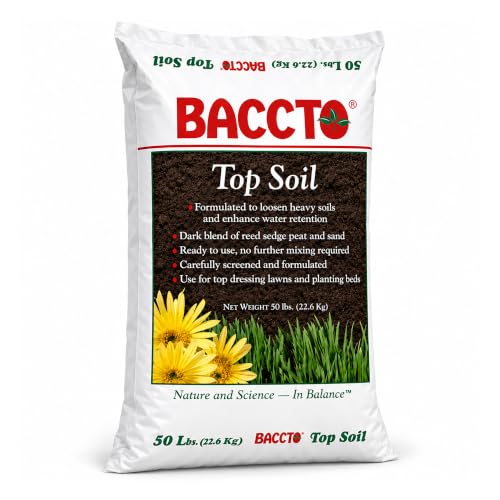
Michigan Peat Baccto Topsoil, 50 lb

O.M. Scott & Sons Tall Fescue Blend Grass Seed, 8 lb

Slow Release Lawn Fertilizer 25-5-10, 20 kg
Taking A Closer Look At The Options
If your “grass” lives on a windowsill or in a hanging basket, the rules shift. Indoor containers dry out fast and overwater just as easily, so the medium has to hold moisture without suffocating roots. This organic blend leans on coir, sphagnum peat moss, and a quick-start natural fertilizer to manage that balance for you.
The 16-quart bag covers a healthy number of small to mid-size pots, making it a sensible choice for a multi-plant collection rather than a single repotting job. It works well for anyone rebuilding a houseplant shelf or refreshing a propagation station, and the organic certification matters if you keep herbs near the kitchen window.
The Good Stuff
- Coir (coconut fiber) opens up the mix, giving roots air space and improving how the medium absorbs and releases water.
- Sphagnum peat moss buffers moisture, so a missed watering day rarely becomes a dead plant.
- Built-in natural fertilizer gives newly potted plants a soft start without forcing a separate feeding routine.
- Organic formulation suits indoor use where pets or kids share the room.
Things To Consider
- It is labeled for indoor use, so it’s not the right bag to spread over a patch of lawn.
- A 16-quart bag can be heavy to carry up a stairwell in one go, depending on your situation.
Who It Suits Best
Houseplant keepers with a shelf of foliage or a kitchen herb garden who want one bag that handles moisture swings on their behalf.
Look Elsewhere When
You’re working an actual lawn, in which case the Scotts Premium Topsoil covered next is the more relevant tool.
Topsoil sounds simple until you open a bag and find rocks, sticks, and mystery clumps. This Scotts blend is screened to keep the texture consistent, and it adds sphagnum peat moss plus organic matter to the native ground beneath it. That combination matters more than the label suggests, because peat helps the soil hold water instead of shedding it during a dry week.
The 0.75-cubic-foot bag fits a single lawn repair or a modest garden refresh without leaving half a bag in the garage. The intended use is in-ground only, which the brand flags clearly, so container gardeners can skip ahead. For leveling low spots or amending a tired bed before seeding, it does the kind of quiet work that decides whether new grass takes or struggles.
The Practical Payoff
- Sphagnum peat moss and organic matter feed the soil biology that supports deeper root growth.
- Versatile spread rate: 1–2 inches for top-dressing an existing lawn, 2–3 inches when starting a new bed.
- Consistent texture means it levels smoothly without the rocky surprises of cheaper topsoil.
- Works as a filler for low spots, reducing the puddling that often follows a hard rain.
Worth Noting
- The product is labeled for in-ground use only, so it isn’t a fit for pots or raised bed liners.
- You may find a single 0.75 cu. ft. bag runs short on larger lawn projects, so plan on multiple bags.
Feature Snapshot
Made For
Homeowners prepping a section of lawn for reseeding or filling in a patch that has settled below grade.
Not Your Match When
You need a bagged compost for a vegetable bed, in which case the R&M Organics Compost Soil Amendment is the better direction.
Straw over freshly seeded grass is one of those small habits that pays off quietly. It shields seed from washing out under a hard rain, keeps the surface from crusting over, and helps the soil beneath stay damp through midday heat. The Blue Mountain Hay option is an organic straw, sold in a manageable 5-pound pack that suits smaller seeding projects.
It works over raised beds and flower borders too, not just lawn patches. People starting a new lawn in a tricky slope, or those reseeding a dog-worn strip, get a lot of mileage out of a single bag.
The Value In It
- Organic straw helps lock moisture in, reducing how often you need to water newly seeded ground.
- Light enough to spread by hand over a small reseeding project without special tools.
- Useful across lawns, raised beds, and flower borders, so one bag covers more than one chore.
Trade Offs
- At 5 pounds, it’s geared toward modest projects; large lawn overseeding may need several bags.
- Straw can carry a faint farm smell until it settles, which may matter if your garden sits near a patio.
Best Suited To
DIYers reseeding a patchy strip or starting a small new lawn and wanting a light cover that won’t smother seedlings.
Swap It Out When
You want a single bag that handles bare-soil conditioning, in which case the Scotts Premium Topsoil is a more direct tool.
Compost is the ingredient most lawns quietly need and rarely get. R&M Organics makes theirs from dairy cow manure, which brings a familiar set of benefits: organic matter to loosen clay, slow-release nutrients, and the kind of microbial life that bagged synthetic fertilizer can’t replicate.
You can use it across vegetables, fruit trees, flowers, and lawn top-dressing, so a single bag covers a wide rotation of spring chores. If your soil has been worked hard season after season, this is the kind of amendment that brings it back over a year or two.
Where It Delivers
- Dairy-manure base adds organic matter that improves soil structure and water retention over time.
- Multi-use formulation works on lawn, vegetable garden, and container plantings alike.
- Suitable for indoor and outdoor applications, so leftover compost doesn’t sit idle.
- Replenishes nutrients that harvests tend to pull out of the soil year after year.
Room For Improvement
- Compost smells earthy at first; some users find the dairy-manure scent noticeable during application.
- As a soil amendment rather than a complete medium, you’ll still need topsoil or native ground to spread it into.
Right Fit For
Gardeners and homeowners with depleted beds or tired lawn soil who want to rebuild organic matter without switching to synthetics.
Reach For A Different Pick When
You’re filling a low spot with a leveling blend, where the Scotts Premium Top Soil (the 0.75 cu. ft. bag) is the more appropriate choice.
Kentucky 31 tall fescue has been a workhorse grass for decades, prized for durability in full sun and traffic tolerance that finer blends can’t match. This Scotts mix layers Kentucky 31 with supporting seed varieties to push a thicker stand than straight Kentucky 31 alone, which often sprouts a bit thin on its own.
The 20-pound bag covers meaningful square footage, so it’s the kind of bag to reach for when you’re starting a new lawn or doing a full-lawn overseed rather than a patch repair. It fits homeowners with sunny, kid-and-pet-worn yards who need grass that handles abuse.
Noteworthy Benefits
- Kentucky 31 tall fescue brings durability and lower maintenance than many finer-bladed lawn grasses.
- Blended formulation aims for a thicker, more uniform stand than Kentucky 31 sown alone.
- Works for both new lawn establishment and overseeding existing thin turf.
- 20-pound bag covers enough ground to be worth the effort on a full-yard project.
Points To Note
- Kentucky 31 has a wider blade than premium fescue blends, which some homeowners find coarser looking.
- Germination timing depends on soil temperature, so early-fall sowing tends to outperform spring in most regions.
Perfect Match For
Homeowners with sunny, high-traffic yards starting fresh or doing a serious overseed who value durability over fine-blade aesthetics.
Consider Something Else When
You want a smaller, more homeowner-friendly bag, in which case the O.M. Scott & Sons Tall Fescue Blend Grass Seed fits that scale better.
Standard topsoil often comes loaded with rocks, sticks, and clumps that make leveling a lawn feel like archaeology. This Scotts blend is screened lighter than typical heavy topsoil and includes peat moss, composted forest products, and aged rice hulls to keep the texture workable. The result is a blend that spreads evenly with a rake and settles without leaving hard pockets.
It shines when used to fill holes and low spots in an existing lawn, where you want the new material to blend into the surrounding turf. Gardeners planting new beds or patching bare patches also find it useful, since the same consistency that helps leveling also helps seed-to-soil contact.
Well-Handled Touches
- Consistent texture free of rocks and sticks, so it spreads smoothly and levels without surprises.
- Light blend of organic materials and peat moss supports better root development than dense native soils.
- Works equally well for lawn repair, garden planting, and general soil filling.
Soft Spots
- At 0.75 cu. ft. per bag, large projects require multiple bags, which adds up in both cost and handling.
- It’s a general-purpose blend rather than a specialized lawn or flower bed mix, so it doesn’t carry targeted nutrients.
Quick Facts
Who Will Love This
Homeowners smoothing out low spots in a tired lawn or building a small garden bed who want a clean, rock-free topsoil that spreads easily.
Where Another Pick Suits Better
You need a much larger volume in a single bag, in which case the Michigan Peat Baccto Topsoil at 50 pounds offers bulk coverage for a single drop.
Coco coir, the fibrous byproduct of coconut husks, has earned a reputation in container gardening for holding water while still draining well. Wonder Soil takes that same material and reformulates it for lawn top-dressing, with worm castings, mycorrhizae, kelp, pumice, and water-saving polymers mixed in. The dry compressed format expands when water hits it, so a 10-pound bag covers more ground than it looks like it will.
The brand rates coverage up to 400 square feet, which positions this as a practical option for mid-size lawns. It suits homeowners in heat-stressed regions who want a top-dressing that holds moisture between watering cycles rather than shedding it.
Everyday Advantages
- Coco coir holds water in the root zone while still allowing drainage and air movement.
- Built-in amendments like worm castings, kelp, and mycorrhizae feed soil biology alongside the grass.
- Compressed bag expands with water, so a 10-pound bag covers up to 400 square feet.
- Heavy-duty resealable bag helps keep unused mix dry for follow-up applications.
A Few Limitations
- It is a top-dressing, not a stand-alone growing medium, so it works best over existing soil rather than bare fill.
- Coir-based products tend to cost more per square foot than basic topsoil.
Built With In Mind
Homeowners in hot or drought-prone regions who want to stretch watering intervals and feed the soil biology at the same time.
Skip It When
You need a bulk, general-purpose topsoil for leveling large bare areas, where the Michigan Peat Baccto Topsoil is the more natural fit.
Big lawns need big bags. The Michigan Peat Baccto blend combines reed sedge, peat, and sand into a 50-pound topsoil aimed at broad coverage, whether you’re top-dressing a wide lawn area, refreshing planting beds, or building a transplant mix for shrubs and trees. The mix balances moisture, nutrients, and microbial life in proportions that suit turf and ornamentals alike.
The 50-pound weight means a single delivery covers meaningful ground, which trims down the number of trips from the driveway to the backyard. It’s the right scale for a homeowner with a half-acre lawn or anyone managing a multi-bed landscape.
What Makes Sense
- Reed sedge, peat, and sand blend creates a balanced medium for both lawns and planting beds.
- 50-pound bag supports top-dressing lawns, building beds, and mixing transplant soil in one purchase.
- Available in multi-pack quantities (2, 3, or 6 packs) for large-scale projects.
Points To Keep In Mind
- A 50-pound bag is heavy to move around, so plan a drop spot close to where you’ll spread it.
- It’s a general topsoil rather than a nutrient-specific amendment, so you may still want a compost or fertilizer alongside.
Technical Reference
Whose Shelf It Belongs On
Homeowners with large lawns or multi-bed landscapes who want a single heavy bag (or multi-pack) instead of stacking smaller ones.
A Better Fit Elsewhere
You’re spot-repairing a small dip, where the lighter Scotts Premium Top Soil in 0.75 cu. ft. is easier to handle.
The O.M. Scott name carries a long track record in home lawn care, and this tall fescue blend reflects the brand’s homeowner-friendly positioning. The 8-pound bag fits the scale of a typical DIY overseeding or patch repair, and the formulation leans on natural ingredients rather than additives.
It’s a sensible bag to keep on the shelf for filling in bare spots as they show up through the season, or for doing a measured overseed of a thinning lawn without committing to the larger 20-pound Kentucky 31 mix. People who reseed small sections throughout the year will appreciate the moderate size.
What Earns Its Place
- Tall fescue blend aims for a green, traffic-tolerant lawn that fits most suburban conditions.
- 8-pound bag is sized for patch repairs or single-lawn overseeding, not industrial-scale work.
- Natural-ingredient formulation appeals to homeowners avoiding unnecessary additives.
Honest Caveats
- Smaller bag means it isn’t the right pick for full-lawn renovation on a big property.
- As with most fescue blends, performance depends heavily on proper watering during germination.
Who Should Grab It
DIY homeowners maintaining an established lawn who need a manageable bag for spot repairs and seasonal overseeding.
Another Choice May Suit
You’re starting a new lawn from scratch, in which case the larger Scotts Kentucky 31 Grass Seed Mix in 20 pounds covers more ground per bag.
Granular fertilizers that release slowly change the rhythm of lawn care. Instead of feeding every few weeks, you spread once and let the prills meter out nitrogen over weeks. The Eco Solutions 25-5-10 blend uses 65% granular nitrogen (the first number in the N-P-K ratio, which stands for nitrogen, phosphorus, and potassium) and is rated to feed up to 110 days, with a 20 kg bag (about 44 lb) sized for serious coverage.
The formulation targets both spring green-up and steady growth through the season. Homeowners who want a single application to carry turf through summer’s heaviest growing months will appreciate the long feed window.
Bright Spots
- 25-5-10 NPK blend supplies high nitrogen with supporting phosphorus and potassium for steady growth.
- Up to 110 days of feeding reduces how often you need to walk behind a spreader.
- 20 kg bag covers large lawn areas without constant refills.
- Kid and pet safe handling profile suits family yards.
Worth Bearing In Mind
- A high-nitrogen blend isn’t ideal for very young seedlings, which typically need gentler starter formulations.
- The 20 kg bag is heavy, so it suits people with a spreader and a wheelbarrow rather than a single patch job.
Key Product Details
Useful Upgrade
Homeowners with established, mid-to-large lawns who want a once-a-season feeding that keeps the turf green without monthly reapplication.
Look Elsewhere When
You’re amending soil for the first time rather than feeding existing grass, in which case the R&M Organics Compost Soil Amendment is the more appropriate starting point.
What Matters Most When Choosing Grass Soils
Picking the right bag starts with the job, not the brand. The first fork in the road is whether you’re feeding existing grass, repairing bare spots, or building soil from scratch. Each of those needs a different product, and a topsoil isn’t a substitute for fertilizer, just as compost isn’t a substitute for seed.
Texture and particle size matter more than most people expect. A screened, rock-free topsoil levels cleanly and gives seed good contact with the ground, while a coarse or debris-heavy blend leaves gaps and clumps. Coir and peat-based top-dressings hold water well in heat, which is why they show up frequently in drought-prone regions, while sandier blends suit projects where drainage is the priority.
Bag size should match the scale of the work. A 0.75 cu. ft. bag handles a few low spots, while a 50-pound bag or 20 kg fertilizer bag is built for full-lawn projects. The 8-pound seed bag fits seasonal spot repairs; the 20-pound Kentucky 31 bag suits new-lawn work. Choosing the right size keeps the cost per square foot reasonable and avoids leftover storage.
Match the product to the lawn’s conditions. Full-sun, high-traffic yards benefit from durable tall fescue blends, while shadier or more ornamental lawns often do better with finer-bladed mixes. Indoor plants need a coir-and-peat blend that manages moisture swings, since outdoor topsoil compacts quickly in containers. A bag suited to the climate and use case outperforms a generic “all-purpose” choice in most situations.
Key Considerations Across These Picks
Pitfalls Shoppers Hit
The most common slip is grabbing a topsoil when the lawn actually needs a fertilizer, or vice versa. Topsoil feeds the ground; fertilizer feeds the grass. Using one in place of the other tends to underwhelm, and the lawn stays the same shade of tired it was before.
Another trap is buying a small bag for a large project because it seems cheaper up front. By the time you order two or three more bags plus shipping, a single bulk bag often costs less per square foot and saves a lot of hauling.
When Paying More Pays Off
Premium blends earn their keep when the soil is the problem, not the seed. Coir-based top-dressings, organic compost, and screened peat-enriched topsoils address the underlying structure that synthetic fertilizer can’t fix. For a struggling lawn in poor ground, the upgrade often pays back in fewer reseeding cycles and a more resilient stand over a couple of seasons.
Frequently Asked Questions
What is the difference between topsoil and potting mix? Topsoil is designed for in-ground use, where it spreads and mixes with native soil, while potting mix is formulated for containers, with materials like coir and peat that manage moisture in a confined space.
How much topsoil do you need to level a lawn? Most leveling jobs use a 1 to 2 inch layer spread over the low area, which works out to roughly 0.75 cubic feet covering about 9 square feet at 1 inch deep.
Can you use garden soil on grass? Garden soil is often denser than topsoil and can smother grass roots if used as a top-dressing, so most brands recommend a screened topsoil blend for lawn work.
When is the best time to apply slow-release fertilizer? Slow-release granular fertilizer is typically applied in early spring or early fall, when grass is actively growing and can take up the steady release of nitrogen over the following weeks.
Do I need to add compost to established lawn? Established lawns benefit from a light top-dressing of compost once or twice a year, since the organic matter supports the soil biology the grass depends on for nutrients and moisture regulation.
The Takeaway
The right bag for your lawn comes down to matching the product to the job and the scale. Top-dressing, seeding, and feeding each pull from a different shelf, and the picks above cover those three lanes plus indoor use. Pick the one that fits your ground, water it in, and give the grass a season to settle in.
