

Finding the right green bean seeds makes the difference between a sprawling vine jungle and a tidy, productive patch. This list rounds up nine packets worth considering, from classic stringless bush varieties to long, twisty Asian yard-long beans and tender French filet types. Each pick suits a slightly different gardener, a different climate, or a different kind of plate.
A Fast Comparison Of The Options
A Fast Comparison Of The Options
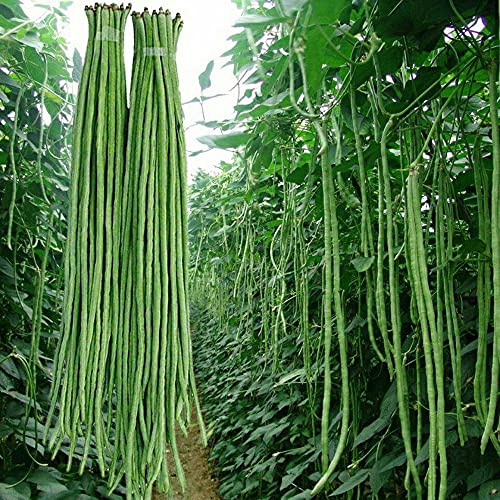
MOCCUROD 30+ Yard Long Bean Seeds

Burpee Stringless Green Pod Bush Bean Seeds 4 oz

Burpee Stringless Green Pod Bush Bean Seeds 8 oz

Isla’s Garden Blue Lake Bush Bean Seeds 50+ Packet

The Old Farmer’s Almanac Heirloom Organic Bush Bean Seeds Blue Lake
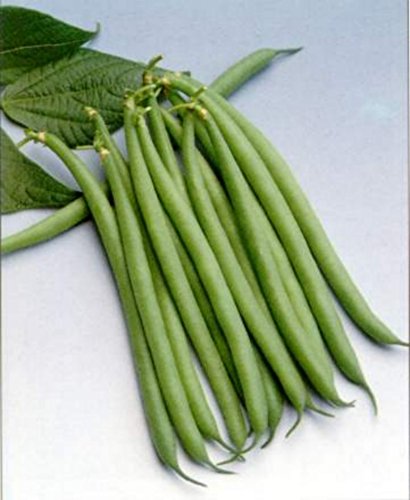
Ohio Heirloom Haricot Verts Petite Filet Green Bean Seeds

Seedboy Organic Non-GMO Provider Green Bean Seeds

Heirloom Jade Bush Bean Seeds 200 ct (2 oz)

Mountain Valley Blue Lake Bush Bean Seeds 274 ct
The Details Behind The Selections
Yard-long beans are the show-offs of the warm-season garden, and this packet of MOCCUROD Asian yard-long seeds gives you a head start. The vine climbs enthusiastically, so you’ll want a sturdy trellis, a cattle panel, or a tall net set up before planting. In a humid southeastern climate, this variety tends to throw out foot-long pods with that classic nutty, almost asparagus-like flavor from mid-summer right up until frost.
Compared with the tidy bush beans elsewhere on this list, this one trades compactness for sheer length and yield. Container growers on a small balcony may find it awkward, but anyone with a sunny fence line or a tunnel trellis will get a real harvest from it.
Well-Handled Touches
- Pods can stretch past 18 inches, so a single plant feeds a side dish for several people.
- The vine tolerates hot, humid weather better than most common snap beans.
- Continues producing new pods over a long window, rather than a single short flush.
- Disease-resistant reputation makes it a sensible pick in regions where fungal issues hit bush beans hard.
Things To Consider
- Needs a tall, sturdy support structure, so it isn’t a true set-and-forget option.
- Pods get tough and stringy if you let them over-mature on the vine, so frequent picking matters.
Who It Suits Best
Warm-climate gardeners with a trellis plan who want a productive, conversation-starting variety.
Skip It When
Burpee’s Stringless Green Pod Bush Bean Seeds (4 oz) is a tidier, no-trellis match for small raised beds.
Burpee’s Stringless Green Pod is the variety many gardeners cut their teeth on, and the 4-ounce pack gives you plenty of seed for a first run. The plants are self-supporting bush types, so you skip the trellis step that the yard-long bean demands. Pods are round, slightly curved, and about 6 inches long, with the meaty snap that holds up to sautéing or steaming.
For a small kitchen garden or a row in a community plot, this packet hits a sweet spot. The flavor is reliably classic, the harvest window is early, and the seed count handles a modest family portion without dominating your shelf.
What Earns Its Place
- Completely stringless pods mean less prep work before cooking.
- Self-supporting bush habit, so no stakes or trellis to install.
- Early-producing variety, useful in shorter growing seasons.
Worth Noting
- The 4-ounce pack may run short for very large plantings or big canning sessions.
- Pods can develop strings if you let them over-mature on the plant, so check plants every couple of days during peak production.
Feature Snapshot
Made For
First-time bean planters and small-space gardeners who want a low-fuss, classic stringless harvest.
Consider Something Else When
Isla’s Garden Blue Lake Bush Bean Seeds is a stronger fit if you want a sturdier pod for canning batches.
The 8-ounce twin of the previous pick is the same Burpee-bred stringless variety, just in a heavier packet for bigger plots. Plants still top out around 12 inches tall with a similar 10-inch spread, so the bed footprint stays modest row after row. If you’re succession-planting every two weeks for a steady harvest, the larger pack reduces the risk of running out midseason.
This is a sensible option for families who blanch and freeze bushels of beans, or for anyone running a community garden row. Compared with the 4-ounce packet, the per-seed cost tends to drop noticeably.
The Good Stuff
- Same trusted stringless variety as the smaller pack, just in larger quantity.
- Early, robust yields suit succession planting for continuous harvests.
- Compact bush size makes harvest easy on the back.
- Larger pack generally offers better value per ounce for big plantings.
Trade Offs
- More seed than most home cooks need in a single season, so storage matters.
- Owners commonly report that freshness fades faster once the packet is opened, so a sealed jar in a cool, dry spot helps.
Right Fit For
Gardeners running long rows, family plots, or anyone planning a real canning or freezing session.
Look Elsewhere When
Mountain Valley Blue Lake Bush Bean 274 Seeds is a bulk-friendly pick with a different, more tender pod profile.
Blue Lake is the bean many people picture when they think of canned green beans at the grocery store, and Isla’s Garden version brings that flavor home. The 50+ seed packet is a comfortable size for a backyard row, and the botanical name (Phaseolus vulgaris) tells you this is a true classic. Bushes grow around 16 inches tall, which keeps them upright without caging in most conditions.
This one feels right for gardeners who want reliability over novelty. The pods are crisp, tender, and good for fresh eating, steaming, or working through a big canning project once the harvest peaks.
Where It Excels
- Non-GMO heirloom seed, useful if you plan to save some for next season.
- Compact bush habit, so it works in raised beds and large containers.
- Pods hold their texture well through canning, freezing, and pickling.
- Dependable warm-season production in most temperate climates.
Room For Improvement
- Modest seed count per packet compared to bulk packs, so large plots may need multiple packets.
- Yield timing clusters, so you’ll want a quick plan for processing the harvest when it peaks.
Best Suited To
Raised bed and small-plot gardeners who want classic Blue Lake flavor with manageable bush plants.
Not Your Match When
Burpee’s Stringless Green Pod 4 oz is a better fit if you want an earlier-producing variety for short summers.
The Old Farmer’s Almanac steps in with a Blue Lake bush bean for gardeners who want organic, non-GMO, open-pollinated stock. The packet holds roughly 45 seeds, which is enough for a tidy 10- to 15-foot row, depending on spacing. Heirloom status means the variety has stood the test of time, and the open-pollinated label means you can save seed from year to year.
Think of this as the same dependable Blue Lake flavor as Isla’s Garden version, with the documentation and sourcing that organic-focused gardeners tend to prefer. It is a smaller packet, so plan accordingly for bigger plantings.
The Helpful Details
- Certified organic, non-GMO, and open-pollinated for seed-saving.
- USA-origin seed stock with documentation for organic-minded gardens.
- Trusted Blue Lake variety with classic, mild flavor.
Points To Note
- Smaller seed count per packet means you’ll want multiple packets for larger rows.
- Organic seed can have slightly slower or less uniform germination in cold soil, so wait for proper soil temperatures before sowing.
Who Will Love This
Organic-focused home gardeners who want a documented, heirloom Blue Lake for seed-saving.
A Better Fit Elsewhere
Isla’s Garden Blue Lake Bush Bean Seeds is a less expensive option for gardeners who don’t need organic certification.
Filet beans are the slim, elegant cousins of the standard snap bean, and this petite French-style variety from Ohio Heirloom Seeds delivers the real thing. The bush habit keeps plants compact, and the pods come in stringless and ready for quick sautés. With about 56 days to maturity, the timing is friendly for most temperate growing windows.
This is the pick for cooks who want restaurant-style haricots verts on the plate. Standard green bean recipes still work, but the slim pods really shine when you blanch and toss them with butter and herbs.
Everyday Advantages
- Stringless bush habit, so picking and prep stay simple.
- Slim, tender pods cook in just a few minutes, ideal for quick weeknight sides.
- Compact plant fits a small kitchen-garden bed.
Soft Spots
- Smaller seed count per packet, so succession planting may need multiple packets.
- Slender pods lose quality fast once oversized, so frequent picking is a must.
Feature Snapshot
Perfect Match For
Home cooks who want slim, French-style filet beans for quick sautés and elegant side dishes.
Swap It Out When
Burpee’s Stringless Green Pod 4 oz is a better fit if you want a more traditional, meaty 6-inch pod.
Provider is a well-regarded variety for gardeners dealing with cool spring soil, and Seedboy’s organic version layers on non-GMO documentation. This is a bush bean that germinates earlier than most, which extends the effective growing window in short-summer regions. Pods are tender, and the plant is known for setting a reliable crop even when conditions aren’t perfect.
Compared with Blue Lake varieties, Provider leans a bit more on reliability than on iconic flavor. For new gardeners or anyone who’s had trouble with germination in past seasons, that’s a fair trade.
Strong Points
- Tolerates cool spring soil better than many bush beans, so you can sow earlier.
- Organic and non-GMO seed with US growing background.
- Dependable yields even when conditions aren’t textbook.
Honest Caveats
- Flavor is solid but not as celebrated as Blue Lake or filet varieties.
- Owners commonly report the pods can develop strings when left too long, so regular picking helps.
Who Should Grab It
Early-spring direct sowers in cool climates who value reliable germination over signature flavor.
Another Choice May Suit
Isla’s Garden Blue Lake Bush Bean Seeds is the better fit if Blue Lake’s classic flavor matters more to you than cold-soil vigor.
Jade is a heat-tolerant bush bean that holds its quality through the kind of brutal July and August stretches that wilt lesser varieties. This 2-ounce packet contains around 200 seeds, giving you a generous row or a succession-planting plan for the season. Pods are long, slim, and stay tender even when temperatures climb.
For southern gardeners or anyone with a long, hot summer ahead, this one earns its keep. The pod set is steady, and the plants keep producing as long as you keep picking.
Reasons It Performs
- Holds up in heat better than many common bush bean varieties.
- Around 200 seeds per packet, useful for big rows or succession planting.
- Long, slim pods stay tender on the plant a bit longer than some types.
Small Caveats
- Larger seed count than a casual kitchen gardener may need, so a sealed storage plan helps.
- Branding and packet information are minimal, so a quick germination test before sowing is a smart move for older stock.
Built With In Mind
Hot-climate gardeners with long summers who want heat-tolerant production in generous quantity.
Reach For A Different Pick When
Ohio Heirloom Haricot Verts Petite Filet is a better fit if you want slim French-style pods over heat-tolerant bulk.
Mountain Valley’s take on Blue Lake 247 is a 274-seed pack aimed at gardeners with serious ground to cover. Blue Lake 247 is a classic open-pollinated snap bean with dark green pods around 5.5 inches long, and the 16-inch plant size leaves room for tight spacing in raised beds or market-style rows. Maturity lands in the 50- to 65-day range, so you can plan succession sowings with confidence.
If you grow for a farmers market table or a deep freezer, this bulk pack is the one to look at first. For a small backyard row, it may be more seed than you need in a single season.
Advantages To Know
- Bulk 274-seed pack suits market gardens and large backyard plots.
- Open-pollinated heirloom, so you can save seed from your best plants.
- Compact 16-inch plants work in raised beds and intensive spacing.
- Reliable Blue Lake performance with tender, dark green pods.
Less Ideal Details
- More seed than a small kitchen garden will use in one season, so plan storage.
- Pods are best picked at the smaller end of the size range; oversized pods get fibrous fast.
Feature Snapshot
Whose Shelf It Belongs On
Big-plot and market gardeners stocking up for a full season of harvests.
Where A Sibling Pick Shines
Burpee’s Stringless Green Pod 4 oz is the more sensible size for a small backyard or first-time grower.
What Matters Most Before Choosing Green Bean Seeds
Bush Beans Vs. Pole Beans
Bush beans stay compact and self-supporting, which keeps setup simple and harvests quick, though they tend to produce their crop in a tighter window. Pole beans climb a trellis or net, keep producing over a longer stretch, and often yield more per square foot, but they need a support structure and slightly more planning. Choose bush types for small beds, succession planting, and ease; choose pole or vining types for long-season harvests and vertical growing.
Climate And Season Length
Days to maturity matters more than people think. Short-summer gardeners should look for varieties that mature in under 60 days, like Burpee’s Stringless or Provider, while long-summer gardeners can stretch into yard-long beans or heat-tolerant Jade. Soil temperature also affects germination, so cool-soil-tolerant varieties (the “Provider” type) earn their place in early-spring sowings.
Pod Style And Use
Slim French filet pods cook quickly and look elegant, but they need frequent picking and don’t hold as long on the plant. Classic round-podded snap beans, like Blue Lake, are sturdier for canning, freezing, and sautéing. Yard-long beans trade tenderness for sheer length and visual drama, which is great for stir-fries but less useful for canning.
Seed Source And Documentation
Organic certification, non-GMO verification, and open-pollinated status all matter depending on your priorities. If you plan to save seed year to year, heirloom and open-pollinated varieties are essential. If you garden in a strictly organic system, look for packets that name the certifying body, like the Old Farmer’s Almanac organic pack or Seedboy’s certified organic Provider.
Smart Choices To Make Before You Buy
Common Shopping Slip Ups
Buying the largest pack on the shelf can backfire if your family only eats a handful of beans a week, because older seed loses germination rate over time. Match the packet size to the bed size, not the bargain. Another common slip is choosing a pole bean without a trellis plan, or picking a tender filet variety when you actually want beans for canning.
Where The Extra Money Goes
Premium-tier packets tend to spend their money on organic certification, careful USA-origin sourcing, and tighter germination testing. That can mean cleaner stands, better documentation, and more predictable performance in tricky soils. For a casual kitchen gardener, the value tier covers most needs; for organic-focused or market-style gardens, the upgrade pays off in consistency and paperwork.
Frequently Asked Questions
How Many Green Bean Seeds Do I Need Per Row?
Plan on roughly 10 to 15 seeds per linear foot for bush types, or thin to about 4 to 6 inches between plants once they’re established. Pole and yard-long beans need more space per plant, so check the variety’s mature spread before laying out your supports.
Can I Plant Green Bean Seeds Directly In The Garden?
Direct sowing is the most common approach, and it works well once the soil has warmed to about 60°F. Beans dislike transplanting in most cases, so starting them in the spot where they’ll grow saves a step and reduces transplant shock.
How Long Until Green Bean Seeds Sprout?
Under good conditions, most bush and pole beans germinate in about 7 to 10 days. Cooler soil or older seed can stretch that out, so a pre-sown germination test on a damp paper towel helps if you’re working with stored seed.
Do Green Bean Plants Need Fertilizer?
Beans fix their own nitrogen (a process where root nodules pull nitrogen from the air and convert it into a form the plant can use), so heavy nitrogen feeding isn’t necessary and can even reduce pod set. A modest amount of compost worked into the bed before planting usually covers the nutrition they need.
Can I Save Green Bean Seeds For Next Year?
Yes, if you grow open-pollinated or heirloom varieties like Blue Lake, Jade, or Burpee’s Stringless. Let a few pods dry on the plant until the pods turn brown and the seeds rattle, then store the cleaned seed in a cool, dry spot in a labeled jar.
Bottom Line
The right green bean seeds come down to climate, space, and how you like to cook. Trellis-friendly yard-long beans reward warm-season growers, classic stringless bush types suit small beds and beginners, and bulk Blue Lake packs serve larger plots and canning sessions. Pick the variety that matches your soil, your season, and your dinner plate, and the rest of the season tends to take care of itself.
