

Slopes are stubborn. Soil washes away in the first heavy storm, lawn seed slides downhill, and whatever you plant never quite gets the grip it needs. The right ground cover turns that headache into a low-maintenance feature, whether you want a flowering carpet, a permanent geogrid for a gravel drive, or a biodegradable blanket that holds seed in place until roots take hold. This list pulls together ten options across fabric, seed, and structural grids so you can match the slope’s grade, your climate, and how much upkeep you actually want.
A Fast Comparison Of The Options
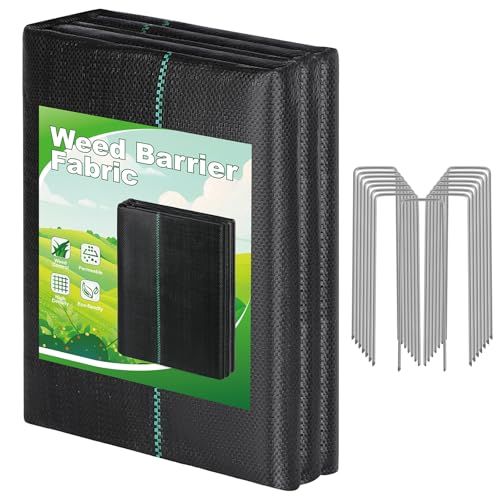
FEED GARDEN 4FT x 50FT Heavy Duty Weed Barrier Fabric

Vanver Weed Barrier Landscape Fabric 1.4FT x 50FT

PLANTMEW 30,000+ Moss Rose Seeds (Portulaca)

KCT GARDEN Creeping Thyme Seeds 20,000+ (Purple)
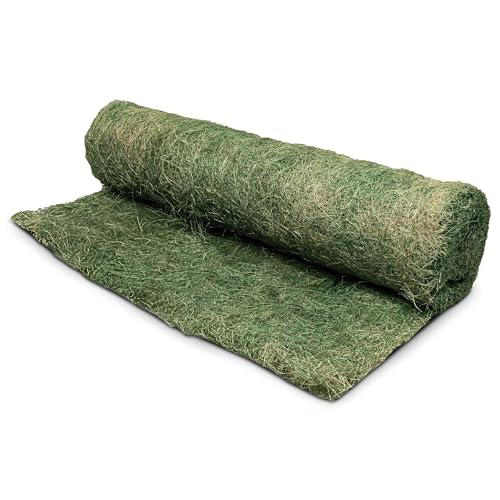
DeWitt Single Net Excelsior Blanket 4×112.5 Ft
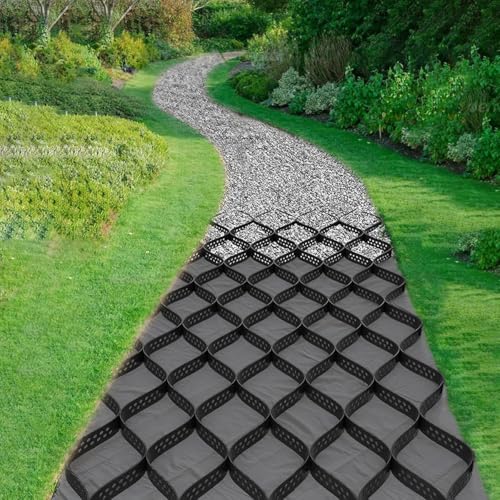
MIWOOYY 2″ Gravel Ground Grid 4ft x 40ft

Vanver 3ft x 300ft Landscape Fabric with Grid
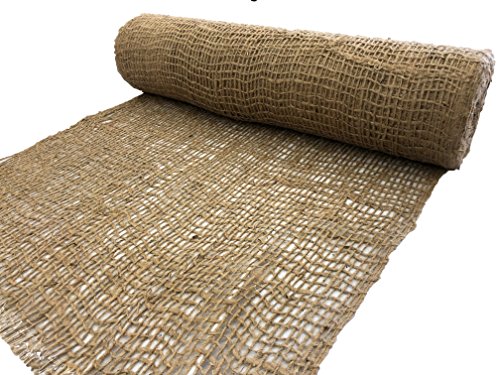
AK Trading Jute Soil Saver Mesh Blanket 48″ x 60 ft

Farm Plastic Supply Straw Erosion Blanket 7.5′ x 112.5′

EquSym 30,000 Red Creeping Thyme Seeds
More On The Choices That Made The List
Woven geotextile (a tough, permeable plastic fabric used to separate soil and gravel) is the workhorse option for most slope prep, and FEED GARDEN’s 4-by-50-foot roll lands in a beginner-friendly size that handles a single bed or short hillside run without leftover waste. Compared with the narrow Vanver roll below, this one gives you wider coverage per strip and ships with 15 staples, which removes a separate shopping trip for most people.
On a gentle to moderate grade, you’ll want to overlap seams by 4 to 6 inches and anchor every 18 inches or so, otherwise water finds the gaps and the fabric shifts over a wet season. For most home gardens, that’s a manageable weekend.
Real Benefits
- Woven construction lets water through while blocking most weed germination, which protects seedlings on a slope.
- Staples are included, so you can finish a small project without ordering pins separately.
- 4-foot width matches standard raised bed dimensions, reducing trimming and waste.
- For most backyard slopes, 50 linear feet is a useful starter size that doesn’t overwhelm a first-time installer.
Worth Noting
- Owners commonly report that UV exposure breaks down exposed fabric over a couple of seasons, so plan to cover it with mulch or decorative stone.
- On very steep grades, you’ll likely need more staples than the 15 included for a secure hold.
Key Specs
Best Suited To
First-time landscapers prepping a new raised bed or a small slope section who want staples bundled in.
Skip It When
Your project runs longer than 50 feet, where the Vanver 3ft x 300ft Landscape Fabric will save you on seams.
The Vanver 1.4-foot strip looks almost too narrow at first glance, but for narrow vegetable rows, raised-bed borders, or path edges, that slim width becomes a strength. It slides between plants without smothering the roots, and the 3.2-ounce woven weight feels sturdier in hand than the lighter, paper-thin fabrics you find at the discount end.
Where the FEED GARDEN roll spreads wide for a single bed, this one is your trim-fitting tool for tight lines. For most gardeners layering it under gravel or mulch, it’s a quiet helper rather than the headline material.
The Good Stuff
- Narrow 1.4-foot profile fits paths, bed edges, and between-row strips without wasteful overlap.
- 3.2-ounce fabric weight suggests a sturdier construction that resists tearing when you pull it taut on a slope.
- Woven plastic blend supports water penetration, which matters when rain runs downhill and you want it to soak in, not sheet off.
Points To Note
- The narrow width means more seams on a wide bed, so install time grows on larger projects.
- Staples are not included, so add those to your order before you start pinning.
Whose Shelf It Belongs On
Vegetable gardeners who want clean rows and weed-free path strips without wrestling a wide roll into a tight bed.
A Better Fit Elsewhere
For a full hillside, the Vanver 3ft x 300ft Landscape Fabric gives you continuous coverage and fewer seams.
Fabric holds the soil; living plants finish the job. Moss rose (Portulaca grandiflora) is a succulent-style annual that thrives in poor, dry, sun-baked ground, the exact conditions that punish most lawn grass on a south-facing slope. PLANTMEW’s 30,000-seed pack gives you enough density to scatter a generous area and thin later if germination runs heavy.
Where the FEED GARDEN and Vanver fabrics are mechanical solutions, this one is biological. For most gardeners in USDA zones 8 through 11, you can expect bloom peaks in midsummer with colors running from white through pink, yellow, and orange.
Reasons It Performs
- Drought-tolerant once established, which means less watering during dry spells on a slope that’s hard to irrigate evenly.
- 30,000+ seed count supports dense coverage of larger patches without breaking your budget.
- Low-growing, spreading habit naturally fills gaps and shades out weed seedlings.
Honest Caveats
- As an annual, you may need to reseed yearly in colder zones, since the plants won’t survive a hard frost.
- Seeds are very fine, so mixing with sand for even sowing is a practical step many gardeners skip and regret.
Right Fit For
Garden owners in hot, dry climates who want color on a south-facing slope without an irrigation system.
Reach For A Different Pick When
You want a permanent, no-mow evergreen mat, where KCT GARDEN Creeping Thyme (or any thyme) is the better perennial route.
Creeping thyme is the classic “plant it and walk away” slope answer, and KCT GARDEN’s 20,000-seed pack leans into the purple-blooming side of the family. Unlike PLANTMEW’s annual approach, thyme behaves as a short perennial in most temperate zones, so you establish once and enjoy several seasons of low mats and summer flower.
You trade patience for permanence. Germination runs slow, and full coverage takes more than one growing season, but the mat handles light foot traffic, which is rare for a flowering slope option.
Benefits That Matter
- Perennial habit means you plant once and the mat thickens each year, which is exactly what an eroding slope needs.
- Pollinator-friendly blooms support bees during summer when nectar sources thin out on dry hillsides.
- Drought tolerance suits the same hot, lean soils where moss rose excels, but with a longer lifespan.
Some Limits To Know
- Thyme seed is tiny, so dividing the packet with sand or fine peat is a practical step most gardeners overlook the first time.
- Full coverage typically takes a full growing season or more, so don’t expect a finished carpet in year one.
Who Will Love This
Patient gardeners who want a permanent flowering mat on a sunny slope and don’t mind a slow start.
Swap It Out When
You’d rather see red blooms and faster fill, where the EquSym Red Creeping Thyme seeds deliver similar benefits with a different color.
Excelsior blankets are the construction-site cousin of the home garden weed fabric, and DeWitt’s single-net roll is built for serious erosion work. Curled aspen wood fibers are stitched under a photodegradable (breaks down in sunlight over time) top net, so the blanket holds seed and soil in place through the first critical months and then fades away as vegetation takes over.
Compared with the FEED GARDEN woven fabric above, this is a more purposeful slope tool. It costs more per square foot, but for a steep ditch or freshly graded embankment, the difference in performance shows up the first time it rains hard.
Strong Points
- Aspen excelsior fibers mat together to create a natural mulch layer that holds moisture around new seed.
- The 4-by-112.5-foot roll covers serious ground, so you finish a long embankment with one continuous piece.
- Photodegradable netting breaks down after establishment, so there’s no permanent plastic left in the soil.
Practical Considerations
- You’ll need to stake this down properly, since loose blankets wash off a slope faster than you’d think.
- Wood fiber construction is meant to decompose, so this is a temporary solution rather than a permanent mulch.
Feature Card
Built With In Mind
Property owners reclaiming a steep embankment after grading or drainage work who need serious slope armor for one to two seasons.
Where A Sibling Pick Shines
For lighter, residential seeded slopes, the Farm Plastic Supply straw blanket is a more budget-friendly alternative.
Geocells are a different category entirely. The MIWOOYY grid is a 2-inch deep HDPE (high-density polyethylene, a tough flexible plastic) honeycomb panel you expand on the slope, fill with gravel, and lock into place. The cell walls keep each stone from migrating downhill, so your gravel path or parking pad actually stays put over a wet season.
Where woven fabric is a soft armor layer, this is structural. For most homeowners, it makes sense only where you need to drive or park, otherwise the FEED GARDEN or Vanver fabrics are simpler answers.
Where It Excels
- 2-inch depth supports stable gravel surfaces for walkways, RVs, and light vehicle traffic on grades.
- HDPE construction handles temperature swings and UV without becoming brittle the first winter.
- Expandable panel design lets you cover odd-shaped or sloped areas without custom cutting.
A Few Limitations
- Gravel fill adds to material cost beyond the grid itself, since the cells need stone to do their job.
- Ground prep is more involved than fabric, with leveling and edge restraint typically required for a clean install.
Made For
Homeowners building a gravel drive, RV pad, or stable walkway on a sloped section where loose stone alone won’t hold.
Consider Something Else When
You’re planting a slope, since the AK Trading Jute Soil Saver is a better seed-friendly option for live ground cover.
The same Vanver woven construction from item 2, scaled up to a 300-foot roll with a printed planting grid. That 13.4-inch grid line pattern is a small but useful detail: it acts as a layout guide for vegetable spacing and bed alignment, which removes one more tool from your install kit.
For most large hillside projects, 300 feet of continuous coverage means fewer seams and fewer places where water can sneak under. Compared with the FEED GARDEN 50-foot roll, this is the same idea at a meaningfully different scale.
Everyday Advantages
- 300-foot length suits long, continuous slope runs where seams would otherwise collect debris and weeds.
- Printed grid pattern speeds up plant layout and bed alignment during the first season.
- Tear-resistant material holds up under foot traffic during install, which matters when you’re hauling stone or mulch on top.
Trade-Offs To Consider
- Storage of a 300-foot roll takes space, and a heavy roll is awkward to maneuver solo on a slope.
- Grid lines only help if your layout matches the spacing, otherwise they’re just visual noise.
Right Fit For
Anyone managing a serious hillside or long property line who wants a single, mostly seamless install.
Not Your Match When
You’re only doing one or two beds, where the FEED GARDEN 4FT x 50FT is easier to handle and won’t leave you with leftover material.
Jute is the most “leave-no-trace” option in this list. AK Trading’s open-weave mesh (a loosely woven net designed to let shoots grow through) holds seed and soil in place through germination, then breaks down into the soil as the root system fills in. The 48-inch width and 60-foot length make sense for short slope sections or repair patches.
Compared with the DeWitt excelsior blanket above, jute is lighter, more open, and degrades faster. For most gardeners, that means less immediate slope protection but cleaner long-term results.
Where It Delivers
- Natural jute fiber decomposes at the end of its useful life, leaving no plastic in the soil.
- Open mesh allows grass and ground cover shoots to grow through without girdling (strangling the stem as it expands).
- 240 square foot roll suits a focused repair area rather than a full property overhaul.
Things To Weigh
- Open weave offers less surface protection than excelsior, so it’s a poor fit for very steep, fast-draining embankments.
- Jute breaks down in one to two growing seasons, so plan for a permanent cover to take over quickly.
Who Should Grab It
Eco-focused gardeners establishing a permanent seed mix on a moderate slope who want everything to disappear into the soil.
Look Elsewhere When
You need a longer-lasting erosion mat, where DeWitt’s Excelsior Blanket covers more aggressively through the first year.
Straw blankets are the contractor’s go-to for freshly seeded slopes, and Farm Plastic Supply’s 7.5-by-112.5-foot roll covers about 844 square feet in a single pass. The straw fibers absorb raindrop impact, hold moisture around germinating seed, and break down as the lawn or wildflower mix takes over.
Compared with the AK Trading jute mesh, this blanket is denser and longer-lasting, which is exactly what you want when seeding a brand-new slope that hasn’t had time to root yet. For most first-year establishment projects, it’s a sensible middle ground between jute and excelsior.
Key Advantages
- Straw fibers absorb rainfall impact, which protects seed and bare soil during heavy storms.
- Wide 7.5-foot roll covers broad slopes quickly, reducing install time on big projects.
- Moisture retention under the blanket supports germination during dry stretches in the first weeks.
Where It Is Less Suited
- Dense straw is heavier than jute mesh, so installing on a steep pitch is real work without helpers.
- Some gardeners find stray wheat or grain seeds sprouting from the blanket, depending on the source material.
Perfect Match For
Homeowners seeding a large, newly graded embankment who want one material to handle moisture and erosion through establishment.
Another Choice May Suit
For a smaller repair patch, the AK Trading Jute Soil Saver is lighter and easier to position solo on a tricky grade.
Thymus praecox, often sold as red creeping thyme, finishes the list with a living option for those who want color without flowers in the traditional perennial sense. EquSym’s 30,000-seed bulk pack is sized for broad coverage, and the lavender-red summer carpet is the visual payoff for the slow establishment work.
Compared with the KCT GARDEN purple thyme, this one leans into a warmer color profile. For most gardeners choosing between the two, the decision is really about bloom color and seed count rather than growth habit.
The Helpful Details
- Red creeping thyme handles the same poor, dry soils where lawn grass struggles, making it a real lawn alternative.
- 30,000-seed pack covers meaningful square footage, which matters when you’re replacing a section of grass.
- Maturing plants tolerate light foot traffic between pavers or along a path edge.
Soft Spots
- Germination typically runs two to four weeks, and full coverage takes several months, so patience is part of the deal.
- Tiny seed size means you’ll want to mix with sand or peat for an even spread, otherwise clumping is common.
The Right Fit
Homeowners ready to retire a patch of lawn on a sunny slope in favor of a low, flowering ground mat.
Where Another Pick Suits Better
For purple blooms and the same evergreen mat, the KCT GARDEN Creeping Thyme is the closest alternative in this list.
What To Match Your Slope Against Before You Choose
A slope is a slope until you measure it, and the answer changes fast. Gentle grades under 15 degrees can take seed and woven fabric without drama, while anything past 30 degrees typically needs structural reinforcement, a permanent plant mat, or both.
The substrate underneath matters as much as the cover on top. Sandy soil drains fast and washes easy, which favors deeper-rooted plants like thyme over moss rose. Clay holds water but sheds it in sheets, which is where excelsior or straw blankets earn their keep during the first season.
Finally, think about the long game. Annual seed options like PLANTMEW’s moss rose deliver fast color but need reseeding. Perennial thyme takes a year to fill in but becomes self-sustaining. Woven fabric and geocells are infrastructure that lasts multiple seasons if you cover them with mulch or stone. Picking by goal, not just by what’s on sale, saves a redo.
Key Considerations Across These Picks
Common Buying Traps
A frequent mistake is buying fabric without enough staples, or skipping them entirely. On a flat bed that’s mostly cosmetic, fewer anchors work. On a slope, every gap becomes a runway for water and a starting point for the whole sheet to slide downhill. Buy more staples than you think you need.
Another trap is treating woven landscape fabric like a permanent mulch surface. UV exposure breaks most woven products down over a season or two, so the honest expectation is a base layer under stone, bark, or gravel, not the finished look.
What The Higher Tier Buys
Premium erosion blankets cost more because the fiber composition is denser and the netting is engineered to last through the first full establishment year. For a small garden bed, that extra cost rarely shows. For a long slope or steep ditch, the difference between a basic straw mat and a structured excelsior blanket is whether your seed is still there after the first heavy storm.
Frequently Asked Questions
How steep is too steep for ground cover seed?
Most ground cover seeds establish on slopes up to about 20 degrees without help. Past that, you typically need a seed-friendly erosion blanket like the Farm Plastic Supply straw roll or jute mesh to keep the seed in place until roots anchor it.
Can I lay landscape fabric directly on a slope without removing the grass?
You can, but the existing grass will decompose unevenly under the fabric, which creates lumps and air pockets. For most slopes, removing the top growth first and raking the surface smooth gives you a flatter, more stable base.
How long do erosion control blankets last?
It depends on the material. Jute mesh typically breaks down within one to two growing seasons, straw blankets last roughly one to two seasons, and excelsior blankets can hold up through the first full establishment year before fibers start to decompose.
Is creeping thyme a good lawn replacement on a slope?
Thyme is one of the better slope-friendly lawn replacements, especially in full sun and well-drained soil. It’s slower to fill in than grass, so plan for a partial lawn look during the first growing season and full coverage by year two.
Do I need to anchor ground cover fabric on flat ground too?
Anchoring is less critical on flat ground, but on any slope, the fabric should be pinned at least every 18 to 24 inches along edges and seams. Skipping this step is the most common cause of fabric sliding downhill after a heavy rain.
Closing Remarks
A slope doesn’t have to be the part of the yard you avoid. Match the material to the grade, your climate, and how much you want to water, and the right ground cover turns a problem area into one of the more interesting features in the landscape. The list above gives you options across woven fabric, structural grid, biodegradable blanket, and living seed, so you can mix and match by section. Start with the steepest piece, get comfortable with the install method, and expand from there.
