

A weekend spent pulling crabgrass out of petunias is a weekend nobody wants. Landscape fabric quietly does the dirty work under your mulch, blocking the sunlight weed seeds need while still letting rain and irrigation reach the roots of the plants you actually want. The right roll depends on the size of your bed, the weight of the fabric, and whether you need it to last one season or several.
A Closer Look At The Lineup

UWIOFF Heavy Duty Weed Barrier Fabric 4ft x 50ft

Land Guard Weed Barrier Fabric 4ft x 300ft
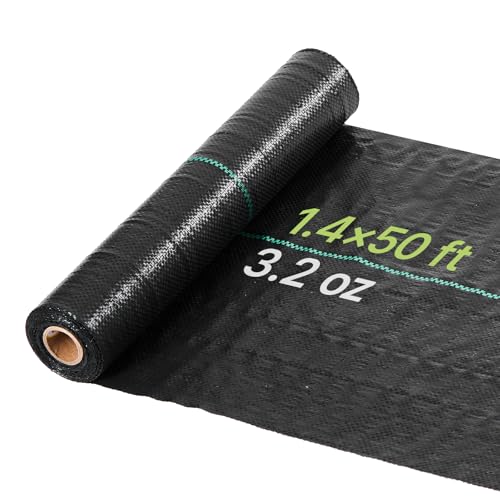
VEVOR 3.2oz Weed Barrier Fabric 1.4x50FT
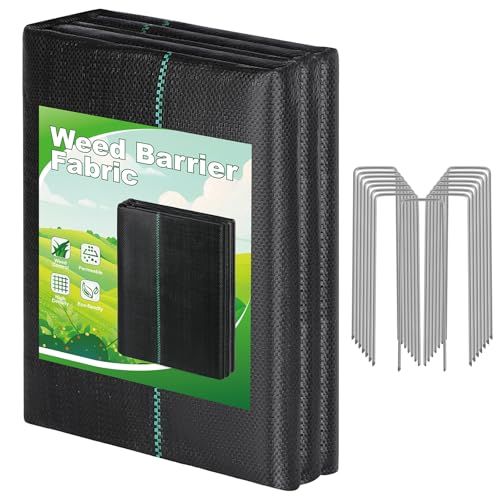
FEED GARDEN Heavy Duty Weed Barrier 4FT x 50FT

CFTEL Weed Barrier Landscape Fabric 3x50FT

Vanver Premium Weed Blocker Fabric 2.8FT x 50FT
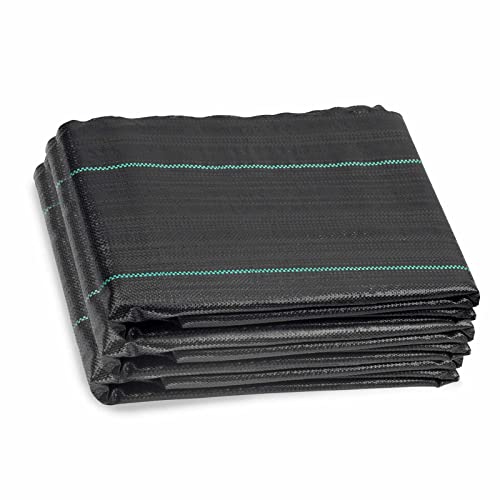
Groweco Heavy Duty Weed Barrier Fabric 6ftX50ft
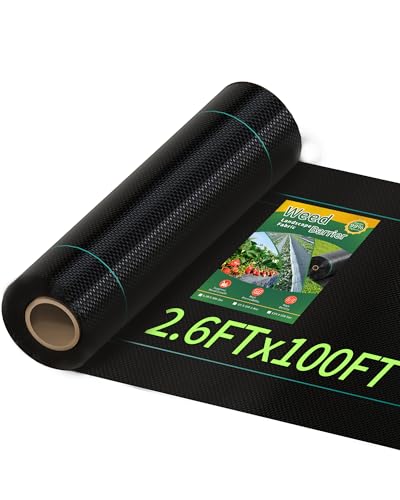
Pterying Weed Barrier Fabric Heavy Duty 2.6ftx100ft

JOYSWAN Weed Barrier Landscape Fabric 3x50FT
More On The Choices That Made The List
The UWIOFF roll lands at a friendly size for first-time landscapers, with a 4-foot width that unrolls cleanly along a small flower border without much wrestling. Cut it with a utility knife, pin it with a few staples, and cover it with two inches of mulch, and the bed stays tidier through the growing season.
It works best in established beds where you are refreshing mulch rather than redoing a full yard. Compared to the wider rolls later in the list, this one trades coverage for easy handling.
Real Benefits
- Light enough to carry one-handed, so solo gardeners can lay it without a helper
- 4ft width matches a typical backyard flower border, limiting awkward seams
- Cut-to-fit sizing keeps leftover scrap to a minimum on oddly shaped beds
- Compatible with standard mulch, gravel, or decorative stone top layers
Things To Consider
- At 50 feet long, larger properties will need more than one roll and extra seam work
- Lighter fabric can shift under mulch if not pinned thoroughly at the edges
Key Specs
Who It Suits Best
First-time landscapers refreshing a small front-yard border or a single raised flower bed.
Consider Something Else When
Properties needing continuous coverage should reach for the Land Guard 4ft x 300ft roll instead, since it covers far more linear footage per purchase.
The Land Guard roll is the long-haul option of the group, stretching 300 feet for whole-yard installs or a long stretch of side garden. Its 4-foot width keeps the seams manageable while you work your way down a fence line or around a vegetable plot.
Where UWIOFF favors quick weekend projects, this fabric is built for gardeners laying out an entire landscape in one pass. Permeability matters here, since the woven design lets irrigation and rainfall reach the soil beneath without pooling on top.
Well-Handled Touches
- 300ft length covers long fence lines or multi-bed layouts in a single purchase
- Woven construction balances light blocking with water permeability for healthier roots
- 4ft width makes it manageable to roll out without dragging a heavy, floppy sheet
Points To Note
- Full roll weight is substantial, so plan a wheelbarrow or cart to move it to the work area
- Color and weight are not separately itemized, so confirm specs on the listing before ordering
Feature Snapshot
Made For
Homeowners with long fence-line beds, big side yards, or anyone replacing fabric across a full landscape in a single weekend.
Look Elsewhere When
You only need a few feet of fabric for a small project, since the Groweco 6ft x 50ft roll keeps a tighter, more practical footprint.
VEVOR’s 1.4-foot width solves a specific problem: tight strips of soil between a walkway and a foundation, or narrow vegetable rows where wider fabric just creates wasted overlap. The 3.2-ounce weight is on the heftier end of the spectrum, lending extra puncture resistance against gravel and edging stones.
This is the roll to grab when a wide sheet would bunch up in the corners. Smaller beds and path-side borders benefit from a strip that lays flat right out of the package.
Reasons It Performs
- 3.2oz woven polypropylene resists tearing during install around stones and roots
- 1.4ft width lays flat in narrow bed strips without overlap or bunching
- 50ft length fits several small beds along a single fence or foundation line
Trade Offs
- Narrow width means more seams on wider flower beds, which adds pin-down time
- Heavier fabric can be stubborn to reposition once laid flat
At A Glance
Best Suited To
Gardeners with tight planting strips, side-yard paths, or narrow foundation borders where a wider roll would be wasted.
Reach For A Different Pick When
You are covering a full backyard bed, since the FEED GARDEN 4ft x 50ft roll covers much more area per cut.
FEED GARDEN ships its 4 by 50-foot fabric with 15 garden staples in the box, which removes the second-trip-to-the-store problem most first-time installers run into. The kit framing makes it a natural match for raised beds, where the edges need solid pinning to keep soil from spilling.
It functions just as well in-ground, but the included staples shine on timber or metal raised frames where fabric tends to slip. Compared to UWIOFF’s no-frills roll, the addition of fasteners is the practical edge here.
The Case For It
- 15 included staples save a separate purchase and arrive sized to the fabric
- Woven geotextile supports water infiltration, keeping raised bed soil from going bone-dry
- 4 by 50ft dimensions fit a single mid-size raised bed without leftover waste
Honest Caveats
- 15 staples cover only the perimeter of a small bed, so larger layouts need extras
- Fabric weight is not separately itemized in the listing, which matters for heavy gravel use
Who Should Grab It
First-time raised bed builders who want pins in the box and a single purchase to finish a basic install.
Swap It Out When
Your project involves a long gravel drive, where the CFTEL 3x50FT geotextile roll is built for heavier load-bearing work.
CFTEL is the workhorse of the roundup, built for projects where the fabric has to hold up under gravel, foot traffic, or French drain installations. The 3.2-ounce geotextile weight is a meaningful upgrade over thinner consumer-grade cloth, and the polypropylene construction is engineered for long-term soil contact.
It works fine in a standard flower bed, but its real strength shows up under driveways and drainage lines where cheaper fabric would compress or tear. Compared to the FEED GARDEN kit, this roll trades convenience accessories for a more durable base material.
Features That Help
- 3.2oz geotextile weight handles gravel and aggregate without tearing
- Polypropylene build tolerates sustained soil contact across multiple seasons
- Suitable for French drains, yard driveways, and heavier landscaping applications
Points To Keep In Mind
- Staples are not included, so plan to source landscape pins separately
- Heavier fabric is harder to cut cleanly with basic household scissors
Quick Facts
Perfect Match For
Homeowners installing a French drain, a gravel path, or a driveway underlayment where standard cloth would fail.
Skip It When
You are working a small decorative flower bed and would benefit more from the UWIOFF 4ft x 50ft roll’s easier handling.
Vanver’s 2.8-foot width sits between the narrow VEVOR strip and the wider residential rolls, making it a natural match for foundation borders and front-yard accents where a 4-foot sheet would drape into the lawn. The plastic-and-woven hybrid construction aims to block light aggressively while still allowing moisture to pass.
It plays well with mulch and stone topdressing, and the 50-foot run handles most single-bed projects without leftover scrap. For gardeners who measure beds in feet rather than acres, this is a comfortable middle ground.
Positive Takeaways
- 2.8ft width suits mid-size borders without overlap into turf
- Plastic-and-woven hybrid targets aggressive weed blocking
- 50ft length fits one or two front-yard beds in a single roll
Worth Noting
- Listing does not break out fabric weight, so verify on the product page before heavy use
- Hybrid plastic construction may retain more heat in full sun than pure woven cloth
Right Fit For
Gardeners refreshing front-yard foundation beds where a standard 4-foot roll would be wider than the bed itself.
Another Choice May Suit
Wider installations should look at the Groweco 6ft x 50ft roll, which covers broad beds in fewer seams.
Groweco’s 6-foot width is the broadest in the roundup, designed to span a wide flower bed or island planting with a single pass. The 3.2-ounce polypropylene build puts it in the same durability tier as the CFTEL roll, and the green alignment stripes help with straight installation across long runs.
For a large backyard island or a curving border that needs broad coverage, the width saves significant seam work. It is heavier to manage than narrower rolls, so a second set of hands helps during the unroll.
Bright Spots
- 6ft width covers wide beds in a single sheet, reducing seam exposure
- 3.2oz polypropylene build matches heavier geotextile grades
- Green alignment stripes simplify straight, even installation
Some Limits To Know
- Wider sheet is awkward to maneuver solo around tight garden corners
- Full roll is heavy, so transportation to the work site takes planning
Who Will Love This
Homeowners with broad backyard island plantings or wide curving borders where fewer seams matter most.
A Better Fit Elsewhere
Gardeners laying out narrow planting strips should look at the VEVOR 1.4ft x 50ft roll, which handles tight spaces more gracefully.
Pterying trades width for length, offering 100 feet of fabric in a 2.6-foot strip. The 2.4-ounce polypropylene is mid-weight, designed for general flower bed and vegetable garden use without the heavier geotextile price point.
It is a sensible match for side-yard borders or long thin vegetable patches where width is not the goal. The woven design supports soil permeability while blocking the sunlight that fuels weed seed germination.
Useful Touches
- 100ft length covers long side-yard borders without reordering
- 2.4oz woven polypropylene balances durability and easy handling
- 2.6ft width fits standard bed-edge layouts with minimal overlap
Trade-Offs To Consider
- Lighter weight than the 3.2oz geotextile options, so less suited for gravel or driveway use
- No staples included, which adds an extra item to the shopping list
Built With In Mind
Side-yard borders and long, thin vegetable plots where length matters more than width.
Not Your Match When
You need load-bearing fabric for a gravel path, since the CFTEL 3.2oz roll is engineered for that workload.
JOYSWAN offers its fabric in multiple size options, which makes it a flexible pick when you are not sure how much coverage you actually need. The 3 by 50-foot configuration here is a common middle ground, suitable for flower beds, vegetable patches, and even driveway underlayment in a pinch.
The high-density woven polypropylene targets a balance between light blocking and water permeability, so the soil underneath stays active. If you have a mixed garden with both planting areas and pathway strips, this is a safe default to keep on the shelf.
What Pays Off
- Available in multiple sizes, so you can match the roll to the project scope
- Woven polypropylene keeps moisture moving through to plant roots
- Cuts easily to fit irregular bed shapes around stepping stones or sprinkler heads
Practical Considerations
- Staples and pins are not included, so add them to the cart separately
- Generic weight class means verify the GSM or ounce rating on the listing for heavy use
Whose Shelf It Belongs On
Gardeners juggling multiple projects who want one adaptable roll that fits beds, paths, and patch repairs.
Where A Sibling Pick Shines
All-in raised bed builders should choose the FEED GARDEN 4ft x 50ft kit for the included staples.
Picking The Right Weed Barrier For Your Beds
The first decision is width, since it determines how many seams end up in your finished bed. Measure the longest stretch of bare soil, then match the roll width so a single sheet covers it without overlap into the lawn. Length comes next, and most flower bed projects land between 50 and 100 feet per roll, while full-yard installs benefit from the longer 300-foot options.
Fabric weight matters more than most shoppers expect. Heavier cloth (3.2 ounces or more) is a woven geotextile, which is a tough, permeable fabric designed for soil separation and load-bearing applications like gravel paths. Lighter weights (around 2.4 to 2.8 ounces) are easier to handle and work fine under mulch in standard flower beds. The trade-off shows up in longevity and puncture resistance.
Permeability is the third key attribute, since the fabric has to block sunlight while still allowing water and air to pass through to the roots. Woven polypropylene designs generally balance both well, while plastic-heavy hybrids may shed water off the surface rather than letting it soak in.
Matching Roll To Project
A small flower border under fifty square feet pairs well with a 4 by 50-foot roll, and a few staples handle the perimeter. Raised beds benefit from a kit that includes pins, so the edges stay anchored. Driveways, French drains, and gravel paths call for heavier geotextile cloth that can hold up under load without tearing.
Key Considerations Across These Picks
Mistakes Worth Dodging
The most common slip is buying a roll that is too narrow for the bed, which forces extra seams that weeds eventually find. Measure the bed width before ordering, and remember that a 4-foot sheet needs at least four feet of clear bed to lay flat. Another frequent error is skipping the staples, since mulch alone is not heavy enough to keep lighter fabric pinned through wind and rain.
Where The Extra Money Goes
Higher ounce ratings and true geotextile constructions add cost, but they buy you puncture resistance and longer service life under gravel or foot traffic. For a basic flower bed refreshed each spring, a mid-weight woven roll handles the workload without the upgrade. Spending up makes sense the moment the fabric goes under stone, underfoot, or in a spot you do not want to revisit every season.
Frequently Asked Questions
How long does weed barrier fabric last under mulch?
Most woven polypropylene rolls last several growing seasons under mulch, though owners commonly find that fabric left exposed to direct sunlight degrades faster. Topping the fabric with two to three inches of mulch or stone extends its service life significantly.
Can I lay landscape fabric over existing weeds?
The fabric blocks new growth by cutting off sunlight, but established weeds with deep roots may push through thinner material. Removing or cutting down existing growth before laying the fabric gives a cleaner long-term result.
Do I need to use staples?
Staples keep the fabric flat during install and prevent wind from lifting the edges before mulch is added. For small beds, a few staples at the perimeter and seams are usually enough.
Will water reach my plants through the fabric?
Woven polypropylene is permeable, meaning it allows water and air to pass through to the soil beneath. Plastic-heavy or non-woven barriers may shed water off the surface, so check the material spec before installing over thirsty plants.
Can I use leftover fabric for pathways?
Yes, the heavier geotextile rolls like the 3.2-ounce options are well-suited for pathways and driveways, while lighter weights work for occasional garden stepping paths. Adding a layer of gravel or wood chips on top improves traction and extends fabric life.
The Takeaway
Weed barrier fabric is one of those quiet upgrades that pays you back every time you walk past a clean flower bed. Match the roll width to your bed, the weight to your topdressing, and the length to your total coverage, and the rest of the install is mostly cutting and pinning. A weekend of setup saves weekends of weeding for seasons to come.
