

Microgreens turn a sunny windowsill into a tiny harvest, and the medium you grow them in shapes everything from flavor to cleanup. Picking between soil, coco coir, hemp mats, and soilless mesh setups gets confusing fast, especially for beginners who just want clean trays and consistent germination. This guide walks through nine options worth your attention, with real trade-offs in mind. Whether you’re sprouting radish for weeknight salads or scaling up a small home setup, the right medium matters more than the seed variety.
Your Options, Compared

Home Microgreen Germinating Growing Paper 7.8″ x 11.4″ (150 Pack)

Legigo 10 Pack Seed Sprouter Trays Kit
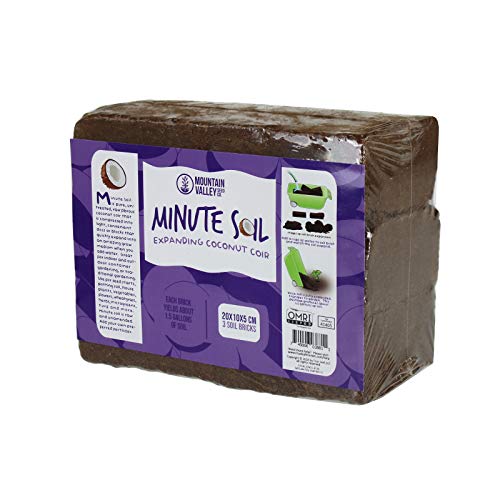
Minute Soil Compressed Coco Coir Fiber Grow Medium (3 Bricks)
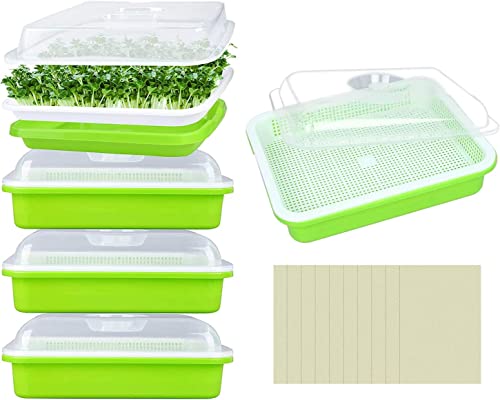
Legigo 5 Pack Seed Sprouter Trays with Lids

Back to the Roots Organic Microgreens Grow Kit

LUVCOSY Microgreen Growing Trays with Humidity Dome (4 Pack)
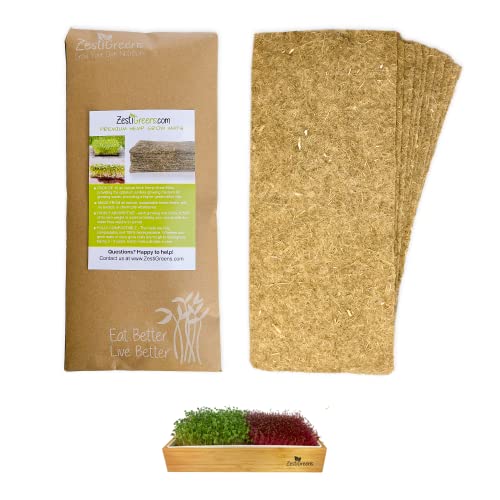
ZESTIGREENS Hemp Mats for Microgreens (10 Pack)
TCYPUHL 2-Tier Stainless Steel Sprouting Tray Kit

RMBHM 6 Pack Microgreens Growing Kit with Hemp Mats
More On The Choices That Made The List
Plain paper sheets do the unglamorous work of holding moisture around seeds while letting roots breathe, and Home Microgreen’s 150-pack covers months of steady sowing. Each sheet measures roughly 7.8 by 11.4 inches, trimmed to fit standard 13.4 by 9.8-inch germination trays, so you cut or fold rather than wrestle oversized material. The biodegradable composition keeps cleanup quick, which matters when you’re cycling through radish and broccoli trays on a weekly rotation.
For most home growers starting out, paper eliminates the mess of loose soil and the learning curve of coco coir hydration. It’s a quieter option that gets out of the way and lets seed quality drive results. Compared to the Legigo kit that follows, this one focuses purely on the growing medium, leaving tray choice up to you.
The Practical Payoff
- 150-sheet count means low replacement frequency for steady growers
- Fits common 13.4″ x 9.8″ trays after simple trimming
- Biodegradable material simplifies post-harvest cleanup
- No soil means fewer fungus gnats in indoor setups
- Uniform sheet thickness keeps moisture distribution consistent across the tray
Things To Consider
- Trays are not included, so you’ll need to source those separately
- Paper can dry faster than soil-based media in warm, dry rooms
Key Product Details
Right Fit For
Home growers who already own germination trays and want a low-mess, paper-based medium they can swap out quickly between plantings.
Look Elsewhere When
You need an all-in-one setup with trays included, in which case the Legigo 10 Pack Seed Sprouter Trays Kit is the better starting point.
Legigo’s 10-pack pairs inner mesh trays with bottom reservoirs and includes planting paper so you can start sowing right away. Each tray measures around 13 by 9.85 inches with a 1.46-inch depth, giving seeds enough vertical room to root without taking over a countertop. The water-only approach removes soil from the equation entirely, which simplifies daily maintenance for newcomers.
Where the Home Microgreen paper is just the medium, this kit delivers the full hardware package at a modest per-tray cost. You may find the included paper thinner than standalone options, but the convenience of matching trays and sheets in one box offsets that for first-time growers. It’s a practical middle ground between buying everything separately and investing in stainless steel.
Where It Helps
- Ten trays plus ten planting papers in a single package
- Two-part design separates roots from standing water cleanly
- Water-only method suits beginners avoiding soil mixes
- Generous tray footprint accommodates most seed varieties
Worth Noting
- Plastic construction may show scuffing after repeated wash cycles
- Lids are not included, so humidity control requires a separate cover or dome
- Without a dome, germination can be uneven in drafty rooms
Made For
Budget-conscious growers who want a complete tray-and-medium starter kit without researching components individually.
Consider Something Else When
You want built-in humidity control, which the Legigo 5 Pack Seed Sprouter Trays with Lids provides at a smaller pack size.
Coco coir is a fibrous material derived from coconut husks, valued for holding moisture while still draining well, and Minute Soil ships it compressed into lightweight bricks. Three bricks rehydrate to roughly 4.5 gallons of usable medium, which means a closet-friendly storage footprint until you add water. The peat-free composition matters for growers who want a renewable alternative to traditional peat-based mixes.
Unlike the paper and mesh options higher on this list, coir behaves like soil: you spread it, press seeds into the surface, and mist. That familiarity appeals to gardeners transitioning from outdoor beds. The trade-off is prep time, because the bricks need soaking and fluffing before they become a workable medium.
Useful Strengths
- Expands to about 4.5 gallons from three compact bricks, easy to store dry
- Peat-free and OMRI-listed for growers prioritizing sustainable inputs
- Rehydrates quickly with roughly 10 cups of water per brick
- Works beyond microgreens for seed starting and houseplants
Trade Offs
- Requires prep work: soaking, draining, and fluffing before use
- Loose medium means more cleanup than mats or mesh trays
Best Suited To
Traditional gardeners who prefer a soil-like feel and don’t mind the extra hydration step before each batch of microgreens.
Reach For A Different Pick When
You want zero-prep convenience, in which case the Home Microgreen paper sheets skip the soaking step entirely.
The lidded version of Legigo’s tray kit solves the moisture-loss problem that bare trays face in dry indoor air. Each unit measures about 12.7 by 10.23 inches with a 4.95-inch total height including the dome, and the kit ships with 10 planting papers to get you through multiple rounds. Food-grade plastic construction keeps the trays reusable across many growing cycles.
Compared to the open-top 10-pack earlier, this set costs a bit more per tray but bundles humidity management into the design. For first-timers, removing the guesswork around germination often matters more than raw tray count. The taller profile also leaves headroom for taller microgreens like sunflower and pea shoots before you remove the lid.
What Works In Its Favor
- Built-in domes maintain consistent humidity for germination
- Food-grade plastic supports repeated use and washing
- Five-tray count balances capacity with storage space
- Includes 10 planting papers to start immediately
Points To Note
- Smaller pack size than the 10-pack version for the same price tier
- Domes can trap too much moisture if you skip daily venting in warm rooms
Core Details
Perfect Match For
First-time microgreen growers who want trays and humidity control in one purchase, without buying extra domes later.
A Better Fit Elsewhere
Heavier-volume growers may prefer the RMBHM 6 Pack Microgreens Growing Kit, which pairs larger trays with hemp mats.
Back to the Roots leans into presentation, packaging a ceramic planter, expandable soil, organic seeds, and a germination lid into a gift-ready kit. The ceramic vessel earns its place in a kitchen or dining area where plastic trays would feel out of place. It includes the full growing experience: seeds, medium, and a container designed to look intentional on a shelf.
Where the other picks on this list focus on volume and repeat cycles, this one treats microgreens as a decor-friendly hobby. The included soil is a compressed medium that expands with water, bridging the gap between the Minute Soil bricks and a finished small planter. You trade batch capacity for aesthetics, and that trade-off makes sense for casual growers.
The Upside
- Ceramic planter looks at home on kitchen counters or open shelving
- Organic seeds and expandable soil included out of the box
- Compact footprint suits apartments and small kitchens
- Germination lid simplifies the early sprouting stage
Honest Caveats
- Single-planter format limits how much you can harvest at once
- Ceramic needs careful handling during washing compared to plastic trays
Whose Shelf It Belongs On
Casual growers who want a compact, attractive kit for fresh garnishes rather than large weekly harvests.
Skip It When
You need multi-tray volume for continuous harvests, in which case the Legigo 10 Pack Seed Sprouter Trays Kit serves heavier demand.
LUVCOSY’s compact trays measure about 5.9 by 5.9 inches with a 1.2mm mesh that holds tiny seeds like broccoli and alfalfa without letting them fall through. Each kit ships with four clear domes featuring adjustable vents, so you control humidity without lifting the lid constantly. The BPA-free plastic addresses concerns about chemicals leaching into edible greens.
Where the Legigo trays use larger footprints for bigger harvests, these smaller squares fit windowsills where space is tight. The mesh design means you’re working without a growing medium, just seeds pressed onto the grid and water in the reservoir below. It’s a clean, modular approach that scales by adding more trays rather than switching to bigger ones.
Advantages To Know
- Small mesh holes retain tiny seeds like alfalfa and clover
- Adjustable dome vents let you fine-tune humidity as greens grow
- BPA-free plastic suits health-conscious indoor growers
- Compact tray size stacks easily in tight windowsill space
Practical Considerations
- Smaller footprint means lower per-tray yield than full-size kits
- Mesh trays need thorough brushing during cleaning to prevent residue buildup
Key Attributes
Who Should Grab It
Apartment dwellers with limited windowsill space who want to grow small batches of fine-seeded microgreens like broccoli and radish.
Swap It Out When
You want larger single-tray harvests, in which case the TCYPUHL 2-Tier Stainless Steel Sprouting Tray Kit offers more surface area per layer.
Hemp mats wick water from below, which means less daily misting and more consistent moisture across the root zone. ZESTIGREENS ships a 10-pack of thick natural-fiber mats measuring 13 by 5.5 inches, cut to fit their own hydroponic kit or trimmed to match other trays. The dense fiber structure holds together better than thin paper during harvest.
For growers already running a tray setup, these mats slot in as a reusable alternative to single-use paper. The trade-off is thickness: some seed varieties root more slowly into dense hemp than loose paper or mesh. Depending on your room humidity, you may find the wicking action reduces the need to top-water entirely.
Where It Excels
- Natural thick fiber holds up through full grow cycles
- Wicking design pulls water upward, reducing misting
- Mats cut easily to fit non-standard tray dimensions
- 10-pack quantity covers weeks of regular planting
Some Limits To Know
- Designed primarily for ZestiGreens trays, though trimming works for others
- Thicker fiber can slow root penetration for very small seeds
Built With In Mind
Soilless growers who already own a tray system and want a sturdier, reusable alternative to single-use paper sheets.
Not Your Match When
You want mats bundled with trays in one purchase, in which case the RMBHM 6 Pack Microgreens Growing Kit combines both.
Stainless steel is the heavyweight option in this category, and TCYPUHL’s 2-tier kit doubles your growing area without doubling the counter footprint. Each tier measures 10.4 by 7.67 inches, and the food-grade silicone mesh sits over a 1.89-inch-deep water tray below. The whole assembly goes in the dishwasher, which makes cleanup less of a chore than scrubbing plastic trays.
Compared to the plastic kits earlier, this one trades initial cost for long-term durability. For growers who plan to keep producing microgreens for years, the rust-resistant steel pays off through repeated cycles without warping or clouding. It’s a heavier, more permanent setup, so you want a stable spot rather than a frequently moved windowsill arrangement.
What Stands Out
- Stainless steel resists warping, staining, and odor retention
- 2-tier vertical design doubles growing area on the same counter
- Dishwasher-safe construction simplifies deep cleaning
- 0.3mm food-grade silicone mesh is gentle on delicate roots
Factors To Consider
- Heavier build makes repositioning less convenient than plastic
- Higher upfront cost than plastic tray alternatives
- Metal construction feels cold in cooler rooms without insulation underneath
Who It Suits Best
Committed growers producing microgreens regularly who want a durable, easy-to-clean setup that holds up over years of use.
Where Another Pick Suits Better
Casual or first-time growers may find the Legigo 5 Pack Seed Sprouter Trays with Lids a friendlier entry point at lower cost.
RMBHM bundles six growing trays with twelve hemp fiber mats, so you get both the hardware and the medium in a single purchase. Each tray runs 15 by 11 inches with a 2.5-inch depth, one of the larger footprints in this lineup, which gives roots plenty of room to develop before harvest. The included hemp mats slot directly in, eliminating the guesswork of matching medium to tray size.
Where the ZESTIGREENS mats earlier assume you already own trays, this kit covers that gap. Depending on your kitchen layout, the larger tray size may fit better on a wide shelf than a narrow windowsill. It sits between the casual ceramic kit and the heavy-duty stainless setup, targeting mid-volume growers who want a complete package.
What Makes Sense
- Six trays and twelve mats cover multiple staggered plantings
- Larger 15″ x 11″ footprint suits bigger seed varieties
- 2.5-inch tray depth supports root development for sunflowers and peas
- Hemp mats wick moisture from the tray below
Where It Is Less Suited
- Larger trays may not fit narrow windowsills or small shelving
- Six-tray count takes up more storage space when not in use
Feature Snapshot
Who Will Love This
Mid-volume indoor growers who want trays and hemp mats together for staggered weekly harvests without sourcing components separately.
Wrong Turns To Avoid
If counter space is tight, the LUVCOSY Microgreen Growing Trays with Humidity Dome pack four smaller trays into a smaller footprint.
Choosing The Right Medium For Your Setup
Picking a growing medium comes down to how much daily attention you want to give your trays, and what kind of cleanup you can tolerate. Soil-like media such as coco coir deliver a familiar feel but require mixing and waste disposal. Soilless options like paper, hemp mats, and mesh trays cut down on mess and let you harvest cleaner greens with less post-cycle work.
Tray design matters as much as medium choice. A flat paper sheet in an open tray works for steady growers who mist twice daily. A domed tray with mesh handles its own humidity and needs less babysitting. For high-volume production, stainless steel tiers hold up to constant washing and repeated cycles, while plastic trays serve casual use before showing wear.
Match the medium to your seed variety too. Fine seeds like basil and amaranth demand a flat, stable surface, which mesh trays and thin paper provide. Larger seeds like peas and sunflowers push through thick hemp mats more aggressively and appreciate deeper tray profiles. For most home setups, the difference comes down to workflow: how often you want to refill, clean, and replant.
What To Watch Before You Buy
Pitfalls Shoppers Hit
The most common slip is buying trays and medium separately without checking dimensions, which leads to sheets that overhang or undershoot the tray base. Another mistake is assuming all mesh trays handle the same seed sizes; a 2mm grid drops fine broccoli seeds through, so mesh specifications matter.
A third trap is overlooking whether the medium needs pre-soaking or prep work. Coco coir bricks require hydration time, while paper and mats go straight into the tray. For most beginners, skipping the prep step entirely is worth the slightly higher material cost.
Where The Extra Money Goes
Higher-tier kits in this category typically invest in material durability and hardware refinements. Stainless steel resists warping and dishwasher cycles, while food-grade silicone mesh stays flexible over years of use. Lidded trays cost more because the dome adds manufacturing complexity but removes the need for separate humidity covers.
Whether the upgrade pays off depends on how often you grow. Weekly growers recoup the cost through longer tray life and faster cleanup. Monthly growers may find a basic plastic kit meets their needs without the premium build. The honest read is that mid-tier kits cover most home use cases, and top-tier builds suit committed, high-frequency producers.
