

A short-handled cultivator is one of those tools that quietly does the most work in a backyard. The right model turns compacted, crusty soil into something roots can actually push into, and it pulls young weeds before they ever find their footing. After digging through specs, materials, and reported behavior across dozens of models, this list narrows the field to ten hand cultivators worth your attention in 2026, from Japanese-style claw rakes to a cordless option for bigger beds.
How The Shortlist Stacks Up

TOYPOPOR 15″ Gardeners Claw Rake with Wood Handle

Nisaku NJP555 Kumade Gohondume 5 Tine Claw Rake

BARAYSTUS Rotary Cultivator Adjustable Hand Tiller
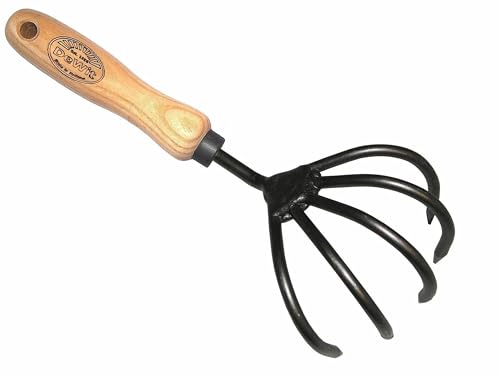
DeWit 5-Tine Hand Cultivator with Ash Handle

DeWit 3-Tine Short Handle Cultivator and Hoe

WORKPRO Hoe and Cultivator Garden Rake 14″
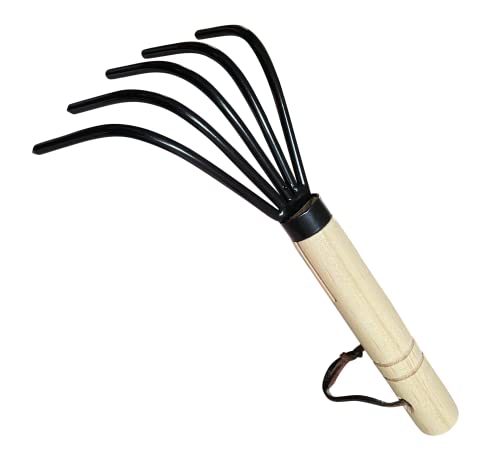
Garden Guru Hand Rake Cultivator Claw Soil Tiller

MECHEER Hand Rake Garden Tool with 3 Claws

Muylux 20V Cordless Tiller Cultivator with 2 Batteries

BARAYSTUS Hand Tiller Twist Garden Claw Cultivator
More On The Choices That Made The List
The TOYPOPOR claw rake leans into a classic Japanese-style five-tine design and aims it straight at broken-up soil. The steel head sits on a wooden handle, which keeps the tool from feeling cold in the hand during early-morning sessions. For raised beds, you can drag it through the top inch and watch compacted ground shatter into a workable texture.
What makes this one pleasant to use is how the tines dig in at a near-vertical angle, letting you work a row without flipping large clods onto neighboring plants. The handle-to-head connection looks solid for typical residential workloads, and the wood gives a slight flex that protects your wrists. You may find the aggressive tine angle is less comfortable in really hard, dry clay, where you end up pushing harder than you’d like.
Real-World Strengths
- Five pointed tines break crusted soil into small, plantable pieces in fewer passes.
- Wooden handle stays grippy when your hands are damp from morning dew.
- Compact head reaches into tight spots between established plants.
- Light enough for one-handed use in shallow containers.
Things To Consider
- Very dry, hardened soil may require pre-wetting before the tines can sink in comfortably.
- Wood handle benefits from an occasional light oiling to fend off weathering over time.
Quick Facts
Made For
Home gardeners prepping a small vegetable bed or refresh an established planting area without dragging out a full-size tool.
Consider Something Else When
The MECHEER Hand Rake Garden Tool is a lighter alternative for shoppers who want an aluminum build and fewer moving parts to maintain.
The Nisaku NJP555 is the kind of tool you hand to a detail-oriented gardener. Its high-carbon stainless steel tines stay sharp, and the 4.75-inch cultivating width lets you work in narrow rows without trampling the soil you just turned. The wooden handle is short, which is exactly what you want when you’re kneeling next to a lettuce bed with seedlings in arm’s reach.
Compared to the TOYPOPOR claw, this one trades a slightly more compact head for a steel formulation that resists rust in damp conditions. You can leave it by the back door after a misty morning and not worry about orange bloom. Depending on your soil, you may find the shorter handle less ergonomic for taller gardeners, who will end up crouching more than they’d like.
Useful Highlights
- Carbon stainless steel resists corrosion in regularly watered beds.
- 4.75-inch tine spread fits comfortably between rows of small vegetables.
- Sharpened prongs pull young weeds out by the root with little resistance.
- Compact length stores easily in a tool bag or apron pocket.
Worth Noting
- Shorter overall length means taller users may need to kneel for longer sessions.
- Sharper tines deserve a sheath or careful storage around kids and pets.
Feature Snapshot
Right Fit For
Detail-oriented gardeners working in raised beds, herb patches, or any space where precision matters more than raw coverage.
Look Elsewhere When
The DeWit 5-Tine Hand Cultivator is a better match for shoppers who want an heirloom-style ash handle and a slightly longer reach for border work.
The BARAYSTUS rotary cultivator changes the rules by giving you a long, adjustable handle and a star-shaped head that rolls through the soil as you push. The 29.7- to 57-inch length adjustment means you can stand up straight while you work, which your lower back will thank you for during a long Saturday in the garden. The four aluminum wheels at the head crush and turn the soil in a single pass.
This sits in a different category than the TOYPOPOR and Nisaku claw rakes. Those are kneel-down tools for detail work, while this one leans toward broader coverage on flat ground. Depending on how rocky your plot is, you may find the rolling head snags on buried debris more than a fixed-tine claw would.
Well-Handled Touches
- Adjustable length lets multiple household members share the tool comfortably.
- Rolling star head breaks up topsoil faster than repeated raking motions.
- Stainless steel construction holds up to repeated contact with moist earth.
- Standing operation reduces knee and back strain on bigger jobs.
Points To Keep In Mind
- Long tool is less precise around tight clusters of small plants.
- Rolling mechanism can jam on larger rocks, requiring manual clearing.
- Storage takes more vertical space than a hand-sized claw.
Best Suited To
Gardeners with mid-sized plots who want to stand while they work and don’t mind giving up some precision for speed.
Skip It When
The TOYPOPOR claw rake is a smarter pick for shoppers focused on container gardens or very tight flower borders where a rolling head would be overkill.
The DeWit 5-Tine Hand Cultivator comes from a Dutch blacksmith lineage that has been forging garden tools since 1898, and you can feel it the moment you pick the tool up. The tempered boron steel head resists bending in rocky soil, and the ash hardwood handle absorbs torque so your wrist doesn’t take the brunt. At 11 inches long overall, it lands in the sweet spot between reach and control for raised bed work.
Compared to the Japanese-style claw rakes earlier in this list, the DeWit trades some of the dramatic curve for a more workmanlike profile. The aggressive tine angle still bites into compacted earth, and the head shape is well-suited to pulling debris out of beds as you cultivate. You may find the firmer ash handle a touch harder on bare hands than the rounded wood on the Nisaku.
Advantages To Know
- Tempered boron steel head stays true under heavy use in tough soil.
- Ash hardwood handle is known for absorbing shock and lasting decades.
- Compact 11-inch length maneuvers through crowded borders and beds.
- Aggressive tines handle weeding, aerating, and debris removal in one pass.
Some Limits To Know
- Shorter handle requires close work; not ideal for standing cultivation.
- Hardwood handle benefits from occasional conditioning to prevent drying out.
Feature Rundown
Who Should Grab It
Shoppers who want a hand cultivator built for decades of use and don’t mind paying for old-world construction quality.
A Better Fit Elsewhere
The Nisaku NJP555 is a more budget-friendly alternative for gardeners who mainly need sharp tines and rust resistance for raised bed work.
The DeWit 3-Tine Short Handle Cultivator is the smaller sibling of the 5-tine model reviewed above, and it leans further into tight-space work. The three-prong head slips between onion sets and strawberry plants without uprooting the neighbors, and the design doubles as a hoe when you flip the head on its side. The 11.5-inch length is forgiving on the back during a long weeding session.
Where the TOYPOPOR and Nisaku claw rakes offer five tines and broader coverage, this one sacrifices some width for surgical control. The heat-treated boron steel head punches through crusted soil with a sharp downward thrust, and the flexible handle gives a bit of extra pull when you need to lever out tap-rooted weeds. Depending on your bed size, the smaller head does mean more passes per square foot.
Real Benefits
- Three-tine design reaches places a five-tine claw cannot comfortably access.
- Heat-treated boron steel head holds its shape under heavy levering.
- Flexible handle design adds pulling power without extra wrist strain.
- Doubles as a hoe when flipped, reducing the number of tools you carry out.
Trade Offs
- Smaller cultivating width means more passes on larger beds.
- Short handle is comfortable for kneeling work but limits leverage for tough roots.
Perfect Match For
Gardeners maintaining closely planted vegetable beds or border edges where every inch of soil matters.
Reach For A Different Pick When
The Garden Guru Hand Rake Cultivator Claw Soil Tiller is a stronger choice for shoppers with heavier clay soil who need five aggressive tines for faster breakup.
The WORKPRO Hoe and Cultivator Garden Rake is built around a simple idea: one tool, two jobs. A sharpened hoe blade on one end chops into hardened soil, and a sturdy three-tine rake on the other loosens it up after a pass. The 14-inch wooden handle provides enough leverage for both ends without feeling unwieldy. It’s a practical approach for gardeners who’d rather carry one implement than swap tools mid-row.
Where the claw rakes earlier in this list specialize in breakup and aeration, the WORKPRO brings genuine cutting power to the party. You can clear a row of weeds in one direction and then come back through the other side to rake the residue. You may find the assembly step important, since the source notes that metal parts insert from the green handle end for a secure fit.
Useful Strengths
- Two-tool design cuts down on trips to the shed during a workday.
- Sharpened hoe blade tackles hardened soil the claw rakes struggle with.
- Three-tine rake loosens freshly cut ground in a single motion.
- Wooden handle keeps weight and cost reasonable for a versatile tool.
Honest Caveats
- Two-in-one design means each end is less specialized than a dedicated tool.
- Handle assembly requires a moment of attention before first use to seat parts correctly.
Built With In Mind
Shoppers who want one garden tool that can both chop weeds and rake loose soil, especially on small plots with mixed conditions.
Swap It Out When
The DeWit 5-Tine Hand Cultivator is a better fit for gardeners who prioritize long-term build quality over the dual-function design.
The Garden Guru Hand Rake Cultivator Claw Soil Tiller pulls no punches with its five tine claw design. The steel prongs are built to make easy work of heavier clay and rocky soils, and the rust-resistant finish means you can leave the tool near the hose without watching it deteriorate. The comfortable wood-carved handle is a thoughtful touch on a tool that’s otherwise all about business.
This cultivator overlaps heavily with the TOYPOPOR model reviewed first, but the two have noticeably different personalities. The Garden Guru’s tines dig in more aggressively, which is what you want in stubborn ground but can be tiring in already-loose soil. You may find it the right pick if your yard is more “construction site” than “cottage garden.”
Notable Upsides
- Five large tines power through clay and rocky ground that stops lighter claws.
- Rust-resistant finish handles repeated exposure to damp soil.
- Carved wood handle improves grip during long cultivation sessions.
- Maneuvers well around smaller plants despite the heavy-duty build.
Practical Considerations
- Aggressive tines can be overkill in already-loose, sandy soil.
- Heavier feel than the TOYPOPOR and Nisaku alternatives during extended use.
Spec Overview
Who Will Love This
Gardeners dealing with heavy clay or rocky soil who want a claw rake that doesn’t bounce off tough ground.
Where Another Pick Suits Better
The MECHEER Hand Rake Garden Tool is a lighter-weight alternative for gardeners who want an aluminum build and gentler action in softer soil.
The MECHEER Hand Rake takes a different path from the steel-claw rakes earlier in the list. The head is built from thickened aluminum alloy at 0.28 inches thick, which keeps the tool light without sacrificing the rigidity needed to break up hard turf. The three deep, curved tines sink into soil and pull up weeds with a single raking motion, and the ergonomic handle keeps your grip relaxed through long sessions.
Where the Garden Guru and TOYPOPOR go heavy-duty, the MECHEER goes light and quick. It feels more like an extension of your hand than a soil-breaking machine, which is exactly right for fast weeding touch-ups between deeper watering days. You may find the aluminum build less satisfying to lean into than boron steel in rock-hard ground.
Everyday Wins
- Aluminum alloy construction keeps the tool light for one-handed use.
- Three curved tines sink into soil and lift weeds in a single pull.
- Ergonomic handle reduces hand fatigue during quick weeding rounds.
- Doesn’t rust, so post-use cleanup is a simple rinse and dry.
Where It Is Less Suited
- Three-tine design covers less ground per pass than the five-tine claws.
- Aluminum flexes more than boron steel when forced into compacted soil.
Whose Shelf It Belongs On
Gardeners who want a featherweight cultivator for fast weeding sessions and don’t plan to use it as a primary soil-breaker.
Not Your Match When
The DeWit 5-Tine Hand Cultivator is a better fit for shoppers needing the durability of tempered boron steel in stubborn ground.
The Muylux 20V Cordless Tiller Cultivator is a different beast from the rest of this list. Two steel tines spin at up to 240 RPM and dig roughly 4 inches into the soil, doing in seconds what a hand claw does in minutes. It ships with two 2.0Ah batteries and a charger, so you can rotate packs and keep working through larger plots without waiting for a recharge.
Where every other cultivator in this roundup relies on your arm strength, this one trades battery runtime for a real reduction in physical effort. It’s the right tool for someone prepping a new bed or breaking up compacted ground over a wide area. Depending on your soil, you may find the cordless tiller less precise around delicate root systems than a hand claw rake.
Bright Spots
- Battery-powered rotary tilling dramatically reduces physical effort on big jobs.
- Two included batteries allow continuous work while one charges.
- Cordless design reaches spots a plug-in tiller can’t, like remote garden corners.
- 4-inch tilling depth handles lawn aeration and bed prep in a single pass.
Factors To Consider
- Heavier than any hand tool on this list, which can tire arms over long sessions.
- Less precise than a claw rake for working between established plants.
- Requires charging infrastructure and occasional battery care over time.
Made For
Gardeners prepping larger beds, new plots, or compacted lawn sections who want to trade arm work for battery runtime.
Another Choice May Suit
The BARAYSTUS Rotary Cultivator Garden Tool is a good manual alternative for shoppers who want rolling action without batteries or motors.
The BARAYSTUS Hand Tiller is built around a different motion than the claw rakes earlier. You push the tines into the soil and twist the handle, and the curved, sharpened tines do the cultivating work. The wider, longer curve of the tines digs deeper than typical short-claw designs, which is helpful if you’re turning over a section of ground for the first time.
Compared to the TOYPOPOR and Garden Guru claws, this one changes the muscle groups involved. Instead of pulling through the soil, you twist, which puts more load on your wrists and forearms. The trade-off is that you can cultivate a small patch without bending or kneeling, and the wider tine spread covers more ground per insertion. You may find the twist motion less intuitive at first than a familiar claw rake.
Practical Advantages
- Wider, longer tines dig deeper per insertion than typical short claws.
- Twist motion lets you work small patches without bending or kneeling.
- Sharpened curved tines slice into soil and shift it with minimal effort.
- Sturdy construction handles regular use in moderately compacted ground.
Possible Compromises
- Twist motion places more load on wrists than pull-style claws.
- Less effective in very rocky soil where the tines can’t fully rotate.
Who It Suits Best
Gardeners with smaller plots or frequent light cultivation who want a fresh motion that reduces bending.
Where A Sibling Pick Shines
The BARAYSTUS Rotary Cultivator Garden Tool is a better fit for shoppers wanting a long handle and a rolling head for bigger areas.
What Matters Most Before Choosing Hand Cultivators
Tine Count and Curvature
The number of tines on a claw cultivator shapes how it feels in use. Five-tine models like the TOYPOPOR and Garden Guru cover more ground per pull, while three-tine options like the DeWit short model and MECHEER aluminum rake slip into tighter spaces. Curvature matters just as much as count: deeply curved tines dig aggressively but fatigue your hand faster, while gentler curves are kinder during long sessions.
Material and Build
Head material drives both weight and longevity. Tempered boron steel (DeWit models) and high-carbon stainless steel (Nisaku) hold their edge and resist bending, but they add weight. Aluminum alloy (MECHEER) cuts weight and rust worries but flexes more in hard ground. Handle material follows a similar logic: ash hardwood absorbs shock over decades, while softer woods feel warmer but need occasional conditioning.
Handle Length and Posture
Hand cultivators split into two camps by length. Short handles, around 11 to 15 inches, are built for kneeling close to the bed and offer precise control. Long-handled or adjustable options like the BARAYSTUS rotary cultivator let you stand, which your back will appreciate on bigger jobs. Pick based on how much time you spend bent over versus standing during a typical session.
Key Considerations Across These Picks
Pitfalls Shoppers Hit
A common mistake is choosing a five-tine claw rake for raised bed work and finding it too wide to fit between plants. Bed width and plant spacing matter more than raw tine count. Another slip is picking the lightest aluminum tool for hard clay soil, then watching it flex and tire your hand faster than a heavier steel option would have. Match the tool to the soil and the bed, not just the spec sheet.
Where The Extra Money Goes
Spending more on a hand cultivator usually buys better steel and a hardwood handle, not more tines. The DeWit models charge a premium for tempered boron steel and ash construction, which translates to decades of use rather than a few seasons. For shoppers who replace cheap tools every few years, the upgrade math can pencil out. For casual weekend gardeners, a mid-priced claw rake may be all the tool you ever need.
Frequently Asked Questions
How Often Should You Clean a Hand Cultivator?
A quick scrape and rinse after each session is enough for most hand cultivators, and drying the head before storage prevents rust on steel models. Wooden handles benefit from a light oiling once or twice a season to keep the grain from drying out.
Can Hand Cultivators Work in Rocky Soil?
Yes, though five-tine models with aggressive angles like the Garden Guru tend to handle rocks better than lighter three-tine claws. Expect to stop occasionally to clear debris from between the tines, especially in freshly turned ground.
Are Cordless Tiller Cultivators Worth It Over Hand Tools?
Cordless tillers like the Muylux 20V model earn their keep on larger plots where hand cultivation would take hours. For a small raised bed or herb patch, a hand claw rake is faster, quieter, and never needs charging.
How Long Do Wooden Handles Typically Last?
A well-cared-for ash or hardwood handle can last decades, especially on tools like the DeWit cultivators. The weak point is usually the connection to the head, so storing the tool dry and avoiding prolonged moisture exposure extends its life.
What’s the Difference Between a Cultivator and a Tiller?
A cultivator works the top few inches of soil to loosen, weed, and aerate, while a tiller digs deeper and turns over larger volumes of earth. The cordless Muylux sits closer to the tiller end, while every claw rake on this list is a cultivator.
Wrap Up
The right hand cultivator depends less on specs and more on what your beds actually look like. Tight rows of herbs call for the precision of a Nisaku or DeWit 3-tine, while bigger veggie plots reward the coverage of a five-tine claw or a long-handled rotary. Match the tool to your soil, your posture, and the size of the work, and you’ll reach for it every weekend without thinking twice.
