

A good pair of hand pruning shears turns an afternoon of yard work into something almost meditative, while a bad pair turns it into a blister. After sorting through dozens of options, nine stood out for the 2026 growing season, each suited to a different kind of gardener and a different kind of work. Some lean on Japanese steel, some on ergonomic engineering, and one trades muscle for a battery. The picks below cover bypass cutting, anvil designs, ratchet assistance, and even cordless power for larger jobs. Your hand size, grip strength, and the woody stuff in your yard matter more than any single spec sheet, so the list reads more like a conversation with someone who has thought about this category for a while than a spec dump.
A Side-By-Side Look

TONMA 8.1″ Pruning Shears TP-1 (Japan)

Kimura 8″ Pro Pruning Scissors SK5

VOTREK Pruning Shears Stepless Handle

PAOWAFOL Electric Pruning Shears 1.6″ Cut

Corona BP 4250 Aluminum Bypass Pruner

NEXON Pruning Shears 2-Pack (8″ & 6.25″)

Hungsual 7.5″ Rose Pruning Shears Softgrip

PrunePro Stainless Pruning Shears Set
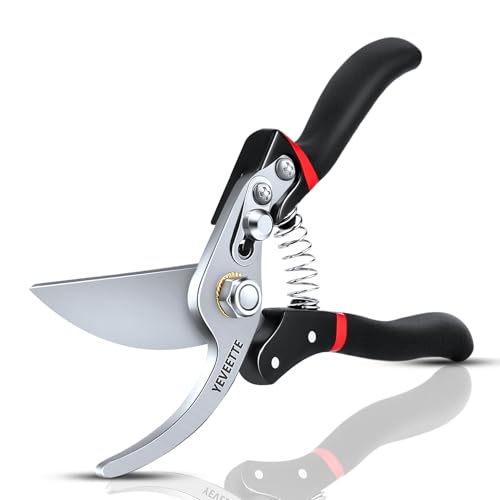
YEVEETTE 8.5″ SK5 Hedge Clippers
Meet The Standout Selections
Hand-forged in Japan from SK5 stainless steel, the TONMA TP-1 is the kind of tool that rewards gardeners who notice the difference a properly heat-treated edge makes. The 8.1-inch body fits a wide range of hand sizes, and the 1-inch cutting capacity handles the woody stuff most homeowner pruners hit. For the rose bed, the herb spiral, and the occasional errant branch, the TP-1 is the quiet center-of-the-garden choice.
Compared to the Kimura pair coming up next, this TONMA leans toward a tighter, more traditional feel. The safety lock has been re-engineered to stay seated even as the jaws open and close, which means no surprise snaps when you reach into a tool bag.
A Few Strong Suits
- SK5 steel holds an edge through long shaping sessions
- 1-inch capacity covers nearly all residential cuts
- Improved safety lock holds position during use
- Made in Japan assembly and steel sourcing
- Compact body navigates tight branch clusters
Worth Noting
- Lacks the ergonomic refinements of later Japanese-forged models
- No replaceable blade, so sharpening is the long-term path
Who Will Love This
Traditionalists who want a no-nonsense Japanese-made bypass shear for routine garden work and appreciate solid steel over soft-grip flourishes.
Swap It Out When
The Kimura 8″ Pro Pruning Scissors is a stronger match if you spend hours deadheading and want a softer handle and longer edge retention between sharpenings.
Kimura’s 8-inch Pro sits in the same family as the TONMA but reaches further into ergonomics. The Japanese-forged SK5 steel is heat-treated to 59 HRC (a hardness scale, where higher numbers mean a tougher edge), and the vinyl-coated handles stay planted when your hands are damp with morning dew or sap. This is the pair you grab when the to-do list includes deadheading, light shaping, and a long row of tomato plants.
Where the TONMA feels classic, the Kimura feels more refined, almost surgical. It’s a tool that bridges the gap between weekend gardening and serious landscape work.
Real Benefits
- 59 HRC heat treatment for longer edge life
- Vinyl-coated grip holds up in wet conditions
- Light enough to reduce fatigue during long sessions
- SK5 steel slices cleanly through green stems
Trade Offs
- Smaller than 1-inch capacity models for thicker branches
- Vinyl coating can stiffen in very cold weather
Key Specs
Best Suited To
Gardeners who deadhead weekly and want a Japanese-steel tool that stays sharp across an entire growing season.
Look Elsewhere When
Heavy woody branches above an inch in diameter call for the Corona BP 4250, which trades a softer grip for raw cutting power.
The VOTREK design flips the script on traditional pruners. Instead of fixed handle positions, a thumb slider adjusts the handle span and blade opening to any width, which means the same tool fits a small hand, a large hand, or anyone dealing with reduced grip strength. SK5 steel with a Teflon non-stick coating handles the cutting, and the stepless opening adapts to thin stems and thicker branches alike.
This is the pair to introduce to a family member who has been avoiding the garden because the handles never quite fit. It also works for anyone with arthritis, carpal tunnel, or a healing hand injury.
The Upside
- Stepless handle opening fits any hand size
- Thumb slider reduces strain on weak or stiff fingers
- Teflon coating resists sap and wipes clean easily
- SK5 steel cuts cleanly through green wood
Points To Note
- More moving parts than a fixed-handle design, which can collect debris
- Slider mechanism may need occasional cleaning to stay smooth
Made For
Seniors, gardeners with arthritis, smaller-handed users, and anyone who has tried pruners that simply refused to fit.
Not Your Match When
If you prune dozens of heavy branches in a single session, the PAOWAFOL Electric Pruning Shears handle the workload with far less hand fatigue.
Battery-powered pruners used to feel like a gimmick. The PAOWAFOL changes that impression with a brushless motor (a motor with no physical brush contacts, which means less wear and longer life), a 1.6-inch max opening, and a pair of 2000mAh batteries that swap in and out. The LCD display keeps you honest about remaining charge, and the SK5 blades handle branches that would leave manual pruners gasping.
For orchard owners, vineyard managers, and anyone with more than a backyard’s worth of trimming, this is a serious time-saver. The trade-off is weight and a dependence on charged batteries, but the dual-battery setup softens that concern.
Everyday Wins
- 1.6-inch max jaw opening for substantial branches
- Brushless motor delivers smooth, consistent power
- Two 2000mAh batteries keep sessions going
- LCD display shows battery status at a glance
- Two SK5 blades included for rotation
Trade-Offs To Consider
- Heavier than manual pruners, which causes arm fatigue over time
- Recharge cycles require planning around trimming days
- More complex mechanism means more parts that could eventually need service
Technical Highlights
Whose Shelf It Belongs On
Backyard orchardists, vineyard hobbyists, and anyone pruning dozens of thick branches per session who wants to spare their hands.
Consider Something Else When
Small urban gardens with mostly thin green growth do not need this much power, and the Hungsual 7.5-inch softgrip pruner handles those jobs with less fuss.
The Corona BP 4250 is the veteran of this list. Forged steel blade, lightweight aluminum handles, and a 1-inch cutting capacity make it the workhorse that landscapers and serious home gardeners reach for season after season. The angled cutting head gets into tight crotches where straight blades struggle, and the replaceable blade means you can refresh the edge without replacing the whole tool.
This is a different philosophy from the Japanese steel pairs above. Where the TONMA and Kimura prioritize a refined edge, the Corona prioritizes raw durability and serviceability. For most suburban yards, it’s the right tool for the job.
Everyday Perks
- 1-inch cut capacity handles live wood comfortably
- Replaceable blade extends tool lifespan
- Aluminum body keeps weight manageable
- Angled head improves access to awkward cuts
Some Limits To Know
- Aluminum handles can feel cold in winter
- Heavier than the all-steel Japanese options
The Right Fit
Professional landscapers and serious home gardeners who service their own tools and want a replaceable-blade pruner that handles woody growth without complaint.
Where A Sibling Pick Shines
For lighter deadheading and finer shaping, the Kimura 8″ Pro Pruning Scissors stays sharper between services and feels lighter in hand.
Two tools in one listing. The NEXON pack pairs an 8-inch bypass pruner for general woody work with a 6.25-inch precision snip for tight cuts on flowers, herbs, and soft growth. Both share the same German SK5 high-carbon steel and a Teflon non-stick coating that shrugs off sap. For someone building a garden kit from scratch, this is the kind of pairing that pays off across multiple weekends.
The 8-inch handles branches up to about 3/4 inch, while the snip is the better choice for clean cuts on blooms where bruising matters. It’s a thoughtful combination.
Why It Works Well
- Two-purpose set covers pruning and detail work
- Teflon coating reduces sap buildup on both tools
- German SK5 steel stays sharp through heavy use
- Non-stick surface wipes down quickly after use
Where It Is Less Suited
- Maximum cut capacity is lower than single-tool alternatives
- Teflon coating can wear with years of heavy sharpening
Who Should Grab It
New gardeners setting up a first toolkit, or anyone who wants a backup pair stashed in a second garden bag.
Reach For A Different Pick When
Daily professional pruning favors the single-purpose Corona BP 4250, which has a replaceable blade and tougher construction.
The Hungsual pruner zeroes in on one job and does it well: clean cuts on rose bushes, shrubs, and other ornamentals. The 7.5-inch body is light, the softgrip handles absorb vibration, and the one-hand safety lock clicks open and shut without fumbling. For 0.6-inch branches and finer shaping work, it’s a comfortable companion.
This is a more focused tool than the all-purpose picks earlier in the list. The 0.6-inch capacity is honest about its intentions.
Practical Advantages
- Softgrip handles reduce hand fatigue during long shaping sessions
- One-hand lock simplifies safe storage between cuts
- Stainless steel blades resist rust in damp garden conditions
- Lightweight design suits extended use
Trade Offs
- 0.6-inch capacity limits use to thinner stems
- Not intended for heavy woody pruning
Perfect Match For
Rose gardeners and shrub shapers who want a soft-handled, lightweight pruner for daily trimming and deadheading.
Skip It When
Thicker branches above 0.6 inches call for the YEVEETTE 8.5″ SK5 Hedge Clippers, which handle heavier growth without complaint.
PrunePro brings German 1.4031 stainless steel to a Teflon-coated blade, which is a smart combination for gardeners who don’t want to baby their tools. The stainless construction resists rust, the Teflon layer helps sap slide off, and the overall design handles the typical mix of stems, twigs, and small branches that define everyday yard work.
It’s a sensible middle-of-the-road tool. Not as specialized as the Japanese-steel pairs, not as heavy-duty as the Corona, but a reliable companion for general maintenance.
Points In Its Favor
- German stainless steel resists corrosion
- Teflon coating reduces sap sticking
- General-purpose design fits most residential tasks
- Easy to clean after use
Honest Caveats
- Edge retention may not match harder Japanese SK5 steel
- Less specialized than single-purpose pruners
Built With In Mind
Homeowners who want one dependable pruner for mixed garden maintenance without investing in a specialty tool.
Where Another Pick Suits Better
Frequent deadheaders will appreciate the Kimura 8″ Pro Pruning Scissors for its longer edge life and lighter touch.
The YEVEETTE 8.5-inch rounds out the list as a rugged, no-nonsense pruner for heavier cleanup jobs. SK5 steel with electroplating for rust resistance, double-rivet blade reinforcement, and a curved ergonomic handle with rubber and plastic grip combine into a tool that holds up to roadside trimming, hedge maintenance, and yard cleanup where conditions get rough. The safety lock is single-hand operable.
For gardeners who need one tool that handles both fine pruning and occasional heavy work, the YEVEETTE earns its place.
A Favorable Mix
- SK5 steel with proper heat treatment for edge durability
- Electroplated surface resists rust over time
- Double-rivet blade reinforcement adds structural strength
- Curved ergonomic handle with non-slip grip
Soft Spots
- Heavier than precision-focused pruners
- Not optimized for fine ornamental shaping
Right Fit For
Yard cleanup crews, roadside maintenance, and homeowners who want one sturdy pruner that can take some abuse.
Another Choice May Suit
For delicate rose work, the Hungsual 7.5-inch softgrip pruner offers a lighter, more comfortable option.
What To Weigh Before Choosing Your Next Pair
Bypass pruners use two curved blades that pass each other like scissors, making them the go-to for live green wood and clean cuts that heal quickly. Anvil pruners use a single straight blade that closes onto a flat surface, which works better for dead wood but can crush live stems. Most of the picks in this list are bypass designs, which suits the majority of residential gardening.
Blade material matters more than marketing suggests. SK5 is a Japanese high-carbon steel known for toughness and edge retention. German 1.4031 stainless steel resists corrosion at the cost of some hardness. For dry climates, SK5 holds up beautifully. In coastal or humid conditions, stainless options like the PrunePro set earn their keep.
Ergonomics deserve attention, especially for anyone with arthritis, smaller hands, or a long to-do list. The VOTREK stepless handle addresses this directly with an adjustable opening, while the Hungsual softgrip softens vibration during long shaping sessions. Grip material (vinyl, rubber, plastic) affects comfort in wet and cold weather differently, and worth testing if possible.
Cutting capacity ranges from 0.6 inches on precision tools to 1.6 inches on the electric PAOWAFOL. Match the tool to the thickest branch you realistically expect to cut, and remember that forcing a pruner past its rating shortens blade life and risks injury. For most home gardens, a 1-inch capacity like the Corona BP 4250 covers nearly everything.
Key Considerations Across These Picks
Mistakes Worth Dodging
Buying the cheapest pair and expecting pro-level performance is a familiar trap. Cheap blades dull quickly, and replacing the tool every season costs more than buying one solid pruner upfront. Another slip-up is choosing an anvil pruner for live green wood, which crushes stems and slows healing. Match the mechanism to the work, and your plants will thank you.
When Paying More Pays Off
Higher-tier models buy you better steel, replaceable parts, and ergonomic refinements that matter over years of use. The Corona’s replaceable blade extends tool life indefinitely, the Kimura’s 59 HRC heat treatment stretches sharpening intervals, and the PAOWAFOL’s brushless motor handles workloads that would wear out manual pruners. The upgrade pays off when you prune frequently, own larger plants, or simply value a tool that feels good in your hand.
Frequently Asked Questions
What’s the difference between bypass and anvil pruners?
Bypass pruners have two curved blades that pass each other for clean cuts on live wood. Anvil pruners have one blade that closes onto a flat surface, better suited to dead wood. Most residential gardeners prefer bypass designs for general use.
How often should I sharpen pruning shears?
A few times per season is typical for frequent use. Harder steels like SK5 hold an edge longer than softer stainless, so sharpening frequency depends on both the steel and how much you cut. Wipe the blade clean after each session to extend time between sharpenings.
Can pruning shears cut branches over 1 inch thick?
Standard hand pruners typically max out at 1 inch, though some reach 1.5 inches. For thicker branches, loppers or a pruning saw are safer and more effective. The PAOWAFOL electric model reaches 1.6 inches with mechanical advantage.
Are ratchet pruners worth the extra cost?
Ratchet pruners multiply hand strength through a stepped mechanism, which helps users with reduced grip strength. For occasional light pruning, they’re unnecessary. For extended work or anyone with arthritis, they earn their place.
How do I maintain pruning shears for long life?
Wipe blades clean after each use, dry them before storage, and oil the pivot joint occasionally. Sharpen when cuts start to tear rather than slice. Store indoors or in a dry shed to prevent rust, even on stainless models.
The Takeaway
The right hand pruning shears come down to matching the tool to your hand, your garden, and the kind of work you actually do. A rose gardener reaches for a different tool than an orchardist, and a senior with arthritis needs something different from a landscaper. The nine picks above cover that range, from Japanese-forged precision to battery-powered heavy lifting, and each one fits a specific corner of the gardening world. Take a few minutes to think about what you’ll cut most often, and the right pair usually makes itself obvious.
