

Your plants don’t care what the weather is doing outside. A grow tent in a chilly garage or a basement that dips below 60°F at night needs steady, gentle warmth to keep photosynthesis humming. Choosing wrong, though, leads to crispy hotspots, wild temperature swings, or a heater that runs constantly without ever hitting the setpoint. This roundup sorts through eight heaters built for grow tents, flower rooms, and small greenhouses, matching each one to the gardener it serves best.
The Picks In Brief
Dura Heat EUH1465 Electric Forced Air Heater

AC Infinity THERMOFORGE T3 Grow Tent Heater
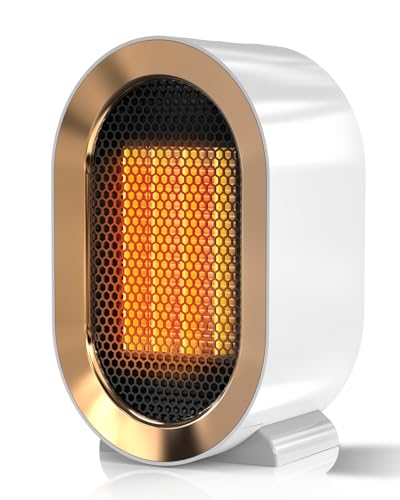
QQT 1200W Ceramic Space Heater (White)
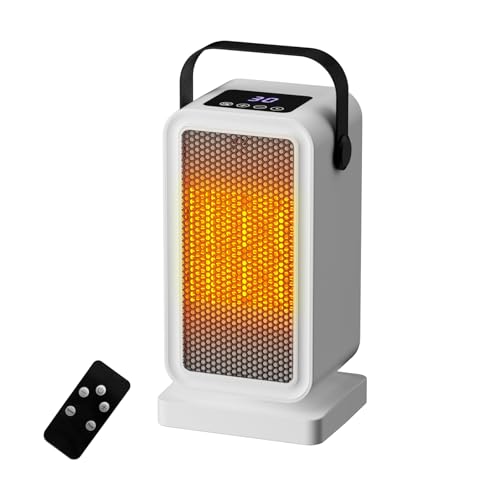
Jyxmor Portable Desk Heater with 2s Instant Warmth

VEVOR 1500W PTC Grow Tent Fan Heater

Rui Cheng 1500W Grow Tent Heater with Digital Thermostat
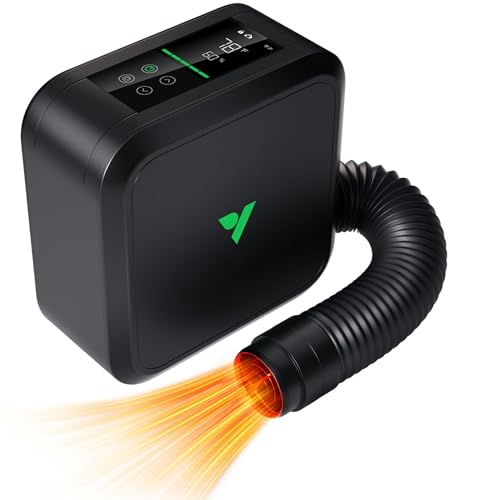
VIVOSUN AeroFlux 700W PTC Grow Tent Heater

GRPWWT Grow Tent Heater with Auto Temperature Kit
The Strengths Of Each Pick
Big grow rooms in unheated garages usually run colder than a house, and the Dura Heat EUH1465 leans into that reality with a steel cabinet and a high-velocity fan that pushes warmth across roughly 250 square feet. Unlike the compact ceramic units you’ll see later, this one is built to live on a workshop floor with a pivoting base that lets you aim the airstream at the canopy or the root zone.
The built-in thermostat keeps cycling simple, and a safety shut-off adds a layer of protection for unattended runs. For growers running a multi-tent setup in a basement or pole barn, the rugged build is the real draw. You may find it oversized for a single 4×4 tent, where smaller PTC heaters do less work cycling on and off.
A Strong Showing
- Steel body handles dusty, humid grow spaces without complaint
- Pivoting base directs heat exactly where plants need it
- Covers up to 250 sq ft, useful for multi-tent rooms
- High-velocity fan spreads warmth instead of creating a hot spot
- Onboard thermostat removes the need for an external controller
Things To Consider
- Large footprint compared to dedicated tent heaters
- Fan noise is more noticeable than ceramic mini units
Key Specs
Who Will Love This
Growers running large tents or open garage setups who need serious heating power without paying for a full HVAC install.
Where Another Pick Suits Better
The AC Infinity THERMOFORGE T3 fits better in compact 4×4 tents where you want VPD-aware control rather than raw BTU output.
The AC Infinity THERMOFORGE T3 is the first heater on this list designed from the ground up for a grow tent rather than retrofitted from a garage design. It pairs PTC plate heating with PWM (pulse-width modulation, which throttles power in small bursts rather than full on/off cycles) for ten distinct heat levels, and the onboard controller reads VPD (vapor pressure deficit, the gap between how much moisture air can hold and how much it actually holds, a key plant-health metric) alongside temperature to keep conditions stable.
A corded sensor probe goes inside the canopy, so the readings come from where your plants actually live. Compared to the Dura Heat above, the THERMOFORGE trades raw airflow for fine-grained climate control. For growers who already log VPD and want their heater to react to it, this is the most purpose-built option in the roundup.
Useful Highlights
- VPD and temperature triggers on the onboard controller
- 10 heat levels via PWM keep temperature swings small
- Flexible hose plus 4 ft attachment for targeted delivery
- Corded probe reads canopy, not ambient corner air
Worth Noting
- Premium cost over a basic ceramic heater
- Learning curve if you’ve never set VPD triggers before
- Best suited to sealed tents with controlled airflow
Right Fit For
Experienced indoor growers tracking VPD who want the heater to handle climate logic instead of an external controller.
Look Elsewhere When
The Rui Cheng 1500W Grow Tent Heater is a smarter match for hobbyists who just want a digital thermostat without the VPD learning curve.
Sometimes the right call is a small ceramic that just gets the job done. The QQT 1200W Ceramic Space Heater uses a PTC element (a ceramic that self-regulates its temperature, making it safer and longer-lasting than wire coils) in a flame-retardant ABS shell, with two heat modes and a hidden handle for moving it between rooms. Compared to the heavy Dura Heat at the top of this list, this one trades steel for portability.
For a 2×4 or 4×4 tent in a bedroom or office, it brings air up to temperature in seconds and stays quiet enough that you’ll forget it’s running. Tip-over and overheat shutoffs are standard, and the lightweight body makes it easy to stow during summer months. Not the heater for a drafty garage, but a comfortable fit for indoor seed starting.
Everyday Wins
- Two heat modes cover most indoor tent sizes
- Tip-over and overheat shutoffs add real safety
- Hidden handle keeps the silhouette clean
- Quiet enough for living-space tents
Trade Offs
- ABS plastic feels lighter than the steel-bodied units above
- No built-in thermostat readout
- Less suited to large or uninsulated spaces
Made For
Small-tent growers on a budget who need quiet, fast warmth for indoor grows during cooler months.
Skip It When
The Jyxmor Portable Desk Heater is a smarter grab for closet-sized spaces where a tiny footprint matters more than 1200W output.
If your grow setup lives on a shelf or inside a small propagation tent, the Jyxmor Portable Desk Heater earns its space by being genuinely tiny. The ceramic element pushes warm air out within roughly two seconds, and dual power modes let you dial down for humidity domes and seedling mats. It also runs cool enough on the outside to sit near fabric tent walls without worry.
The on-unit timer and overheat protection cover the basics, and the read-out is in Celsius, which is worth noting for anyone used to Fahrenheit. Compared to the QQT above, you’re giving up some output for a much smaller footprint. For veg tents or mother-plant enclosures, this is plenty.
Strengths Worth Knowing
- Tiny footprint fits in cramped tents and shelves
- Dual power modes for seedlings and mature plants alike
- Built-in timer cuts down on babysitting
- Cool-touch exterior safer near fabric walls
A Few Limitations
- Celsius-only display may frustrate some growers
- Best in small enclosures, not full rooms
- Lower output than 1500W tent heaters
Feature Snapshot
Best Suited To
Closet growers and propagation tents where the heater needs to disappear into the corner of the setup.
Consider Something Else When
The VIVOSUN AeroFlux 700W is the better choice for tech-forward growers who want app control instead of a desk-sized manual unit.
The VEVOR Greenhouse Heater lands in the middle of this list because it blends the ruggedness of the Dura Heat with the tent-friendly form factor of the smaller picks. PTC ceramic heating pushes 1500W through an alloy-steel housing, and the three-speed fan lets you match airflow to a flower room, a propagation tent, or a workbench. Owners commonly report the IP20 rating (a baseline indoor protection rating that keeps fingers and small tools out but is not water-resistant) holds up fine in humid grow spaces.
Overheat protection shuts things down if airflow gets blocked, and the relatively quiet fan helps in living spaces where a louder heater would be intrusive. For a mid-size grow tent that needs real heating muscle, the VEVOR sits in a useful spot between heavy-duty and compact.
The Practical Payoff
- Alloy-steel shell tolerates humid air
- Three fan speeds tune airflow to the room
- 1500W handles mid-size tents without strain
- Overheat protection for unattended cycles
Room For Improvement
- IP20 rating means indoor use only
- No built-in thermostat readout
- Heavier than the ceramic-only options above
The Right Fit
Mid-size tent growers and small greenhouse owners who want steel-built durability with adjustable fan control.
Reach For A Different Pick When
The GRPWWT Grow Tent Heater with Auto Temperature Kit makes more sense if you want a thermostat included out of the box.
Where the Rui Cheng stands out is its adjustable temperature range. You can set it anywhere from 40°F up to 108°F, which is broad enough to cover seedling germination, winter dormancy for tropical houseplants, and warm-season veg rooms alike. The digital thermostat takes over from the heater automatically, and the 1500W output matches the VEVOR above.
The yellow cabinet makes it easy to spot in a cluttered tent corner, which matters more than it sounds during dark-period checks. Compared to the AC Infinity THERMOFORGE, this Rui Cheng skips VPD logic in favor of a wider temperature window. For year-round use across different growth stages, that broad range is genuinely useful.
Everyday Advantages
- Adjustable from 40°F to 108°F for any growth stage
- Digital thermostat handles on/off cycles automatically
- 1500W output matches mid-tent heating needs
- Visible yellow body aids in low-light checks
Minor Gripes
- No VPD or app integration
- Plastic-feeling dial compared to the AC Infinity controller
Quick Facts
Who Should Grab It
Growers rotating between seedlings, mother plants, and flower tents who want one heater that covers all stages.
A Better Fit Elsewhere
The AC Infinity THERMOFORGE T3 suits growers who want VPD-aware logic on top of standard thermostat control.
The VIVOSUN AeroFlux 700W is the second app-connected heater in this roundup, and the smaller sibling to the AC Infinity THERMOFORGE in size and price. It runs PTC heating across five levels, and the VPD-aware controller reads temperature and humidity in real time. The smartphone app lets you tweak setpoints from the next room, which is a small luxury that grows on you over time.
Tip-over and overheat shutoffs add standard safety, and the V0-rated plastic (a flammability rating meaning the material self-extinguishes within 10 seconds) is the highest tier in common plastics. For a 4×4 or 5×5 tent where you already use VIVOSUN gear and want one ecosystem, the AeroFlux slides right in.
Real Benefits
- App control for setpoint adjustments away from the tent
- VPD-aware cycling keeps climate steady
- V0-rated housing for higher plastic flammability tier
- Tip-over and overheat shutoffs standard
Honest Caveats
- 700W output is lower than 1500W units
- App adds setup time for less tech-inclined growers
- Smaller tents only
Made For
Tech-forward growers with existing smart gear who want phone-controlled heating in mid-size tents.
Swap It Out When
The Dura Heat EUH1465 is the better match for unheated garages where 700W won’t move the needle.
The GRPWWT rounds out the list as the most bundled option. It ships with both the 1500W heater and an independent digital thermostat, so the auto temperature control works out of the box without buying a separate controller. For someone setting up their first winter grow, having the thermostat matched and tested with the heater removes a layer of guesswork.
Overheat protection and fast heating cover the safety basics. The trade-off shows up when you compare it to the Rui Cheng above, where the same 1500W and digital thermostat come in a slightly more polished package. The bundle value still lands for hobbyists who want everything in one box.
The Upside
- Heater and matched thermostat ship together
- 1500W handles mid-size tents comfortably
- Auto temperature cycling without external setup
- Overheat protection included
Things To Weigh
- Plastic construction feels less rugged than steel units
- Bundle pricing may be higher than buying components separately
Spec Overview
Right Fit For
First-time winter growers who want a heater and thermostat that arrive matched and ready to plug in.
Not Your Match When
The VIVOSUN AeroFlux 700W is the smarter call for growers who care more about app control than a bundled thermostat.
What To Weigh Before Choosing A Heater For Your Grow Tent
Choosing the right heater starts with the size of the space. A 2×4 closet tent needs roughly 200 to 400 watts of heating to maintain temperature in a cool basement, while a 4×8 or larger setup typically benefits from a 1500W unit or higher. Under-sizing leads to constant cycling and cold corners, while oversizing creates hot spots near the canopy that stress foliage.
Ventilation matters just as much as wattage. PTC ceramic heaters, which use a self-regulating ceramic element for safer, more even heat, tend to dry the air less than coil-based forced-air models, making them a better fit for humid propagation tents. Forced-air units like the Dura Heat push warmth across larger areas but can drop relative humidity faster than smaller ceramic models. Matching the heater type to your humidifier setup prevents constant adjustments.
Control logic is the next decision point. A basic thermostat handles most home grows, but if you track VPD or run sealed rooms, an app-connected or VPD-aware controller keeps conditions stable without manual tweaks. For growers logging climate data anyway, the extra cost of a smart heater often pays back in tighter environmental control.
Finally, think about safety certifications and shutoff behavior. Tip-over and overheat shutoffs are essential in any unattended grow tent, and higher plastic ratings like V0 add an extra layer of margin. Run heaters on a GFCI-protected outlet (a ground-fault circuit interrupter that cuts power if it detects current leaking through water or a person) when humidity is high, and route cords away from any water lines or irrigation spills.
Key Things That Separate One Tent Heater From Another
Where Shoppers Go Wrong
The most common mistake is matching wattage to tent label size instead of measured volume. A “5×5” tent with an 8-foot ceiling needs far more heat than the same footprint at 6 feet, and undersized heaters end up cycling nonstop. Another misstep is skipping the thermostat and running a single heat setting, which causes temperature swings of 5°F or more through the night.
A third issue shows up when growers place the heater too close to the canopy. Even a small unit pointed at leaves can scorch tissue within hours, especially under LED bars that already add radiant heat. Mounting or placing the heater at canopy level or below, aimed across the room, distributes warmth more evenly.
When Paying More Pays Off
The jump from a basic ceramic to a VPD-aware or app-controlled heater usually adds meaningful control rather than raw heat. For sealed tents with CO2 supplementation, the higher tier keeps temperature and humidity locked in tighter, which translates directly into more consistent growth rates. For a simple open-vent tent where conditions fluctuate on their own, the extra control is harder to justify and a basic thermostat model is the more practical call.
Frequently Asked Questions
How many watts does a grow tent heater need?
A rough rule is 20 to 30 watts per square foot of floor space for cool indoor conditions, though ceiling height and outdoor temperature shift that number. A 4×4 tent in a 65°F basement typically lands in the 750 to 1500W range, while a closet setup can run on 200 to 400 watts.
Can I use a regular space heater in a grow tent?
Standard ceramic space heaters work fine for small, well-ventilated tents, but they lack the VPD logic and humidity-friendly design of purpose-built units. Forced-air garage heaters like the Dura Heat are useful only for larger spaces and need careful placement to avoid drying out the canopy.
Are PTC heaters safer than coil heaters?
PTC ceramic elements self-regulate their temperature, which lowers the risk of runaway overheating. Coil heaters can run hotter for longer if airflow is blocked, so overheat shutoffs become more important. For humid grow environments, PTC is generally the safer choice.
Should I run a grow tent heater 24/7?
During winter, yes, the heater cycles on and off rather than running continuously. In summer, heaters usually only fire during cool nights. A thermostat handles the on/off cycling automatically and prevents the temperature from dropping below your setpoint.
Where should a grow tent heater be placed?
Low and centered, with airflow aimed across the floor or lower canopy rather than directly at plants. Elevating the heater on a small stand and keeping it away from irrigation lines reduces both fire risk and uneven heating across the tent.
The Takeaway
A grow tent heater is one of those purchases where matching the unit to your tent size, climate, and control preferences matters more than chasing the biggest BTU number. The eight options here cover everything from a tiny desk unit for a propagation closet to a steel-bodied garage heater for a multi-tent room. Pick based on the conditions your plants actually face, and the rest of the decision falls into place.
