

Hollies bring structure, glossy foliage, and winter berries to a hedge line, but picking the right cultivar changes everything from how fast it fills in to how much pruning you’ll do each year. Whether you’re framing a suburban yard, screening a noisy street, or anchoring a formal garden, the eight picks below cover the main paths: live shrubs for planting, slow-release fertilizer to keep them thriving, and a few decor pieces that borrow the holly look without the long-term commitment. Each one suits a different gardener, a different budget, and a different timeline.
The Main Contenders

Espoma Holly-Tone 4-3-4 Organic Evergreen Plant Food 4 lb. Bag

Espoma Holly-Tone 4-3-4 Organic Evergreen Plant Food 4 lb. Bag (Pack of 2)
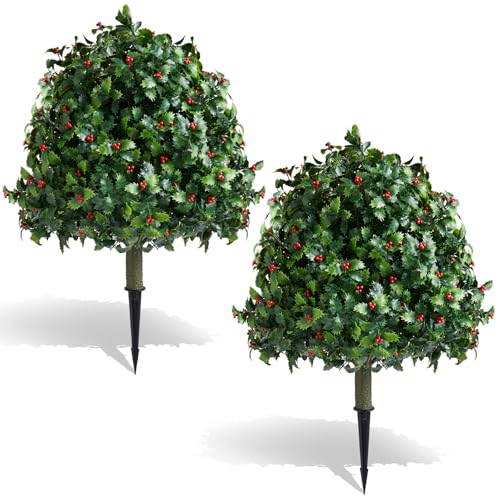
2pcs Artificial Bushes Holly Spray Berries Cedar Leaf Stems

2 Needlepoint Holly Bush Small Size Hardy Holly Tree

Department 56 Holiday Holly Hedges Figurine Set 6 Inch
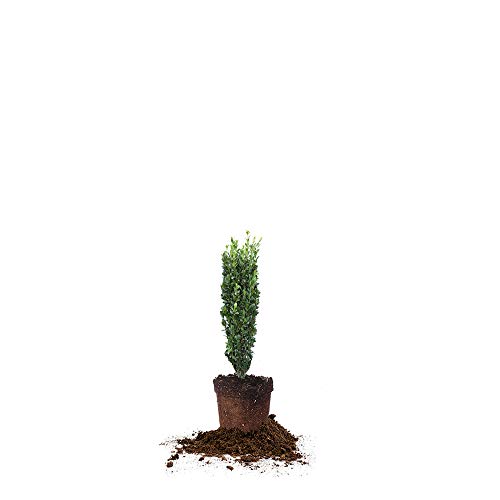
Perfect Plants Sky Pencil Japanese Holly 1-2 ft Live Plant

Nellie Holly 20 Live Plants Ilex Nellie R. Stevens Screening Hedge
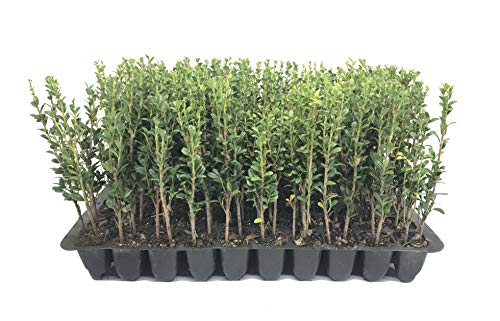
Sky Pencil Japanese Holly 20 Live Plants Ilex Crenata Formal Evergreen
Why These Options Stand Out
Hollies are acid-loving plants, and feeding the soil rather than just the leaves is what keeps a hedge green through summer stress and berry-heavy winters. Espoma’s Holly-Tone is built around a 4-3-4 N-P-K ratio (nitrogen for foliage, phosphorus for roots, potassium for overall vigor) with added sulfur to lower pH gradually over the season. It mixes organic meals with the brand’s Bio-tone blend, so nutrients release slowly instead of dumping all at once after watering.
For a gardener with a single established hedge row, a 4-pound bag covers routine spring and fall feedings without forcing you to stockpile. The granular texture spreads easily around the root zone and works into mulch without clumping. Compared to the Pack of 2 below, this size makes more sense when you’re only tending one planting rather than a full landscape.
The Practical Payoff
- Slow-release organic formula feeds hollies steadily without burning roots
- Acidifying sulfur helps maintain the lower pH hollies and azaleas prefer
- Works on related acid lovers like blueberries, camellias, and rhododendrons
- Granular format spreads cleanly around the drip line and stays in place
Things To Consider
- Four pounds runs short on large properties with multiple hedge rows
- Granules need watering in to activate, so dry-soil gardeners should plan ahead
Best Suited To
Homeowners with a single hedge or a small mixed acid-loving bed who want steady, organic feeding through the growing season.
Skip It When
The Pack of 2 version below makes more sense if you’re feeding a long hedge line plus nearby azaleas in the same season.
Same trusted Holly-Tone formula, doubled up. The Pack of 2 ships two 4-pound bags together, which suits anyone running a longer hedge or splitting fertilizer between a holly row and a companion bed of azaleas, camellias, or blueberries. The 5% sulfur content does the same steady pH work, while the 4-3-4 NPK keeps foliage dark green without the soft, leggy push that high-nitrogen synthetic feeds can cause.
Beyond raw volume, the twin-bag format is a quiet safeguard against mid-season rationing. Hollies benefit most from split applications, one in early spring and one in fall, so having extra on hand prevents the common mistake of skipping the second feeding. Compared to the single 4-pound bag, the trade-off is shelf space, since you’ll need a dry corner for the extra bag.
Where It Excels
- Doubled quantity covers longer hedges or multiple plantings in one order
- Splits cleanly into spring and fall feedings for steady nutrition
- Organic Bio-tone base supports soil biology, not just the plant
Points To Note
- Bags need dry, sealed storage to prevent clumping over winter
- Bulk format may be overkill for a single short hedge
Right Fit For
Gardeners managing a full hedge row plus nearby acid-loving beds who want to plan two feedings ahead.
Consider Something Else When
The single-bag Espoma Holly-Tone above is a smarter fit if you’re only feeding one small hedge and don’t need to stockpile.
Not every “holly hedge” lives outdoors. These faux holly sprays with cedar-style leaves and red berry clusters arrive ready to drop into a planter or vase, no assembly required. The two-stem format is a small but useful detail: you can split them between a mantle and a console without buying two separate sets. Leaves may compress during shipping, so a quick hand-fluff restores the spread before display.
Where this picks differs from the live shrubs lower in the list is zero maintenance. There’s no feeding schedule, no pruning, no bird damage to worry about, and no winter dieback if your climate is harsh. The honest read is that faux foliage has limits up close, where the plastic sheen shows under direct light, but at table height or in a dim corner the effect reads cleanly.
Real Benefits
- No watering, pruning, or seasonal upkeep required
- Two-stem format offers natural-looking asymmetry in arrangements
- Berries and leaves hold color indoors indefinitely
- Reusable year after year for holiday and winter styling
Points To Keep In Mind
- Plastic sheen shows under bright direct lighting up close
- Doesn’t satisfy anyone wanting a true growing hedge
Made For
Decor-focused households wanting holly-style accents indoors for the holidays without committing to a live planting.
Look Elsewhere When
The Needlepoint Holly Bush below is the better fit if you want real, growing greenery rather than a seasonal decoration.
Needlepoint Holly is one of the more forgiving live hollies for hedge work. The dense, dark green foliage holds its color year-round, and the upright branching structure fills in neatly without aggressive pruning. You receive a pair of small starter shrubs ready for planting, which suits a first-time hedger who wants to trial the cultivar before committing to a full row of twenty.
Compared to the bulk Nellie R. Stevens below, this is a slower route to a privacy screen. You’ll wait longer for the canopy to knit together, but you also spend less up front and learn how the plant behaves in your soil before scaling up. The classic red berries appear on mature specimens, adding seasonal interest once the shrubs settle in.
Useful Strengths
- Evergreen foliage keeps the hedge screen present through every season
- Upright growth habit naturally suits narrow privacy borders
- Small starter size is easier to plant, transport, and establish
- Red berries add winter color once shrubs mature
Honest Caveats
- Two plants only, so a full hedge line requires multiple orders
- Years of growth needed before the row screens at full privacy height
Feature Snapshot
Perfect Match For
First-time hedgers with a small yard who want a forgiving live holly without a large upfront investment.
A Better Fit Elsewhere
The Nellie Holly twenty-plant bundle below is the smarter pick when you need full-property screening on a tight timeline.
This is a miniature, not a plant. Department 56’s Holiday Holly Hedges ship as a two-piece set of opposing snow-dusted hedge figurines designed for Christmas village displays. The opposing-pair format is a thoughtful touch: place them on either side of a doorway, pathway, or building in your layout to create a believable garden boundary.
At 6 inches tall, the hedges read as scale-appropriate for the brand’s village buildings. The hand-crafted construction holds up to repeated seasonal handling, and the snow-frosted finish stays consistent year after year. Compared to the faux holly sprays above, this lives in a completely different world: scale modeling rather than full-size decorating.
What Stands Out
- Two-piece opposing design frames village pathways and entries naturally
- Hand-crafted finish holds detail under close inspection
- Sized to match standard Department 56 building proportions
Softer Spots
- Purely decorative, with no gardening application
- Pairs best with an existing Department 56 village collection
Who Should Grab It
Collectors building a Department 56 Christmas village who want a snowy hedge detail to flank walkways and entries.
Swap It Out When
The Sky Pencil Japanese Holly below makes more sense if you want a living holly rather than a tabletop miniature.
Sky Pencil Holly (Ilex crenata) is the column of the holly world: narrow, vertical, and tidy without constant shearing. This single 1-2 foot starter ships with an included plant food packet, easing the first-season establishment. The deep green columnar foliage frames walkways, windows, or entryways in tight spaces where a spreading holly would overwhelm the bed.
Unlike the broader Needlepoint or Nellie picks, this one is sold as a specimen. You plant it as a single vertical accent or in matched pairs flanking a doorway, rather than running it as a continuous hedge. The leaves lack sharp points, which matters in high-traffic spots where you brush past regularly. You may find the one-off size limiting for a long privacy hedge.
Useful Touches
- Columnar form fits narrow beds, patio containers, and entryways
- Soft-tip leaves are safer around kids and walkways than spiny hollies
- Bundled plant food jump-starts first-season establishment
Trade Offs
- Single-plant format doesn’t suit a continuous hedge on its own
- Does not ship to California or Arizona, limiting western availability
Quick Facts
Best Suited To
Gardeners styling entryways, patio containers, or narrow foundations who want a single vertical specimen.
Not Your Match When
The Sky Pencil twenty-plant bundle below is a stronger fit if you want a continuous hedge rather than a single accent.
When the goal is a tall privacy screen on a real timeline, Nellie R. Stevens is the workhorse. This bundle ships twenty live shrubs, enough to plant a substantial hedge row without backordering. The hybrid reaches up to 20 feet at maturity, with glossy dark green leaves and vibrant red berries in cooler months that double as bird food.
Compared to the Needlepoint pair above, you’re trading patience for scale. Twenty plants fill in faster as a unified screen, though each shrub needs space, water, and consistent feeding through the first two seasons. The glossy leaves form a naturally dense pyramid without much shaping, which keeps pruning to a once-yearly chore.
What Earns Its Place
- Twenty-plant bundle fills a substantial privacy row in one order
- Fast growth reaches screening height faster than smaller cultivars
- Year-round red berries add ornamental interest beyond the green screen
- Low-maintenance habit needs only annual shaping
Practical Considerations
- Twenty plants require significant planting labor and watering during establishment
- Spiny leaves need gloves and long sleeves during pruning
- Reaches 20 feet at maturity, so plan for adequate space and neighbor considerations
Feature Card
Whose Shelf It Belongs On
Property owners wanting a tall, dense, fast-growing privacy screen who can handle the planting labor upfront.
Reach For A Different Pick When
The Needlepoint Holly pair above fits better if you’re working with a smaller bed and a longer timeline.
Sky Pencil in bulk: twenty starter plants of the same narrow Ilex crenata cultivar from the sixth pick. Planted in matched rows, they form a low, formal hedge ideal for parterre designs, container pairs flanking doorways, or a tight privacy screen in narrow side yards. The cultivar was introduced to U.S. horticulture by the National Arboretum, and it shows in how reliably uniform the columns stay.
Where this differs from the bulk Nellie is growth habit and feel. Sky Pencil stays slim and formal, often under two feet wide at the base, which lets you plant rows closer to walls without crowding walkways. Depending on your soil, you may find establishment slower than Nellie in clay-heavy beds, since crenata types prefer light, slightly acidic, well-drained ground. Owners commonly report best results after amending heavy soils at planting time.
Why It Works Well
- Twenty-plant count enables matched rows and symmetrical parterre designs
- Soft-tip leaves are safer near paths, decks, and play areas
- Highly adaptable across sun exposures and soil types once established
- Tolerates mild drought after the first growing season
Points To Weigh
- Twenty starter plants require organized spacing planning before planting
- Slow establishment in clay-heavy or alkaline soils without amendment
- Lower mature height than Nellie, so it screens rather than fully blocks
Key Attributes
Who Will Love This
Design-minded gardeners building formal parterres, symmetrical borders, or matched container pairs who want a uniform look.
Where A Sibling Pick Shines
The Nellie Holly twenty-plant bundle above is the stronger fit if you need tall privacy screening rather than a low formal row.
What Matters Most Before Choosing Hollies For A Hedge
Match The Mature Size To Your Space
Hollies vary wildly in mature height, so a hedge that fills in beautifully in year three may outgrow its spot by year eight. Measure the bed length and any sightline restrictions before ordering. Nellie R. Stevens tops out near 20 feet, which screens a second-story window but overwhelms a small front yard. Sky Pencil stays slim and short, suiting narrow foundations where a tall hedge would dominate.
Decide Between Live Plants And Decorative Picks
Real hollies feed soil biology, support winter birds with berries, and gain character with age. Faux holly sprays and Department 56 figurines serve different goals: styling a mantle or completing a Christmas village. Mixing the two is fine, but the planting plan should hinge on whether you want a growing boundary or a decorative accent.
Plan Feeding From The First Season
Acid-loving hollies need pH in the 5.0 to 6.5 range to absorb iron properly. A granular fertilizer like Espoma’s Holly-Tone, applied in early spring and again in fall, keeps the soil active without forcing a sudden growth push. Skip the fertilizer in the first few weeks after planting to let roots settle, then begin a steady routine.
Space Plants For The Cultivar’s Width
A common planting mistake is crowding. Needlepoint, Nellie, and Sky Pencil each have different mature spreads, and the planting hole spacing should reflect that. Crowded root zones compete for water and nutrients, which slows establishment. A measuring tape and the cultivar’s expected width save years of corrective pruning later.
Key Considerations Across These Picks
Pitfalls Shoppers Hit
Most first-time holly buyers undercount how many plants they need for a continuous hedge. A 50-foot row planted with five shrubs will look gappy for years. Measure the bed, divide by the recommended spacing for the chosen cultivar, and round up rather than down. Bulk bundles like the twenty-plant Nellie and Sky Pencil sets exist for exactly this reason.
The Upgrade Payoff
Paying more for a larger bundle or a premium cultivar usually buys time savings rather than better plants. Twenty starters in the ground fill in two to three seasons faster than the same cultivars planted one or two at a time. For most homeowners, the upgrade is worth it whenever the hedge serves a privacy or screening function, since the labor of replanting later outweighs the higher upfront cost.
Frequently Asked Questions
How Far Apart Should I Plant Hollies For A Hedge?
Spacing depends on the cultivar’s mature width. Most hollies for hedging do well at 3 to 5 feet apart on center, though Sky Pencil can go closer at 2 to 3 feet because of its narrow form. Crowding produces uneven growth, while gaps leave the row thin for years.
When Is The Best Time To Plant Hollies?
Early fall and early spring are the gentlest windows, when soil stays workable and temperatures are mild. Fall planting lets roots establish before winter stress, while spring planting gives a full growing season to settle in. Avoid mid-summer planting unless you can commit to daily watering.
Do Hollies Need Full Sun Or Shade?
Most hollies perform best in full sun to partial shade, with at least four hours of direct light daily. Sky Pencil specifically prefers full sun with some afternoon shade in hotter climates. Deep shade reduces berry production and leads to leggier growth.
How Often Should I Fertilize My Holly Hedge?
Twice yearly works well for most hollies: once in early spring as new growth begins, and again in early fall to support root development. Holly-tone’s slow-release organic formula is designed for this split schedule, so a single 4-pound bag covers a modest hedge for both feedings.
Will Deer Eat Holly?
Holly is generally considered deer-resistant because of the spiny, leathery leaves and bitter compounds. That said, hungry deer will browse almost anything in late winter, so young or newly planted hollies may still need protection during their first few seasons until they bulk up.
Bottom Line
Hollies reward gardeners who match the cultivar to the site rather than picking by name alone. Sky Pencil fits tight urban beds, Needlepoint suits small starter hedges, and Nellie R. Stevens handles real privacy duty in larger yards. Pair any live planting with steady organic feeding, and the hedge will carry structure, color, and berries for decades.
