

Setting fence posts, planting bare-root trees, or sinking a deck footing used to mean an afternoon with a clamshell digger and a sore back. Today’s hole diggers cover everything from one-handed bulb planting to deep footings for a mailbox post, and the right match depends on how often you dig and how deep you need to go. We’ve lined up eight options across gas-powered augers, drill-bit attachments, and hand tools to help match the tool to the task, whether you garden on weekends or build rural fence lines for a living.
A Snapshot Of The Selections

DC HOUSE 52cc Gas Powered Earth Auger Post Hole Digger with 6″ & 10″ Bits

K-Brands Auger Drill Bit for Planting 3 Pack with Extension 3/8″ Hex Drive

Sproot Garden Auger Drill Bit for Planting 1.6″ x 16.5″ Hex Drive

PROYAMA 54cc Gas Powered Easy Start Earth Auger Digger

VASGOR Set 3 Auger Drill Bit for Planting 1.6″ 2.6″ 3.5″ x 12″

DC HOUSE 52cc Gas Powered Earth Auger with 6″ & 10″ Bits and Extension Rods
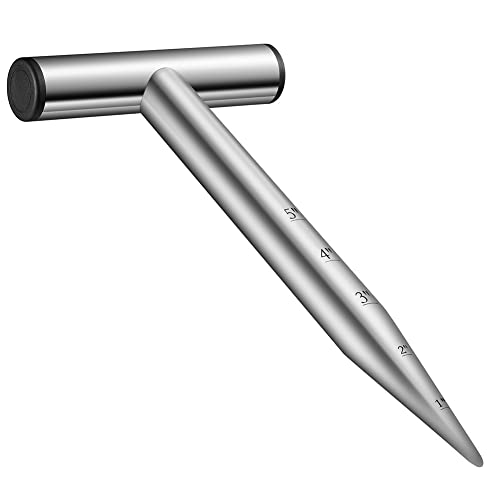
Sukiise Hand Dibber Stainless Steel Seed and Bulb Planter Tool

VEVOR 43cc 1250W Gas-Powered Auger Earth Digger
More Details On Our Top Picks
The DC HOUSE 52cc two-stroke unit is the kind of auger that earns its keep on a rural property. A 1.8KW single-cylinder engine turns the included 6″ and 10″ bits, so it covers the two diameters most homeowners reach for when setting fence posts, mailbox supports, or small deck footings.
Setup is genuinely simple: mix at the listed ratio, prime the carburetor with its built-in pump, and pull-start. A centrifugal clutch (a mechanism that engages the bit only once the engine reaches a set RPM, preventing the auger from spinning at idle) keeps the bit from freewheeling when the motor is running slow, which makes starting much friendlier. Owners commonly store the unit in a shed corner between uses and rinse the bit after each session to keep soil from caking on the spiral.
Where It Excels
- Two-bit starter package covers common post and tree-planting diameters.
- EPA-certified engine platform gives predictable starting in mild and cold weather.
- Centrifugal clutch and bit-lock safety protect the drivetrain on stony hits.
- Carburetor pump shortens the priming ritual before each pull.
- Light enough at this displacement for one operator to reposition between holes.
Things To Consider
- Two-stroke fuel mixing is an extra step before every fill-up.
- No extension is included, so depth beyond the bit length requires an extra purchase.
- Air-cooled engines run hot in midsummer sun, so breaks between holes help.
Made For
Property owners setting ranch-style fence lines or planting a row of young trees on a weekend.
Where Another Pick Suits Better
For footings deeper than the included bits reach, the DC HOUSE 52cc with extension rods (item 6) is a more useful match.
K-Brands leans into versatility with a three-bit planting set, sized at roughly 1.6″ x 12″, 3″ x 12″, and 2.6″ x 15″, plus a 16.5″ extension rod. Any 3/8″ hex drill (a standard six-sided chuck found on most corded and many cordless drills) drives the bits, so it works with what you may already own.
The smaller bits handle bedding plants and annuals, while the longer 2.6″ bit reaches deeper for small bulbs. The extension gives you the option to dig a deeper root zone for transplants without kneeling on wet soil. Depending on your soil, clay-heavy beds may push a small drill to its torque limit, so a brushless drill (a motor design with no carbon brushes, generally delivering more torque and longer runtime) is a sensible pairing for serious yard work.
Real-World Strengths
- Three bit diameters cover most common planting tasks in one kit.
- Standard 3/8″ hex drive fits the drill you likely already own.
- Extension rod helps dig deeper transplant holes from a standing position.
- Cleaner holes reduce transplant shock for small annuals and perennials.
Trade Offs
- Not suited for rocky soil where the bit can bind against a stone.
- Drill not included, so plan around whatever tool you already have on hand.
- Bits should be wiped clean after each session to prevent rust on the steel shaft.
Best Suited To
Home gardeners planting dozens of bulbs and annuals each spring with a standard cordless drill.
Reach For A Different Pick When
For a single-bit setup focused on deeper bulb work, the Sproot Garden Auger Drill Bit (item 3) keeps things simpler.
Sproot goes long with a single 1.6″ bit measuring 16.5″ end to end. The extended spiral keeps soil moving up and out of the hole instead of packing at the bottom, which matters when planting deeper-rooted annuals or transplanting small shrubs.
The hex shank fits any 3/8″ drill chuck, so it pairs with the same drill you’d use for the K-Brands set. For most backyards, the 1.6″ width handles bedding plants and small bulbs, and the longer reach means fewer stops to clear the hole. One thing worth considering: in dry, compacted beds, pre-watering the soil a day ahead lets the spiral bite cleanly without stalling the drill.
Where It Delivers
- Longer spiral helps pull soil out rather than compressing it at the bottom.
- Standard hex drive means no special adapter is needed.
- Lightweight enough to use with a smaller cordless drill for short sessions.
Points To Keep In Mind
- Single size only, so larger bulbs require a wider bit.
- Dry clay can stall a low-torque drill if pre-watering is skipped.
The Right Fit
Gardeners planting tulip beds or transplanting small perennials who prefer one focused tool over a multi-bit kit.
Swap It Out When
For multiple hole diameters in one kit, the K-Brands three-pack (item 2) covers more ground.
The PROYAMA 54cc brings the highest displacement in this lineup, paired with a 2.4HP output and a focus on easy-start ergonomics. It is the pick when your ground fights back: heavy clay, packed horse paddock soil, or a yard full of old root mat.
The easy-start claim matters more than it sounds. Cord-start systems on small augers are a common complaint across the category, and any reduction in pull resistance shows up after the twentieth hole. You may find the bit sizes referenced in product listings vary by configuration, so check the included diameters before purchase. In rocky terrain, expect to stop and clear stones rather than push through them.
The Upside
- Higher torque for compacted or clay-heavy ground where smaller engines stall.
- Easy-start system lowers effort per pull across long digging sessions.
- Suitable for fence lines, sign posts, and small deck footings.
Honest Caveats
- Heavier than 52cc units, so two-person handling helps during transport.
- Two-stroke fuel mix still required.
- Larger displacement means more vibration through the handles over time.
Who It Suits Best
Property owners and small contractors digging through tough ground where smaller gas augers bog down.
A Better Fit Elsewhere
For lighter residential jobs, the DC HOUSE 52cc units (items 1 or 6) keep weight and cost more manageable.
Key Attributes
The VASGOR three-pack keeps the spec simple and the price approachable. You get 1.6″ x 12″, 2.6″ x 12″, and 3.5″ x 12″ bits that dig down roughly a foot, which is enough depth for tulips, iris, daffodils, and most bedding plant starts.
The 3.5″ bit doubles as a small weeding tool, since it pulls up taproot weeds by the root when twisted into soft soil. Bits attach to any 3/8″ hex drive, so a cordless drill in the 18V class is the typical pairing. The honest read is that these bits are inexpensive by design, so treating them as consumables and storing them dry between uses helps them last across multiple seasons.
What Makes Sense
- Three useful sizes cover small bulbs through bedding plants.
- Hex shank fits the drill most homeowners already own.
- The wider bit works for targeted weed removal in loose soil.
Less Ideal Details
- 12″ length limits depth for larger transplants.
- Painted finish can wear off with heavy use, so a dry storage spot helps.
Perfect Match For
Beginner gardeners planting flower beds and small bulbs on a budget.
Consider Something Else When
For a single longer bit that reaches deeper, the Sproot Garden Auger Drill Bit (item 3) covers taller transplants.
Quick Facts
Take the same DC HOUSE 52cc platform and add extension rods, and you have a tool aimed at deeper projects. This configuration pairs the 1.8KW engine with 6″ and 10″ bits plus 8″, 12″, and 20″ extensions, so the auger can reach below-grade footings for decks, pergolas, and tall fence posts.
EPA certification applies to the engine here as well, and a 1.2L tank stretches run time between refills. The trade-off shows up in handling: extensions add leverage and torque load on the operator, so a firm two-handed stance is wise once you string two or three rods together. Owners commonly report wiping the bit and shaft dry before storage to keep the connection hardware clean.
Notable Gains
- Extension rods reach depths that the bare bit cannot.
- Larger fuel tank reduces refill stops during long fence runs.
- Two-bit setup covers most common post diameters.
Worth Noting
- Added length makes the auger more tiring to control on slopes.
- Extensions introduce more connection points that can loosen over time.
- Two-stroke fuel mix is still part of the routine.
Built With In Mind
Homeowners installing deeper fence posts, deck footings, or anchoring pergola columns in clay or rocky soil.
Look Elsewhere When
For maximum torque on hard ground, the PROYAMA 54cc unit (item 4) offers more displacement.
Sometimes the right tool is the simple one. The Sukiise dibber is a stainless-steel hand tool measuring about 4.6″ x 10″ and weighing roughly 4 ounces. You push the pointed tip into soil to make a hole for a label, a small bulb, a seed, or a self-watering stake.
There is no motor to manage, no fuel to mix, and no batteries to charge. The slim profile reaches into tight spots where a drill or auger would be overkill, like between established perennials in a flower bed. Depending on your soil, harder ground benefits from a quick pre-water to soften the surface, but the dibber makes quick work of the actual hole.
Bright Spots
- Stainless steel construction resists rust with simple wipe-downs.
- Silent operation with no setup time.
- Fits between plants where larger augers cannot reach.
Where It May Fall Short
- Manual effort only, so larger bulbs in hard soil can be tiring.
- Small tip limits hole width for transplants.
Who Should Grab It
Balcony gardeners and small-plot growers who need a quiet, grab-and-go tool for seeds and labels.
Not Your Match When
For planting dozens of large bulbs at once, the VASGOR three-pack (item 5) is far less labor.
VEVOR sits at the smaller end of the gas-powered spectrum with a 43cc engine and a 1250W output. The gearbox uses ball bearings and alloy gears (metal transmission components inside the auger head that transfer engine power to the bit) for smoother power transfer, and the bit is alloy steel for edge retention.
A 1.2L fuel tank and a thickened 1.2m pull cord round out a package aimed at residential post work. The steel-welded handle frame keeps the unit steady between holes, and the alloy bit is a step up from basic painted steel. In most yards, this is the lightest gas option here, which makes it friendlier for one-person operation than the larger displacement units.
Positive Points
- Compact 43cc engine reduces operator fatigue during long sessions.
- Ball-bearing gearbox supports smoother power transfer than budget bushings.
- 1.2L tank lengthens run time between refills.
- Welded steel handle frame adds torsional rigidity.
Practical Considerations
- Smaller engine bogs in very hard clay compared to 52cc or 54cc units.
- Two-stroke fuel mixing still required.
- Confirm included bit diameter before purchase, since configurations vary.
Right Fit For
Solo homeowners digging post holes for a small fence or anchoring young trees in soft to medium soil.
Skip It When
For deep post footings that require extension rods, the DC HOUSE 52cc with extensions (item 6) is the better tool.
Feature Snapshot
Picking The Right Hole Digger For Your Project
Matching a hole digger to the job is mostly a matter of depth, frequency, and ground conditions. For a few bedding plants each spring, a drill-attachment auger bit is the lightest tool that still saves time over a trowel. Bulb planting and small transplants benefit from a longer spiral that pulls clean soil out of the hole. Fence post work almost always calls for a gas-powered auger, since hand tools and small drills cannot keep up with a dozen 24″ deep holes in clay. Soil type matters as much as hole size: loose garden soil tolerates lightweight tools, while compacted clay or rocky ground pushes you toward higher-displacement engines with rugged gearboxes.
Power Source Trade-Offs
Hand tools cost nothing to operate and run silently, which is why the Sukiise dibber earns its place for labels and small bulbs. Drill-driven augers require a 3/8″ hex drill you may already own, but cordless drill batteries drain quickly in hard soil. Gas augers deliver serious torque and depth, yet demand fuel mixing, two-stroke oil, and pull-starting. For most homeowners, a drill-driven auger handles spring planting while a borrowed or rented gas auger covers fence post day.
Bit Size And Depth
Bit diameter drives hole width, and bit length plus any extensions drive hole depth. For deck footings or tall fence posts, 8″ or 10″ diameters and 30″+ total depth are realistic targets, which means you need extensions. For bulbs and bedding plants, 1.6″ to 3.5″ diameters at 12″ depth cover nearly everything.
Build Quality And Materials
Alloy steel bits hold an edge longer than basic painted steel, and stainless steel hand tools resist rust with nothing more than a wipe-down. Welded steel handle frames on gas augers cut flex under load, and ball-bearing gearboxes outlast simple bushing designs. These details matter most for the tools you reach for more than once a season.
Key Considerations Across These Picks
Where Shoppers Go Wrong
A common slip is matching a small drill-driven auger to clay soil that stalls the drill after the third hole. Another is buying a 52cc gas unit without extensions and then realizing the bit is too short for a 24″ deck footing. Pre-watering dense beds, confirming bit length against actual hole depth, and checking drill torque rating against soil type all save wasted afternoons.
The Upgrade Payoff
Spending up on a higher-displacement gas auger buys torque for hard ground, larger fuel tanks for longer runs, and ball-bearing gearboxes that survive seasons of heavy use. The upgrade is worth it when you face real clay or rocky soil, or when you dig more than a handful of holes each year. For light seasonal planting, a drill-driven bit kit remains the sensible, lighter choice.
Frequently Asked Questions
What size hole do most fence posts need?
A 4×4 post sits comfortably in a 6″ diameter hole, while 6×6 posts benefit from an 8″ or 10″ hole for proper concrete anchoring.
Can a regular drill drive an auger bit?
Yes, any 3/8″ hex drill works for planting augers, but a brushless 18V or higher cordless drill handles clay soil without bogging down.
How deep should post holes be?
A general guideline is one-third to one-half the post length above ground, which means a 6-foot fence post typically needs a 24″ hole.
Are gas augers hard to start?
Two-stroke gas augers use recoil starters (a spring-loaded pull cord) and benefit from following the listed fuel mix ratio and priming the carburetor pump before each pull.
How do I store auger bits between uses?
Wipe the bit and shaft dry, then store indoors to prevent rust. Coated steel bits last longer with this simple habit.
The Takeaway
A good hole digger matches the soil in front of you, the depth you need, and the frequency of the work. For seasonal planting, a drill-driven auger kit keeps the shed uncluttered. For fence posts and bigger projects, a gas-powered auger with the right bit diameter and extensions pays for itself in saved labor. Pick the tool that fits the task in front of you, and the rest of the job gets noticeably easier.
