

Scratch the surface of any zero-waste household and you’ll find a compost routine doing the heavy lifting. Whether you’re peeling carrots in a city apartment or hauling yard waste in the suburbs, the right setup turns scraps into soil without the smell, the mess, or the back-breaking turning. This roundup covers the full spectrum: smart electric grinders that sit on the counter, classic stainless bins, worm farms for patient growers, and tumbling outdoor bins for serious volume.
An Overview Of The Picks

Ouaken 4L Electric Countertop Composter (White)
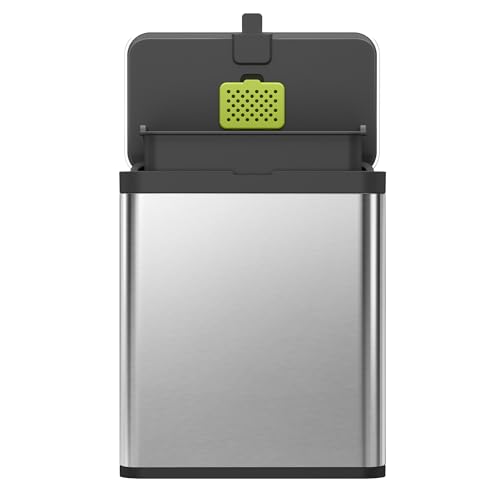
EKO 7L Stainless Steel Kitchen Compost Bin
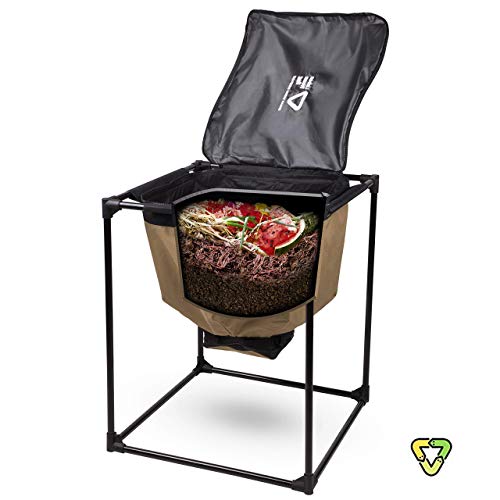
Urban Worm Bag Worm Composting Bin V2

VIVOSUN 300 Gallon Expandable Outdoor Composter

KIBAGA 1.1 Gallon Countertop Compost Bin
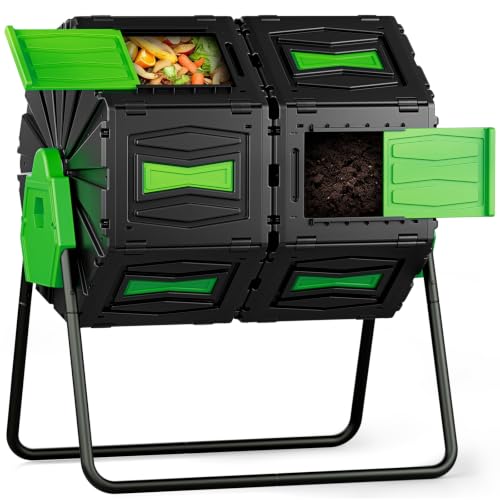
Marcytop 45-Gal Dual Chamber Compost Tumbler

VEVOR 43-Gal Dual Chamber Tumbling Composter

THE Growing 43 Gal Compost Tumbler with Thermometer
Inside Each Recommended Option
If you live in an apartment without outdoor space, the Ouaken 4L Electric Composter tackles the single biggest obstacle to indoor composting: the smell. Unlike the open-top EKO bin below, this electric unit uses high-temperature drying, grinding, and cooling cycles to reduce scraps into a dry, low-volume material you can scoop into a planter or trash bag.
The 4L chamber holds roughly a day or two of household scraps for two adults, and the auto-clean function saves you from scrubbing dried residue off internal parts. For most kitchens with a standard 15-amp circuit, you just need a clear corner on the counter and an outlet.
Everyday Advantages
- Truly closed-loop odor control: high-temp drying kills the smell that plagues open bins.
- Grinding reduces volume, so emptying happens weekly rather than daily.
- Auto-clean cuts the maintenance that usually scares people off electric composters.
- Compact footprint fits beside a coffee maker without dominating counter space.
Honest Caveats
- You’ll need to run cycles regularly, or wet scraps can cake against the chamber walls.
- The processed output isn’t true finished compost; most owners mix it into soil before planting.
- Replacement carbon filters add an ongoing cost worth budgeting for.
Quick Facts
Whose Shelf It Belongs On
Apartment dwellers, busy professionals, and anyone with no yard access who still wants to divert food scraps from landfill.
Look Elsewhere When
You compost for a family of four with high-volume scraps; the VIVOSUN 300 Gallon Expandable Outdoor Composter handles that throughput in the backyard.
The EKO Kitchen Compost Bin trades the high-tech grit of the Ouaken for a more traditional approach wrapped in a clean stainless shell. The 7L (1.85-gallon) inner bucket gives you roughly double the capacity of the KIBAGA bin below, which means fewer trips to the outdoor pile on a busy cooking week.
Where this model earns its keep is flexibility. You can hang it over a cabinet door, mount it on a wall, or leave it freestanding on the counter. The lid uses a soft-close mechanism to keep odors from drifting into the room, and the inner bucket lifts out for emptying without you hauling the whole steel exterior to the sink.
Features That Help
- Removable inner bucket simplifies transfer to an outdoor bin.
- Lid design traps odors better than flip-top alternatives.
- Stainless exterior wipes clean in seconds and resists fingerprints when buffed.
- Triple placement options suit renters who can’t drill into cabinets.
Small Caveats
- Stainless shows water spots if you skip drying after a rinse.
- It’s a holding bin, not a composter: you’ll still need an outdoor system to finish the decomposition.
Made For
Style-conscious home cooks who want a bin that complements modern kitchen hardware and don’t mind transferring scraps outside weekly.
Reach For A Different Pick When
You want a fully automated indoor cycle with no outdoor handoff; the Ouaken 4L Electric Countertop Composter does the grinding in place.
Vermicomposting uses worms to break down scraps, and the Urban Worm Bag Version 2 makes that process more approachable than most DIY setups. The breathable fabric keeps the worm bed aerobic, meaning the worms get enough oxygen to stay alive and active. You feed from the top through a surface opening, then harvest finished castings from the bottom through a removable zipper-free panel.
This is the slowest system on the list. Worms work at their own pace, and you’ll wait a few months before your first harvest. But you also get some of the richest compost possible: worm castings are widely reported to outperform standard compost for seedling starts and houseplants.
Good Reasons To Consider
- Produces high-value castings prized for seed-starting mixes.
- Breathable material prevents the anaerobic (oxygen-starved) smell that plagues sealed bins.
- Bottom harvest design means no dismantling to collect finished compost.
- Folds flat for storage during winter if you bring worms indoors.
Trade-Offs To Consider
- Worms die if the bin gets too hot or too cold; placement matters more than with a passive pile.
- Slower throughput means this won’t keep up with a family generating a full bucket daily.
- You’ll need to buy worms separately and learn basic worm-care, like moisture and pH balance.
Spec Overview
Best Suited To
Patient gardeners who want castings for seed-starting and houseplants, and who enjoy a low-maintenance system over a high-speed one.
Swap It Out When
You produce more scraps than worms can process; the Marcytop 45-Gal Dual Chamber Compost Tumbler chews through yard waste much faster.
The VIVOSUN 300 Gallon Expandable Composter is the largest capacity pick in this roundup, and it suits homeowners with serious yard waste: fall leaves, grass clippings, pruning debris, and kitchen scraps combined. Unlike the dual-chamber tumblers below, this is a stationary pile system, which means decomposition happens at the pace of nature rather than through manual turning.
The HDPE (high-density polyethylene) construction resists corrosion and weather, so the bin stays outside year-round without cracking. You can adjust the height as the contents settle, which keeps the pile aerated and reduces how often you need to empty it.
The Good Stuff
- 300-gallon capacity swallows entire bagged leaves in one go.
- Adjustable height lets you expand or compress the bin to match the pile size.
- HDPE body tolerates sun, rain, and freeze-thaw cycles without warping.
- Includes gloves, which is a small but appreciated touch for handling scraps.
Things To Consider
- Stationary piles take longer to finish than tumblers; expect 6-12 months for usable compost.
- Large footprint demands a dedicated corner of the yard.
Who It Suits Best
Homeowners with multiple trees or large lawns who need somewhere to put raked leaves and grass clippings every season.
Consider Something Else When
You want finished compost in weeks, not seasons; the VEVOR 43-Gal Dual Chamber Tumbling Composter accelerates decomposition by spinning the chamber.
The KIBAGA Compost Bin is the smallest countertop option on this list, and that’s its whole appeal. At 1.1 gallons, it tucks next to a knife block without taking over the workspace. It’s a holding pail, not a composter, so you’ll empty it into an outdoor bin or the Ouaken electric unit above.
The smell-proof lid is the standout feature. Rather than relying on replaceable carbon filters (which add cost and waste), the lid forms a tight seal that keeps odors from drifting. For most one- or two-person households, that seal holds for a day or two between emptyings.
Advantages To Know
- Rust-proof construction handles daily rinses and wipe-downs.
- Tight-fitting lid eliminates the need for replacement filters.
- Minimalist design suits modern and traditional kitchens alike.
Points To Note
- Small capacity means frequent emptying for households that cook nightly.
- It’s a scrap collector; you still need a downstream composting solution.
Right Fit For
Singles, couples, and renters with limited counter space who want a tidy, no-fuss place to collect scraps before transferring outside.
A Better Fit Elsewhere
You produce enough scraps to fill this bin twice a day; the EKO 7L Stainless Steel Kitchen Compost Bin offers triple the capacity in a similar footprint.
The Marcytop Tumbler solves a problem most stationary bins can’t: continuous composting. The two 22.5-gallon chambers let you fill one while the other finishes. A few spins every couple of days mixes the contents and aerates the pile, which speeds decomposition far beyond what the VIVOSUN stationary bin achieves.
Compared to the VEVOR tumbler below, this one is lighter and easier to assemble, but it uses thinner plastic walls. Owners with mild climates report solid year-round performance; those in harsh winter zones may see the plastic become brittle over time.
Where It Helps
- Dual chambers mean you never have to stop adding scraps while waiting for a batch to finish.
- Tumbling action cuts decomposition time significantly compared to open piles.
- Easy assembly saves an afternoon compared to heavier steel-frame options.
Honest Caveats
- Plastic walls are thinner than competitors; avoid heavy impacts during winter.
- 45-gallon total capacity trails the VIVOSUN 300-gallon bin for very large yards.
Perfect Match For
Suburban households producing steady kitchen and yard waste who want compost ready in a couple of months rather than a full year.
Skip It When
You need maximum volume for estate-scale yard work; the VIVOSUN 300 Gallon Expandable Outdoor Composter swallows leaves at a much larger scale.
The VEVOR 43-Gal Tumbling Composter adds a steel frame to the dual-chamber concept, which stiffens the whole structure compared to all-plastic tumblers. Two sliding doors let you load scraps and unload finished compost without lifting the barrel off its mount.
The PP (polypropylene) body is BPA-free, so you don’t have to worry about plastic residues leaching into compost destined for edible gardens. The 360-degree tumble design mixes contents thoroughly; the trade-off is that you need a bit of space to spin the drum without hitting a fence.
Standout Benefits
- Steel frame adds rigidity over all-plastic tumblers.
- BPA-free construction suits vegetable gardens and edible landscaping.
- Two sliding doors simplify loading and unloading.
Potential Drawbacks
- Smaller 43-gallon total capacity trails the Marcytop’s 45 gallons.
- Tumble range requires clearance on both sides to rotate fully.
Who Should Grab It
Backyard composters who want year-round use and feed edible garden beds, and who have a few feet of clearance on either side of the bin.
Where A Sibling Pick Shines
You want to monitor internal temperature for hot composting; THE Growing 43 Gal Compost Tumbler with Thermometer includes a built-in gauge.
THE Growing 43 Gal Tumbler adds a feature the rest of the roundup lacks: a built-in thermometer. Hot composting (maintaining internal temperatures between 130-160°F) breaks down material faster and kills weed seeds and pathogens. Without a thermometer, you’re guessing; with one, you know exactly when to turn and when to add browns (carbon-rich materials like dry leaves) versus greens (nitrogen-rich materials like food scraps).
Like the VEVOR above, this is a non-electric tumbling bin designed for residential yards. The orange color is highly visible, which helps you spot it behind a fence or shed but may clash with more muted landscape palettes.
What It Does Well
- Built-in thermometer removes guesswork from hot composting.
- Sized appropriately for active families with steady kitchen and yard waste.
- Processes fruit peels, coffee grounds, grass clippings, and autumn leaves efficiently.
Small Limitations
- Bright orange finish may not blend into understated landscape designs.
- Hot composting requires more attention than passive bins; you’ll turn and check temperature weekly.
Built With In Mind
Hobbyist composters who want to fine-tune their process and aren’t afraid to check temps and turn the drum on schedule.
Not Your Match When
You prefer a set-and-forget bin; the VIVOSUN 300 Gallon Expandable Outdoor Composter runs on patience rather than active management.
What Matters Most Before Choosing Home Compost Systems
Capacity vs. Household Output
A 1.1-gallon bin works for a single person who cooks occasionally, but the same bin will overflow within a day for a family of four that cooks nightly. As a rule of thumb, one adult generates roughly a quart of food scraps per day, so a 7L bin covers two adults for about three days before emptying. Outdoor bins scale up the same way: a 45-gallon tumbler handles a small yard’s seasonal debris, while 300 gallons is more like a multi-tree property with serious leaf drop.
Indoor vs. Outdoor Decomposition Speed
Electric countertop units process scraps in hours through heat and grinding, but the output isn’t true compost. Tumblers finish usable compost in 2-3 months with regular turning. Stationary bins take 6-12 months. Worm bins work somewhere in between, producing castings (worm excrement used as a powerful soil amendment) in 3-6 months. Your patience level matters as much as your waste volume.
Material and Climate Fit
HDPE and PP plastics handle UV and freeze-thaw well in most climates. Stainless steel resists corrosion indoors but can dent if dropped. Fabric worm bins need shaded placement in hot summers and protection from freezing in cold winters. Match the material to where the bin will actually live.
H2 Key Considerations Across These Picks
Common Shopping Slip Ups
Buying the smallest cute bin because it matches your kitchen, then watching it overflow by day two, is the classic indoor trap. On the outdoor side, picking a tumbler for a half-acre yard leads to endless emptying cycles. Match the bin to your real waste stream, not your aesthetic ideal.
Why Top Tier Costs More
Premium outdoor bins add steel frames, sliding doors, and thermometers that cheaper models skip. Premium indoor units add auto-clean cycles and sealed filtration. The upgrade makes sense when you’ll use those features weekly; otherwise, a basic model does the same core job.
Frequently Asked Questions
What size compost bin do I need for a family of four?
Plan for roughly 2-3 gallons of indoor holding capacity per day between emptying, and at least a 40-gallon outdoor bin to keep up with yard waste. Families cooking most meals at home often outgrow small countertop pails within a day.
Do electric composters actually work?
Yes, they reduce scraps through heat, grinding, and drying cycles. The output is a dry, lower-volume material rather than finished compost, and most users mix it into soil or add it to an outdoor pile to finish breaking down.
How often do you need to turn a tumbling composter?
Every two to three days during active decomposition keeps the pile aerated and speeds up the process. Skipping turns slows decomposition and can create anaerobic pockets that smell unpleasant.
Can you put meat and dairy in a home compost system?
Most backyard bins and worm bins handle only fruit, vegetables, coffee grounds, and yard waste. Electric countertop composters are typically the exception and can process a broader range of scraps. Meat and dairy attract pests in outdoor piles, so feed those to electric units only.
How long until you get usable compost?
Hot-composting tumblers produce finished material in 2-3 months. Cold stationary piles take 6-12 months. Worm bins produce castings in 3-6 months. Electric countertop units produce a dried material in hours, but it still benefits from curing in soil.
Final Verdict
The right home compost system depends on where you live and how you cook. Apartments call for an electric countertop unit or a compact stainless pail. Suburban yards with steady waste benefit most from a dual-chamber tumbler. Larger properties with serious leaf volume need the capacity of a 300-gallon stationary bin. Match the system to your real routine, and the habit sticks.
