

A single ant trail across the kitchen counter can derail an entire evening, and a mosquito colony in the backyard makes a July cookout feel unbearable. The right home insecticide turns those frustrations into a short, manageable task, whether you’re defending a pantry, a perimeter, or a stretch of lawn. This roundup covers concentrated formulas, ready-to-use sprays, and soil treatments built for everyday household and yard use. Each pick is matched to a specific scenario so you can match the bottle to the bug.
A Side-By-Side Look

Martin’s 32 oz Permethrin 13.3% Concentrate

CSI Cyper WSP Cypermethrin Insecticide, Water-Soluble Packets 4ct
Ortho Home Defense Insect Killer for Indoor & Perimeter Refill2

Ortho 0196410 Home Defense MAX Insect Killer Spray for Indoor and Home Perimeter

Tempo SC Ultra by Bayer Broad-Spectrum Insecticide, 240ml

Quali-Pro Imidacloprid T&O 2F Insecticide

BASF PT 221L Pressurized Insecticide Aerosol Spray
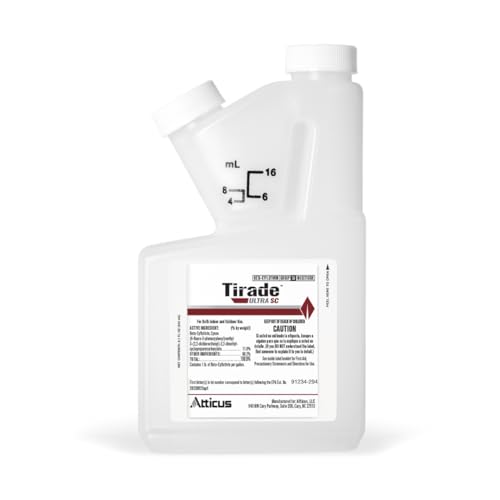
Atticus Tirade Ultra SC Insecticide (240ml)
Meet The Standout Selections
Martin’s Permethrin 13.3% Concentrate is the kind of bottle you reach for when a single can of aerosol isn’t going to cut it. The 32-ounce format is a true concentrate, meaning you dilute it in water and apply with a pump sprayer, hose-end sprayer, or even a handheld fogger for whole-room treatments. Permethrin is a synthetic pyrethroid, a class of insecticides modeled on natural chrysanthemum chemistry, valued for both fast contact kill and residual activity that keeps working after it dries.
Homeowners with acreage, a small barn, or a stubborn flea problem in carpeted rooms tend to gravitate to this size. It earns its place on the list because one quart stretches across so many use sites, from kitchen baseboards to outdoor perimeter lines to a fogger for an empty garage.
Standout Benefits
- Single bottle covers indoor, outdoor, and even pet-area spaces (when applied per label and never directly on animals).
- Residual activity means fewer repeat applications, saving you time on monthly routines.
- Compatible with pump sprayers, hose-end attachments, and fogging equipment, so you can match the tool to the job.
- Broad-spectrum formula tackles ants, mosquitoes, fleas, ticks, and flies in one purchase.
Things To Consider
- Concentrate requires accurate dilution, so a kitchen measuring cup won’t do the job.
- Synthetic pyrethroid scent may bother sensitive users in enclosed spaces without ventilation.
- Storage in a cool, locked cabinet is essential around children and pets.
Key Specs
Who Will Love This
Property owners managing large yards, multiple outbuildings, or recurring flea issues that smaller cans cannot keep up with.
Skip It When
Ortho Home Defense MAX Insect Killer Spray fits better for anyone wanting a grab-and-go bottle with zero measuring or mixing required.
Where Martin’s leans on liquid concentrate, CSI Cyper WSP takes a different route with pre-measured water-soluble packets. Each envelope holds four packets at 40% cypermethrin, another synthetic pyrethroid, and you drop a packet straight into a sprayer tank where it dissolves on its own. For anyone who has spilled concentrate on a garage floor or spent ten minutes fumbling with a measuring cap, that convenience is the whole pitch.
Cyper WSP is positioned for commercial and residential structures, including healthcare and food-handling-adjacent sites, so it carries the broad-label flexibility pros look for. One envelope is enough to treat roughly a 2,000-square-foot home, depending on target pest and surface.
A Strong Showing
- No measuring or skin contact with concentrate, since each dose is sealed in its own packet.
- Fast knockdown with extended residual control helps with ants, spiders, and roaches in one treatment cycle.
- Suitable across indoor, outdoor, and many commercial environments per the label.
Worth Noting
- Limited packet count per envelope means reorders are common for whole-property treatments.
- Requires a clean sprayer and agitation, so the water-soluble promise still needs proper equipment.
The Right Fit
Diligent homeowners and small-business operators who want professional-grade results without the mess of jug-format concentrates.
Consider Something Else When
Bayer Tempo SC Ultra makes more sense for buyers who prefer a liquid concentrate in a smaller, more familiar bottle format.
The Ortho Home Defense Refill2 is the gallon jug most people picture when they think “bug spray for the house.” It’s a ready-to-spray formula designed to work with the Ortho Home Defense reusable sprayer system, so you pour, attach, and walk the perimeter. The label is the part that surprises newcomers: barrier protection for ants, roaches, and spiders on nonporous indoor surfaces is rated for up to 12 months.
That long residual claim is the selling point. A single spring application around the foundation, plus targeted indoor touch-ups, can carry a household through most of the year. It targets the everyday bugs suburban homes deal with, from stink bugs in the fall to crickets and spiders in the basement.
Reasons It Performs
- Ready-to-use formula skips the dilution step that turns many homeowners off concentrates.
- Long residual window on nonporous indoor surfaces reduces how often you reapply.
- One-gallon size supports whole-perimeter coverage without frequent refills.
Trade Offs
- Best paired with the Ortho sprayer system, which is a separate purchase for some shoppers.
- Outdoor exposure to heavy rain or irrigation can shorten the effective barrier window.
Best Suited To
Suburban homeowners who want a single jug to cover the foundation, garage, and basement entry points each season.
Not Your Match When
Quali-Pro Imidacloprid T&O 2F fits better for households fighting soil-dwelling grubs in turf rather than perimeter crawling bugs.
The 24-ounce Home Defense MAX is the same chemical family as the gallon refill but in a trigger-spray bottle that lives in a kitchen cabinet. It’s the can most people buy first, because there’s nothing to mix, nothing to unlock, and a clear use pattern: spray along baseboards, around door frames, into cracks where bugs enter, and you’re done. The two-pack format is the practical detail, since you almost always need a second bottle for the garage or the upstairs bathroom.
For the reader who has never opened a concentrate bottle, this is the right starting point. It targets ants, roaches, spiders, stink bugs, and centipedes, and the same 12-month indoor residual claim applies when you treat nonporous surfaces like tile, sealed concrete, and painted wood.
What Works In Its Favor
- Zero setup makes it approachable for first-time users.
- Targets the most common household invaders on a single label.
- Non-staining formula reduces the risk of marks on trim or baseboards.
Minor Gripes
- Smaller bottle means frequent refills for whole-house coverage.
Right Fit For
New homeowners, apartment dwellers, and anyone easing into DIY pest control with a low-commitment first purchase.
A Better Fit Elsewhere
Martin’s Permethrin Concentrate suits large properties where a 24-ounce ready-to-use bottle would run dry after one perimeter walk.
Tempo SC Ultra is Bayer’s pro-grade liquid concentrate built around 11.8% beta-cyfluthrin, a fast-acting pyrethroid that turns powder-form performance into a pump-friendly liquid. The point of the SC (suspension concentrate) format is less mess and less agitation in the tank, which matters more when you’re treating a whole house rather than a single ant trail.
The label covers a long list of nuisance pests, and a specialized note for stored-product pests like Indian meal moths and rice weevils, which makes this a versatile pick for pantries, basements, and food-adjacent storage areas. You can use it indoors, outdoors, or as a pre-treatment for stored grain in small volumes.
Where It Helps
- Liquid form means easier mixing and more uniform spray dispersion.
- Targets over 100 listed pests, which is rare even among concentrates.
- Reduced active-ingredient rate per finished gallon keeps chemical exposure modest.
Honest Caveats
- Small 240ml bottle goes fast on multi-room jobs, so plan for a backup bottle.
- Requires careful dilution and a dedicated sprayer, which adds up-front cost for first-timers.
Made For
Experienced DIYers and licensed applicators who already own a pump sprayer and want a concentrate that performs like a powder.
Look Elsewhere When
Atticus Tirade Ultra SC offers a comparable formulation with the same active ingredient for shoppers prioritizing value over brand name.
Most of the picks on this list target bugs that walk or fly onto surfaces. Quali-Pro Imidacloprid T&O 2F is the odd one out, because it works underground. Imidacloprid is a systemic insecticide, meaning the plant absorbs it through its roots and the chemical moves into the tissue, so any insect feeding on the plant ingests the active ingredient along with its meal. That mechanism is exactly what you want against soil-dwelling grubs and root-feeding beetles.
Positioned as a generic alternative to the well-known Merit brand, this 2F formulation covers turfgrass, landscape plantings, and golf-course-quality lawns. Use sites include home lawns, ornamentals, and commercial grounds, with low use rates that make a single bottle stretch across several thousand square feet.
Points In Its Favor
- Targets the grub life stage before grubs become visible surface damage, which is the cheapest moment to break the cycle.
- Low application rates mean a small bottle covers large turf areas.
- Generic pricing makes professional-grade grub control accessible to homeowners.
Points To Keep In Mind
- Does not address flying or crawling bugs on contact, so it complements rather than replaces perimeter sprays.
- Timing matters, since late-summer applications typically target the most vulnerable life stage.
Feature Snapshot
Whose Shelf It Belongs On
Homeowners with established turf who want a once-a-year preventive treatment rather than reactive surface spraying.
Swap It Out When
CSI Cyper WSP fits better when the problem is on the surface, like a perimeter ant invasion rather than a root-feeding grub cycle.
BASF PT 221L is the pressurized aerosol that pros reach for when a perimeter spray would be overkill. The 14-ounce can delivers a non-repellent formulation, meaning insects don’t detect it and avoid the treated zone, so they walk through the residue and carry it back to the colony. That property is what makes it valuable for targeted treatments: ants, bed bugs, cockroaches, and even wood-infesting beetles like termites and carpenter ants.
The label allows use in homes, hospitals, restaurants, schools, and food-handling areas, though the reapplication intervals differ by setting. For bed bugs, the can calls for 7-day intervals during active treatment, while food-handling establishments typically reapply every 21 days.
Strengths Worth Knowing
- Pressurized delivery means no separate sprayer, batteries, or pump priming required.
- Non-repellent chemistry helps reach pests that would dodge perimeter sprays.
- Approved for use in commercial environments like hospitals and schools, which signals a higher safety bar.
Softer Spots
- 14-ounce can runs out quickly during whole-room treatments.
- Reapplication intervals for bed bugs demand consistent follow-through, which can stretch over several weeks.
Perfect Match For
Apartment dwellers, hospitality workers, and homeowners facing a single-room infestation rather than a whole-house issue.
Another Choice May Suit
Ortho 0196410 Home Defense MAX is a better pick for whole-home perimeter coverage on a casual DIY schedule.
Atticus Tirade Ultra SC is the value-focused sibling in the beta-cyfluthrin space. It carries 11.8% beta-cyfluthrin, the same active ingredient as Tempo SC Ultra, in a comparable suspension-concentrate format. The honest read is that for shoppers who already know how to mix concentrates and want the same chemistry without the brand premium, Tirade Ultra SC is the practical choice.
Use sites include indoor, outdoor, and perimeter applications across residential settings, with a broad pest list that runs past 100 entries. The 240ml size is a sensible starting bottle for a first-time concentrate user.
A Few Strong Suits
- Same active ingredient as the pro-grade leader at a friendlier price point.
- Broad-spectrum label covers the most common household invaders.
- SC format mixes cleanly with minimal tank agitation.
Trade-Offs To Consider
- Smaller brand footprint means fewer published third-party guides for first-time users.
- 240ml is a starter size, so multi-room jobs may need a second bottle quickly.
Who Should Grab It
Budget-conscious DIYers who already own a pump sprayer and want pro-grade chemistry without paying the brand premium.
Reach For A Different Pick When
Bayer Tempo SC Ultra makes more sense for shoppers who prefer buying from the most established brand in the category.
Choosing a Home Insecticide That Fits Your Situation
The right home insecticide depends on three things: the pest, the surface, and your comfort with mixing. Ready-to-use sprays like Ortho Home Defense MAX are the most forgiving format, since you point and spray, while concentrates like Martin’s Permethrin and Bayer Tempo SC Ultra offer more coverage per dollar if you’re willing to dilute accurately.
For surface invaders, ants, roaches, spiders, and crickets, pyrethroid-based sprays and concentrates (permethrin, cypermethrin, beta-cyfluthrin) cover the broadest range. For subsurface pests like lawn grubs, a systemic like Quali-Pro Imidacloprid is the right tool. For pinpoint indoor infestations, a pressurized non-repellent aerosol like BASF PT 221L reaches bugs that would dodge perimeter sprays.
Match the format to the room: outdoor perimeter treatments favor long-residual concentrates or ready-to-sprays, while kitchens and bedrooms call for odor-controlled, non-staining formulas. For households with kids or pets, a ready-to-use trigger spray often offers the cleanest experience, since there’s no concentrate to store between uses. Stored properly in a cool, dry cabinet, most of these products hold their effectiveness for a full year or longer.
Reading The Label Without Getting Lost
Every insecticide label lists the active ingredient, the use sites, and the target pests. Match all three to your situation before you buy. A product labeled for outdoor perimeter use only won’t help with a kitchen ant trail, and a stored-grain product may not be appropriate for a backyard.
The signal words, “Caution,” “Warning,” and “Danger,” indicate toxicity tier, and most consumer insecticides fall in the lowest band. State restrictions may apply to some concentrates, so check local rules before treating large outdoor areas.
Key Considerations Across These Picks
Mistakes Worth Dodging
Buying a concentrate for a one-room ant problem usually ends with most of the bottle stored in a garage for years, when a $10 ready-to-use spray would have solved the issue the same afternoon. The reverse mistake is buying a 24-ounce trigger bottle to treat a multi-acre property, then discovering you need six more cans to finish the job. Match the format to the scope. A second common slip is treating the indoor surface when the entry point is outdoor, so a perimeter application is what actually keeps the bugs out.
Where The Extra Money Goes
Premium concentrates and pro-grade brands earn their higher tier by offering lower use rates per gallon of finished spray, longer residual windows, and broader pest labels that include harder-to-control species like bed bugs and stored-product pests. For a casual homeowner with a small perimeter, the upgrade rarely pays off. For a multi-acre property, a serious DIYer treating annually, or a household that wants one bottle to cover a long list of pests, the premium tier saves money over time and avoids the hassle of juggling multiple products.
Frequently Asked Questions
How long does a home insecticide residual last indoors?
Most consumer insecticides claim 3 to 12 months of residual activity on nonporous indoor surfaces, depending on the active ingredient and surface type. Heavy cleaning, sunlight, and high humidity shorten the effective window, so reapplication on touched surfaces is normal after a few months.
Can I use outdoor insecticides inside the house?
Most outdoor formulations are not labeled for indoor use because of odor, vapor concerns, and longer residual periods than indoor spaces need. Use products specifically labeled for indoor application inside the home, and reserve outdoor-only products for foundation, garage, and yard work.
What is the difference between a concentrate and a ready-to-use spray?
A concentrate is a high-strength liquid you dilute with water before applying, which gives you more control over coverage and cost. A ready-to-use spray comes pre-mixed in a trigger bottle for immediate application, with no measuring required.
Are pyrethroids safe around pets and children?
Most consumer pyrethroid insecticides are labeled for use around pets and children once the treated surface is dry. Keep animals and kids away during application and until surfaces are fully dry, and store concentrates in a locked cabinet between uses.
How do I treat grubs without harming my lawn?
A systemic insecticide like imidacloprid is absorbed through the grass roots and targets grubs feeding underground, with minimal impact on surface-dwelling beneficial insects when applied per label. Apply in late summer for the most vulnerable grub life stage, and water the area lightly after treatment to move the product into the root zone.
Closing Remarks
The best home insecticide is the one that matches your pest, your surface, and your comfort with mixing. Concentrates stretch further per dollar for large properties and recurring jobs, while ready-to-use sprays deliver fast results for single-room issues. For lawn grubs and soil pests, a systemic treatment fills a role that surface sprays cannot. Match the format to the scope, follow the label, and most home pest problems become a single afternoon’s work rather than a season-long battle.
