

Aging rubber hose splits in the driveway, you snap the spray nozzle, and the next trip to the shed turns into a small shopping project. The best hose pipes today solve the old frustrations: kinking at the spigot, fittings that corrode after one summer, and coils so stiff they refuse to coil back. Whether you’re watering a balcony herb garden or running water around a half-acre lot, the right pipe makes outdoor chores less of a chore.
The Picks In Brief

Camco TastePURE 25-Ft RV Drinking Water Hose

PUUKU 25ft x 5/8″ Non-Expandable Garden Hose

Flexi Hose Expandable 100FT with 8-Function Nozzle
Mbtrong 100ft Non-Expandable Hose with 10-Function Nozzle

CXEZSIK 50ft Lightweight Non-Expanding Garden Hose

IBXFO 100ft Ultra-Light Non-Expanding Garden Hose
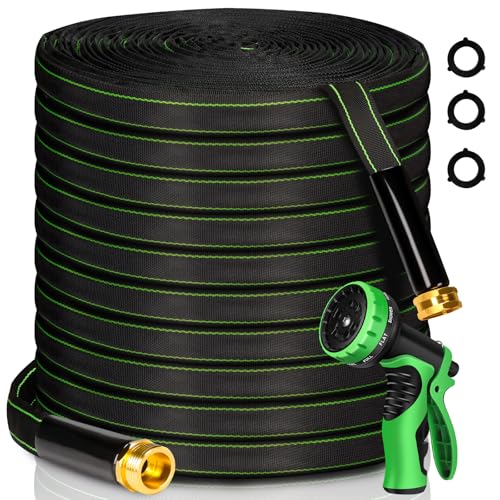
Ahititi 100ft Non-Expandable Hose with Brass Fittings

HEYRSUN 25ft Non-Expandable Hose with 10-Function Nozzle
Why These Options Stand Out
Most of the picks on this list are aimed squarely at lawn and garden work, so the Camco TastePURE stands apart by serving a different audience entirely. It’s a potable-water hose, meaning it’s designed for moving drinking water rather than chasing sprinklers across the lawn, and the 25-foot length is the classic range for hooking up an RV to a campground spigot.
If your priority is filling a freshwater tank, topping off a camper sink, or running safe water to an outdoor bar, this is the right tool. RV owners on long trips tend to value peace of mind over flexibility, and the dedicated drinking-water design covers that need without asking you to second-guess what runs through the line.
Benefits That Matter
- Potable-water construction lets you run drinking-grade water without off-flavors
- 25-foot length is a practical fit between typical RV parks and a camper inlet
- Made in the USA, which can matter for shops that prioritize domestic supply
- Lightweight enough to handle solo on a windy campsite afternoon
Things To Consider
- Not built for general yard watering, where a heavier hybrid hose will outlast it
- 25 feet may feel short on large lots that need to reach distant spigots
Who It Suits Best
Campers, RV travelers, and homeowners who need a short, dependable line for safe drinking water at a campsite or outdoor sink.
Where Another Pick Suits Better
Anyone focused on everyday lawn watering will get more use from the HEYRSUN non-expandable 25-foot hose, which trades the drinking-water rating for sturdier general-purpose construction.
Short hoses have a quiet appeal: they don’t drag across flower beds, they store in a tight closet, and they won’t fight you when you wind them up after a quick watering. The PUUKU 25-foot hose leans into that with a hybrid PVC and rubber-polymer build that aims to stay light without feeling flimsy.
You may find this works best in a patio setting, a small urban yard, or a container garden where the spigot is never more than a few steps from the planter. The 5/8-inch diameter is the standard residential size, so it pairs with the typical nozzle and timer you already own.
Notable Upsides
- Hybrid construction keeps weight down for everyday carry around tight spaces
- Non-expandable design means the hose length stays predictable under pressure
- Woven middle layer is built to resist abrasion from patio edges and pavers
Honest Caveats
- 25 feet is short for reaching the back corner of a larger suburban lot
- Limited manufacturer detail on maximum pressure rating compared to longer alternatives
Feature Snapshot
Made For
Apartment dwellers, small-yard homeowners, and anyone who wants a manageable hose for daily quick watering.
Consider Something Else When
You need to reach a detached garage or far garden bed; the 100-foot IBXFO non-expanding hose will cover longer runs without dragging a bulky reel.
Expandable hoses made a big splash years ago for a simple reason: they collapse to a fraction of their working length. The Flexi Hose 100FT continues that approach with a double latex core that inflates under pressure, then drains back to a compact coil when you shut off the spigot.
For anyone storing a hose in a closet, a small bin on the porch, or the back of a gardening van, the space savings matter more than bragging rights about burst pressure. The 3/4-inch solid brass fittings are sized to match common outdoor faucets, and the included 8-function nozzle covers mist, jet, shower, and cone patterns without forcing a separate purchase.
Real Benefits
- Collapses to a fraction of its 100-foot working length for tight storage
- Solid brass 3/4-inch fittings resist corrosion in humid summer conditions
- Double latex core is the standard durability feature in this category
- 8-function nozzle arrives in the box, sparing a trip for a separate spray head
Points To Note
- Expandable hoses can develop pinhole leaks at fold points over several seasons
- Owners commonly report storing the hose fully drained to extend its lifespan
Best Suited To
Suburban gardeners with limited shed space who appreciate a hose that nearly disappears when not in use.
Look Elsewhere When
You want a fixed-length hose that won’t depend on latex expansion for flow; the Ahititi non-expandable 100-foot hose delivers steady output without that concern.
Climate is the silent killer of garden hoses. A pipe that feels perfect in June can stiffen into a brittle rod by January, and the same hose can balloon awkwardly in July heat. The Mbtrong 100-foot non-expandable hose is one of the few in this price range that names a working temperature range, advertising flexibility from roughly -4°F to 176°F.
If you garden through snowy shoulder seasons or store the hose outdoors in a hot garage, that temperature story matters. The 10-function nozzle is broader than what most brands bundle, and the high-density braided fiber outer layer is meant to shrug off scrapes from patio stones and dragged tools.
Positive Points
- Operates across a wide -4°F to 176°F range, unusual at this category
- Double-reinforced inner tube targets the tearing and bursting common in cheap pipes
- 10-function nozzle offers more spray variety than typical 6 or 8 setting heads
- 100-foot run covers most residential properties end to end
Some Limits To Know
- 100 feet of non-expandable hose is heavier to reel in than an expandable equivalent
- Long runs can kink at the spigot if the first ten feet aren’t uncoiled smoothly
Quick Facts
Perfect Match For
Homeowners in four-season regions who keep the hose outdoors through freezing nights and want to skip mid-winter replacements.
Not Your Match When
You need a short, light line for daily patio watering; the PUUKU 25-foot hybrid hose is a friendlier carry in that scenario.
There’s a sweet spot between the tiny 25-foot hose and the back-breaking 100-footer: the 50-footer. The CXEZSIK 50-foot non-expanding pipe is aimed squarely at that middle, layering four plies of material to keep a steady, predictable length without the bulk of older rubber hoses.
For many suburban yards, 50 feet is just enough to wrap a flower bed, reach a parked car, or get the back fence without dragging a longer hose across grass. The 3/4 GHT metal connector standardizes the connection to common US spigots, and the no-tangle construction is the kind of feature you stop noticing once you stop fighting your hose.
What It Does Well
- Four-layer build balances weight with long-term wear resistance
- 50-foot length suits most mid-sized yards without reel hassle
- Leak-resistant metal connector helps at the spigot, the most common failure point
Less-Strong Areas
- Non-expanding 50 feet still needs a hose reel or hook for tidy storage
- Not the right pick for very large properties that demand 100 feet of reach
Right Fit For
Suburban homeowners with average lot dimensions and a basic storage setup who want a reliable all-rounder.
A Better Fit Elsewhere
Anyone needing long reach across an acreage should look at the Ahititi 100-foot non-expanding hose, which trades portability for full-yard coverage.
Dragging 100 feet of hose is the kind of workout you don’t sign up for. The IBXFO 100-foot non-expanding hose is built around that exact complaint, marketing itself as significantly lighter than older rubber designs and engineering out kinks as you walk the line forward.
The trade-off is that non-expandable lightweight hoses sometimes feel less rugged in the hand, but for the average homeowner watering beds and washing cars, the ease of carrying matters more than armor plating. If your last hose left you sweaty halfway through a Saturday, this one is meant to address that.
A Favorable Mix
- Marketed weight reduction compared to traditional rubber hoses
- Self-correcting kink design: walking forward tends to straighten the line
- All-weather build covers the typical US climate range
- 100-foot length covers most suburban and small-acreage lots
Practical Considerations
- Lightweight non-expandable hoses can feel less substantial than older rubber pipes
- Long uncoiled hoses take up porch or garage room when stored loosely
Spec Overview
Who Should Grab It
Gardeners who need full-yard reach but want to avoid the heavy, dragging feel of traditional long rubber hoses.
Skip It When
You’d rather collapse the hose to a compact coil after use; the Flexi Hose expandable 100-foot model fits that storage preference.
Some chores ask more of a hose than others. Pressure washing a car, rinsing heavy equipment, or pushing water uphill to a garden manifold all benefit from a fixed-length hose with metal fittings that won’t flex under load. The Ahititi 100-foot non-expandable pipe leans into that role with 3/4-inch brass connectors and a flat-hose design.
Compare that to the expandable picks earlier in this list: where the Flexi Hose relies on internal latex for flow, this one holds its diameter and length regardless of pressure. For homeowners who treat the hose as a tool, not a novelty, that consistency is the appeal.
Strengths Worth Knowing
- Brass 3/4-inch fittings are a step up from plastic in durability
- Non-expandable flat design keeps length predictable under any pressure
- 100-foot length handles yards, driveways, and detached workspaces
- Compatible with pressure washer setups where steady flow matters
What To Weigh
- Flat-hose storage needs a reel or wide hook to avoid kinks at the fold
- At 100 feet of fixed length, expect a heavier carry than shorter or expandable options
Built With In Mind
Homeowners with pressure washers, large driveways, or equipment rinse stations who need steady flow without expansion surprises.
Reach For A Different Pick When
You mostly water small patio planters and don’t need the brass fittings or 100-foot reach; the PUUKU 25-foot hybrid hose is a lighter daily companion.
Short hoses sometimes hide the most interesting construction, and the HEYRSUN 25-foot non-expandable model is a case in point. It uses a 304 stainless steel reinforcement layer, which is more common on premium pipes than on entry-level 25-footers, and pairs that with brass fittings and double rubber gaskets at the connectors.
If you want a daily-driver hose for a small yard but you don’t want to baby it, this design leans into durability. The 10-function nozzle adds flexibility for misting seedlings or blasting patio grime, and the 600 PSI working pressure rating suggests it can stand up to a pressure washer feed.
What Stands Out
- Stainless steel reinforcement is uncommon at the 25-foot size
- Double rubber gaskets at the fittings target the most common drip point
- 600 PSI pressure handling supports pressure-washer use
- 10-function nozzle broadens what one hose can do
Worth Bearing In Mind
- 25-foot reach limits use to small yards or short runs from the spigot
- Stainless-reinforced construction can mean a slightly heavier feel than pure PVC hybrids
Feature Rundown
Who Will Love This
Homeowners with small yards who want premium-feeling construction in a compact, easy-to-store hose for daily routines.
Another Choice May Suit
If you need full-yard reach, the Mbtrong 100-foot non-expandable hose stretches much further while keeping a similar weather-flexible build.
Picking Hose Pipes That Match Your Yard
Length And Reach Before Anything Else
Measure from your outdoor spigot to the farthest point you typically water, then add roughly ten feet of slack for the loop that always forms at the spigot end. A 25-foot hose suits small patios and balcony gardens; 50 feet covers most suburban lots without a reel. Once you cross 75 feet, plan on a hose reel or hook because a 100-foot line stored in a pile is a kink waiting to happen.
Diameter And Flow Rate
Residential garden hoses typically come in 5/8-inch and 3/4-inch diameters. The 5/8-inch size is the everyday standard, balancing flow and weight; the 3/4-inch size moves more water per minute and pairs better with pressure washers and manifold systems. The trade-off is weight: 3/4-inch hoses at 100 feet tire your arms faster than the slimmer size.
Expandable Vs Non-Expandable Construction
Expandable hoses inflate with water pressure and collapse when the spigot shuts off, which is great for tight storage but introduces latex parts that can eventually pinhole. Non-expandable hoses hold a fixed length and rely on layered materials like PVC, polyester, and sometimes stainless steel reinforcement. For owners who treat the hose as a hard-use tool, non-expanding tends to age more gracefully.
Materials, Fittings, And Climate
Brass fittings outlast plastic, especially in humid climates, and double rubber gaskets at the connectors reduce the slow drip that ruins threads over time. If you garden through freezing winters or leave a hose outside in summer heat, look for a stated temperature range rather than a vague “all-weather” label. The Mbtrong hose in this roundup is one of the few that names a specific -4°F to 176°F window.
What The Nozzle Brings To The Table
Most hoses now bundle a multi-function nozzle, but pattern counts vary from 6 to 10 settings. More settings mean more flexibility for misting seedlings, washing cars, and rinsing tools without buying a separate spray head. If you already own a favorite nozzle, skip the bundled version and focus your budget on hose construction.
Key Considerations Across These Picks
Common Buying Slip Ups
Shoppers often buy length they don’t need, ending up with a 100-foot hose coiled behind a spigot that’s only 30 feet from the garden. The honest move is to measure twice and pick the shortest hose that comfortably reaches your farthest task. Another trap is chasing the lightest expandable hose without checking fitting material: plastic ends wear out faster than brass and usually force a replacement long before the hose itself fails.
Why Premium Picks Cost More
Higher-tier pipes usually spend their budget on three things: brass fittings, multi-layer reinforcement, and a named temperature rating. The MBtrong and HEYRSUN picks lean on those exact upgrades. Whether the upgrade is worth it depends on how rough your climate is and how often the hose gets dragged across concrete. For occasional weekend watering in mild weather, a basic hybrid hose does the job; for daily year-round use, the extra layer pays for itself in fewer replacements.
Frequently Asked Questions
What length of hose pipe do most homeowners actually need?
For most suburban lots, a 50-foot hose covers the distance from a typical backyard spigot to a far garden bed without dragging extra weight. Larger properties or detached workshops usually need 75 to 100 feet.
Are expandable hoses worth the convenience?
They are great for tight storage and occasional use, but the latex core inside can wear out faster than a layered non-expanding hose. For daily hard use, non-expanding picks like the Ahititi or IBXFO tend to age more predictably.
Does hose diameter change water pressure?
Diameter affects flow rate more than pressure. A 3/4-inch hose moves more gallons per minute than a 5/8-inch hose at the same pressure, which is helpful for pressure washers and large sprinklers but not necessary for a single garden bed.
Can I leave a garden hose outside in winter?
Some hoses are rated for freezing temperatures, but most last longer when drained and stored indoors. If outdoor storage is unavoidable, pick a model with a stated cold-weather range, such as the Mbtrong hose in this roundup.
How long should a quality garden hose last?
A well-made non-expanding hose with brass fittings typically lasts several seasons of regular use. Expandable hoses often show wear at the fold points after one to two seasons of daily use.
Closing Remarks
Match the hose to the job, not the other way around: short and light for patios, long and steady for full yards, potable-rated for campers. With the picks above, the right pipe is whichever one matches your spigot distance, your climate, and how rough your weekends get.
