

Indoor air carries more than you might expect, especially in tightly sealed homes and apartments where HVAC runs year-round. Adding the right greenery pulls double duty, softening a room’s look while quietly supporting a fresher indoor environment. This roundup covers eight living picks that suit a range of light conditions, decor styles, and pet households, so you can match a plant to your actual space rather than guessing at the garden center.
How The Shortlist Stacks Up

Lemon Lime Maranta Prayer Plant in 4″ White Pot

Costa Farms Golden Pothos Live Indoor Plant

Lemon Lime Prayer Plant in 4″ Pot

Polka Dot Plant Collection 4-Pack

Spider Plant Variety Pack 4 Live Plants

Costa Farms Parlor Palm Live Indoor Plant

Hypoestes Red Splash 3.5″ Pot
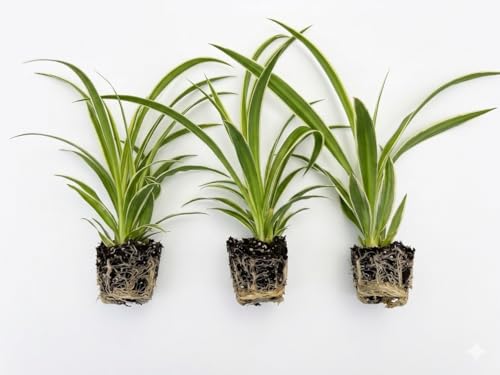
3 Pack Spider Plant Live Indoor Houseplants
The Details Behind The Selections
A living clock sits quietly on the shelf when this Maranta comes home. The leaves lift with the daylight and fold upward at dusk, a daily rhythm that turns a quiet windowsill into a small show. Yellow-green veining runs across each rounded leaf, bright enough to read across the room without competing with other decor.
Compared with the trailing Golden Pothos that follows this pick on the list, this one stays compact and grounded rather than reaching for the ceiling. Pet households tend to land here because the Prayer Plant family is widely recognized as non-toxic to cats and dogs, though keeping curious nibblers away is still wise. Bright, indirect light and evenly moist soil cover most care needs.
Noteworthy Benefits
- Pet-safe reputation that suits shared homes with cats or dogs
- Daily leaf movement brings living interest beyond static foliage
- Compact 4-inch footprint fits desks, side tables, and narrow shelves
- Tolerates medium indoor humidity, helpful in dry winter rooms
Things To Consider
- Tap water with high chlorine content may brown leaf tips; filtered water helps
- Direct sun bleaches the variegation quickly, so placement matters from day one
Feature Snapshot
Who It Suits Best
Pet parents in apartments with a bright window who want movement and color without a trailing vine.
Look Elsewhere When
The Costa Farms Golden Pothos suits you better when you want a forgiving trailing vine for a high shelf or hanging basket.
The Golden Pothos earns its reputation by surviving the moments other plants do not. A skipped watering, a dim corner, a draft from the front door: this trailing vine shrugs off much of it and keeps unfurling heart-shaped leaves. New growth reads as a slightly brighter yellow-green against the older foliage.
Where the Maranta that opened this roundup stays compact, the Pothos reaches for the edge of the pot and spills downward. In a boho-styled room, a hanging basket lets the vines frame a window; on a bookshelf, the tendrils soften the line of a hard edge. Pet households should weigh placement, as Pothos is generally regarded as toxic to cats and dogs if chewed.
Points In Its Favor
- Tolerates inconsistent watering better than most tropical picks
- Adapts to medium and low light, opening more placement options
- Trailing habit fills vertical space without taking a wide footprint
- Easy to propagate from stem cuttings if you want to expand the collection
Worth Noting
- Generally regarded as toxic to cats and dogs, so elevated placement helps in pet homes
- Variegation can revert toward plain green in very low light over time
At A Glance
Made For
First-time plant owners who want a forgiving trailing vine and a wide margin for watering mistakes.
Consider Something Else When
The Thorsen’s Lemon Lime Prayer Plant fits better in homes where pets roam at shelf level and a non-toxic reputation matters.
Marantas lean sideways rather than reaching upward, which makes them a natural choice for a sunny windowsill where a hanging basket can let the leaves trail along the glass. Bright green leaves with darker stripes trace the path of the light throughout the day, a slow choreography that rewards a moment of attention.
The plant family has earned a quiet spot in pet-aware homes because it is widely recognized as non-toxic. You may still see the vendor note flagging mild stomach upset if a curious pet decides to sample a leaf, so a bit of placement strategy goes a long way. Compared with the trailing Pothos reviewed just before, this one stays grounded and bushy.
Where It Helps
- Lateral growth fills a wide, low shape rather than a tall column
- Non-toxic reputation suits homes with curious cats or dogs
- Foliage movement adds life to a static windowsill display
- Tolerates the warm, evenly lit spots kitchens and sunrooms offer
Honest Caveats
- Leaves can crisp in dry winter air without occasional misting
- Slower to bounce back from severe underwatering than a Pothos
Feature Rundown
Best Suited To
Households with bright windows and a mix of adults, kids, and pets where a non-toxic reputation matters more than upright growth.
Skip It When
The Hypoestes Red Splash suits you better when you want a splash of red foliage on a tighter shelf with less leaf movement.
Hypoestes earns its nickname honestly. Each leaf wears a constellation of color rather than a single shade, and this collection arrives as a quartet: red, white, rose, and pink. Side by side on a shallow tray, the four starters read like a small still life that fits a desk or a coffee table corner.
Mature height tops out near 12 inches, so the plants stay in scale with most shelves and don’t crowd a room. The foliage holds its color year-round in the right light, which makes this a useful pick for renters who want a steady pop without redecorating. Compared with the leafy Maranta picks earlier in the roundup, color does the talking here instead of movement.
Useful Strengths
- Four cultivars give a varied color palette from a single order
- Compact 12-inch ceiling suits small desks and side tables
- Works in pots, hanging baskets, or garden beds in warm months
- Adds visual texture in rooms where everything else reads as solid green
Points To Keep In Mind
- Color fades in deep shade, so bright filtered light keeps the pattern strong
- Smaller starter pots may need repotting within the first season
Perfect Match For
Renters and small-space dwellers who want a starter quartet that adds four distinct colors to a narrow shelf or tray.
Reach For A Different Pick When
The Spider Plant Variety Pack fits better when you want trailing texture and four distinct cultivars across a room.
Four cultivars, one shipment: Ocean, Hawaiian, Green, and Bonnie Curly each bring a different texture to the same family. The Bonnie Curly alone can anchor a planter with its tight ribbon-like leaves, while the Ocean and Hawaiian types unfurl with broader variegation. Arranging the four along a sill lets you see the family resemblance and the differences side by side.
Spider plants have a long reputation for tolerating indoor conditions that unsettle fussier species. Bright indirect light and a weekly drink cover most needs, and runners eventually send out baby plantlets that root in water. Where the Polka Dot collection on this list leans on color, this quartet leans on leaf shape.
Real-World Strengths
- Four cultivars in one shipment invites comparison and arrangement
- Tolerates dry indoor air better than many tropical picks
- Produces plantlets that propagate easily for sharing or expanding
- Different leaf shapes suit varied planters from sleek to boho
Trade Offs
- Four plants means more watering cans in rotation during peak summer
- Some starter cultivars ship small and need a season to fill out
Technical Sheet
Who Should Grab It
Tinkerers and collectors who want four distinct spider cultivars in one shipment without hunting across multiple nurseries.
A Better Fit Elsewhere
The Hypoestes Red Splash makes more sense when you want a single bold color accent rather than four cultivars of similar foliage.
The Parlor Palm brings a different scale to a room than the smaller foliage picks earlier in this roundup. Solid green fronds arch outward from a central cluster, giving a tropical reading that fits both classic and modern rooms. Placed on a low table, it carries the eye upward without claiming the entire corner.
Bright, indirect sunlight keeps the fronds upright and green; weekly watering with proper drainage covers most needs. Compared with the Spider Plant trio you’ll meet later, this palm grows as a single statement rather than a matched set, which suits a single focal-point decor plan. Mid-size options around 14 to 16 inches tall work for most tabletops.
Strong Points
- Tropical silhouette anchors a room without demanding a tall ceiling
- Tolerates indoor humidity levels common in climate-controlled homes
- Available in plain grow pots or decorative planters to match the room
- Stays in scale with sideboards, console tables, and office corners
Soft Spots
- Fronds brown at the tips when humidity drops too low in winter
- Sensitive to soggy soil, so well-draining pots matter from the start
Spec Overview
Built With In Mind
Homeowners and office decorators who want a single tropical statement piece that suits a sunlit corner or a low table.
Another Choice May Suit
The 3 Pack Spider Plant makes more sense when you want a trailing, multiplied display rather than a single sculptural centerpiece.
Sometimes the smallest pot does the most work. This Hypoestes Red Splash arrives in a 3.5-inch container, sized to slip into the gap between books on a shelf or the corner of a desk where a larger plant would crowd the surface. The red-and-green mottling reads even from across the room.
Care stays simple. Bright filtered light keeps the red pattern strong; evenly moist soil and warm temperatures in the 60 to 85 degree range cover the rest. Compared with the Polka Dot collection reviewed earlier, this single plant is a focused color accent rather than a grouped palette, which suits a tighter shelf.
Positive Takeaways
- 3.5-inch footprint fits in spots where larger plants won’t
- Red-and-green patterning reads as bold color from across a room
- Sturdy in medium-bright to lower light, depending on the spot
- Complements neutral decor with minimal visual competition
Room For Improvement
- Small pot dries out faster in warm rooms and needs closer watering checks
- Color mutes in deep shade, so placement away from dark corners helps
The Right Fit
Office workers and apartment dwellers who want a single bold accent plant that fits on a crowded desk or a narrow shelf.
Where A Sibling Pick Shines
The Polka Dot Plant Collection makes more sense when you want four color varieties to arrange together on a single tray.
This trio arrives as established plants with a developed root system, rather than as fresh cuttings that need weeks to settle in. Variegated white-and-green arching leaves spill from the pot almost immediately, which suits a hanging basket, a tall shelf, or a pedestal where the trailing shape can do its work.
Spider plants have a long track record as indoor air-filtering picks, and three of them multiply the effect across a room. Owners commonly report that these plants tolerate the occasional missed watering without dramatic consequences. Where the Spider Plant Variety Pack reviewed earlier trades on cultivar variety, this trio trades on a single established look repeated for impact.
Strengths Worth Knowing
- Established roots give a head start over bare-stem cuttings
- Three plants let you split the display across two rooms
- Variegated leaves trail naturally from hanging baskets
- Tolerates typical indoor light and watering variation
Less Ideal Details
- Three plants need three matching pots unless you plant them together in a single wide planter
- Plantlets can drop soil onto floors below hanging baskets without a liner
Feature Card
Whose Shelf It Belongs On
Apartment dwellers and home-office workers who want a ready-to-display trailing trio for a hanging basket or a tall shelf.
Swap It Out When
The Spider Plant Variety Pack makes more sense when you want four different cultivars rather than three matching plants.
What Matters Most Before Choosing Houseplants For Air Quality
Light Conditions Set The Ceiling
The single biggest predictor of long-term success is matching the plant to the light your room actually offers. A bright south-facing window supports a wider range of species than a north-facing office with overhead fluorescents. The Maranta and Hypoestes picks earlier in this roundup lean on bright, indirect light to hold their color and pattern, while the Golden Pothos flexes into medium and lower-light conditions more readily. Measure your room honestly before falling for a tropical showpiece that will fade in a dim corner.
Care Commitment Matches Real Habits
Be realistic about the watering rhythm you can maintain. Spider plants and Pothos tolerate the occasional missed drink, while the Lemon Lime Maranta prefers evenly moist soil and will crisp at the edges if neglected for long stretches. New plant parents tend to do better with forgiving species and a simple weekly check-in. The Parlor Palm and Spider Plant picks land closer to the low-fuss side; the colorful Hypoestes and Maranta reward more attentive watering.
Pet And Household Safety
Pet households add one more filter to the choice. Prayer plants carry a non-toxic reputation that suits cats and dogs that occasionally sample a leaf, while Golden Pothos is generally regarded as toxic if chewed. For curious pets, elevated placement or a closed terrarium can buy peace of mind without giving up on the species you like. Hypoestes and Spider plants round out the safer side of the list for shared homes.
Mature Size And Placement
Small starter pots grow up. The Maranta and Hypoestes picks stay compact near a foot tall, the Parlor Palm can reach a couple of feet over time, and a Spider Plant sends out long arching leaves with hanging plantlets. Picture the spot twelve months from now, not just the day the box arrives, and choose a plant that fits the room at full size rather than the shelf gap you have today.
Key Considerations Across These Picks
Common Shopping Slip Ups
The most common slip is buying for the picture on the box rather than the light in your room. A bright, sun-drenched windowsill supports a Maranta, Hypoestes, or Parlor Palm; a dim interior hallway favors a Pothos or a Spider Plant. Another pitfall is underestimating pot drainage, since most of these picks dislike soggy roots and need a container with a drainage hole. Finally, overbuying on day one tends to backfire: starting with two or three plants you can actually maintain beats a jungle that wilts by month three.
What The Higher Tier Buys
Paying more in this category usually means buying a larger, more mature plant with a developed root system, rather than a tiny starter that needs months to fill in. The 3 Pack Spider Plant on this list leans into that promise of established plants rather than bare cuttings. Larger starters settle in faster, look fuller on day one, and shorten the awkward adjustment period where a young plant loses a leaf or two while it adapts. For shoppers furnishing a room from scratch rather than slowly building a collection, the upgrade often shows up immediately in how full the shelf looks.
Frequently Asked Questions
Do Houseplants For Air Quality Really Make A Difference?
Houseplants can support a fresher-feeling indoor environment, and species like Pothos, Spider Plants, and Marantas are commonly recommended for that purpose. They are best understood as one part of a broader approach that includes ventilation and source control, not as a replacement for it.
Which Houseplant Is Safest Around Cats And Dogs?
The Prayer Plant family, including the Lemon Lime Maranta picks on this list, carries a widely recognized non-toxic reputation. Hypoestes and Spider plants also tend to land on the safer side, while Pothos is generally regarded as toxic if chewed, so placement matters in pet homes.
How Often Should I Water These Picks?
Most of these picks prefer evenly moist soil with a weekly check-in, but the Spider Plant and Pothos tolerate the occasional missed watering. Adjust for your room: warmer, drier interiors speed up the drying cycle, while cool winter rooms slow it down. Always let excess water drain away to keep roots healthy.
Can These Plants Survive Low Light Rooms?
The Golden Pothos and Spider Plant options on this list adapt to medium and lower-light conditions better than the Maranta, Hypoestes, and Parlor Palm. In a dim corner, expect slower growth and possibly muted variegation, but the plants usually hold on. Rotate the pot a quarter turn each week for even growth on one side.
Do I Need To Fertilize Indoor Air-Purifying Plants?
A light feeding during the spring and summer growing season helps most picks hold their color and push out new growth. Cut back during the cooler months when growth naturally slows. Over-fertilizing tends to do more harm than under-fertilizing, so a diluted monthly dose usually covers the bases.
Bottom Line
Your room’s light, your watering rhythm, and your household’s pet situation narrow the field faster than any single spec sheet. Match one of these eight living picks to those three realities, and you’ve got a plant that grows on you rather than one you grow frustrated with. Start with one or two forgiving species, let them settle in, and let the collection grow from there.
