

A thirsty lawn doesn’t care how clever your hose setup looks, it just needs steady, wide-reaching coverage. Homeowners with half an acre or more tend to find oscillating or misting units fall short, and that pushes them toward impact sprinklers, the brass-and-zinc workhorses that throw water far and keep going through dirty well water. The eight picks below cover tripod setups, ground spikes, and a heavy-duty wheeled unit for pastures and athletic fields, so you can match the sprinkler to the shape and size of your yard instead of fighting it.
The Picks In Brief

LIULO TOOL Impact Sprinkler on Tripod Base, 2 Pack

WEMADE Heavy Duty Metal Pulsating Sprinkler

Triumpeek 2 Pack Impact Sprinkler on Tripod Base
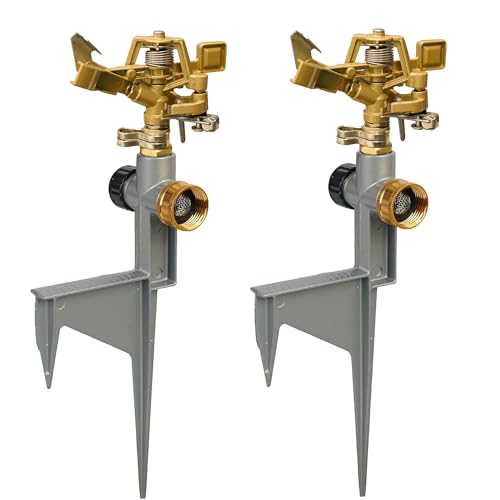
LIULO TOOL 2 Pack Zinc Alloy Impact Sprinklers

Wexo Palindrog Impact Sprinkler on Tripod Base, 2 Pack

Orbit Brass Impact Sprinkler 56946

Strongway Wheeled Sprinkler with 5 Nozzles
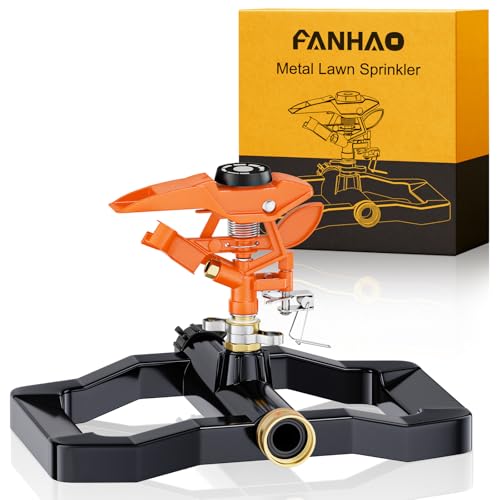
FANHAO Heavy Duty Pulsating Impact Sprinkler
Meet The Standout Selections
Putting an impact head on a tripod changes how the water lands. By raising the nozzle above tall fescue or unruly ground cover, this LIULO TOOL set clears the canopy and spreads the throw further before droplets lose momentum. You get two complete units in the box, so running front and back zones on the same hose bib is realistic.
The brass head handles the pressure swings that come from cycling valves, and the solid alloy legs give a steady footprint on sloped ground. For most homeowners with mature lawns, the elevated throw translates into fewer dry patches along fence lines and foundation strips.
What Works In Its Favor
- Brass head for long-term corrosion resistance in hard-water regions
- Tripod elevation helps water reach over flowerbeds and small shrubs without drowning them
- 3/4-inch connector matches common heavy garden hose and manifold fittings
- Two-pack format covers split yards without buying a second unit later
- Flip-lock leg adjustment lets you level the head on uneven terrain
Things To Consider
- Tripods can snag a mower wheel if you forget to fold them before cutting
- The 3/4-inch inlet may need a reducer if your existing hose is 5/8-inch
Who It Suits Best
Homeowners with established lawns and garden beds that need watering above ground-level obstacles will get the most out of the elevated design.
A Better Fit Elsewhere
For raw well or pond water with heavy sediment, the Orbit Brass Impact Sprinkler 56946 has a clog-resistant flow path that handles grit better.
Few lawns are perfect circles, and most impact sprinklers throw a full ring by default. The WEMADE unit solves that with a deflector trip that dials the arc anywhere from a 20-degree slice to a complete circle, so the same head that waters a wide back lawn can also edge a narrow side strip along a fence. The zinc alloy base and head shrug off the rust that ruins cheaper units after two seasons.
For gardeners working around perennial beds or detached garages, that adjustable reach avoids wasting water on concrete. You may find the metal body adds noticeable weight, which actually helps keep the head planted during gusty afternoons.
Bright Spots
- Arc adjustment covers partial zones without redirecting the whole sprinkler
- All-zinc construction resists corrosion in humid coastal climates
- Up to 85-foot diameter covers mid-size lawns from a single placement
- Low-profile base keeps it out of the way of foot traffic
Worth Noting
- Coverage diameter shrinks on low-pressure municipal systems under 30 psi
- The painted finish can scratch during storage in a crowded garage
Made For
Anyone irrigating an L-shaped yard or working around raised beds and hardscape edges benefits from the adjustable arc.
Consider Something Else When
For very large pastures that demand wider throw, the Strongway Wheeled Sprinkler with 5 Nozzles reaches farther with more gallons per minute.
The Triumpeek package arrives as a kit: two brass heads, two tripods, six stakes, and a manual that walks through setup. That matters when you want a working setup before dinner, not a parts hunt across three deliveries. Each tripod raises the throw above ground cover while the included stakes pin the base on soft soil.
The temperature range printed in the manual tells you the operating envelope: keep these units running between roughly 41°F and 113°F to avoid seal fatigue. Compared to the LIULO TOOL pair above, the value here lives in the extras rather than the head metallurgy.
Real Benefits
- Two-tripod bundle splits coverage between front and rear lawns
- Brass sprinkler head tolerates repeated cycling through hot summers
- Ground stakes add stability on freshly tilled or sandy soil
- Adjustable spray rings let you fine-tune radius for each zone
Trade Offs
- Cold snaps below the printed range can shorten seal life if left connected outdoors
- Stakes bend in rocky clay during repeated re-positioning
Right Fit For
New homeowners setting up an irrigation system from scratch and wanting a complete two-zone kit will appreciate the bundled extras.
Look Elsewhere When
For a single, simple spike-mounted head with stainless internals, the LIULO TOOL 2 Pack Zinc Alloy Impact Sprinklers keep things lower and simpler.
Spike-based sprinklers stay out of sight and out of the mower path, which is the whole point of this LIULO TOOL design. The integrated spike pushes about 7.3 inches into the ground, leaving the head low and stable, while the 13.8-inch overall length means you can adjust height to match flowerbed levels or short turf. The head combines zinc alloy with stainless steel, a pairing that’s uncommon at this price band.
For gardeners running two zones from a Y-splitter, the two-pack format matches the WEMADE entry above but in a spike format. You may find the lower profile throws shorter than a tripod, so spacing units closer matters on wide lawns.
Features That Help
- Stainless steel internals reduce internal wear from mineral-heavy water
- Low spike profile keeps the head clear of mower blades and trimmer line
- Two-pack format handles multiple zones at a lower total cost
- Waterproof construction tolerates being left connected through rainstorms
Honest Caveats
- Lower throw height means shorter radius than tripod models above
- Spike base can clog with thick thatch and require frequent clearing
- Less effective on heavily sloped terrain where a tripod stays level
Best Suited To
Small-to-mid lawns under 5,000 square feet where tripods feel oversized and spike sprinklers integrate more cleanly into existing beds.
Skip It When
For tall ornamental grasses that block a low-mounted spray, the LIULO TOOL Impact Sprinkler on Tripod Base, 2 Pack clears the canopy.
The Wexo Palindrog package mirrors the LIULO TOOL tripod pair above in many ways, but the flip-lock extension legs are the practical detail worth flagging. Flip locks open and close without the small thumb screws that strip out after a few seasons, so extending or collapsing the legs stays tool-free across years of use. The 3/4-inch connector matches the same heavy-hose setup as the other tripod entries.
On a sloped yard, adjusting leg length on each side keeps the head plumb, and that plumb alignment is what gives a consistent throw pattern. Compared to the LIULO TOOL set, the difference is more about the locking mechanism than the head itself.
What Earns Its Place
- Flip-lock legs collapse without tools for off-season storage
- Zinc sprinkler head and alloy tripod handle high-pressure supply lines
- Corrosion-resistant build suits humid and coastal properties
- Two-tripod set covers a typical suburban lot in one pass
- Heavy-duty construction stands up to accidental kicks and bumps
Points To Keep In Mind
- Flip locks can collect dirt that prevents full closure if not rinsed occasionally
- Heavier tripod weight makes repositioning a two-handed task on hot days
Who Should Grab It
Anyone with a sloped or terraced yard who needs to level the head on uneven ground will benefit from the flip-lock system.
Another Choice May Suit
For a lighter spike-mounted alternative with stainless internals, the LIULO TOOL 2 Pack Zinc Alloy Impact Sprinklers require less setup.
Orbit is a familiar name in residential irrigation, and the 56946 is the impact sprinkler that shows up on properties that pull water from a pond, canal, or untreated well. The brass head keeps an uninterrupted flow path, and the tri-point spike base drives into soft ground with foot pressure, no tools needed. Coverage runs up to a 90-foot diameter, which puts it ahead of most zinc-headed competitors in the same price range.
The arc adjustment goes from a partial slice to a full circle, so the same head works along a driveway strip or open turf. For gardeners irrigating with reclaimed or gritty water, the brass flow path matters more than the cosmetic finish.
A Few Strong Suits
- Brass head stays unclogged when fed pond or well water with sediment
- Tri-point spike base seats firmly in soft or freshly turned soil
- Up to 90-foot diameter covers big lawns from a single head
- Adjustable arc handles both narrow strips and full circles
Room For Improvement
- Spike base tips over in loose sandy soil without a steady step-in
- Single-unit format means buying multiples for two-zone setups
Perfect Match For
Properties drawing from a pond, ditch, or untreated well where sediment would clog lesser heads will benefit most from the brass flow path.
Reach For A Different Pick When
For two-zone coverage in a single purchase, the Triumpeek 2 Pack Impact Sprinkler on Tripod Base ships with two complete tripod units.
Once a lawn crosses into pasture or athletic-field territory, residential sprinklers stop keeping up. The Strongway wheeled unit is built for that scale: a die-cast aluminum head with a brass union drives five nozzles at up to 63 gallons per minute along a 28-degree trajectory, pushing water across a 150-foot diameter. That translates into roughly 17,000 square feet of coverage from one placement.
The wheeled base pulls the head across turf without tearing it up, so repositioning is part of the design, not a workaround. For owners of horse paddocks or community sports fields, this is a different class of equipment than the spike and tripod models above.
What Pays Off
- 150-foot diameter handles half-acre-plus zones in a single pass
- Five nozzles spread water evenly across the full coverage arc
- Aluminum head and brass union resist corrosion from continuous use
- Wheeled base lets you reposition between zones without lifting the unit
Things To Weigh
- 63 GPM demand rules out most residential supply lines and needs a dedicated tap
- Size and weight make it overkill for typical suburban lawn sizes
- Trajectory angle is fixed, so low-hanging tree branches can interrupt the arc
Whose Shelf It Belongs On
Pasture owners, small-acreage homesteaders, and anyone managing an athletic field will put the high-volume flow to work where it matters.
Swap It Out When
For a typical backyard on standard residential pressure, the WEMADE Heavy Duty Metal Pulsating Sprinkler delivers wide coverage without the supply demands.
The FANHAO closes the list by stripping the design back to the basics: a fully metal head and base, an arc that adjusts from 20 degrees to a full 360, and coverage that reaches roughly 5,800 square feet per placement. That footprint fits most mid-size suburban lawns without leaving dry patches near the edges.
Owners who leave sprinklers connected year-round need a body that shrugs off freeze-thaw cycles and sun fade. Compared to the WEMADE unit reviewed earlier, the FANHAO leans harder on metal parts throughout, which trades a bit of weight for longer outdoor service.
Positive Takeaways
- All-metal base and head resist rust through multi-season outdoor exposure
- Arc adjustment covers full and partial zones from one head
- Up to 5,800 square feet per placement fits mid-size suburban lots
- Solid metal weight keeps the unit planted during windy conditions
- Corrosion-resistant finish handles coastal and humid climates
Practical Considerations
- Heavier body takes more effort to reposition around the yard
- Painted finish can show scuffs when dragged across concrete patios
Built With In Mind
Year-round outdoor owners in humid or coastal climates benefit from the all-metal construction that handles constant moisture without flaking.
Where A Sibling Pick Shines
For taller spray arcs that clear thick ground cover, the LIULO TOOL Impact Sprinkler on Tripod Base, 2 Pack elevates the head above the canopy.
Picking The Right Impact Sprinkler For Your Yard
Coverage Radius vs Lawn Shape
Square lots give you freedom. L-shaped, fenced, or curved yards reward sprinklers with adjustable arcs, because a full circle wastes water on pavement or the neighbor’s fence. Arc adjustment, the trip that limits the rotation from 360 degrees down to a narrow slice, is the single most useful feature for irregular properties. Match the throw diameter to the longest unobstructed run, then space additional heads so their patterns overlap by roughly 30 percent to avoid dry strips where patterns meet.
Base Style And Ground Conditions
Spike bases sink into soft soil and stay low to the ground, which keeps them clear of mower blades but limits how high the spray can reach. Tripod bases raise the head above ground cover and let you level the nozzle on sloped or terraced yards, which matters when water needs to clear flowerbeds or ornamental grasses. Wheeled bases serve a different role entirely: they’re built for very large turf areas where you’d otherwise be dragging a heavy unit across the grass.
Material Choices For Your Water Source
Brass heads carry the highest resistance to corrosion and tolerate gritty or reclaimed water from ponds, canals, and untreated wells without clogging. Zinc alloy strikes a middle ground at a friendlier cost, handles typical municipal supplies without trouble, and resists rust in humid climates. Stainless steel internals add longevity when mineral content is high. The right choice depends less on prestige and more on what’s actually flowing through your hose.
Pressure, Flow, And Supply Limits
Every impact sprinkler assumes a minimum water pressure to throw at its rated radius. Residential supply lines typically run 40 to 60 psi, which covers most residential models. High-volume units like the Strongway wheeled sprinkler ask for 63 gallons per minute, well beyond a standard hose bib, so they make sense only where you have a dedicated irrigation line. Check your supply before chasing a wider diameter, because a sprinkler starved of pressure simply produces mist instead of a useful throw.
Key Considerations Across These Picks
Mistakes Worth Dodging
Choosing throw diameter based on packaging claims rather than measured lawn size leaves dry corners and oversaturated strips. Buy for the longest open run, not the average. Another common slip is picking a spike base for a yard with thick ground cover, then wondering why the spray keeps disappearing into the foliage. Tripod elevation exists for a reason, and the few extra minutes of setup pay back in coverage that actually lands on grass.
Where The Extra Money Goes
Premium models buy two things: better metallurgy in the head and a more durable adjustment mechanism. Brass heads outlast zinc through years of cycling, and metal flip-lock legs outlast thumb screws that strip out after a season or two. The upgrade makes sense for properties where the sprinkler stays connected year-round, where water carries sediment, or where a homeowner wants to buy one unit and move on. For occasional use on clean municipal water, mid-tier zinc models deliver most of the practical value at a lower cost.
Frequently Asked Questions
How far does a typical impact sprinkler throw?
Most residential impact sprinklers reach between 40 and 90 feet in diameter, depending on water pressure and nozzle design. Larger pasture-style units can reach 150 feet across, but they require much higher flow rates than a standard hose bib can supply.
Can impact sprinklers handle reclaimed or well water?
Yes, especially models with brass heads and uncluttered internal passages. Brass resists the mineral buildup that clogs zinc and plastic internals, and the impact mechanism itself stays cleaner than finer-spray designs because it moves larger volumes of water through a simpler path.
Do tripod sprinklers tip over easily?
On flat ground, no. The wide stance of most tripod bases stays planted during normal operation, and the weight of the metal head helps anchor the unit. On slopes or soft soil, extending one leg shorter than the others lets you level the head and keep the throw pattern consistent.
How do I stop dry spots between sprinkler placements?
Overlap the spray patterns by roughly 30 percent where zones meet. Running two heads with overlapping coverage compensates for the slightly weaker throw at the edge of each pattern and keeps a continuous wet strip across the boundary.
Is it better to water longer or more often?
Longer, less frequent watering encourages deeper roots, which makes turf more drought-tolerant over a full growing season. Short daily watering keeps roots near the surface and stresses the lawn during dry spells, so most homeowners see better results running impact sprinklers for longer sessions a couple of times per week.
Wrap Up
The right impact sprinkler comes down to matching head style, base type, and metallurgy to the lawn you actually have, not the lawn the packaging assumes. Start with shape and size, then narrow by water source and pressure. Any of the eight picks above will cover a large area reliably when those pieces line up.
