

Fruit trees fight off a steady rotation of trouble, from aphids clustering on new growth to fungal spores riding the spring rain. Picking the right spray shapes whether you harvest clean apples or share half your crop with the bugs. This roundup breaks down eight widely used options that span traditional concentrates, plant-based formulas, and dormant oils, so you can match the product to the problem at hand.
A Closer Look At The Lineup

Bonide Captain Jack’s Citrus, Fruit & Nut Orchard Spray Concentrate

Earth’s Ally 3-in-1 Plant Spray for Pests & Disease
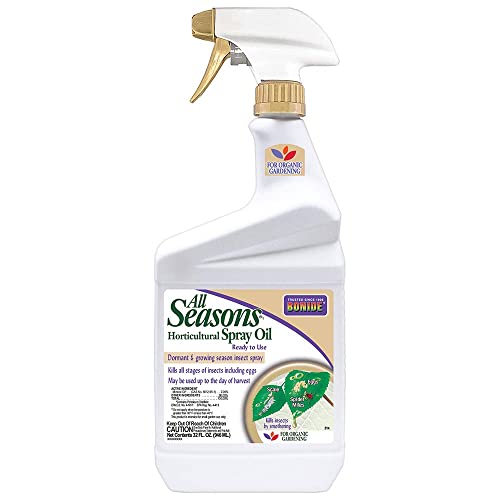
Bonide All Seasons Horticultural & Dormant Spray Oil

EcoVenger Garden Insect Control 16 oz

BioAdvanced 3-in-1 Insect, Disease, and Plant Mite Control
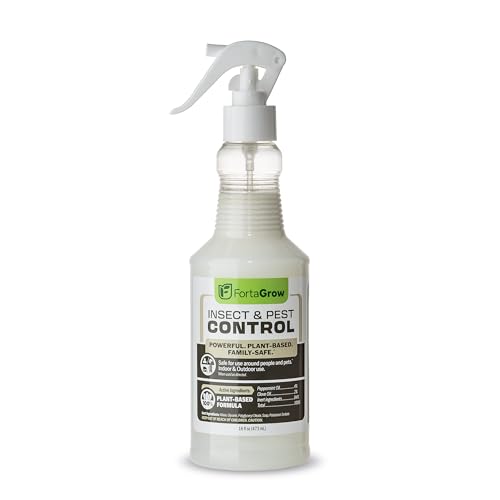
FortaGrow Peppermint & Clove Pest Control Spray

BioAdvanced 3-in-1 Fruit, Citrus, and Nut Tree Spray

BioAdvanced Tree & Shrub Insect Killer Spray
Meet The Standout Selections
Backyard orchardists with mixed plantings tend to juggle more than one pest problem at a time, and that’s exactly where this Bonide concentrate earns its keep. It works as a fungicide, insecticide, and miticide in a single bottle, so you can address powdery mildew on your apple and aphid colonies on your plum with the same diluted mix. The 32 oz concentrate dilutes down significantly, stretching across many applications for small to mid-sized home orchards.
It treats a long list of edibles and ornamentals, from citrus and nuts to roses and broccoli, which makes scheduling easier. You can apply it through a hose-end or tank sprayer depending on what you already own.
What Makes Sense
- Treats insects, mites, and fungal disease in one product, simplifying spray rotation.
- Labeled for a wide range of fruit, nut, vegetable, and ornamental plants.
- One pint yields up to 6.4 gallons of finished spray, lowering the per-application cost.
- Can be applied up to the day before harvest, offering flexibility close to picking time.
Trade-Offs Worth Knowing
- Concentrate requires measuring and mixing, which adds setup time versus ready-to-use sprays.
- Coverage on tall canopy trees may call for a pump or backpack sprayer for adequate reach.
Key Specs
Best Suited To
Backyard growers managing multiple fruit trees, vegetables, and ornamentals who want one bottle that handles most common threats.
Look Elsewhere When
You’d rather skip mixing and reach for a ready-to-use formula like Earth’s Ally 3-in-1 Plant Spray for a small herb garden on the patio.
If your fruit trees share space with a kitchen garden, patio containers, and maybe a curious toddler, the spray you choose matters as much for what it leaves behind as for what it kills. Earth’s Ally uses a botanical oil blend that targets soft-bodied insects and common plant diseases without the synthetic residue concerns some growers prefer to avoid. The ready-to-use 32 oz bottle skips the measuring step entirely, which is a relief during quick weekend checks.
It pulls double duty as both an insect and disease control, which suits growers who want to streamline their routine. The formula leans toward indoor houseplants as well as outdoor fruit trees, giving you flexibility across your whole collection.
What Works In Its Favor
- Botanical oil formula appeals to households that want to avoid harsher synthetic ingredients.
- Works indoors and outdoors, so one bottle handles houseplants and fruit trees.
- Ready-to-use format removes mixing guesswork for less experienced gardeners.
- Tackles both soft-bodied insects and common plant diseases in one application cycle.
Points To Keep In Mind
- Botanical oils generally require more frequent reapplication than synthetic alternatives.
- The 32 oz bottle may run out faster on larger trees with full canopy coverage.
Whose Shelf It Belongs On
Home growers tending smaller fruit trees, herbs, and houseplants alongside children or pets who prefer a gentler ingredient list.
Skip It When
You’re managing a heavy infestation on mature orchard trees, where Bonide Captain Jack’s Citrus, Fruit & Nut Orchard Spray Concentrate will likely deliver stronger results.
Most pest problems actually start months before you notice them, when overwintering eggs cling to bark and bud scales. Bonide’s horticultural and dormant oil is designed for exactly that window, applied before bud break to smother scale, mites, and aphid eggs hiding in the canopy. You can also use it during the growing season as a lighter summer spray, depending on timing and temperatures.
Compared to the active ingredients in Bonide Captain Jack’s, this one works by physically coating and suffocating pests rather than acting through chemistry. That mechanism suits organic-leaning gardeners who plan their spray schedule around tree phenology (the seasonal timing of bud, bloom, and leaf development).
The Value In It
- Targets overwintering eggs of scale, mites, aphids, and other pests before they emerge.
- Suitable for fruit trees, shade trees, and shrubs across dormant and growing seasons.
- Paraffinic oil base appeals to organic gardening routines.
- Single bottle stretches across multiple seasonal applications for a small home orchard.
Some Limits To Know
- Timing windows around bud break are narrow, requiring close attention to local climate cues.
- Less effective against active infestations once pests have hatched and colonized foliage.
Made For
Organically minded fruit tree owners who want to disrupt pest cycles in late winter before the growing season kicks off.
Consider Something Else When
You’re facing an active summer infestation and need an immediate knockdown, where Bonide Captain Jack’s Citrus, Fruit & Nut Orchard Spray Concentrate fits better.
Yards with dogs that nose around the base of every tree need products that work without creating worry the moment a paw steps on wet leaves. EcoVenger’s formula is plant-based and designed with households in mind, killing aphids, mealybugs, spider mites, gnats, and their eggs on contact. The 16 oz bottle covers spot treatments around small fruit trees and container plants without much waste.
It’s positioned for both indoor and outdoor use, which makes sense for anyone moving between their patio citrus and their kitchen herb garden. The smaller size keeps the cost approachable for first-time users trying a botanical approach.
Points In Its Favor
- Plant-based formula suits households concerned about children and pets wandering the garden.
- Targets a useful spread of soft-bodied pests plus their eggs for longer suppression.
- Usable on indoor houseplants and outdoor fruit trees from the same bottle.
- Smaller 16 oz size fits casual growers who only need occasional spot treatments.
Worth Bearing In Mind
- Smaller bottle size means refilling more often on yards with several mature trees.
- Botanical contact killers typically need thorough coverage and repeat applications to fully control established colonies.
Quick Facts
The Right Fit
Pet owners and parents tending a modest collection of small fruit trees and houseplants who want a plant-based contact spray.
A Better Fit Elsewhere
You manage a larger orchard and want a concentrate that stretches across many trees, where Bonide All Seasons Horticultural & Dormant Spray Oil offers more value per ounce.
Anyone who has wrestled a pump sprayer up a ladder knows that coverage matters as much as the active ingredient. BioAdvanced’s 3-in-1 attaches to a garden hose and reaches the upper canopy of fruit trees without dragging equipment around. The 24 fl oz bottle tackles insects, mites, and listed diseases in one pass, which keeps your spray calendar from filling up.
It works on flowering plants, trees, and shrubs broadly, so a single treatment session can cover your roses and your fruit trees. Compared to the ready-to-use botanical options earlier in this list, this is the more conventional synthetic approach with broader coverage and quicker visible results on tough infestations.
Useful Strengths
- Hose-end design reaches tall branches without needing a ladder or backpack sprayer.
- Insect, mite, and disease control in a single product simplifies seasonal planning.
- Labeled for trees, shrubs, and flowering plants beyond just fruit trees.
- Faster knockdown of established infestations compared to botanical alternatives.
What To Weigh
- Synthetic active ingredients may not suit gardeners seeking strictly organic routines.
- Coverage depends on water pressure and hose reach, which varies by yard layout.
Perfect Match For
Homeowners with several mature trees who want hose-end convenience without hauling a separate sprayer across the yard.
Not Your Match When
You prefer plant-based ingredients and want to keep the spray program strictly botanical, where Earth’s Ally 3-in-1 Plant Spray for Pests & Disease fits better.
The gap between “indoor pest spray” and “fruit tree spray” is narrower than most product labels suggest, and FortaGrow sits right in that crossover zone. Its formula pairs peppermint oil and clove oil in higher concentrations than most botanical competitors, aimed at knocking down spiders, ants, gnats, roaches, and beetles on contact. You can spray it along baseboards, around entryways, and on patio areas near your fruit trees.
It’s positioned for households that want one bottle for multiple pest problems rather than separate products for the garden and the garage. The strong botanical scent fades once dry, which matters for indoor use.
Real Benefits
- Higher active oil concentration than typical botanical sprays for faster knockdown.
- Handles both crawling household pests and outdoor garden intruders in one bottle.
- Family-safe positioning suits homes with kids and pets running between indoor and outdoor spaces.
- Ready-to-use trigger sprayer skips measuring and mixing entirely.
Honest Caveats
- Strong essential oil scent may bother scent-sensitive household members during application.
- Not specifically formulated for tree diseases like powdery mildew, so it complements rather than replaces a fungicide program.
Who Will Love This
Households dealing with both indoor pests and patio pest pressure who want one botanical spray that bridges both environments.
Another Choice May Suit
Your main concern is fungal disease on fruit trees, where Bonide Captain Jack’s Citrus, Fruit & Nut Orchard Spray Concentrate offers stronger dual-action coverage.
When your yard centers on fruit, citrus, and nut trees specifically, a general-purpose spray can feel like a compromise. BioAdvanced built this 32 oz bottle for edible trees in particular, combining insect, disease, and mite control in one hose-end formula. The label covers fruit and nut trees along with vegetables and vine plants, which keeps the rotation tight for kitchen-focused gardeners.
It can be used up to the day before harvest, which gives you scheduling flexibility late in the season when pest pressure tends to spike. Compared to the BioAdvanced 3-in-1 Insect, Disease, and Plant Mite Control reviewed earlier, this one is tuned specifically for edible crops rather than ornamental shrubs.
Strengths Worth Knowing
- Specifically labeled for fruit, citrus, and nut trees rather than general ornamentals.
- Day-before-harvest window supports tight picking schedules for backyard orchards.
- Covers caterpillars, aphids, mites, black spot, and powdery mildew in one product.
- 32 oz bottle suits multi-tree yards without constant refilling.
Where It Is Less Suited
- Synthetic ingredients may not align with organic gardening preferences.
- Hose-end design depends on adequate water pressure for full canopy coverage.
Feature Snapshot
Built With In Mind
Edible-focused growers with multiple fruit, citrus, or nut trees who want a hose-end spray tuned for food crops.
Swap It Out When
You’re strictly organic and want a botanical alternative, where Bonide All Seasons Horticultural & Dormant Spray Oil fits an organic program.
Mature trees with thick canopies create a different challenge: by the time insects settle into the upper branches, hand-pumping a small bottle just doesn’t reach. BioAdvanced’s Tree & Shrub Insect Killer connects to a hose and treats listed pests including aphids, Japanese beetles, caterpillars, leafhoppers, and whiteflies by contact. The 32 oz concentrate bottle is designed for outdoor pest pressure on larger landscape trees.
This formula focuses strictly on insects rather than the three-in-one disease coverage of earlier BioAdvanced picks in this list. That narrower scope is actually a strength when you’ve already got disease under control and just need targeted insect knockdown on a tough infestation.
Practical Pluses
- Hose-end reach handles tall, mature landscape trees without a ladder or pump sprayer.
- Targets a broad insect lineup including Japanese beetles, caterpillars, and whiteflies.
- 32 oz bottle suits repeated treatments across a yard with multiple trees.
- Narrow insect focus works well alongside a separate fungicide routine.
Points To Note
- No disease or mite control, so it pairs with another product for full-spectrum protection.
- Coverage depends on consistent hose water pressure reaching the upper canopy.
Who Should Grab It
Homeowners managing established shade and fruit trees where insects, not disease, are the primary frustration each season.
Reach For A Different Pick When
You also need disease control in the same spray, where BioAdvanced 3-in-1 Fruit, Citrus, and Nut Tree Spray covers both problems at once.
Choosing The Right Insect Spray For Your Fruit Trees
Fruit tree sprays generally fall into three camps: traditional multi-purpose concentrates for broad-spectrum coverage, dormant oils for winter pest suppression, and plant-based formulas for gentler routines. Your local pest pressure usually dictates which category earns the first spot on the shelf. A backyard in a humid coastal climate often faces more fungal disease alongside insects, while a dry inland lot may deal mostly with sap-sucking aphids and mites.
The application format matters more than people expect. Concentrates like Bonide Captain Jack’s Citrus, Fruit & Nut Orchard Spray cost less per application but require measuring, mixing, and a dedicated sprayer. Ready-to-use bottles trade economy for convenience, which suits weekend growers who’d rather not store leftover mix.
Timing also shapes the decision. Dormant sprays must go on before bud break, while growing-season sprays need reapplication intervals measured in days or weeks. Always read the label for the pre-harvest interval, which tells you how many days must pass between spraying and picking.
Reading Active Ingredients Without Losing Your Mind
Active ingredient lists can look like alphabet soup, but a few names cover most fruit tree products. Pyrethrins and pyrethroids target a wide insect range. Horticultural oils smother eggs and soft-bodied pests through physical coating. Botanical oils such as peppermint, clove, and rosemary offer plant-based alternatives with shorter reentry windows. Knowing which family a product belongs to helps you rotate modes of action, which slows pest resistance over multiple seasons.
Matching Format To Your Routine
Hose-end sprayers win on convenience and reach for tall trees, but they tie you to water pressure and a hose bib. Tank and pump sprayers cost more upfront but offer consistent pressure anywhere in the yard. Trigger-spray bottles handle small potted citrus and seedlings but run out fast on anything taller than six feet.
Key Considerations Across These Picks
Pitfalls Shoppers Hit
Treating every problem with one bottle sounds efficient but usually underperforms. Insects, mites, and fungal disease are different organisms with different vulnerabilities, and the broad-spectrum options here work best as a foundation rather than a cure-all. Reading the actual pest list on the label, not just the front-of-bottle claims, prevents disappointment when a specific bug shows up.
Another common miss is ignoring pre-harvest intervals, the mandatory wait time between spraying and picking. Even products labeled “up to day before harvest” carry that interval for a reason, and skipping it means residue on fruit you’ll be eating or sharing.
Where The Extra Money Goes
Higher-tier insect sprays typically invest in concentrated formulas, hose-end delivery systems, and broader-spectrum coverage. A 32 oz concentrate that dilutes into six gallons of finished spray costs more up front but breaks down to pennies per application, while a ready-to-use 16 oz trigger bottle trades economy for the convenience of grabbing and spraying. Premium pricing also tends to reflect research into formulations that mix multiple active ingredients in stable suspension, so the bottle doesn’t separate on the shelf. For most home orchards, the upgrade pays off when you have enough trees to justify a concentrate and a dedicated sprayer.
