

Cicada killers look intimidating: nearly two inches long, dirt mounds across the lawn, and low, hovering patrols near the garden. Most homeowners want them gone before kids, pets, or barefoot summer afternoons meet them on the path. The right treatment cuts the population at the nesting site, so the rest of the season stays quiet. Here are eight concentrates, granules, and ready-to-use sprays worth knowing about.
The Lineup, Simplified

Hi-Yield (32009) Indoor/Outdoor Broad Use Insecticide

Hi-Yield (31228) Systemic Insect Granules

Fertilome (16062) Spinosad Insecticide
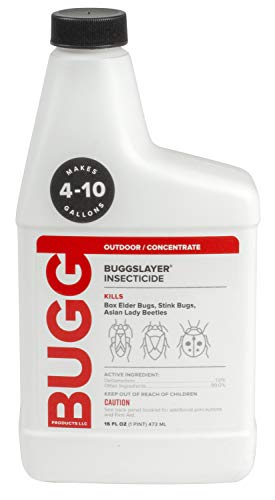
BUGGSLAYER Insecticide Concentrate

Martin’s 32 oz Permethrin 13.3% Concentrate

Bonide Systemic Insect Control Concentrate
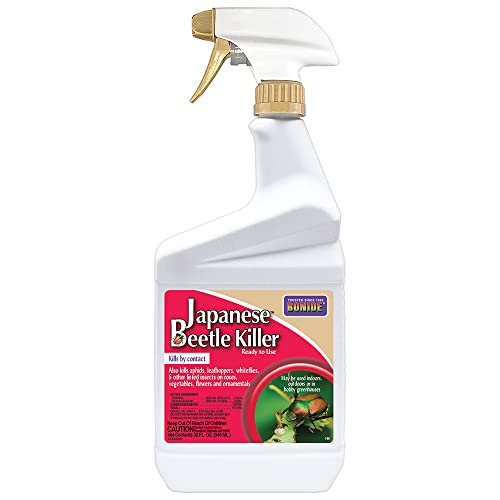
Bonide Japanese Beetle Killer Ready-to-Use
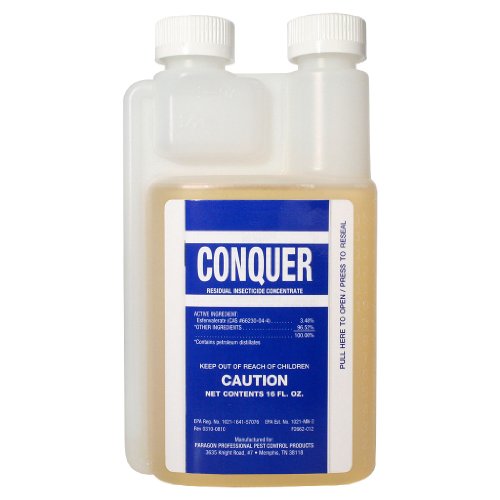
Paragon Conquer Residual Insecticide Concentrate
A Closer Look At Each Pick
Hi-Yield’s broad-use formula works across trees, lawns, and garden vegetables, so the same bottle can cover nesting zones where cicada killers tunnel and the surrounding shrubs where adults hunt. The 16-ounce bottle is a liquid concentrate designed to mix with water, which means you dial the dilution to the job rather than committing to one strength.
For most backyards with mixed plantings, that flexibility matters. You treat the sandy patch near the driveway where the burrows cluster, then move to the flower border without switching products. The label covers ticks, mosquitoes, termites, fleas, and cockroaches as well, so anything else hitching a ride gets caught in the same pass.
Where It Helps
- Treats up to 1,000 square feet per half ounce, covering a meaningful yard section with one mix
- Mixes readily with water for use in tank-type or power sprayers
- Works on trees, lawns, and garden vegetables from a single bottle
- Indoor and outdoor labeling removes the need for a second product
Things To Consider
- Application rate varies by plant type, so reading the label before each use is worth the few minutes
- Requires a pump sprayer you may not already own
Who It Suits Best
Homeowners with a mix of lawn, flower beds, and a few fruit trees who want one concentrate on the shelf for multiple pest jobs.
Look Elsewhere When
Ferti-lome Spinosad Insecticide fits better when you keep an organic-friendly vegetable garden and prefer a botanical active ingredient.
Unlike the spray concentrates above, these granules work through the root system. You scatter them around the base of roses, flowers, shrubs, and containerized plants, then water them in. The plant takes up the active ingredient and moves it through the entire vascular system, which means anything feeding on the plant ingests the treatment.
Protection lasts up to two months per application, which suits gardeners who’d rather treat once and move on. A 1-pound bag covers a meaningful shrub border without much fuss. You don’t need a sprayer, just a watering can or hose-end applicator.
Positive Takeaways
- Root uptake means the plant does the work, not the timing of your spray
- Up to two months of protection reduces repeat applications
- Suits indoor and outdoor container plants alike
- Targets aphids, whiteflies, leafminers, and lace bugs as listed on the label
Worth Noting
- Works on insects that feed on treated plants, so direct soil-nesting wasps like cicada killers may need a separate approach at the burrow entrance
- Storage in a dry spot keeps granules from clumping before use
Right Fit For
Ornamental gardeners who prefer set-and-forget treatments over mixing sprays and want season-long protection on roses and shrubs.
A Better Fit Elsewhere
Martin’s Permethrin Concentrate makes more sense when the priority is direct knockdown of cicada killers at the nesting site rather than plant-feeding pests.
Spinosad is a naturally derived active ingredient produced by soil bacteria, and the OMRI listing signals that organic-minded gardeners can use it on listed edibles. The 16-ounce bottle concentrates enough to treat a vegetable patch and the surrounding ornamentals through a season of chewing pests.
The label covers leafminers, borers, leaf rollers, thrips, caterpillars, Colorado potato beetles, armyworms, sod webworms, cat fleas, loopers, bagworms, and tent caterpillars. For cicada killers, you’d direct the spray at nesting sites and adult activity, relying on contact and ingestion against this large a target.
Useful Strengths
- OMRI listed for organic gardening programs
- Spinosad active ingredient breaks down quickly in sunlight, reducing lasting residue concerns
- Broad label covers many chewing pests alongside wasp control
- Suits listed vegetables, fruits, and ornamentals from one bottle
Trade Offs
- Works on contact and ingestion, so thorough coverage of nesting areas matters
- Mixing required, which adds a step before each application
Best Suited To
Vegetable gardeners and organic-minded homeowners who want one product that handles both food crops and ornamental chewing pests.
Swap It Out When
Bonide Systemic Insect Control Concentrate is the better match when you have over 100 ornamental plant varieties and prefer a concentrate that makes 16 gallons of mixed spray.
BUGGSLAYER takes a perimeter approach. The water-based concentrate forms a protective barrier around foundations, windows, and doors, which matters when cicada killers patrol close to the house or burrow along the slab edge. You treat the points where bugs enter and the wasps stay outside.
The 16-ounce bottle is meant for handheld or pump sprayers, so the application feels closer to detail work than broadcast spraying. It’s also labeled for box elder bugs, stink bugs, and Asian ladybugs, which keeps the bottle useful through fall invasions after cicada season ends.
Notable Gains
- Water-based formula reduces odor during application
- Targets foundation, window, and door frames where entry points concentrate
- Multi-pest label covers fall invaders beyond cicada season
- Concentrate format stretches one bottle across multiple perimeter treatments
Points To Keep In Mind
- Barrier sprays need reapplication after heavy rain or irrigation
- Less effective on burrows set deep into open lawn away from structures
Whose Shelf It Belongs On
Homeowners whose cicada killer activity hugs the foundation, patio edge, or garden wall rather than the middle of the lawn.
Reach For A Different Pick When
Hi-Yield Indoor/Outdoor Broad Use Insecticide suits a yard-wide treatment plan better, especially when burrows are spread across open turf.
Permethrin is a synthetic pyrethroid, a class of insecticides modeled on natural chrysanthemum compounds that attacks the nervous system of insects on contact. Martin’s 13.3% concentrate is the strongest option in this lineup, and one quart dilutes to a serious volume of working spray. For heavy infestations across large yards, that ratio matters.
The label covers indoor and outdoor use, including pantries, bedding, kitchens, buildings, carpets, and clothing. One quart dilutes to up to 48 gallons for general contact and residual sprays, and up to 266 gallons for large animal applications. For cicada killers, you’d mix a contact-strength dilution and drench nesting sites directly.
Why It Works Well
- High 13.3% concentrate stretches one bottle across extensive yard treatments
- Works inside and outside, including pantries, bedding, and carpet edges
- Suitable for handheld foggers and automatic misting systems
- Residual action for up to 4 weeks on treated surfaces
Room For Improvement
- Higher concentration means careful measuring and label reading before each mix
- Pet owners commonly keep animals off treated surfaces until dry, given permethrin’s toxicity to cats and fish
- Stronger chemistry may feel like overkill for light infestations
Key Attributes
Who Should Grab It
Property owners managing heavy infestations across large lawns, barns, or outbuildings who want the longest residual window per application.
Where Another Pick Suits Better
Bonide Japanese Beetle Killer Ready-to-Use Spray fits casual gardeners who’d rather skip measuring and treat a small cluster of burrows on the spot.
Bonide’s systemic works two ways: it kills on contact and moves through the plant when absorbed, so pests feeding on treated foliage ingest the active ingredient. The 16-ounce concentrate dilutes to make 16 gallons of mixed spray, which covers a serious ornamental border before you need a replacement bottle.
The label lists thrips, mealybugs, scale, two-spotted spider mites, and whiteflies among the targets, across flower beds, roses, shrubs, and other ornamental plants. For cicada killers, you’d direct the spray at adult activity and burrow entrances rather than relying on plant uptake alone.
Bright Spots
- Makes 16 gallons of working spray from one bottle
- Fast-acting contact kill plus systemic plant protection
- Mixes with certain fungicides or fertilizers for a combined application pass
- Labeled for over 100 ornamental plant varieties
Honest Caveats
- Outdoor residential use only, not labeled for vegetable or fruit plants
- Repeat applications every 7 to 10 days during active infestations
Feature Snapshot
Perfect Match For
Garden enthusiasts with extensive rose beds, mixed ornamental shrubs, and a routine spray schedule they can keep up with weekly.
Not Your Match When
Ferti-lome Spinosad Insecticide is the better route when you grow vegetables or fruit and need a product labeled for edible crops.
No mixing, no measuring, no pump sprayer to drag from the shed. Bonide’s ready-to-use bottle arrives ready for the trigger, which suits spot treatments on the patio edge or a small cluster of burrows near the walkway. The 32-ounce size handles a season of casual touch-ups.
The label covers Japanese beetles, aphids, flea beetles, leafhoppers, caterpillars, stink bugs, moths, Colorado potato beetles, and webworms. It works indoors, outdoors, and in greenhouses on vegetables, flowers, ornamentals, trees, and shrubs. For cicada killers, you’d spray directly on adult wasps and burrow openings during low-activity periods.
Practical Advantages
- Ready-to-use format removes measuring and mixing steps
- 32-ounce bottle lasts through a season of casual spot treatments
- Works indoors, outdoors, and in greenhouses from one container
- Broad pest label handles multiple garden pests beyond wasps
Things To Weigh
- Ready-to-use pricing per ounce runs higher than concentrates for large jobs
- Trigger sprayers commonly need occasional rinsing to prevent clogging
Made For
Casual gardeners who want a grab-and-go bottle for the occasional burrow, without committing to a sprayer setup or measuring routine.
Consider Something Else When
BUGGSLAYER Insecticide Concentrate fits better when you want a perimeter barrier around the foundation and prefer mixing your own for larger coverage.
Conquer leans on residual chemistry, meaning the dried spray keeps working on treated surfaces for weeks rather than evaporating after the initial pass. The 16-fluid-ounce concentrate suits homeowners who want fewer repeat applications and don’t mind a one-time setup with a pump sprayer.
Residual formulations pair well with cicada killer control because the wasps return to the same burrow sites repeatedly. A treated zone keeps delivering active ingredient on contact, which matters when the infestation stretches across a long season.
What Earns Its Place
- Residual action reduces the number of repeat passes across the season
- 16-ounce concentrate stretches across multiple yard sections
- Suits perimeter and nesting-site treatments from one bottle
- Concentrate format lets you match dilution to the job
Points To Note
- Mixing required, so first-time users need to follow the label carefully
- Source data is light on full pest and site details, so confirm the label covers cicada killers before treating
Who Will Love This
Homeowners with recurring cicada killer pressure who want a long-lasting residual barrier and don’t mind doing the initial mixing themselves.
Skip It When
Bonide Japanese Beetle Killer Ready-to-Use Spray is the friendlier option for spot treatments when you want zero setup and a grab-and-go bottle.
What To Weigh Before Treating Cicada Killers
Treating cicada killers works differently than spraying a row of aphids. The adults fly and sting rarely, but they tunnel into sandy or well-drained soil to nest, sometimes by the dozen in a single mound. Choosing the right product starts with the nest, not the wasp you see flying overhead.
Contact Spray Vs Granular Systemic
Contact sprays (the concentrates and ready-to-use bottles in this list) work when applied directly to burrow entrances, nesting zones, and adult activity. They deliver fast knockdown, but rain and irrigation wash them away, which means repeat passes during heavy treatment weeks.
Systemic granules like Hi-Yield’s move through plant roots and protect foliage from feeding pests, but cicada killers feed their larvae paralyzed prey underground, not plant material. Granules shine for aphid and whitefly control on roses and shrubs, while direct sprays handle the wasps themselves.
Coverage Area And Dilution Math
Concentrate bottles stretch far when diluted correctly, but you need a pump sprayer and steady measuring. For a yard-wide treatment plan, a concentrate like Hi-Yield Indoor/Outdoor Broad Use Insecticide or Martin’s Permethrin offers the best coverage per dollar. For a small patio burrow cluster, a ready-to-use bottle is the faster call.
Treatment Timing
Cicada killers are most active during hot, dry midsummer days when females dig and provision nests. Treating burrow entrances in late evening or early morning catches more returning adults, and following up after a few days catches the ones you missed. A single application rarely clears an established population, so plan for at least two passes spaced a week apart.
Key Considerations Across These Picks
Where Shoppers Go Wrong
The common slip-up is treating only the adults you see flying, then wondering why the burrows keep producing more wasps a week later. Cicada killer control works at the nest, so identifying the soil mounds and drenching the entrances matters more than chasing flyers across the lawn. Reading each product’s label for the listed target pests is also worth the few minutes, since some concentrates list cicada killers directly while others cover them under broader wasp or general-insect language.
What The Higher Tier Buys
Martin’s Permethrin and Bonide Systemic Insect Control sit at the top of the price tier in this lineup, and the upgrade pays off in two ways: stronger concentrations stretch across more square footage per bottle, and longer residual windows reduce repeat trips to the shed. For a small yard with light pressure, the upgrade isn’t necessary, but for properties with a dozen or more active burrows across multiple seasons, the higher concentration translates directly into fewer mix sessions and more consistent knockdown.
Frequently Asked Questions
When is the best time to treat cicada killers?
Treating in late evening or early morning catches the most returning adults, and cicada killers are most active during hot, dry midsummer weeks. Plan on at least two applications spaced about a week apart for an established population.
Are granular systemic products effective against cicada killers?
Granular systemic products protect plant foliage from feeding insects, but cicada killers provision their nests with paralyzed prey rather than plant material. For direct cicada killer control, contact sprays applied to burrow entrances work better than granules alone.
Can I spray cicada killers near a vegetable garden?
Check the product label before any edible crop application. Spinosad-based options like Fertilome are labeled for many vegetables, while permethrin and other synthetic pyrethroids may restrict use near food crops depending on the formulation.
How long does a residual insecticide treatment last?
Most residual formulations in this lineup remain active on treated surfaces for several weeks, though heavy rain or irrigation shortens the window. Plan to reapply after major weather events for consistent control.
Is it safe to treat cicada killers around pets?
Most concentrates in this list require keeping treated surfaces dry before pets return, and permethrin-based products carry extra caution around cats and aquatic environments. Reading each product’s label before mixing protects both your household and the treatment’s effectiveness.
Wrap Up
Cicada killers respond best to direct treatment at the nesting site, paired with a second pass a week later. The right pick depends on your yard size, the number of active burrows, and whether you want a ready-to-use spray or a concentrate that stretches further. Match the format to your routine, read each label carefully, and the rest of the summer stays quieter underfoot.
