

A flower bed can look fine on water alone, then quietly stall mid-summer. Buds shrink, color fades, and you’re left guessing whether the soil is tired or the schedule is off. Picking the right outdoor flower fertilizers turns that guessing game into a routine, and the seven picks below cover the most common situations gardeners actually face.
The Main Contenders

Schultz 018065 Spf48270 Slow-Release Bloom Fertilizer 3.5 Lbs

Miracle-Gro Organic All Purpose Plant Food, 3 lb.

Miracle-Gro Water Soluble Bloom Booster Flower Food 4 lb
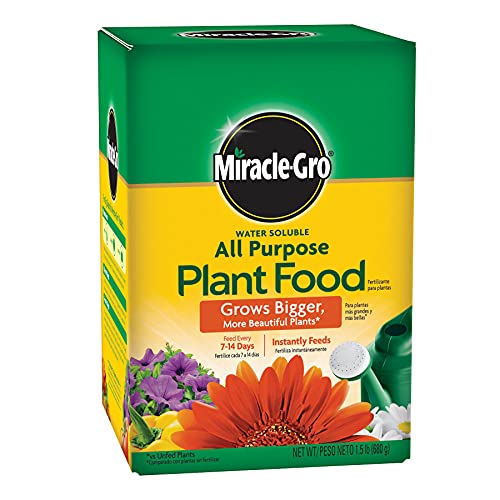
Miracle-Gro Water Soluble All Purpose Plant Food, 1.5 lb.

Miracle-Gro Water Soluble All Purpose Plant Food, 3 lb.
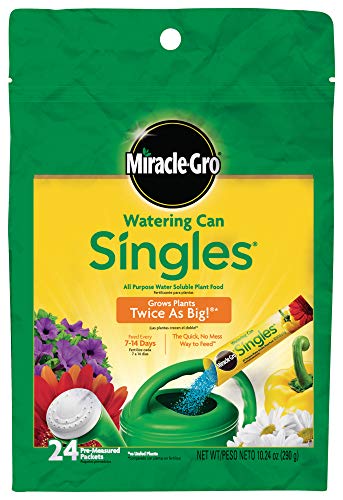
Miracle-Gro Watering Can Singles All Purpose Plant Food, 24 Packets

Miracle-Gro 1-Pound 1360011 Water Soluble Bloom Booster Flower Food, 10-52-10, 1 Pack
The Picks, Examined More Closely
For gardeners who’d rather feed once and walk away, Schultz’s slow-release granular bloom formula earns its spot at the top of the list. The 12-24-12 analysis (that’s nitrogen-phosphorus-potassium, the three numbers that tell you the nutrient ratio) leans heavily into phosphorus, the middle number that fuels bud set and flower development. You sprinkle it around the base, water it in, and the coating does the rest over a long stretch.
That release pattern suits raised beds and in-ground borders where you’d rather not mix and pour every other weekend. It’s especially handy for vacation-prone households, where a single application holds through the hottest stretch of summer.
Key Advantages
- One application feeds for months, cutting down on repeat trips to the garden.
- High phosphorus ratio targets blooms specifically, which matters for flowering annuals and perennials alike.
- Granular format is forgiving to spread, with no mixing bucket or measuring spoons required.
- The 3.5 lb size covers a generous planting bed without constant refills.
Points To Keep In Mind
- Slow-release formulas take longer to show visible results than water-soluble options, so impatient growers may feel the lag.
- Granules need to be watered in thoroughly to start working, which matters during dry spells.
- Storage in a sealed container keeps the prills from clumping in humid garages or sheds.
Who It Suits Best
Busy homeowners with established beds who want steady feeding without a strict schedule will appreciate the low-fuss approach here.
Look Elsewhere When
Container gardeners juggling dozens of small pots may prefer Miracle-Gro Watering Can Singles All Purpose Plant Food, 24 Packets for its grab-and-go convenience.
Where the previous pick leans on a synthetic, coated prill, this granular organic option flips the script for gardeners who’d rather feed the soil than the plant directly. Organic fertilizers work by feeding microbial life in the dirt, which then makes nutrients available to roots over time. The trade-off is patience, but the upside is gentler long-term soil health.
It’s a sensible match for mixed beds where you grow flowers alongside herbs or vegetables. You’ll spread it around the root zone, scratch it into the top inch of soil, and let rain or irrigation carry it down. Compared with the bloom-specialized picks below, it doesn’t push flower production quite as hard, but the resilience benefit shows up over a full growing season.
The Value In It
- Organic certification appeals to growers avoiding synthetic feeds entirely.
- Builds stronger root systems gradually, which helps plants handle summer stress.
- One application supports feeding for up to three months in many situations.
- Safe to use around edible plants and pollinator-friendly flowers.
Trade-Offs To Consider
- Results appear more slowly than with water-soluble bloom boosters.
- The earthy smell during application can linger briefly on warm days.
- Needs moisture to activate, so dry beds may underperform until you water.
Built With In Mind
Organic-minded gardeners tending mixed flower and vegetable beds will get the most out of this gentle, soil-building approach.
Swap It Out When
Gardeners chasing maximum bloom punch from annuals may get faster payoff from Miracle-Gro Water Soluble Bloom Booster Flower Food 4 lb.
If you measure a fertilizer’s worth in visible color, this high-phosphorus bloom booster delivers where it counts. Phosphorus drives flower formation, and the 15-30-15 style ratio in this mix loads the middle number hard. You dissolve the powder in a watering can, soak the root zone, and buds push noticeably within days.
It shines on annual beds that need constant feeding through the growing season. Most growers reapply every two weeks during peak bloom. The 4 lb jar covers a generous area, so a single container stretches across multiple flower beds or a long border without running dry mid-summer.
Everyday Wins
- Dissolves cleanly in water and feeds plants quickly through both roots and foliage.
- The bloom-targeted ratio pulls more flowers from roses, petunias, and geraniums.
- 4 lb size handles large flower borders without frequent reordering.
- Works with a standard watering can or a garden feeder attachment.
Honest Caveats
- Needs mixing every feed, which adds a small step compared with granular options.
- Feeding schedule is every two weeks during peak season, so commitment matters.
Key Attributes
Whose Shelf It Belongs On
Showy annual displays and dedicated flower borders where bloom volume matters most benefit from this targeted formula.
Reach For A Different Pick When
Vegetable gardens or fruit plantings may do better with Miracle-Gro Organic All Purpose Plant Food, 3 lb., which supports overall plant health alongside blooms.
First-time flower growers often want one product that handles everything without overthinking ratios. This 1.5 lb tub of water-soluble all-purpose plant food covers that need: a balanced mix you can use on flowers, vegetables, houseplants, trees, and shrubs alike. Beginners don’t have to memorize which bag goes with which bed.
The smaller size is approachable for someone testing the waters. You measure a scoop into a watering can, soak the soil, and watch for greener growth within a week. Compared with the bloom booster above, this all-purpose mix trades flower-specific intensity for flexibility across plant types.
Bright Spots
- Balanced formula safe for nearly any plant type around the home.
- The 1.5 lb tub is light enough to store on a shelf and pour without strain.
- Instant feeding shows visible results within a week for most plants.
- Compatible with any standard watering can or sprayer setup.
Worth Bearing In Mind
- The smaller container runs out faster on multi-bed landscapes, which means more frequent reorders for big properties.
- Doesn’t specialize in bloom count the way the bloom booster formula does.
Feature Snapshot
Made For
New gardeners who want one dependable product to start with across mixed plantings will find the all-purpose formula forgiving and effective.
Where Another Pick Suits Better
Someone committed to large bloom-heavy annual beds may want the higher-phosphorus Miracle-Gro Water Soluble Bloom Booster Flower Food 4 lb instead.
The bigger sibling to the 1.5 lb tub above, this 3 lb version delivers the same all-purpose formula in a longer-lasting package. Households with active flower beds, a vegetable patch, and a few indoor plants often run through smaller containers fast. Doubling the size cuts reorder frequency without changing the routine.
You still mix a scoop into a watering can, feed every week or two during the growing season, and watch both leaves and blooms respond. The trade-off is storage: a 3 lb tub wants a dry shelf and a tight lid, since humidity clumps the powder fast.
What Pays Off
- Larger container lasts through an entire growing season for most home gardens.
- Same flexible formula covers flowers, vegetables, shrubs, and houseplants.
- Water-soluble delivery means quick visible results within days.
Points To Note
- The powder clumps if stored in humid sheds or garages, so an airtight bin helps.
- Doesn’t push blooms as aggressively as the dedicated bloom booster formula.
Quick Facts
Best Suited To
Households feeding a wide variety of plants throughout the season will appreciate the longer-lasting supply and the flexible formula.
Consider Something Else When
Container-only growers with just a handful of small pots may find the 3 lb format oversized compared with Miracle-Gro Watering Can Singles All Purpose Plant Food, 24 Packets.
Anyone who’s measured powder, spilled half, and fished granules out of the sink will appreciate these pre-measured single packets. You tear one open, drop it into a watering can, and the powder dissolves on its own. No scoop, no mess, no guessing.
Apartment and patio growers with a handful of containers get a particularly clean fit here. The packets travel well to a community garden plot or a friend’s yard, and they don’t clump the way a partially used tub eventually will. Compare that to the 1.5 lb tub above: same feeding power, but no measuring step in between.
Notable Gains
- Pre-measured packets eliminate scooping and measuring entirely.
- Each packet feeds a full watering can, simplifying routine.
- Sealed packets stay fresh longer than opened tubs in humid storage.
- Portable format works well for small patios and balcony gardens.
Less Ideal Details
- Per-packet cost runs higher than bulk tubs for large plantings.
- Generates more packaging waste than a single large container.
Feature Rundown
Who Should Grab It
Apartment and patio gardeners with smaller plantings who want fast, clean feeding without the measuring routine will find these packets particularly useful.
A Better Fit Elsewhere
Homeowners managing long flower borders may save more with the larger 3 lb all-purpose tub above.
Window boxes, hanging baskets, and patio pots drain nutrients faster than in-ground beds, so they benefit from a phosphorus-heavy formula like this 10-52-10 bloom booster. The middle number is dramatically higher than in all-purpose mixes, which directly targets flower production in tight root zones.
The 1 lb jar is a sensible size for container gardeners who don’t need a 4 lb pail sitting on a small balcony. You mix a small amount into a watering can every couple of weeks and soak the root zone thoroughly. Compared with the larger bloom booster above, the format is more compact and easier to store indoors.
Points In Its Favor
- The 10-52-10 ratio delivers strong phosphorus specifically for bloom-heavy container plants.
- Compact 1 lb jar fits on a small shelf or in a gardening tote.
- Mixes quickly in any standard watering can or garden feeder.
- Safe for plants when used as directed, without burning sensitive annuals.
Some Limits To Know
- 1 lb runs out fast across a full container collection, so frequent gardeners will reorder more often.
- Highly phosphorus-focused, so not ideal for general lawn or vegetable use.
Spec Overview
The Right Fit
Container gardeners with window boxes, hanging baskets, or patio pots will get the most bloom response from the high-phosphorus formula.
Not Your Match When
Large in-ground flower borders may be better served by the 4 lb bloom booster earlier in the list, which covers more square footage per container.
What Matters Most Before Choosing Outdoor Flower Fertilizers
Match the Format to Your Routine
Granular slow-release fertilizers feed over months with one application, which suits gardeners who’d rather not track a calendar. Water-soluble powders give faster visible response but ask for mixing and a more regular schedule. Pre-measured packets split the difference for casual feeders. Your tolerance for routine matters as much as your plants’ needs.
Read the Three Numbers First
Every fertilizer bag shows an N-P-K ratio, like 12-24-12 or 10-52-10. The first number is nitrogen for leafy growth, the middle is phosphorus for blooms and roots, and the last is potassium for overall plant health. Bloom-focused fertilizers lean heavily into the middle number, while all-purpose formulas stay more balanced. Pick the ratio that matches what your flowers actually need.
Match Size to Planting Scale
A 1 lb jar disappears quickly across a full border, while a 4 lb container overwhelms a small balcony garden. Right-sizing saves money and avoids storing half-used bags through winter. Smaller containers and packets fit apartment life, larger formats serve multi-bed yards.
Soil and Climate Change the Math
Sandy soils leach nutrients faster and reward slow-release options. Heavy clay holds nutrients but can drown roots, so lighter, more frequent feeding often works better. Hot, humid regions push faster growth and may demand more frequent feeding than cooler zones.
Key Considerations Across These Picks
Wrong Turns To Avoid
The most common mistake is grabbing an all-purpose formula when blooms are the entire point. You’ll get green leaves and modest flowering at best. Equally common is overapplying bloom booster to leafy plants, which can produce lush foliage with few flowers. Match the ratio to the result you’re chasing, and stick to the labeled amount.
Another slip is ignoring the feeding schedule on the bag. Slow-release granulars feed for months but still need watering to activate. Water-soluble powders give instant uptake but only last until the next rain washes them through the root zone. Underestimating frequency leaves plants hungry between feedings.
When Paying More Pays Off
Higher-tier outdoor flower fertilizers earn their place through specialized nutrient blends, organic certification, or convenience packaging. You pay more for targeted bloom ratios, slower-release coatings, or pre-measured packets that reduce guesswork. For a small patio garden with a few containers, that convenience can be worth it. For a large in-ground yard, bulk water-soluble tubs usually stretch further per dollar.
Frequently Asked Questions
How often should outdoor flower fertilizers be applied?
Slow-release granulars typically feed for two to three months per application, while water-soluble formulas usually need feeding every one to two weeks during active growth. Always check the bag’s feeding schedule, since overfeeding can burn roots just as easily as underfeeding.
Can the same fertilizer work for flowers and vegetables?
Yes, balanced all-purpose formulas like the Miracle-Gro Water Soluble All Purpose Plant Food options handle both well. Bloom-specific ratios push flowering harder but may be too phosphorus-heavy for leafy greens, so dedicated vegetable beds often prefer the gentler all-purpose mix.
What’s the difference between organic and synthetic fertilizers?
Organic fertilizers feed soil microbes, which then release nutrients gradually to plant roots, building soil structure over time. Synthetic fertilizers deliver nutrients directly to plants in a more immediate form. Organic options tend to be gentler long-term, while synthetics show faster visible results.
Is it safe to fertilize flowers during a heat wave?
Feeding during extreme heat can stress plants further, especially with quick-release synthetic formulas that push sudden growth. Watering deeply before applying and feeding in early morning or evening helps. Slow-release granulars are generally safer during hot stretches because they release more gently.
Do container plants need different fertilizer than garden beds?
Containers leach nutrients faster because watering drains through the soil, so they benefit from more frequent feeding or slow-release options that hold nutrients longer. A high-phosphorus bloom booster is often the right call for flowering containers, while all-purpose formulas work for mixed plantings.
Final Verdict
The right outdoor flower fertilizer depends on your planting scale and your tolerance for routine. Set-and-forget gardeners with established beds will appreciate Schultz’s slow-release granular formula, while bloom-chasers chasing maximum color get the most from Miracle-Gro’s bloom booster options. Newcomers and apartment growers will likely find the all-purpose and pre-measured packets easier to live with as the season unfolds.
