

Few outdoor annoyances wear you down like a swarm of flies on a warm afternoon. Garbage cans, garden beds, and barn corners all draw the same buzzing crowd, and most chemical sprays feel like a losing battle once the weather heats up. A hanging fly trap is a quieter fix: bait it, hang it away from where you sit, and let it pull flies away from the spaces you actually use. This roundup walks through eight outdoor fly traps built for patios, gardens, and rural properties, with honest notes on capacity, placement, and the everyday trade-offs that show up once a bag is in the air.
A Snapshot Of The Selections

RESCUE! Outdoor Disposable Fly Trap (5-Pack)

Glovv 4-Pack Outdoor Fly Trap Bags

TRURID Reusable Hanging Fly Trap (3-Pack)

Dwcom Trap 6-Pack Pre-Baited Fly Bags

Glovv 6 Pre-Baited Fly Bags Disposable
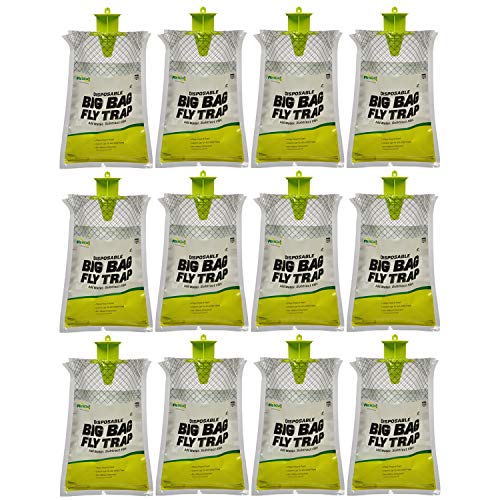
RESCUE! Big Bag Fly Trap (12 Traps)

BugBane Reusable Hanging Fly Trap Kit

RESCUE! Outdoor Disposable Fly Trap (24 Traps)
What Each Pick Brings To The Table
RESCUE! is a familiar name in residential fly control, and this 5-pack entry point makes it easy to try without overcommitting. You open the bag, add water to activate the dried bait, and hang the trap on a hook or nail in a sunny, fly-heavy corner. The attractant works on common house flies, so a single bag near the patio umbrella or beside the trash cans can noticeably thin the swarm over a few days.
For most suburban yards, five traps spread across the property covers a cookout season without much fuss. The disposable design means no rinsing, no handling of dead insects, and no cleanup beyond tossing a full bag into the trash. Setup takes under a minute per trap, which matters during peak summer when flies can spike almost overnight.
Noteworthy Benefits
- Beginner-friendly setup: cut, pour, hang
- Pulls flies away from seating and dining zones
- Disposable bags remove any cleanup step
- Five traps spread coverage across a yard
- Well-suited to patios, bins, and rural edges
Things To Consider
- Bait odor is strong during the first 48 hours
- Wind can make hanging placement tricky
- Single-use, so reorders add up over a season
Who It Suits Best
Homeowners with a single patio or modest yard who want a simple, no-fuss setup that handles moderate fly pressure around trash and dining areas.
Where Another Pick Suits Better
Ranch owners with livestock or large outbuildings may prefer the RESCUE! Big Bag Fly Trap (12 Traps), which holds a much larger fly volume per bag.
The Glovv 4-pack sits in the friendly middle ground for shoppers who want multiple traps without paying for a full season’s worth. Each bag ships with a 30-gram bait portion, and the yellow bag color is intentional: flies naturally gravitate toward that wavelength, so the visual cue works alongside the odor to draw insects in. Once a bag is full, it goes straight into the trash, no scraping required.
Compared with the RESCUE! 5-pack, this option runs with slightly fewer traps but tends to come in at a friendlier per-bag cost. For smaller lots or renters who only need a short-term fix, four traps placed near problem zones usually cover a backyard cookout weekend comfortably.
Bright Spots
- Visual yellow coloring plus odor bait
- Pre-measured 30-gram bait per bag
- Disposable design, no cleaning step
- Solid option for renters or short stays
Honest Caveats
- Only four traps per order
- Bait activation needs warm water for best results
- Light-duty bags can tear in strong wind
Made For
Suburban shoppers covering one or two problem spots, like a garbage corner and a back porch, without stocking up for a full season.
Look Elsewhere When
Anyone managing a larger area or restocking year after year may find the Glovv 6-Pack Pre-Baited Fly Bags a better fit, since six bags spread more evenly across bigger properties.
The TRURID trap is built around a sturdier bottle rather than a thin plastic bag, which makes a real difference in weather and lifespan. You pour in warm water, the pre-loaded bait dissolves over about 48 hours, and the trap starts pulling in house flies, horse flies, and other common species within sight of the patio or barn door. Because the housing is reusable, you empty it and reload with fresh bait instead of sending the whole unit to the trash.
For a small farm or stable, three reusable traps cut down on waste and plastic over a full summer. The bottle design handles rain better than most thin bag traps, and the wider opening lets you rinse and reset between cycles without buying a whole new package.
Where It Delivers
- Reusable bottle cuts seasonal waste
- Tolerates outdoor weather better than bags
- Targets multiple fly species, including horse flies
- Non-toxic bait suits family and pet zones
- Covers a wide radius around each trap
Points To Note
- Emptying requires handling of trapped flies
- Higher upfront cost than disposable bags
- Bait refill packets sold separately over time
Quick Facts
Best Suited To
Owners of small farms, horse properties, or anyone who likes the idea of refilling a trap instead of throwing the whole unit away each cycle.
Swap It Out When
Shoppers who would rather avoid any contact with trapped flies should consider the RESCUE! Outdoor Disposable Fly Trap (5-Pack) for fully hands-off disposal.
When fly pressure is high and a single bag is not going to keep up, the Dwcom 6-pack steps in with serious capacity. Each bag is built to hold a very large fly volume, which makes the set well-matched to chicken coops, horse stalls, and rural properties where flies breed faster than small traps can contain them. Pre-loaded bait means there is no measuring or guesswork, just cut, hang, and add water.
Six bags across a small ranch or large garden let you place traps at the actual problem sources: the manure pile, the compost corner, the back patio, and the garden gate. The trade-off is volume: each bag fills up faster under heavy pressure, so you may replace these mid-season rather than stretching one set all summer.
Practical Advantages
- Large fly capacity per bag
- Six bags cover multiple problem zones
- Pre-baited, no measuring required
- Versatile across farms and home gardens
Small Caveats
- Bigger bags need sturdy hanging points
- Strong bait scent during the first day or two
- Disposal weight adds up once bags fill
Whose Shelf It Belongs On
Rural homeowners and small acreage managers who need traps near livestock areas, compost, and a home patio at the same time.
Consider Something Else When
Anyone with a tidy suburban patio and only one problem corner will find the RESCUE! Outdoor Disposable Fly Trap (5-Pack) easier to manage at a smaller scale.
This second Glovv entry adds two more bags to the original 4-pack, which is useful when one corner of the yard alone will not cut it. The bait is built from fish, egg, and bran, with no chemical insecticides, so it suits households that prefer a softer approach around kids, pets, and edible gardens. Setup is the same familiar routine: cut, pour, hang, walk away.
For patios, garden parties, and pool decks, six bags give you the freedom to place one at every seating zone without doubling up at the trash cans. The disposable format also keeps things tidy once a bag reaches capacity, since there is no rinsing or contact with the contents.
Strong Points
- Non-toxic, food-based bait recipe
- Six bags cover the whole yard
- No insecticides, safer near gardens
- Fully disposable for hands-off cleanup
A Few Limitations
- Bait smell is noticeable during activation
- Light bags can shift in heavy wind
- Six units may be more than a small patio needs
Perfect Match For
Families with kids, pets, or edible gardens who want broad coverage without chemical sprays hanging around the yard.
Reach For A Different Pick When
People with livestock or barn settings may get more use out of the Dwcom Trap 6-Pack, which is engineered for higher-pressure rural zones.
Where the standard RESCUE! trap is sized for a backyard, the Big Bag steps up to a much larger fly volume per unit. The single-bag catch capacity is the headline feature here, and that makes these well-suited to barns, stables, and rural properties where flies can multiply faster than small disposable bags can keep up. Twelve traps per order cover a full season’s worth of placement in one box.
Setup mirrors the smaller RESCUE! bags, just on a bigger scale: cut along the line, add water, hang at least 20 feet from living spaces, and let the attractant do its work. The bigger housing does require a sturdier hanging point, since a full bag becomes genuinely heavy over time.
A Strong Showing
- High-volume catch per bag
- Twelve-trap box covers the whole season
- Proven RESCUE! attractant formula
- Disposable for hands-off cleanup
- Made in the USA
Less-Strong Areas
- Strong bait scent during activation
- Full bags get heavy and need solid hanging points
- Oversized for small suburban patios
Feature Snapshot
Right Fit For
Ranch and stable owners dealing with heavy fly loads around manure piles, barn entries, and outdoor work areas.
Not Your Match When
Townhome or apartment patio owners will find the TRURID Reusable Hanging Fly Trap more proportionate to a smaller space.
BugBane’s kit takes a slightly different angle by bundling bait-based traps with sticky ribbons, giving you two ways to catch flies in one order. Two reusable hanging traps form the main defense, while a dozen sticky ribbons cover spots where a hanging bag would be awkward, like inside a garage, near a window, or along a porch screen. The bait uses the same fish, egg, and bran recipe found in several competing traps.
This layered approach is helpful for households that want flexibility without buying two separate products. You hang the traps at the perimeter, then place sticky ribbons closer to entry points where flies tend to slip through. Refills are dissolvable packets, which keeps the refill process tidy.
The Case For It
- Combines bait traps with sticky ribbons
- Reusable main traps, refill-based bait
- Non-toxic, food-based attractant
- Ribbons cover spots a hanging bag misses
- Useful around garages and enclosed porches
Trade-Offs To Consider
- Sticky ribbons need replacement as they fill
- Only two hanging traps in the kit
- Ribbons are less discreet than bag traps
Who Should Grab It
Homeowners who like the idea of pairing a hanging trap with sticky strips in transitional spaces like porches, garages, and barn entries.
A Better Fit Elsewhere
Large-property owners may prefer the RESCUE! Big Bag Fly Trap (12 Traps), which delivers sheer volume without managing ribbons alongside bags.
For anyone who restocks the same traps year after year, the 24-pack version of the RESCUE! Outdoor Disposable Fly Trap removes the hassle of repeat orders. The bait and bag design match the smaller 5-pack exactly, so you already know what you are getting, just in larger quantity. That consistency is genuinely useful for rural households that hang bags at multiple fixed spots each summer.
Twenty-four bags also make it easier to share traps with a neighbor, a second property, or a community garden plot. The trade-off is storage: a full case takes up real space in a garage or shed, so most people treat this as a one-and-done seasonal purchase rather than a recurring top-up.
Good Reasons To Consider
- Same proven formula as smaller RESCUE! packs
- Twenty-four bags cover a full season
- Easy to share across multiple properties
- Reduces repeat ordering over the summer
- Disposable format, no cleanup required
Worth Bearing In Mind
- Requires significant storage space before use
- More traps than a single patio needs
- Bags still need replacing once full
Feature Card
Built With In Mind
Repeat shoppers, multi-property owners, and community gardens who want a season’s worth of traps delivered at once without reordering mid-summer.
Skip It When
Casual patio owners may find the smaller RESCUE! Outdoor Disposable Fly Trap (5-Pack) easier to store and finish before the season ends.
What To Weigh Before Choosing A Hanging Fly Trap
Capacity And Catch Volume
Capacity, meaning how many flies a single trap can hold before it stops working effectively, is the single biggest factor in choosing an outdoor fly trap. Small suburban patios often get away with standard bags, but properties near livestock, compost, or trash enclosures usually need higher-volume options like the RESCUE! Big Bag. Match capacity to the actual fly pressure on your property, not just the size of the yard.
Bait Type And Scent Strength
Most bait-based traps rely on a water-activated attractant, often built from food-grade ingredients like fish, egg, and bran. The scent is intentionally strong because that is what draws flies in, which is why placement guidance almost always calls for at least 20 feet of distance from living spaces. Consider how close the nearest seating area is before deciding where the trap goes.
Reusable Vs. Disposable Design
Reusable bottle traps like the TRURID option cut down on plastic waste and long-term cost, but you handle trapped flies when emptying. Disposable bags, like the RESCUE! packs, go straight into the trash with no contact, which is gentler for squeamish households. Your tolerance for cleanup is a real factor here.
Placement And Weather Tolerance
Most bag traps need a hook, nail, or branch in a sunny spot sheltered from heavy wind. Bottle traps handle rain and rough weather better, so they suit exposed locations like fence lines and barn exteriors. Placement flexibility matters if your yard has limited hanging points or strong prevailing winds.
Key Considerations Across These Picks
Pitfalls Shoppers Hit
A common misstep is hanging traps too close to seating areas, where the strong bait odor becomes unpleasant within a day or two. Another is underestimating how many traps a property actually needs; one bag rarely covers a whole yard, so most households need two to four placed around problem zones. Buying a single small pack for a rural property with livestock pressure tends to disappoint.
Where The Extra Money Goes
Higher-tier options earn their higher cost through larger catch capacity, sturdier reusable housings, or bundled extras like sticky ribbons. The RESCUE! Big Bag, for example, holds a dramatically higher fly volume than a standard disposable, which justifies the cost for barn and stable owners. Reusable traps save money over multiple seasons, since you only replace the bait rather than the entire trap each cycle.
Frequently Asked Questions
How Far Should A Fly Trap Be From The House?
Most manufacturers recommend hanging fly traps at least 20 feet from living areas and doorways. The bait scent that draws flies in can become unpleasant up close, and placing traps away from seating zones helps pull flies outward rather than toward the patio.
How Long Does A Disposable Fly Trap Last?
A disposable fly trap generally stays active for several weeks once water activates the bait, depending on temperature and fly pressure. Under heavy loads near livestock or trash, traps fill up faster and may need replacement within a week or two.
Are Outdoor Fly Traps Safe Around Pets And Kids?
Most bait-based traps use food-grade attractants rather than chemical insecticides, which makes them safer around curious pets and children. Still, the traps themselves should stay out of reach, since the contents inside are not meant to be touched or ingested.
Can Fly Traps Be Used In Rainy Weather?
Bottle-style traps handle rain better than thin bag traps, since the rigid housing resists tearing and water intrusion. Disposable bags can still work in light rain but may degrade faster under sustained downpours or strong wind.
Where Is The Best Spot To Hang A Fly Trap?
Sunny, sheltered spots near known fly sources, like garbage cans, compost bins, manure piles, and barn entries, tend to work best. Hanging the trap at eye level or slightly higher, away from where people gather, balances attraction with comfort.
Closing Remarks
The right outdoor fly trap depends less on the size of your yard and more on the actual fly pressure around it. Patios near a single trash can need far less than rural properties bordering livestock, and a reusable bottle makes more sense for someone who restocks bait every season. Pick the format that matches your tolerance for cleanup, hang it at the right distance from where you sit, and let the traps do what sprays cannot. A small amount of upfront placement thought goes a long way toward a quieter, less buzzy backyard.
