

A brutal summer afternoon can do real damage to a tender tomato seedling or a freshly potted fern, leaving leaves curled and bleached by sunset. Outdoor plant shades soften that harsh midday light without plunging your garden into full shade, so vegetables keep ripening and ornamentals hold their color. Picking the right one comes down to your bed size, your plant type, and how permanent you want the setup to be. The seven picks below cover both flat shade cloth and umbrella-style canopies, each suited to a slightly different kind of garden.
A Quick View Of The Lineup

HOLAA Shade Cloth 90% 3x6ft Sun Shade Net

KAAOGITY 55% Sunblock Shade Cloth 6.5 x 10 FT

Axcoix 4 Pack Plant Umbrellas 26 inch

Tryly Plant Umbrellas for Outdoor Plants 19.6 inch

TREEVEX 55% Shade Cloth 6.5 x 10 FT
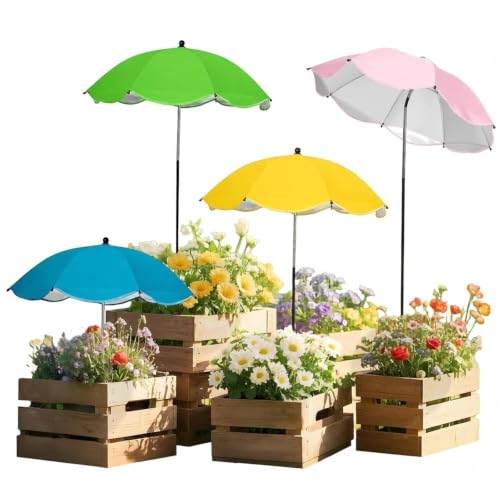
WYRJXYB 4 Pack Plant Umbrellas 43.3 inch Adjustable

MJZ 8Pcs Plant Umbrellas 26 inch Silver Coated
What Each Pick Brings To The Table
Garden beds that take the brunt of an open south-facing yard need a heavier hand than a gentle filter. The HOLAA net knocks back roughly 90% of incoming UV, which is the aggressive end of shade cloth territory and a smart match for lettuce, basil seedlings, and shade-loving ornamentals during a 100°F stretch.
Pre-spaced grommets along the edges speed up installation, so you can run paracord between posts or a fence line without drilling new holes. The 3×6 footprint works well for a narrow raised bed, and you can pair two cloths side by side for wider coverage. Expect a sturdy, tear-resistant feel that holds up to seasonal wind loads.
The Helpful Details
- Blocks up to 90% of UV rays, the strongest filtering in this lineup
- Tear-resistant construction handles repeated wind cycles
- Built-in grommets simplify tying to posts, fences, or hoop frames
- Compact 3×6 size fits a single raised bed without excess overhang
Things To Consider
- 90% block is too dense for sun-loving crops like tomatoes or peppers
- Requires a frame or anchor points, unlike the umbrella picks further down
- Dark mesh can blend into garden backgrounds; mark edges for foot traffic
Key Specs
Who It Suits Best
Growers in hot, sun-baked regions who need maximum cooling for tender greens, propagation trays, or newly transplanted ornamentals.
Look Elsewhere When
Reach for the TREEVEX 55% Shade Cloth 6.5 x 10 FT instead if you grow fruiting vegetables that still need strong, filtered sun to ripen.
Not every plant wants a blackout tent overhead, and that’s where a mid-density cloth earns its keep. The KAAOGITY net filters about 55% of UV, which is widely used for greenhouses, flower beds, and vegetable plots where some photosynthesis still needs to happen.
The 6.5 x 10 ft panel gives you enough material to drape over a small hoop house or stretch across a wide bed without seams. Air still moves through the open-weave structure, so humidity doesn’t build up under the canopy on muggy days. Compared with the 90% HOLAA above, this is the gentler sibling for less delicate crops.
Well-Handled Touches
- 55% UV block suits fruiting vegetables and flowering ornamentals
- Generous 6.5 x 10 ft panel covers a small greenhouse or wide bed
- Open-weave mesh allows heat dissipation on still, humid days
Points To Note
- Not heavy enough for plants in extreme heat that need aggressive shading
- Lacks built-in grommets, so you’ll need clips or a DIY tie system
Key Specs
Made For
Backyard greenhouse owners and flower gardeners who want moderate UV filtering without choking off light.
Consider Something Else When
Pick the HOLAA Shade Cloth 90% 3x6ft Sun Shade Net instead if your region runs hot enough to crisp even mid-density mesh coverage.
Flat cloth is great, but it asks you to build a frame. The Axcoix set skips that step entirely by giving you four freestanding plant umbrellas you just stick into the soil next to a pot or seedling cluster.
Each umbrella spreads 26 inches across and stands roughly 43 inches tall, so it shades a meaningful patch without dominating the visual line of a patio. The four-pack covers a small herb collection or a row of container tomatoes. No tools, no paracord, no commitment, which makes this the easiest entry point if you’re new to sun protection.
Key Advantages
- Tool-free installation, push the spike into soil and you’re set
- Four umbrellas in one pack cover a small grouping of pots
- Tall 43-inch height clears most young vegetable plants comfortably
Trade Offs
- Not ideal for windy spots; umbrellas can catch gusts and tip
- Fixed angle, so you’ll need to reposition as the sun tracks
Right Fit For
Patio gardeners with a handful of potted plants who want a no-fuss way to dial back harsh afternoon sun.
A Better Fit Elsewhere
Try the WYRJXYB 4 Pack Plant Umbrellas 43.3 inch Adjustable instead if sun direction matters more than absolute simplicity in your garden.
Tiny balconies and crowded windowsills don’t have room for sprawling cloth setups. The Tryly umbrella scales things down with a 19.6-inch canopy that fits neatly over a single herb pot or a small flower container.
It’s a focused, no-fuss option when you only need to shield one or two plants from the worst of the midday glare. The umbrella shape doubles as a gentle decorative accent, which matters on a balcony where everything you bring out is also part of the visual scene.
What Earns Its Place
- Compact 19.6-inch canopy fits single pots in tight spaces
- Lightweight build is easy to reposition through the day
- Functions as a small decorative accent on balconies
Honest Caveats
- Smaller shade footprint won’t cover larger containers or grouped plants
Best Suited To
Urban balcony growers with one or two prized plants who want targeted sun protection without taking up floor space.
Skip It When
Pick the Axcoix 4 Pack Plant Umbrellas 26 inch instead if you want multiple canopies in one purchase to cover a wider arrangement.
Garden beds come in awkward shapes: L-shaped corners, terraced rows, odd gaps between a fence and a path. The TREEVEX panel is cut-to-fit friendly, so you can trim it down to wrap an irregular area without wrestling with rigid pre-sized options.
The 55% filtering matches the KAAOGITY cloth above for filtration behavior, but it leans into flexibility for gardeners who need to shape their own coverage. It pairs well with PVC hoops, wooden frames, or a basic twine setup across a vegetable patch.
Useful Highlights
- Easy to cut to size for irregular bed shapes and corners
- 55% UV block supports continued photosynthesis
- Same generous panel dimensions as comparable mid-density cloths
Small Caveats
- Cutting creates raw edges that may fray without hemming tape or clips
- Same 55% ceiling as competitor cloth, so not the choice for extreme heat
Key Specs
Who Should Grab It
DIY gardeners with quirky bed shapes who want to cut a single panel into multiple custom covers.
Reach For A Different Pick When
Pick the KAAOGITY 55% Sunblock Shade Cloth 6.5 x 10 FT instead if you prefer a ready-to-hang panel with no trimming required.
The sun doesn’t sit still, and neither should your shade. The WYRJXYB umbrella set adds an adjustable tilt head so you can angle the canopy to track light from morning through late afternoon without dragging the whole unit around the garden.
Standing at 43.3 inches tall with a broad canopy, it covers a meaningful patch of bed while leaving room for plants to grow underneath. The four-pack setup means you can outfit a small vegetable bed with matching, evenly spaced shade without buying singles.
Reasons It Performs
- Adjustable tilt head follows the sun across the day
- Tall 43.3-inch profile accommodates taller seedlings and herbs
- Four-pack spread creates even coverage across a bed
A Few Limitations
- Moving parts mean more potential for wear over many seasons
- Still freestanding, so very exposed sites may need staking
Key Specs
The Right Fit
Gardeners whose beds sit in shifting light conditions and want to fine-tune coverage without moving the whole umbrella.
Swap It Out When
Pick the MJZ 8Pcs Plant Umbrellas 26 inch Silver Coated instead if you need wider bed coverage and want a larger pack size to work with.
Bigger plantings need more canopies, and buying singles gets old fast. The MJZ pack ships eight umbrellas in one box, which is enough to outfit a whole raised bed or a long row of young starts in a single afternoon.
Each canopy carries a silver inner coating that bounces UV back out, and the alloy handle holds up to repeated repositioning. A bendable neck lets you adjust the angle as the sun moves, which is the kind of small flexibility that pays off across a full growing season.
Useful Touches
- Eight-umbrella pack outfits a full bed or long row in one purchase
- Silver-coated inner layer reflects UV away from foliage
- Flexible bendable neck adjusts the shade angle on demand
- High-strength alloy handle resists bending and wobble
Where It May Fall Short
- Eight units take up storage space over the off-season
- 26-inch canopies may overlap awkwardly in very tight beds
Whose Shelf It Belongs On
Growers managing a sizable bed of seedlings or mixed ornamentals who want one purchase to cover the whole planting at once.
Where A Sibling Pick Shines
Pick the Axcoix 4 Pack Plant Umbrellas 26 inch instead if you’d rather start smaller with four canopies and add more only if you need them.
Picking The Right Coverage For Your Garden
Shade cloth density sits on a sliding scale, and reading the percentage makes a real difference. A 30% cloth is barely-there and used for tender adjustments, 55% is the everyday standard for vegetables and flowers, and 90% is heavy territory reserved for propagation beds, shade-loving ornamentals, and brutal sun exposures.
Match the form factor to your planting style before you worry about brand. Raised beds and rows favor flat cloth with grommets, because you can build a simple hoop frame and tension the cloth across the top. Patios and container setups lean toward umbrella-style picks, because there’s no frame to engineer and you can move them as the season changes.
Consider your anchor points early. Cloth without grommets asks you to supply clips, twine, or zip ties, while cloth with grommets drops straight onto paracord between stakes. Umbrella picks need soft enough soil to anchor the spike, so rocky or heavily compacted sites may force you toward flat cloth instead.
Finally, think about longevity. A higher-density HDPE cloth generally outlasts multiple seasons of sun and wind, while umbrella canopies depend on the alloy handle quality and the integrity of the fabric coating. For permanent installations, cloth wins on durability. For renters or seasonal gardeners, umbrellas offer easy removal and storage.
Smart Habits Before You Commit
Pitfalls Shoppers Hit
Buying a single shade density and hoping it covers everything is the most common stumble. Heat-sensitive seedlings need much denser cloth than mature tomato plants, so one panel rarely fits a mixed bed. Measure your bed, identify the most exposed plants, and size your coverage to those first.
Skipping the frame plan is the second trap. Cloth without grommets or with too few grommets ends up sagging or tearing at tie points. Sketch the support structure before you buy, then match grommet spacing and panel width to that layout.
Where The Extra Money Goes
Higher-density cloth typically uses thicker HDPE yarn and tighter weave patterns, which hold shape and resist tearing across multiple summers. Cheaper mesh often feels fine out of the box but frays after a single season of UV exposure.
For umbrella picks, the upgrade usually lands in the handle material and the inner coating. Alloy shafts with a bendable neck outlast basic plastic stems, and silver-coated inner layers bounce more UV back out than plain fabric. You’re paying for seasons of repositioning rather than a single summer’s use.
Frequently Asked Questions
How much shade percentage do most vegetable gardens need?
Most fruiting vegetables like tomatoes, peppers, and squash thrive at around 30% to 50% shade cloth, while leafy greens and tender seedlings benefit from denser 55% to 90% coverage during peak summer heat.
Can I leave outdoor plant shades up year-round?
HDPE shade cloth handles year-round exposure in mild climates, but umbrella-style canopies last longer when stored over winter. Snow load and freezing winds shorten the life of any garden shade left outdoors.
Will shade cloth block pollinators from reaching my plants?
Open-weave mesh at 55% or below still allows bees and other pollinators to move through freely. Denser 90% cloth can slow them down, so leave the edges open or remove covers during flowering for heavy-feeding crops.
How do I secure shade cloth without a dedicated frame?
Grommeted cloth ties cleanly to fence posts, tomato cages, or bamboo stakes with paracord. For non-grommeted mesh, clothespins, binder clips, or zip ties through reinforced edges work as quick alternatives.
Do plant umbrellas work in windy gardens?
Light umbrellas can tip or bend in steady winds above 15 mph. Staking the spike deeper, clustering pots close together for mutual windbreak, or switching to taut flat cloth handles breezy sites more reliably.
The Takeaway
The right outdoor plant shade comes down to density, footprint, and how permanent you want the install to be. Cloth panels suit long beds and full-sun yards where you can build a simple frame, while umbrella canopies serve container gardens and renters who want flexibility. Match the UV block rate to your most sensitive plants, anchor the setup properly, and you’ll see healthier foliage and steadier watering through the hottest months.
