

The right potting mix decides whether your container garden thrives or merely survives, and outdoor conditions demand more than whatever’s left in the shed. Heavy rain leaches nutrients, summer heat bakes tender roots, and clay-rich ground beds shift the chemistry in ways that catch even seasoned gardeners off guard. Picking a blend that holds moisture without going soggy, feeds steadily through the season, and matches the plants you actually grow makes every other chore easier. This roundup walks through eight outdoor potting soils built for different corners of the patio, balcony, and backyard garden.
A Closer Look At The Lineup

Miracle-Gro Potting Mix 8 qt., 3-Pack
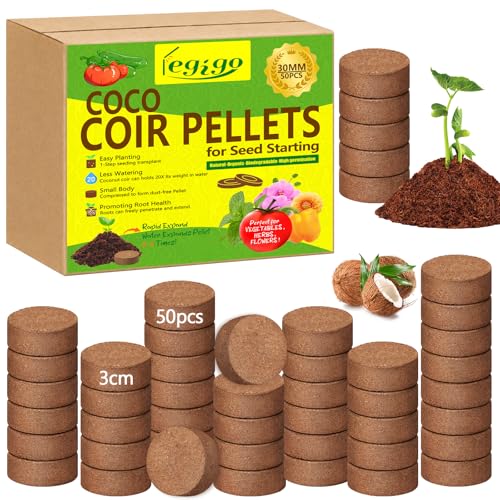
Legigo 50 Pcs 30mm Coco Coir Pellets

Coast of Maine Acid-Loving Planting Soil 20qt

Old Potters Organic Compost 24 Quarts

Halatool 3QT Potting Soil Mix

Brut Organic Potting Soil 1 Cu Ft

Coast of Maine Tomatoes and Veggies 20qt
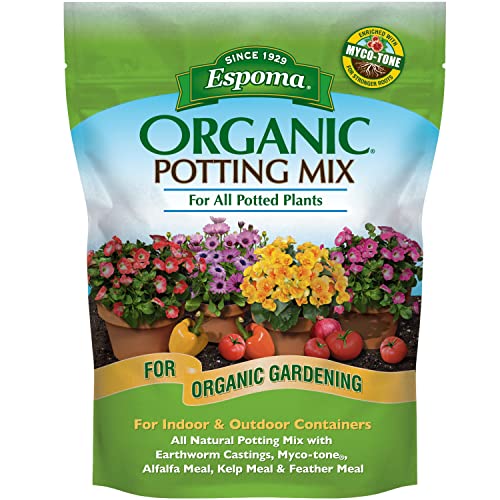
Espoma Organic Potting Soil Mix 8qt
Why These Options Stand Out
A reliable, broadly useful blend, the Miracle-Gro Potting Mix 8 qt., 3-Pack covers the kind of container variety most patio gardeners juggle. It feeds plants for up to six months, which removes the mental load of remembering a fertilizing schedule every other weekend.
Where it lands well: mixed pots of annuals, herbs, and vegetables share the same blend without anyone suffering. For container gardeners managing a rotating cast of plants, this is the kind of mix that quietly does the job season after season.
Points In Its Favor
- Feeds container plants for up to six months, cutting down on routine fertilizing
- Versatile enough for annuals, perennials, vegetables, herbs, and shrubs in one bag
- The three-pack format means you are stocked for a full season of repotting
- Pour-and-plant texture fills containers without dense clumping at the bottom
Trade Offs Worth Noting
- Not certified organic, which matters if you run a strictly chemical-free vegetable patch
- The 8 qt. bags feel modest once you start filling larger planters or raised beds
- Moisture retention leans toward the lighter side, so daily watering in midsummer becomes non-negotiable
Quick Facts
Best Suited To
Patio and balcony gardeners juggling a mix of flowers and edibles in standard containers will find this the easiest grab-and-grow option.
Look Elsewhere When
Old Potters Organic Compost is the better match for shoppers building strictly organic vegetable beds who want plant-based matter throughout the root zone.
These compressed coco coir pellets behave like a tidy little science kit: drop one in water, watch it puff up, and you have a ready-made starter cell. Coco coir is the fibrous husk of the coconut, valued for holding moisture while still letting tender seedling roots breathe.
For anyone starting seeds indoors before transplanting outdoors, this format cuts out the mess of loose soil on the kitchen counter. Each pellet becomes its own little pot, so roots stay undisturbed when you move seedlings into the garden.
Everyday Perks
- Compressed format stores flat and takes up almost no shelf space
- Expands with water on demand, so you only activate what you need
- Organic coco coir gives seedlings a clean, low-fuss rooting medium
Practical Considerations
- 50 pellets run out quickly during heavy spring seed-starting sessions
- Pellets are best for germination, not for sustaining mature plants long term
Right Fit For
First-time seed starters and apartment growers who want a clean, compact medium without lugging a bag of soil indoors will appreciate the format.
Skip It When
Miracle-Gro Potting Mix 8 qt., 3-Pack is the better call for gardeners filling large outdoor containers and need a feed-forward medium rather than a starter.
Aim this one at the corners of your garden where blueberries sulk and azaleas turn yellow. The Coast of Maine Acid-Loving Planting Soil 20qt is a low-pH organic blend (pH measures how acidic or alkaline soil is on a 0-14 scale, with lower numbers being more acidic), which is exactly the chemistry ericaceous plants crave. Ericaceous is the botanical term for acid-loving species like rhododendrons, hollies, and camellias.
It’s OMRI-listed (Organic Materials Review Institute, the standard certifier for inputs approved in organic growing), which carries weight if you follow strict organic protocols. The lightweight texture is a small bonus when you’re hauling it up to rooftop planters or window boxes.
Useful Strengths
- Low pH formulation tailored to acid-lovers like blueberries, azaleas, and hydrangeas
- OMRI-listed for organic use, a real plus for certified-organic home growers
- Balances moisture retention and drainage to keep shallow roots from drowning
Smaller Limitations
- Specialized for a narrow plant list, so it is wasted on tomatoes or herbs
- The 20-quart bag runs low fast when filling multiple large planters at once
Made For
Shrub and berry growers who have watched their blueberries fail in regular potting soil and want a blend tuned to acid-soil chemistry.
Consider Something Else When
Coast of Maine Tomatoes and Veggies 20qt is the smarter pick for kitchen gardeners focused on edibles rather than ornamental shrubs.
Old Potters Organic Compost 24 Quarts takes a plant-based approach to soil building, recycling organic waste into a rich amendment you can blend into beds or containers. The honest read is that it shines more as a soil conditioner than a standalone potting medium.
Mix it into tired raised beds, top-dress established shrubs, or blend it into existing potting soil to boost microbial life. Aeration and water retention both improve when this compost joins the mix, which is what heavy clay or sandy patches need most.
What Helps Most
- Made from plant-based materials with no synthetic chemicals in the mix
- Improves aeration and water retention at the root zone
- Repurposes organic waste, fitting regenerative gardening practices
- Larger 24-quart volume covers more ground per bag than smaller packs
Trade-Offs Worth Weighing
- Functions better as an amendment than a complete standalone potting medium
- Bulk and weight at roughly 25 lbs can make transport awkward for apartment gardeners
Feature Snapshot
Who Will Love This
Regenerative gardeners and anyone rebuilding depleted soil in raised beds or in-ground plots will appreciate its plant-based, chemical-free profile.
Reach For A Different Pick When
Brut Organic Potting Soil 1 Cu Ft suits shoppers who want a complete worm-casting-enriched medium rather than a separate amendment to mix in.
The Halatool 3QT Potting Soil Mix is a prewashed, pre-screened blend aimed at small-format gardening. It pairs peat, vermiculite, perlite, humic acid, and coconut fiber into a light, airy texture. Perlite and vermiculite are both heat-expanded minerals: perlite looks like white popcorn and aerates the mix, while vermiculite holds water like a sponge.
Three quarts is enough to pot up a handful of small plants or refresh the soil in a few medium pots. For orchid and succulent growers especially, the drainage-focused texture helps prevent the soggy roots that kill sensitive species.
Where It Delivers
- Pre-mixed and pre-screened, so there is no debris to pick through before potting
- Lightweight texture with perlite and vermiculite supports orchids and succulents
- Small 3-quart bag suits windowsills and small patios without waste
Honest Caveats
- Three quarts is genuinely small, so larger containers or beds need multiple bags
- Not tailored to acid-loving plants, so keep it away from blueberries and azaleas
Whose Shelf It Belongs On
Apartment dwellers with a small orchid or succulent collection who want a specialty blend without buying more than they need.
A Better Fit Elsewhere
Espoma Organic Potting Soil Mix 8qt serves gardeners who need more volume and want mycorrhizae-enhanced organic matter for herbs and veggies.
The Brut Organic Potting Soil 1 Cu Ft leans into the “premium organic” lane with worm castings, kelp, Azomite, and perlite in a filler-free blend. Worm castings are the nutrient-rich output of earthworms, prized for feeding soil microbes. Azomite is a mined mineral product that adds trace elements often missing from standard mixes.
For most organic gardeners, the naturally balanced pH between 6.3 and 6.5 takes the guesswork out of planting. It’s a complete potting medium in a single bag, no amendment blending required.
Features That Help
- Microbe-rich worm castings feed roots slowly and steadily
- No fillers, sticks, or wood chips means clean, uniform texture in every handful
- Naturally pH-balanced between 6.3 and 6.5 for most edible and ornamental crops
- Trace minerals like Azomite and kelp round out the nutrient profile
Points To Consider
- Premium formulation typically costs more than commodity potting mixes
- A single 1 cu ft bag fills roughly one large planter, so bigger projects need multiples
Key Specs
Built With In Mind
Serious organic growers and edible gardeners who want a complete, filler-free medium for raised beds or large containers will find the formulation matches their standards.
Where A Sibling Pick Shines
Espoma Organic Potting Soil Mix 8qt offers mycorrhizae (beneficial fungi that form partnerships with plant roots) at a friendlier volume for kitchen gardeners who want similar organic quality with broader availability.
The Coast of Maine Tomatoes and Veggies 20qt is purpose-built for the edible side of the garden. A lightweight organic compost blend gives heavy feeders like tomatoes and squash the loose, breathable root zone they need to push through a full growing season.
Versatility is the quiet win here. You can seed directly into it, transplant seedlings, or top off an in-ground bed without juggling multiple products. Vegetable patch growers running a tight rotation will appreciate the one-bag solution.
Notable Upsides
- Organic compost blend tuned for tomatoes, peppers, and heavy-feeding vegetables
- Lightweight texture simplifies transport up to rooftop or balcony gardens
- Works for seeding, transplanting, or topping off established beds
Practical Caveats
- The 20-quart volume disappears fast in larger raised beds, so you may need several bags
- Like most vegetable blends, frequent watering in summer is essential to prevent crusting
Feature Rundown
Perfect Match For
Kitchen gardeners running a summer rotation of tomatoes, peppers, and greens in raised beds or large patio planters.
Not Your Match When
Coast of Maine Acid-Loving Planting Soil 20qt is the better pick for gardeners focused on blueberries, rhododendrons, and other acid-soil plants instead of vegetables.
Espoma Organic Potting Soil Mix 8qt is a familiar sight in garden centers, and the formulation earns its reputation. Sphagnum peat moss, humus, and perlite form the base, then earthworm castings, alfalfa meal, kelp meal, and feather meal layer in organic nutrition. Myco-Tone, the company’s mycorrhizae blend, helps roots establish faster and pull more from the soil.
The honest read: it sits in a comfortable middle ground between commodity potting mix and premium organic blends. Kitchen herb gardens, patio flower pots, and small veggie planters all do well in it.
A Favorable Mix
- Myco-Tone mycorrhizae boost root development and drought resilience
- All-organic ingredient list suits edible and ornamental use
- Versatile enough for herbs, vegetables, flowers, and houseplants
- Works at transplant time and as a refresh for established containers
Possible Compromises
- The 8-quart bag needs supplementing for large raised-bed projects
- Sphagnum peat base dries out faster than coir-heavy mixes in hot weather
Specification Snapshot
Who Should Grab It
Container gardeners who want a balanced organic mix with biological boosters for herbs, mixed vegetables, and flowering annuals.
Swap It Out When
Brut Organic Potting Soil 1 Cu Ft suits growers who prefer worm castings as the primary biological input rather than a multi-component organic meal blend.
What To Weigh Before Choosing Outdoor Potting Soils
Match the Mix to Your Plant Palette
The single biggest factor is what you plan to grow. Acid-loving shrubs like blueberries and azaleas sulk in general-purpose blends and thrive in low-pH mixes like Coast of Maine Acid-Loving Planting Soil 20qt. Heavy-feeding vegetables such as tomatoes and squash pull a lot from the soil, so purpose-built blends like Coast of Maine Tomatoes and Veggies 20qt serve them better than a one-size-fits-all bag. Container herbs and mixed annuals handle a versatile organic base like Espoma Organic Potting Soil Mix 8qt with no complaints.
Read the Ingredient List, Not Just the Front Label
Peat, coco coir, composted bark, worm castings, perlite, and vermiculite each behave differently in a pot. Coco coir holds moisture yet drains well, which suits most container setups. Peat moss is lightweight but can dry out and repel water once bone dry. Perlite and vermiculite add air pockets so roots do not suffocate, but a mix heavy on perlite dries faster in summer heat. Look for a balanced ratio rather than one ingredient dominating the bag.
Decide How Organic You Need To Be
Commodity potting mixes often include synthetic slow-release fertilizers that feed plants for months. Organic blends rely on compost, meals, and biological activity instead, which appeals to edible gardeners and anyone avoiding synthetic inputs. OMRI-listed products like the Coast of Maine blends carry an independent certification that matters in strictly organic operations. The trade-off is usually cost and, sometimes, how long the nutrients last before you need to top-dress.
Consider Container Size and Drainage
Smaller pots dry out faster and benefit from mixes that hold a bit more moisture. Larger planters and raised beds need structure that resists compaction over time, which is where perlite and coarse organic matter earn their place. Hanging baskets and window boxes call for lighter blends so the weight does not drag down the hardware.
Key Considerations Across These Picks
Where Shoppers Go Wrong
Picking the cheapest bag on the shelf is the most common trap, and it usually backfires. Bargain mixes often include heavy fillers or coarse wood chips that rob nitrogen from the soil and repel water once they dry. Another frequent slip is assuming any outdoor soil works for containers: ground soil compacts badly in pots and invites root rot. Stick with blends formulated for container use, and verify the ingredient list matches what your plants actually need.
Where The Extra Money Goes
Premium potting soils cost more because they include biological boosters, balanced pH, and trace minerals instead of just peat and perlite. Worm castings, kelp meal, and mycorrhizae add slow-release nutrition and improve root efficiency, which translates into stronger plants through the season. For edible gardens, raised beds, or any collection you plan to keep for years, the upgrade typically pays for itself in reduced fertilizing and better resilience to weather stress. For a single-season annual display, the premium tier is less critical and a versatile mid-range blend does the job.
Frequently Asked Questions
What Is the Difference Between Potting Soil and Garden Soil?
Potting soil is formulated for containers, with lighter texture and better drainage than ground soil. Garden soil is denser and intended for in-ground use, where it can compact in pots and suffocate roots.
Can I Use Outdoor Potting Soil Indoors?
Most outdoor blends are safe for indoor containers, especially organic mixes without strong odors. Avoid blends with slow-release synthetic fertilizers if you plan to grow edible herbs on a kitchen windowsill where pets might reach.
How Often Should I Replace Potting Soil in Containers?
Refresh the top few inches each season and fully replace the soil every one to two years. Nutrients deplete and structure breaks down over time, even in the best blends.
Do I Need To Add Fertilizer If My Mix Already Feeds Plants?
Built-in feeding usually covers the first growing season, but heavy feeders like tomatoes and squash still appreciate supplemental feeding once fruit set begins. Light feeders often need nothing extra.
Is Organic Potting Soil Worth the Extra Cost?
For edible gardens, organic blends reduce synthetic chemical exposure and usually improve soil biology over time. For ornamental annuals, the difference is smaller and the choice comes down to preference.
Wrap Up
The right outdoor potting soil comes down to matching the blend to your plants, your containers, and how much hands-on feeding you want to do through the season. General-purpose mixes cover most patio situations, while specialty blends earn their place for acid-lovers, vegetables, and organic-focused gardens. Pick the one that fits your planting list, refresh it yearly, and your containers will reward you for it.
