

Gardening in the shadow of a two-story house or under a heavy maple canopy can feel limiting, but the right plant palette turns those dim corners into the most interesting beds in the yard. Partial shade perennials thrive on the four-to-six-hour sun window that most landscapes actually offer, returning year after year without constant replanting. This roundup focuses on seed-based options that handle dappled light, fill awkward gaps, and ask for little in return beyond decent soil and the occasional watering.
The Picks In Brief

Jonathan Green Black Beauty Sun & Shade Grass Seed (50 lb)

185+ Mix Color Hosta Seeds for Planting

Bulk Wildflower Seeds Partial Shade Mix (1/4 lb)

Eden Brothers Partial Shade Wildflower Mix (1/4 lb)

330+ Mixed Color Hosta Seeds for Planting
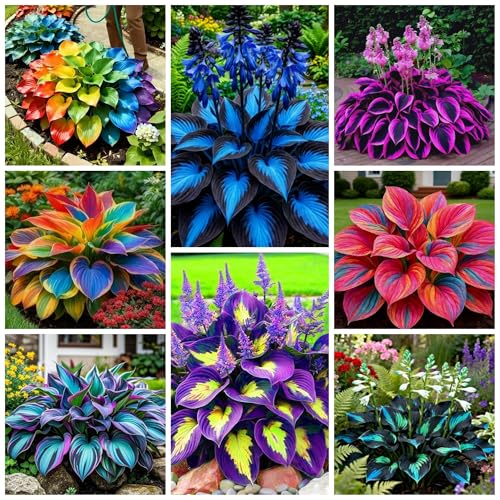
290+ Perennial Hostas for Planting
Inside Each Recommended Option
Not every shaded corner needs flowers; some yards just need grass that won’t quit when the maple leaves drop their dappled filter. Jonathan Green’s Black Beauty mix is built for that exact situation, blending cool-season grasses that handle both open lawn and the brighter edges of tree shade.
For homeowners fighting a patchwork lawn where sun turns to shadow halfway across the yard, this 50-pound bag covers a generous area and lets you overseed in one pass. The mix targets the deep-green color most people picture when they imagine a healthy turf, and the blend’s flexibility means you won’t need separate products for the sunny front strip and the shaded backyard.
Where It Delivers
- Handles the transition zones where sun fades into partial shade without leaving bald gaps.
- A single 50 lb bag covers large lawns, so you skip the math of buying multiple smaller boxes.
- The cool-season blend targets dense, dark-green turf that reads as a healthy lawn from the curb.
- Works as an overseed to thicken tired lawns without stripping what’s already growing.
Things To Consider
- Grass seed needs consistent watering during germination, which adds to the first-month workload.
- Heavy shade under dense evergreens will still stress any sun-and-shade blend over time.
Key Product Details
Right Fit For
Homeowners with mixed-exposure lawns who want one bag that handles both the sunny front and the shaded back.
Consider Something Else When
You’d rather build a flower-filled shade bed; the Eden Brothers Partial Shade Wildflower Mix covers that goal with blooms instead of turf.
If you’ve ever wandered a garden center and walked past the hosta table without buying, growing them from seed is the lower-stakes way to test the waters. This mixed packet offers a roll-the-dice approach to color, tossing together blue, purple, and white leaf forms in one envelope.
The appeal for first-timers is honest: you skip the price tag of mature potted plants and accept that hostas grown from seed take a season or two to fill in. For shaded foundation beds and the skinny strip between a fence and a hedge, that patience usually pays off in leafy texture without constant replanting.
Why It Works Well
- Costs less than buying potted hostas, so you can afford to lose a few seedlings while learning.
- The mixed color range lets a single packet fill a bed instead of buying several named cultivars.
- Seed stores easily in a cool drawer until you’re ready to sow, which helps with timing.
Worth Noting
- Seed-grown hostas take longer to reach mature size than nursery plants, so the first season looks sparse.
- Mixed packets won’t deliver named cultivars, which matters if you want a specific leaf color.
Made For
Beginners testing hostas for the first time who want a low-cost packet that handles shade and rewards patience.
A Better Fit Elsewhere
The 290+ Perennial Hostas packet from Wivolibe gives a higher seed count if you’re covering a wider sweep of ground.
A bare side yard under tall pines is the kind of spot where tidy lawn grass just sulks. SWEET YARDS’ partial-shade wildflower mix leans into that reality, combining open-pollinated annuals and perennials that handle dappled light without constant fuss.
The generous seed count covers roughly 400 square feet, so you can broadcast a real meadow strip rather than dotting plants around one at a time. It’s the kind of bulk bag that makes sense when you’re establishing a new bed or filling the awkward edge where lawn meets tree line.
Advantages To Know
- Over 30,000 seeds fill a meaningful patch of ground in a single sowing.
- Open-pollinated species support bees and butterflies that visit dappled garden edges.
- Combines annuals and perennials so the bed has first-season color and second-year reliability.
Trade Offs
- A wildflower mix looks untidy through the season, which won’t appeal to anyone craving a manicured border.
- Germination can be uneven on heavily mulched or compacted soil, so bed prep matters here.
Quick Facts
Best Suited To
Gardeners turning a tricky side yard into a casual meadow with mixed annual and perennial color.
Reach For A Different Pick When
You want a curated perennial-only list; the Eden Brothers Partial Shade Wildflower Mix leans fully perennial with named species.
Where the SWEET YARDS bag throws the kitchen sink at shade, Eden Brothers curates a more deliberate list of 27 perennial species. Each one is picked for the partial-shade bed, and the resulting stand tends to feel like a planned cottage border rather than a meadow explosion.
You get familiar names like purple coneflower, foxglove, and coreopsis, all of which return year after year and feed pollinators through the season. It’s the right pick for someone who wants a flower bed that matures into a stable community instead of reseeding itself into chaos.
Bright Spots
- The 27-species lineup gives a curated cottage feel rather than a random scatter of blooms.
- All-perennial contents mean plants return and multiply, building a denser bed each year.
- Non-GMO seed and named species like coneflower and foxglove offer pollinator reliability.
- Coverage of 250 to 500 square feet suits a defined bed or border project.
Soft Spots
- Perennial wildflowers take a full season to reach their stride, so patience is required.
- Some species need cold stratification, which complicates late-winter sowing in mild climates.
Feature Snapshot
Who Should Grab It
Planned-bed gardeners who want a curated, pollinator-friendly perennial stand that matures over multiple seasons.
Skip It When
You want first-year color and don’t mind annuals reseeding; the SWEET YARDS mix delivers that faster show.
Stepping up from a starter packet, this 330+ hosta mix gives you enough seed to fill a meaningful sweep of ground or stock a row of containers under a shaded porch. The mixed-color approach still leans on surprise, but the higher count improves your odds of a thick, layered look in a few years.
For gardeners working with USDA zones 3 through 9 who want hostas that handle both shaded beds and patio pots, this packet offers the kind of scale a small foundation planting demands. Expect the established plants to handle cold snaps and short droughts without the daily attention a flower bed often requires.
Where It Helps
- Higher seed count fills a real ground-cover sweep or several containers at once.
- Mixed leaf colors and patterns add visual texture that single-cultivar plantings lack.
- Cold- and drought-tolerant once established, which suits busy or forgetful gardeners.
- Works in USDA zones 3 through 9, covering most of the continental climate range.
Honest Caveats
- Seed-grown hostas take two to three seasons to reach the size of nursery plants, so the early look is sparse.
- Mixed packets don’t guarantee named varieties, so ordering by leaf color is tricky.
Feature Rundown
Perfect Match For
Gardeners stocking multiple containers or a wider foundation strip who want scale from a single seed purchase.
Look Elsewhere When
You only need a small starter packet to test the waters; the 185+ Mix Color Hosta packet handles that trial size.
Where flower-focused wildflower mixes chase color, this Wivolibe hosta packet leans entirely into foliage as the show. The heart-shaped leaves that hostas are known for do the visual heavy lifting, with blooms playing a secondary supporting role for pollinators in summer.
It’s the right pick if your shaded bed borders a path or window where leaf texture matters more than flower color. Once the plants settle in, dividing them every few years keeps the stand vigorous and gives you extra starts to spread around the yard or share.
Useful Strengths
- Foliage-first focus delivers season-long visual interest even after blooms fade.
- Heart-shaped leaves add a distinctive texture compared to grassy or feathery shade plants.
- Low-maintenance routine once plants establish, suiting gardeners who’d rather prune less.
- Non-GMO heirloom seed for shoppers who care about seed lineage and sourcing.
Points To Note
- Hosta blooms are secondary to the foliage, so don’t expect a cutting-garden flower display.
- Seed-grown plants need a couple of seasons to develop the leaf size mature clumps are known for.
Whose Shelf It Belongs On
Gardeners designing a foliage-driven shade bed where leaf texture matters more than cut-flower color.
Swap It Out When
You want pollinator-attracting blooms front and center; the Eden Brothers Partial Shade Wildflower Mix focuses on that goal.
Picking Plants That Thrive Where the Sun Won’t
Choosing partial shade perennials starts with honest light assessment, since “partial shade” means different things on different properties. Most perennials in this category want the four to six hours of gentle morning sun that arrives before the tree canopy fills in, and they’ll sulk in deep, year-round shade under dense evergreens.
Soil matters more than most beginners expect. Partial shade beds tend to compete with tree roots for moisture and nutrients, so working a few inches of compost into the top layer before sowing makes a visible difference in the second season. Mulching after planting locks in moisture and keeps roots cooler through summer heat.
Match the plant to the use case rather than the photo. A wildflower mix delivers casual meadow color but looks ragged through August, while a hosta planting reads as tidy and architectural but offers little in the way of cut flowers. Choose the look you actually want to live with before falling for a pretty catalog image.
Key Considerations Across These Picks
Traps First Timers Fall Into
The most common slip with partial shade seeds is sowing them in the wrong spot. A bed that gets blasted by late afternoon sun will cook even shade-tolerant seedlings, so time your light before you buy. Another mistake is skipping bed prep: seeds sown into compacted clay or thick mulch struggle to germinate evenly. Loosen the top few inches and clear debris so the seed-to-soil contact stays consistent.
What The Higher Tier Buys
Bigger seed counts and curated species lists cost more for a reason: they cover more ground and reduce the guesswork. A bulk partial shade wildflower bag trades precision for scale, while a smaller, curated perennial mix offers named varieties and predictable bloom timing. Paying up usually means fewer filler species and better germination rates, which matters most in larger beds where reseeding gets expensive.
