

Gardening in those tricky spots that get a few hours of sun, then shift to shade by afternoon, demands plants that stay flexible. Most flower tags assume either full sun or deep shade, leaving a frustrating middle zone where leggy growth and skipped blooms are common. The right annuals turn that transition zone into the most colorful part of your yard.
This lineup covers seven seed and live-plant picks designed for the three-to-six-hour sun window, from bold coleus foliage to heat-loving vinca and pollinator-friendly wildflower mixes. Each one suits a different gardening style, whether you want fast fills for containers or a meadow-style drift along a fence line.
The Essentials At A Glance

SVI 1200 Rainbow Coleus Seeds

Outsidepride Black Cherry Periwinkle Seeds

SWEET YARDS Wildflower Seeds Partial Shade Mix

Eden Brothers Partial Shade Wildflower Mixed Seeds

Seed Needs Sunflower Seeds Sunset Mixture XL Pack
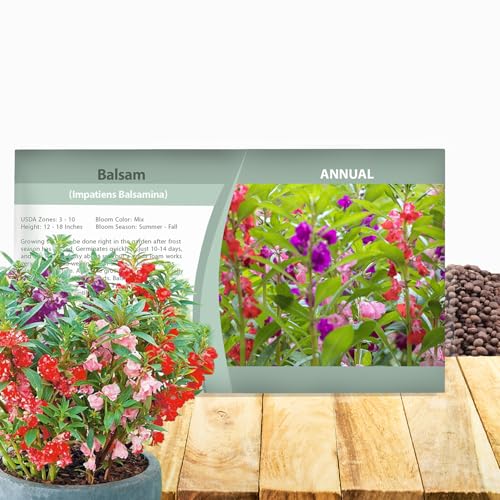
Outsidepride Balsam Impatiens Flower Seeds

The Three Company Live Flowering Sunpatiens (3 Plants)
Meet The Standout Selections
Coleus is the rare annual that actually prefers the dappled, shifted-light conditions you’ll find on a covered porch or under a tree canopy. SVI’s 1,200-seed rainbow packet leans into that strength: dense painted-nettle foliage in magentas, greens, yellows, and reds that holds its color without demanding all-day sun.
Plants reach roughly 12 inches tall with a spreading habit, which means a single packet fills several window boxes or a 4-foot border without forcing you to thin aggressively. If you want foliage drama without the bloom fuss that some other picks demand, this is the workhorse to start with.
Features That Help
- 1,200 seeds per packet, enough to cover multiple containers or a generous border run.
- Foliage-first color holds up in partial sun where flowering annuals often fade.
- Spreading habit fills gaps in mixed beds without aggressive thinning.
- Works indoors on a bright windowsill, not just outdoors.
- Shade-tolerant genetics make it forgiving when sunlight shifts through the season.
Worth Noting
- No real floral display, so the visual payoff is purely textural and chromatic.
- Coleus responds to pinching; without occasional trimming, stems can stretch and flop.
- Starting from seed means a longer wait to full color than the live Sunpatiens later in this list.
Who It Suits Best
Container gardeners and border planters who want bold foliage texture in spots that get filtered light for only part of the day.
Skip It When
You want instant color on day one: The Three Company Live Flowering Sunpatiens ships already in bloom and skips the seed-starting curve entirely.
Vinca, also known as periwinkle, earns its place in any sun-warmed border where other annuals wilt by July. The Black Cherry variety blooms up to two weeks earlier than standard vinca types, layering dark-pink and violet blossoms over glossy foliage from late spring well into late summer.
Where the SVI coleus leans on leaf color, this pick leans on petal color. With 50 seeds in the packet and heat-tolerant genetics, it suits southern beds, south-facing slopes, and the kind of curbside strip that bakes by noon. You may find the contrast against silver or chartreuse foliage particularly striking in mixed borders.
What Earns Its Place
- Earlier bloom timing than comparable vinca varieties, giving you color before neighbors’ beds fill in.
- Heat- and drought-tolerant once established, a real plus for unforgiving strips.
- Long bloom window from late spring through late summer.
- Vibrant dark-pink and violet hues that read well from a distance.
Honest Caveats
- Vinca needs warm soil to germinate well, so early-spring sowing can be slow.
- 50 seeds is a smaller packet than the coleus above, plan accordingly for large beds.
- Lower seed count makes it less suited for meadow-style seeding.
Right Fit For
Hot-climate gardeners and anyone planting a south-facing bed where drought-tolerant blooms outshine thirsty alternatives.
Look Elsewhere When
You want a meadow sweep rather than a structured border: SWEET YARDS Wildflower Seeds Partial Shade Mix covers far more ground with a single ounce.
Wildflower mixes solve the “I don’t want to plan a layout” problem by handing the design back to the species. SWEET YARDS ships a full ounce of pure live seed with over 7,000 seeds, enough to cover roughly 100 square feet of partial-shade ground.
The blend mixes annuals and perennials, so your first-year show comes from quick bloomers while the second and third years reward patience. Compared to the structured coleus and vinca picks above, this one trades individual plant control for ecological breadth: bees, butterflies, and beneficial insects get a continuous buffet across the season.
The Helpful Details
- 1 ounce of pure live seed covering approximately 100 square feet.
- Open-pollinated varieties that support bees and butterflies.
- Mix of annuals and perennials for layered first-year and second-year color.
- Reusable zipper pouch helps keep unused seed viable between seasons.
Soft Spots
- Wildflower mixes flower on the species’ own timeline, so early-summer uniform color is unlikely.
- Some species prefer full sun within the mix, meaning leaner blooms in deeper shade.
- Weed competition during germination is a commonly reported challenge without proper bed prep.
Who Should Grab It
Pollinator-focused gardeners and anyone converting a strip of partial-shade lawn into a low-maintenance meadow without hand-placing every plant.
Consider Something Else When
You want a curated, designed border with predictable heights and bloom colors: Outsidepride Black Cherry Periwinkle Seeds give you tighter control than a wildflower blend.
Eden Brothers takes the wildflower approach and pushes it further with a quarter-pound pouch and a 27-species recipe designed for partial-shade ground. The blend leans on perennials like purple coneflower and rose mallow alongside classic cottage annuals.
Coverage stretches to roughly 250 to 500 square feet, which makes this a sensible upgrade over a smaller mix for larger properties. The non-GMO, deer-resistant framing also matters if your yard backs onto browse-heavy woods. Where the SWEET YARDS blend covers 100 square feet, this one covers the whole back forty with seed to spare.
Useful Strengths
- Quarter-pound quantity covers 250 to 500 square feet of partial shade.
- 27 species including pollinator favorites like foxglove and catchfly.
- Deer-resistant selection helps in browse-prone neighborhoods.
- Non-GMO, all-perennial-focused blend for recurring yearly color.
- Attracts bees, butterflies, and hummingbirds in a single planting.
Practical Considerations
- Perennial-heavy mix trades instant gratification for stronger second-year performance.
- Some species, like foxglove, may need partial sun rather than dense shade.
- A larger bed means more pre-planting site prep than smaller packets demand.
Best Suited To
Larger properties and gardeners who want one bulk sowing to establish a partial-shade meadow that keeps rebuilding each year.
Reach For A Different Pick When
You only need a small patch near a patio: the smaller SWEET YARDS Partial Shade Mix avoids the surplus seed you’d otherwise have to store.
Sunflowers often get filed as full-sun plants, but shorter ornamental types thrive in partial-sun pockets too. Seed Needs’ Sunset Mixture rolls red, orange, and yellow Helianthus annuus varieties into one XL pack aimed at cut-flower growers and butterfly gardeners.
The XL designation translates to noticeably more seed than a standard packet, which suits anyone planting a row along a fence or backdropping a shorter border. Compared to the coleus and vinca covered earlier, this pick brings height and pollinator magnetism rather than low edging color.
Positive Points
- Sunset color palette in red, orange, and yellow adds warm tones many partial-shade beds lack.
- Large bloom florets feed bees and other pollinators.
- XL packet size suits multi-row or back-of-border plantings.
- Useful as cut flowers for late-summer arrangements.
Where It May Fall Short
- Tall varieties may need staking in wind-exposed partial-shade sites.
- Late-season planting leaves less time to enjoy blooms before frost.
- Sunflowers produce heavy seed heads, so staking is a commonly needed step.
Made For
Garden photographers and cottage-style growers who want vertical interest and warm color along a fence line or back border.
A Better Fit Elsewhere
You need a low carpet of color in a shaded bed: Outsidepride Balsam Impatiens Flower Seeds stay compact at 12 to 18 inches and handle shade far better than sunflowers.
Balsam impatiens fill a niche coleus and vinca don’t: real, layered blooms in rose, salmon, white, scarlet, and violet that keep coming from late spring into early fall. Impatiens balsamina stays compact at 12 to 18 inches, which keeps it tidy in tight beds.
With 500 seeds in the packet, this pick scales better than the smaller vinca sachet. The hummingbird-friendly color range also feeds pollinators that bypass foliage-heavy coleus entirely. You may find balsam a useful counterweight to the foliage-driven first pick on this list.
Advantages To Know
- 500 seeds per packet covers a respectable shade bed or several containers.
- Compact 12 to 18 inch habit suits front-of-border placement.
- Multi-color bloom range supports hummingbirds and other pollinators.
- Long bloom window from late spring through early fall.
Some Limits To Know
- Balsam prefers partial to full shade, so exposure beyond filtered sun can scorch blooms.
- Starting from seed requires indoor sowing in many climates.
- Taller plants in rich soil may need light staking.
Who Will Love This
Shade-garden builders and hummingbird hosts who want petal color without giving up the cool, low-light conditions coleus already loves.
Swap It Out When
You want blooms on day one: The Three Company Live Flowering Sunpatiens arrives in quart pots already flowering.
SunPatiens are a New Guinea impatiens hybrid bred for stronger sun tolerance and bigger growth than their shade-loving cousins. The Three Company ships a 3-plant pack of assorted colors in quart pots, each already around 10 inches tall with a head start on bloom production.
Mature spread can reach roughly 36 inches, so a single pack fills an entire planter without waiting through a germination cycle. Compared to every seed option above, this is the “skip the seed-starting calendar” choice: plant on a Saturday, water through the establishment phase, and watch the canopy fill out within weeks.
Where It Excels
- Live quart-pot plants ship already in active growth.
- Mature size reaches roughly 36 inches tall and wide for fast bed coverage.
- Hybrid New Guinea genetics handle more sun than traditional impatiens.
- Assorted colors add mixed hues without extra shopping trips.
Trade-Offs To Consider
- Higher upfront cost than seed packets, with limited quantity per pack.
- Daily watering is commonly needed during the first couple of weeks after planting.
- Live plants can suffer transit stress, so quick planting after delivery matters.
Perfect Match For
Impatient gardeners and anyone refurbishing a patio or entry bed in a single weekend rather than waiting out a seed-starting calendar.
Not Your Match When
You want budget-friendly scale: SVI 1200 Rainbow Coleus Seeds run a fraction of the per-plant price across a much larger area.
Picking Partial Sun Annuals That Match Your Microclimate
Sun exposure labels on seed packets assume a fairly generic yard. Most “partial sun” tags actually mean three to six hours of direct light, with the rest of the day being open shade, dappled tree cover, or shadow from a structure. The honest read is that afternoon sun is harsher than morning sun, so a west-facing bed often needs tougher plants than an east-facing one of the same nominal hours.
Match your sun window to the plant’s natural history. Coleus and balsam impatiens evolved under forest canopy, so they appreciate filtered morning sun and wilt under afternoon heat. Vinca and sunflowers evolved in open fields, so they soak up direct rays and only struggle when their roots stay wet. Wildflower mixes sit in the middle because each species inside its own micro-niche.
Plant habit also matters more than people expect. A coleus at 12 inches with a spreading footprint behaves nothing like a 36-inch SunPatiens in the same border. Lay taller plants toward the back or center of an island bed, and edge the front with the compact balsam impatiens or coleus to keep sight lines open.
What “Partial Sun” Actually Means on a Seed Packet
Seed companies use partial sun, partial shade, and full sun with subtle distinctions. Partial sun usually means four-plus hours of direct light. Partial shade usually means two to four hours, often with afternoon relief. Anything below that range pushes you into true shade plants, which behave poorly once midday rays sneak through a gap in the canopy.
Why Soil Prep Matters More Than the Packet Label
A loose, well-drained bed gives partial-sun annuals the root run they need to bridge dry spells. Heavy clay keeps roots wet after rain, which is why vinca and sunflowers sulk in unimproved ground. Two inches of compost worked into the top six inches before sowing sets most of these picks up for a stronger show.
Pollinator Value Versus Decorative Color
Foliage-heavy coleus gives you texture without feeding bees. Vinca, balsam, sunflower, and wildflower mixes all contribute nectar or pollen. If your goal is a working garden that supports local ecology, weight your planting toward the bloom-heavy options. If your goal is a designer-look patio, coleus and SunPatiens deliver more controlled color.
Key Considerations Across These Picks
Mistakes Worth Dodging
The classic partial-sun misstep is trusting the label without checking your actual sun hours. Spend a single Saturday noting when direct light hits each bed. If the answer is closer to two hours than five, lean into balsam impatiens and coleus rather than sunflowers.
The other common slip is overcrowding seed mixes. SWEET YARDS and Eden Brothers both cover large square footage, so a casual scattering produces seedlings that compete and stunt each other. Thin according to the seed packet, not the impulse to maximize coverage.
When Paying More Pays Off
Live SunPatiens cost more than a seed packet, but they pay off when you need established color in a weekend. The Three Company’s quart pots skip the indoor sowing setup, the hardening-off routine, and the slow start that frustrates newer gardeners.
Bulk wildflower mixes cost more up front than single-species packets but spread your bloom timing across the season. Eden Brothers’ quarter-pound option is the right call when you’d otherwise buy three or four smaller packets to fill the same space.
Frequently Asked Questions
What counts as a partial sun annual?
A partial sun annual thrives on roughly three to six hours of direct light per day, with the rest of the day in shade or filtered cover. Coleus, vinca, and balsam impatiens all fall into this category.
Can partial sun annuals survive full afternoon sun?
Some can, including vinca and sunflowers, which tolerate stronger light once established. Coleus and balsam impatiens usually scorch under prolonged afternoon rays and prefer morning-only exposure.
How long do partial sun annuals bloom?
Most bloom continuously from late spring through the first frost, though wildflower mixes follow the species’ own cycles. Deadheading vinca and balsam extends the show well into early fall.
Do I need to start seeds indoors?
Coleus, balsam, and vinca benefit from an indoor start in cooler climates because they need warm soil to germinate. Sunflowers and wildflower mixes usually go straight into prepared ground after the last frost.
How often should I water partial sun annuals?
Watering frequency depends on rainfall, but a deep soak twice a week beats shallow daily sprinkles. SunPatiens are the exception, requiring daily water during the first couple of weeks to establish.
Wrap Up
Partial sun doesn’t have to mean compromise. The seven picks above cover the full range of gardener profiles, from seed-starters on a budget to anyone wanting quart-pot color by the weekend. Start with a clear read of how many sun hours each bed actually gets, then lean into coleus and balsam for shaded pockets, vinca and sunflowers for sunnier stretches, and a wildflower mix to bridge the transitions.
