

Healthy garden beds rarely start with whatever soil happens to be in the yard. Sphagnum peat moss loosens dense clay, holds moisture through dry weeks, and gives seedlings a soft medium to push roots into, which is why it has earned a permanent shelf in most shed supply lists. The trick is matching the grade, volume, and texture to your plants, your climate, and your watering habits. The list below gathers eight peat mosses that cover seed starting, container gardening, and acid-loving houseplants, with a focus on what each one actually delivers once it leaves the bag.
The Shortlist At A Glance
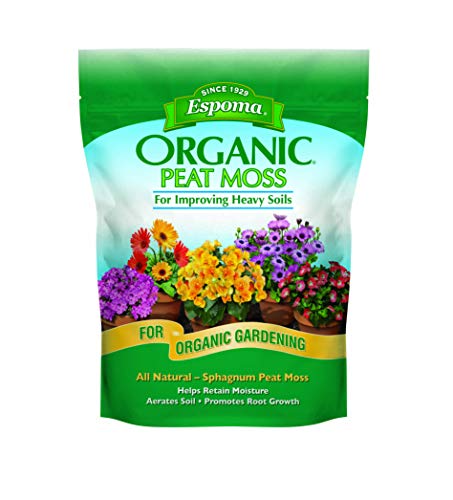
Espoma Organic Peat Moss 8-Quart

Doter Organic Sphagnum Peat Moss 1qt
Doter Organic Sphagnum Peat Moss 4qt
Doter Organic Sphagnum Peat Moss 2qt

Midwest Hearth Potting Mix 4 Quarts

Halatool Long Fiber Sphagnum Moss 12 QT

Hoffman Canadian Sphagnum Peat Moss 18 Quart

Old Potters Organic Peat Moss 20 Quarts
A Closer Look At Each Pick
Espoma sits at the top of the list because it does the one thing most gardeners actually need from peat moss: lighten up dense native soil without bringing along a list of additives. The bag is 100% sphagnum peat moss, listed as a registered organic input material, which matters if you keep a vegetable patch under organic management.
You can blend it into potting mix on repotting day, top-dress a tired flower bed, or use it as a base for starting cuttings. Compared to the bulk Hoffman Canadian entry further down, Espoma trades volume for purity, so you pay a bit more per quart but skip the screening step.
What It Does Well
- Approved for organic gardening, so it slots into certified-organic beds without paperwork headaches.
- No additives means full control over your blend, perlite, vermiculite, and compost all mix in cleanly.
- Loosens heavy clay and improves aeration, which most home gardeners will notice within a single growing season.
- Versatile enough for starting cuttings, overwintering bulbs, and refreshing tired container mix.
Points To Keep In Mind
- The 8-quart bag runs out quickly on large beds, so a single unit may not cover a full lawn top-dress.
- Pure peat moss is naturally acidic, which is a feature for blueberries and a drawback for neutral-soil veggies unless you buffer it.
- Dry peat resists water at first, so plan to pre-moisten it before mixing or it can shed moisture off the top.
Who Will Love This
Home gardeners running a small-to-medium vegetable plot, organic-focused raised beds, or mixed container collections who want a clean, additive-free amendment they can blend themselves.
Look Elsewhere When
Step up to the Hoffman Canadian Sphagnum Peat Moss if you need 18 quarts at once for broad lawn work or a sizeable new garden bed.
This is the smallest bag on the list, and that is exactly its appeal. A single quart covers one terrarium refresh or a handful of small pots without leaving a half-used sack of dry peat sitting on a shelf for months.
Doter markets it for carnivorous plant media and seed starting, and the acidic profile (a pH range running roughly 3.5 to 6) suits both jobs. You may find the volume limiting once your collection expands, in which case the 2-quart or 4-quart siblings below take over.
Advantages To Know
- One-quart size keeps fresh peat accessible without a long storage stretch.
- Loosens compact media and improves drainage in small containers.
- Acid-leaning pH range supports carnivorous plants and blueberries.
- Useful as a starter blend component when you only have a few pots to refresh.
Honest Caveats
- Per-quart cost runs higher than the larger Doter sibling sizes.
- A single quart will not stretch across a full seed-starting tray setup.
- Small bags can dry out quickly in low-humidity homes.
Made For
First-time carnivorous plant keepers and apartment growers who only need enough peat to refresh a couple of small pots at a time.
Reach For A Different Pick When
Pick the Doter Organic Sphagnum Peat Moss 4qt instead, once your pitcher plant collection grows past a single windowsill shelf.
The 4-quart Doter is the workhorse for anyone running a serious carnivorous plant collection. Pitcher plants, sundews, and Venus flytraps all want acidic, moisture-retentive, low-nutrient media, and this bag delivers that profile in enough volume to repot a shelf full at once.
Outside the bog garden, it doubles as a seed-starting base when you want a sterile, loose medium that doesn’t crust over. Owners commonly mix it with perlite for better airflow around delicate roots.
Positive Takeaways
- Acidic pH supports acid-loving carnivorous species.
- Resists compaction so roots can breathe through the growing season.
- Holds moisture well, reducing how often you need to top-water sundews and flytraps.
- Works equally well for seed starting and bog-repotting day.
- Four-quart volume covers a multi-plant repot without buying multiple bags.
Softer Spots
- Heavier to ship than the 1-quart sibling.
- Repotting a dozen large pitchers in one go can still leave you needing a second bag.
- Needs perlite or sand mixed in for species that hate soggy feet.
Quick Facts
Right Fit For
Hobbyists maintaining a working collection of pitcher plants, flytraps, and sundews who repot on a yearly cycle.
A Better Fit Elsewhere
Grab the Midwest Hearth Potting Mix if your focus is general container gardening rather than bog plants.
The 2-quart Doter lands in the awkward middle of the size lineup, and that is its selling point for many shoppers. Two quarts cover a windowsill of African violets, a flat of blueberry starts, or a single large orchid repot, all without the waste of a four-quart purchase.
Like the other Doter options, the acidity profile targets acid-loving plants, and the structure stays loose through repeated waterings. You may find the bag underfills ambitious seed trays, but for steady maintenance work it hits the sweet spot.
The Value In It
- Two-quart volume strikes a balance between waste and shortage.
- Acidic profile suits blueberries, azaleas, and similar acid-lovers.
- Loosens compact indoor mixes without overwhelming small pots.
- Handy for refreshing houseplant soil mid-season.
Worth Noting
- Sits between two other Doter sizes, which can make picking harder.
- Not the right pick for a multi-tray seed-starting project.
- Dry peat takes patient soaking before it absorbs water evenly.
Best Suited To
Apartment growers keeping a handful of acid-loving houseplants who want fresh peat on hand without committing to a bigger bag.
Swap It Out When
Step up to the Doter Organic Sphagnum Peat Moss 4qt for a full bog collection, or down to the 1-quart for a single experimental terrarium.
Midwest Hearth skips the measuring step entirely by blending peat moss, perlite, and vermiculite into a single ready-to-use bag. That mix has long been the workhorse blend for professional growers, and the brand leans into that heritage.
The pH is balanced for a wide range of plants, so you can use it for houseplants, herbs, and bedding transplants without tweaking. Compared to the pure peat options above, you give up the freedom to blend your own ratios, but you save the Saturday morning spent with a measuring cup.
Useful Strengths
- Pre-mixed peat, perlite, and vermiculite, no measuring required.
- Balanced pH suits a broad spectrum of common plants.
- Provides aeration and moisture retention in one step.
- Domestic production shortens the shipping path.
- Encourages root development for transplants and freshly potted cuttings.
Trade-Offs To Consider
- You cannot tune the peat-to-perlite ratio for specialty plants.
- Four quarts runs out fast during a full repotting sweep.
- Not labeled as organic, so it sits outside certified-organic programs.
Whose Shelf It Belongs On
Busy gardeners who want a single bag to handle the routine repotting of mixed houseplants without buying three separate amendments.
Where A Sibling Pick Shines
Switch to the Espoma Organic Peat Moss 8-Quart if you keep an organic garden and prefer to dial in your own perlite ratio.
Long-fiber sphagnum is a different beast than the ground peat in most of these bags. The strands stay intact when wet, which makes them ideal for orchid mounts, Phalaenopsis bark mixes, and the airy setup that epiphytes need around their roots.
Halatool’s offering is undyed and natural, so you are not paying for the neon green color you sometimes see on display moss. It also pulls double duty as a top dressing for terrariums and craft projects, which adds value beyond the plant shelf.
Practical Pluses
- Long fibers hold air around orchid roots better than ground peat.
- Natural green tone without artificial dye, ideal for visible displays.
- Rehydrates quickly when soaked, cutting prep time.
- Soft and fluffy texture works for orchid mounts and propagation.
Small Caveats
- Not a soil amendment, so it cannot substitute for ground peat moss.
- Fiber form can dry out faster than ground peat, so monitor humidity.
- The compressed 8-ounce pack expands to 12 quarts, which can surprise first-time users.
Quick Facts
Perfect Match For
Orchid keepers, carnivorous plant hobbyists who mount rather than pot, and anyone building a vivarium with epiphytes.
Skip It When
You need a soil amendment for raised beds, where ground peat moss like the Hoffman 18 Quart is the better match.
Hoffman sources its peat from New Brunswick and grades it coarse, which keeps the structure open longer than the fine milled stuff. For a vegetable patch or lawn top-dressing, that open texture matters because water and roots need channels to move through.
Eighteen quarts is enough to amend a meaningful stretch of bed in one go, and the bag pairs naturally with perlite and vermiculite for custom soilless mixes. It is a workhorse pick for anyone whose garden is measured in square feet, not pots.
Benefits That Matter
- Coarse Canadian grade resists compaction longer than milled peat.
- Boosts water and nutrient holding capacity across whole beds.
- Blends cleanly with perlite and vermiculite for custom mixes.
- Eighteen-quart volume handles mid-size bed renovations in one bag.
A Few Limitations
- Canadian sourcing raises the per-quart cost compared to commodity blends.
- Bulky bag is awkward to carry in a small car.
- Dry peat needs soaking before it will absorb water evenly.
Who Should Grab It
Vegetable gardeners and homeowners refreshing a sizable lawn or flower bed in a single weekend project.
Consider Something Else When
You only need a couple of small containers, where the Espoma 8-Quart covers the job without paying for volume you won’t use.
Old Potters ships semi-compressed, which sounds like a packaging detail until you try to wrestle 20 quarts of loose peat into a trash can. The compression makes storage and pouring easier, and the bag fluffs out to its full volume once you break it apart.
It is 100% sphagnum peat moss without additives, so you keep full control over your blend. For seed-starting setups and large container rotations, this is the bag that gets pulled off the shelf season after season.
Where It Excels
- Semi-compressed packaging saves shelf space until you need it.
- Twenty quarts stretches across multiple seed trays and big containers.
- Additive-free composition keeps the blend in your hands.
- Works for seed starting, container refreshes, and soil loosening alike.
- Suitable for both indoor and outdoor use, which simplifies buying.
Things To Weigh Up
- Heavier and bulkier than the smaller quart options.
- Once opened, the peat needs to stay covered to avoid drying out.
- Highly acidic on its own, so most edible beds need lime or buffer amendments.
Built With In Mind
Backyard gardeners running a multi-tray seed-starting setup every spring, plus a rotation of large patio containers through summer.
Not Your Match When
You keep a single windowsill orchid, in which case the Halatool Long Fiber Sphagnum Moss 12 QT is the right specialty pick.
What To Weigh Before Choosing A Peat Moss
Match The Grade To The Job
Coarse Canadian peat moss holds structure longer than finely milled options, which matters for beds and lawns. Fine milled peat works best in small containers and seed trays where a soft, uniform texture helps tiny roots. Pick coarse for outdoor soil work, fine for indoor pots.
Account For Acidity
Sphagnum peat moss runs acidic, often in the 3.5 to 6 pH range, which suits blueberries, azaleas, rhododendrons, and carnivorous plants. Vegetable beds and most flowering annuals prefer neutral soil, so plan to buffer with lime or compost when you amend large areas.
Decide Between Pure And Pre-Blended
Pure peat moss lets you dial in perlite and vermiculite ratios for specialty plants. Pre-blended mixes save time but lock you into the manufacturer’s balance. Hobbyists with mixed collections often keep both on hand: a pure peat for custom work and a blend for routine repotting.
Size The Bag To Real Use
A 20-quart bag is a bargain only if you actually use 20 quarts before it dries out. For a few small pots, a one- or two-quart bag keeps the rest of the peat fresh. For full bed renovations, the bulk 18- and 20-quart sizes pay off in fewer shopping trips.
Key Considerations Across These Picks
Where Shoppers Go Wrong
The most common slip is grabbing pure peat moss for a vegetable bed and then wondering why seedlings stall. Acidic peat on its own can lock out nutrients in already-acidic soil, so always check your native pH before amending. Another trap is opening a big compressed bag for one small pot and letting the rest dry out, because dry peat sheds water instead of absorbing it.
When Paying More Pays Off
Higher-tier peat mosses earn their premium through grade, sourcing, and consistency. Coarse Canadian peat holds structure longer than commodity blends, organic certification removes guesswork for certified gardens, and pre-mixed options trade flexibility for time saved on routine work. If your garden is measured in square feet rather than pots, the bulk premium grades pay off across a single season.
